BSNL, Air India, MTNL highest loss-making PSUs in 2018-19; ONGC most profitable: Survey

New Delhi, Feb 10: ONGC, Indian Oil Corporation and NTPC were the top three profitable PSUs in 2018-19, whereas BSNL(Bharat Sanchar Nigam Limited), Air India and MTNL(Mahanagar Telephone Nigam Limited) incurred highest losses for a third consecutive year, according to a survey tabled in Parliament on Monday.
The Public Enterprises Survey 2018-19, which maps the annual financial performance of all central PSUs, revealed that the top 10 companies in the red claimed a whopping 94.04 per cent of the total losses made by all the 70 loss making CPSEs during the year.
The top three profit making PSUs including Oil and Natural Gas Corporation (ONGC), Indian Oil Corporation and NTPC contributed 15.3 per cent, 9.68 per cent and 6.73 per cent, respectively to the total profit earned by all profitable CPSEs.
State Trading Corporation of India, MSTC and Chennai Petroleum Corporation which were profit making CPSEs in 2017-18, incurred losses in 2018-19 and also feature among the top ten loss- making firms, the survey found.
Total income of all CPSEs during 2018-19 stood at Rs 24,40,748 crore compared to Rs 20,32,001 crore in 2017-18, showing a growth of 20.12 per cent.
The contribution of CPSEs to the central exchequer by way of excise duty, customs duty, GST, corporate tax, interest on central government loans, dividend and other duties and taxes stood at Rs 3,68,803 crore in 2018-19 as against Rs 3,52,361 crore in 2017-18, showing an increase of 4.67 per cent.
The Department of Public Enterprises (DPE), Ministry of Heavy Industries & Public Enterprises, brings out the Public Sector Enterprises Survey on the performance of central public sector enterprises (CPSEs) every year.
As per the survey, there were total 348 CPSEs as on March 31, 2019 out of which 249 were operational. The remaining 86 were under construction and 13 were under closure or liquidation.
Let the Truth be known. If you read VB and like VB, please be a VB Supporter and Help us deliver the Truth to one and all.
Tamil Nadu Assembly Results: CM M.K. Stalin loses in Kolathur constituency
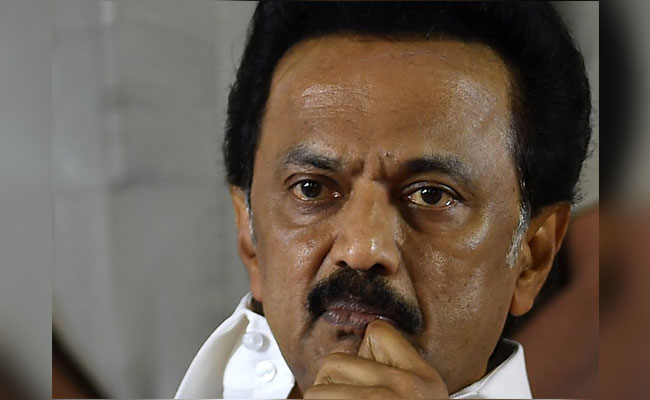
Chennai: In the Tamil Nadu Assembly election results, Chief Minister M.K. Stalin has lost in the Kolathur constituency.
TVK party candidate Babu defeated Stalin by over 7,000 votes.