Cars set to get costlier from April as cos announce price hikes
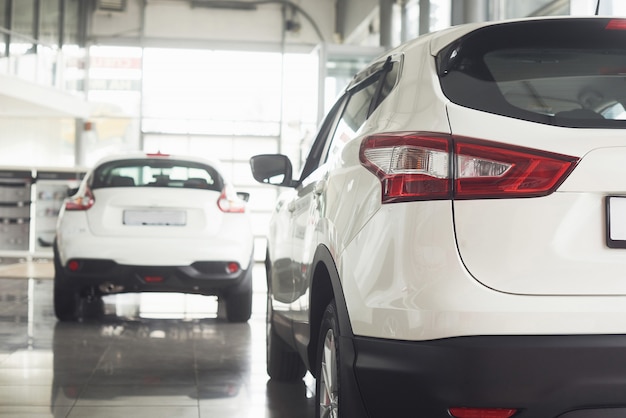
New Delhi: Cars are set to get costlier from April, with various automakers like market leaders Maruti Suzuki, Mahindra & Mahindra, and Hyundai, announcing price hikes due to rising input costs and operational expenses.
Maruti Suzuki India, which leads the domestic passenger car segment in the country, plans to hike prices of its entire model range by up to 4 per cent from next month.
The auto major currently sells various models, ranging from the entry-level Alto K-10 to the multiple-purpose vehicle Invicto in the domestic market, with prices ranging from Rs 4.23 lakh to Rs 29.22 lakh, respectively (ex-showroom Delhi).
Its rival Hyundai Motor India said it will increase car prices by up to 3 per cent from April 2025, owing to rising raw material and operational costs.
Similarly, Tata Motors intends to increase the prices of its passenger vehicle range, including electric vehicles, from April 2025, for the second time this year.
Mahindra & Mahindra said it will hike prices of its SUVs and commercial vehicles by up to 3 per cent from April. Kia India, Honda Cars India, Renault India and BMW have also announced to hike vehicle prices from the next month.
Deloitte Partner & Automotive Sector Leader Rajat Mahajan said carmakers usually have two price hike cycles in India, one at the beginning of the calendar year and another at the start of the financial year.
"The reason for the extent of hike varies, could be related to currency fluctuations where we need more rupees to import the same product, commodity or component," he stated.
Over the last six months, the US Dollar has appreciated by almost 3 per cent against the rupee, which affects high import-dependent categories that may have a direct or indirect impact on input costs. Besides, original equipment manufacturers (OEMs) with a complete knockdown (CKD) footprint are likely to experience an even greater effect.
"Other reasons seem to be tepid demand for entry-level vehicles, especially from first-time buyers and rural customers, which is putting pressure on margins. Price elasticity is relatively low in premium segments and any upward change will boost margins," Mahajan stated.
Also, the number of features getting added in the cars is also a reason for such regular hikes that are seen over the last few quarters, he added.
"At the same time, OEMs are aware of high price sensitivity in the entry-level segments. Hence, are likely to be cautious in executing these hikes given the segment may see a revival, especially after the recent budget, which left more money in the hands of the consumer," he noted.
Icra Corporate Ratings Vice President and Sector Head Rohan Kanwar Gupta said the price hikes are generally taken at the start of the calendar/fiscal year to help offset factors like increases in operational costs on account of inflationary pressures and commodity prices, among others.
"The recent price hikes announced by various car makers are for the same reason," he added.
While the price hikes have the potential to moderate the demand sentiments to an extent, it must be noted that there are already healthy discounts on offer across a variety of models in the passenger vehicle segment, with the industry focused on bringing down inventory levels, Gupta stated.
Accordingly, the impact of these price hikes on demand is expected to be modest, he noted.
Let the Truth be known. If you read VB and like VB, please be a VB Supporter and Help us deliver the Truth to one and all.
Assam Police at Pawan Khera's residence in national capital, Delhi Police assisting

New Delhi (PTI): An Assam Police team on Tuesday is at the Delhi residence of Congress leader Pawan Khera for questioning in connection with a case linked to allegations made against Assam Chief Minister Himanta Biswa Sarma and his family, official sources said.
The team formally informed Delhi Police upon arrival, following which a local police team joined and is assisting in the proceedings, the source said.
The development comes amid a political tussle after Sarma alleged that the Congress used "false information" sourced from a Pakistani social media group to level charges against his wife regarding multiple passports and overseas assets. He termed the allegations an attempt to influence the Assam elections and a punishable offence.
Khera had recently sought clarifications on Sarma's wife's alleged foreign assets, prompting a complaint and subsequent police action.