Facebook plans its own currency ‘Libra’ for 2 billion-plus users in 2020

San Francisco: Amid intense calls to break it down as the company has grown too big, Facebook on Tuesday announced its own digital wallet subsidiary called "Calibra" for its global cryptocurrency "Libra" which would be powered by Blockchain technology.
The new digital wallet for Libra will be available in Facebook Messenger, WhatsApp and as a standalone app in 2020, the company said in a statement.
Facebook currently generates 99 per cent of its revenue from advertisements and its own digital currency would help it reach billions of its users across products, creating another stable revenue stream.
"Today we're sharing plans for Calibra, a newly-formed Facebook subsidiary whose goal is to provide financial services that will let people access and participate in the Libra network," said Facebook.
From the beginning, Calibra will let users send Libra to almost anyone with a smartphone, as easily and instantly as they send a text message and at low to no cost.
"In time, we hope to offer additional services for people and businesses, like paying bills with the push of a button, buying a cup of coffee with the scan of a code or riding your local public transit without needing to carry cash or a metro pass," said the social media giant which is facing intense scrutiny over users' privacy violations.
Facebook said Calibra will have strong protections in place to keep your money and your information safe.
"We'll be using all the same verification and anti-fraud processes that banks and credit cards use, and we'll have automated systems that will proactively monitor activity to detect and prevent fraudulent behaviourm" explained the company.
It said it would also offer dedicated live support to help if a user loses the phone or password — and if someone fraudulently gains access to the account and the user loses some Libra as a result, Facebook would offer a "refund".
Aside from limited cases, Calibra will not share account information or financial data with Facebook or any third party without customer consent, claimed the company.
"This means Calibra customers' account information and financial data will not be used to improve ad targeting on the Facebook family of products.
"The limited cases where this data may be shared reflect our need to keep people safe, comply with the law and provide basic functionality to the people who use Calibra. Calibra will use Facebook data to comply with the law, secure customers' accounts, mitigate risk and prevent criminal activity," the company explained.
Facebook said it is still early in the process of developing Calibra and would consult experts to make the product safe and private.
Let the Truth be known. If you read VB and like VB, please be a VB Supporter and Help us deliver the Truth to one and all.
Bengaluru jail introduces biometric tracking system for prisoners
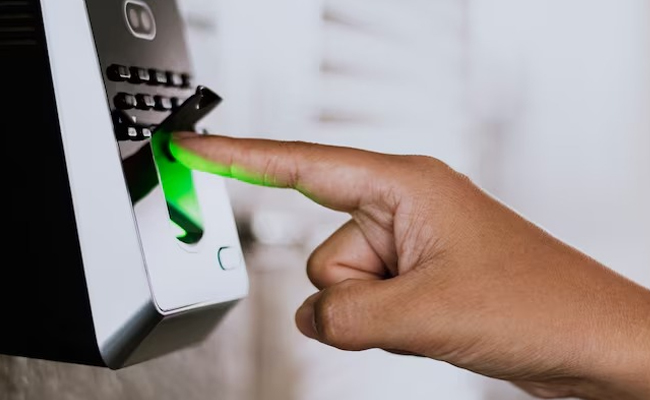
Bengaluru: In a bid to curb misconduct and illegal activities inside Parappana Agrahara Central Prison, prison authorities have introduced a new ‘Prisoners Tracking Movement System’ under which inmates will have to undergo biometric verification while entering every barrack.
According to jail officials, biometric systems have been installed across all major sections of the prison, including barracks, visitor rooms, hospital, canteen, kitchen, library, playground, handicraft units and bakery sections. Staff members have also been deployed at these locations.
Officials said inmates visiting the visitors’ room must now obtain a digital token after biometric verification. Details such as the prisoner’s name, identification number and entry time will be updated in the prison software system. This will help authorities maintain a complete digital record of inmates visiting and returning from meeting rooms.
Similar systems have also been introduced at entry points of the hospital, library and other barracks accessed for work-related purposes. Officials said the system will help identify prisoners involved in suspicious or illegal activities with other inmates and enable authorities to track how much time a prisoner spends at different locations inside the prison.
Authorities stated that AI-powered cameras were already being used inside the prison to monitor inmates as well as prison staff. Along with this, digital tracking of prisoner phone calls and a digital token system for visitor meetings have now been added to strengthen surveillance over inmate movement. Officials said the project has been implemented at a cost of around Rs 2.25 crore.
The prison department has also introduced a canteen usage tracking system to monitor prisoners’ spending patterns. Instead of direct cash payments, inmates can purchase bakery items and snacks using wallets or coupons issued within the prison system.
Officials said the digital system will record details including the buyer’s name, items purchased, quantity, date, time and remaining wallet balance. This will allow prison authorities to maintain complete expenditure records of inmates.