Gold prices hit lifetime high of Rs 41,730 per 10 gm, zoom Rs 720

New Delhi, Jan 6: Gold prices in the national capital hit an all-time high level on Monday and zoomed Rs 720 to Rs 41,730 per 10 gram following a pick-up in safe-haven demand for the metal amid weak equities and bullish global trends, according to HDFC Securities.
Silver also witnessed increased buying as it surged Rs 1,105 to Rs 49,430 per kg from Rs 48,325 per kg in the previous trade.
Gold had in the previous trade closed at Rs 41,010 per 10 gram.
"Safe-haven demand continued in the precious metal with word of war between the US and Iran. Along with a weaker rupee, rise in international gold prices supported domestic gold prices to trade at life-time high level," Devarsh Vakil, Head (PCG-Advisory), HDFC Securities, said.
In the global market, gold traded with gains at USD 1,575 per ounce and, likewise, silver also quoted higher at USD 18.34 per ounce.
International gold prices at COMEX climbed as much as 2.3 per cent to USD 1,588.13 an ounce, the highest level since April 2013, and traded at USD 1,575 an ounce. Along with the other Asian currencies, the rupee traded with a loss of 25 paise amid higher crude oil prices.
In the morning trade, the rupee depreciated 31 paise to 72.11 weighed by the spike in crude oil prices, amid rising concerns over US-Iran tensions.
The Sensex crashed nearly 788 points on Monday as heightened tensions in the Middle East kept investors on edge.
The domestic market witnessed intense sell-off in line with global stocks after US President Donald Trump warned Iran of major retaliation if Tehran carries out any attack against America to avenge the killing of top military commander Qassem Soleimani.
Let the Truth be known. If you read VB and like VB, please be a VB Supporter and Help us deliver the Truth to one and all.
Remarks against St Francis Xavier: Right-wing speaker Gautam Khattar gets bail
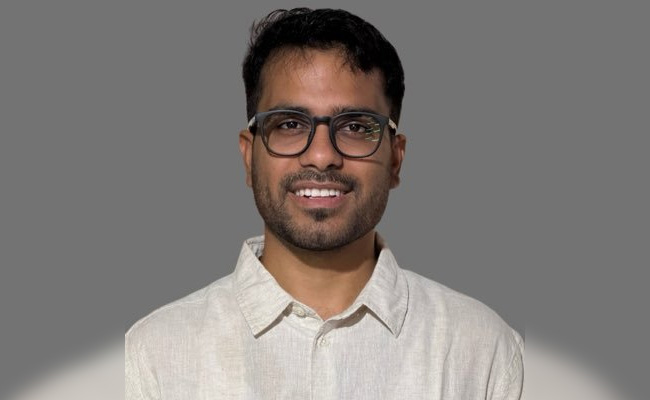
Panaji (PTI): A court in Goa on Saturday granted bail to right-wing speaker Gautam Khattar, who was arrested after he allegedly made derogatory comments against St Francis Xavier.
Judicial Magistrate First Class, Vasco, granted regular bail to Khattar, currently admitted to Goa Medical College and Hospital at Bambolim for treatment of chest pain after he was shifted from the District Hospital in Mapusa two days back.
A row erupted after a video of remarks by Khattar, the founder of Sanatan Mahasangh, at an event on April 18 in the presence of Swami Brahmeshanand, State Transport Minister Mauvin Godinho and BJP MLAs Sankulp Amonkar and Daji (Krishna) Salkar, went viral.
St Francis Xavier is revered as the patron saint of Goa.
The controversial remarks led to the Vasco Police registering an FIR against Khattar on charges of hurting religious sentiments and creating enmity between groups.
He was detained in Kullu, Himachal Pradesh, by local police. His custody was later handed over to the Goa Crime Branch, according to officials.