Gold scales new peak of Rs 1.4 lakh/10g in Delhi markets as global prices hit records
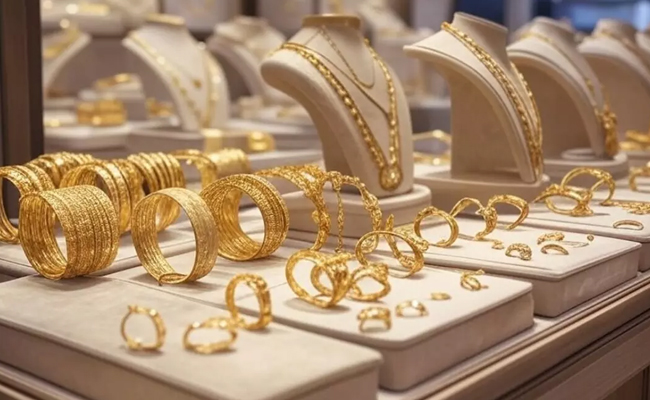
New Delhi (PTI): Gold prices stayed in ascending order for the second straight day, climbing Rs 2,650 to a fresh peak of Rs 1,40,850 per 10 grams in the national capital on Tuesday, tracking robust trends in the global markets, according to the All India Sarafa Association.
The precious metal of 99.9 per cent purity closed at Rs 1,38,200 per 10 grams on Monday.
So far this year, gold prices in the domestic market have jumped by Rs 61,900, or 78.40 per cent, from Rs 78,950 per 10 grams recorded on December 31, 2024.
Silver also rallied for the second consecutive day, surging Rs 2,750 to touch a record of Rs 2,17,250 per kilogram (inclusive of all taxes). In the previous session, the white metal settled at Rs 2,14,500 per kg after registering a sharp rise of Rs 10,400 per kg.
"An unprecedented rally continues in bullion, with spot gold nearing another milestone at the USD 4,500 mark.
"The latest round of rallies is driven by expectations that the Federal Reserve will deliver more than one rate cut in 2026, alongside rising geopolitical tensions that are strengthening the safe-haven appeal of gold and silver," Saumil Gandhi, Senior Analyst - Commodities at HDFC Securities, said.
During the calendar year, silver prices have added Rs 1,27,550, or 142.2 per cent, from Rs 89,700 per kilogram recorded on December 31, 2024.
On Tuesday, spot gold increased by USD 54.3, or 1.22 per cent, to hit a record of USD 4,498 per ounce in the international markets.
"Gold has extended its sharp rally to almost USD 4,500 per ounce on geopolitical jitters and weaker dollar as markets expect the Federal Reserve to cut rates more than two times next year," Praveen Singh, Research Analyst, Mirae Asset ShareKhan, said.
During the calendar year, spot gold prices have surged by USD 1,892.23, or 72.62 per cent, from USD 2,605.77 per ounce, recorded on December 31, 2024.
Meanwhile, spot silver rose 1.4 per cent to breach the USD 70-per-ounce mark for the first time in the overseas trade. So far this year, silver prices have soared by USD 41.03, or 141.62 per cent, from USD 28.97 per ounce, recorded on December 31, 2024.
"Investors will now turn their attention towards the second estimate of third-quarter US GDP data, which is due later in the day and might provide clues into the health of the US economy and the future course of Federal Reserve's monetary policy outlook," Renisha Chainani, Head - Research at Augmont, said.
Let the Truth be known. If you read VB and like VB, please be a VB Supporter and Help us deliver the Truth to one and all.
Sengottaiyan secures historic 10th victory in Gobichettipalayam assembly constituency
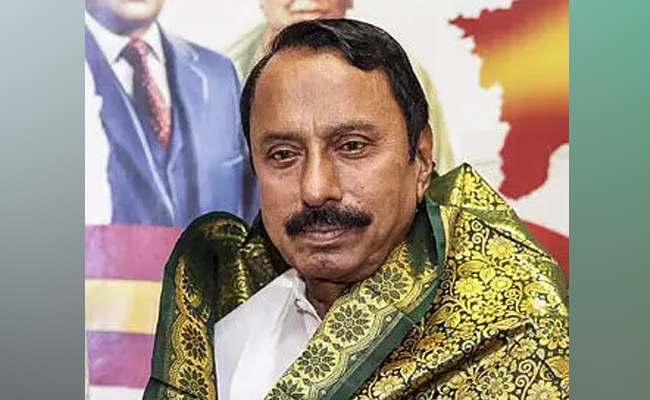
Gobichettipalayam (Tamil Nadu) (PTI): In a historic 10th win, veteran leader K A Sengottaiyan clinched the Gobichettipalayam seat in the 2026 Assembly elections.
Contesting for the first time under actor Vijay’s TVK, the 78-year-old secured approximately 71,380 votes, defeating DMK’s N Nallasivam by a margin of nearly 13,000 votes.
This win marks Sengottaiyan’s 10th consecutive victory in the constituency, cementing his status as an immovable force in the region despite his high-profile exit from the AIADMK in late 2025.
His success was a cornerstone for the TVK, which emerged as a formidable force across the state. Supporters celebrated the win as a testament to Sengottaiyan’s personal influence, which successfully transitioned from his former Dravidian home to the newly formed TVK.