India should allow ethanol import, say experts at US summit

New Delhi, July 2: India should allow ethanol imports to increase its refineries' "efficiency and profitability", delegates at an ethanol summit in the US said on Monday.
"Importing ethanol would allow Indian ethanol refineries to increase efficiency and profitability, as these plants currently operate at only 60 to 70 per cent capacity," said the US Grains Council (USGC), Growth Energy and the Renewable Fuels Association (RFA).
The Ethanol Summit of the Asia Pacific (ESTAP) was attended by a high-level Indian delegation comprising MPs, biofuel and energy experts, and senior officials apart from officials from other countries, said a statement here.
According to experts at the summit, allowing ethanol imports assures investors of the government's commitment to their blending mandate, hence increasing the potential for expanded domestic and foreign investment, improved infrastructure and expanded overall capacity.
Stressing the importance of national ethanol policies, USGC President Deb Keller outlined how policies with a role for trade would allow governments to encourage domestic ethanol production and enable countries to meet blend mandate goals.
"Such policies support domestic feedstock industries like sugarcane and provide consistent access to the supply of fuel ethanol," she said.
The USGC, Keller said, is working with governments to develop ethanol policies that are sticky, meaning the policies establish industries that remain constant despite nominal changes, in addition to increasing global ethanol use.
Ethanol use can replace harmful components in the fuel supply, help reduce greenhouse gas emissions and decrease the detrimental effects aromatics and other tailpipe emissions have on lung health and other human health factors.
"In India, the Council will keep demonstrating how increased use of ethanol is a win-win scenario to help India's economic and environmental goals stick and provide new opportunities for US ethanol," the USGC President said.
According to the statement, the Indian delegation's presence at the summit has brought home importance of trade in global ethanol policies as they got a first-hand experience of ethanol ecosystem in the US where they interacted with farmers and visited ethanol plants.
"The US visit of Indian experts gathers importance as the Indian government recently notified its new Biofuel Policy - National Policy on Biofuels 2018 - which offers several promotional provisions and incentives. However, it deviates from its earlier stand on imports," it said.
According to the policy, "indigenous production of biofuels will be encouraged by a set of practical and judicious incentives". It also emphasizes on the growth of domestic biofuel industry, going on to categorically mention that "allowing import will adversely affect domestic biofuels and hence, import will not be allowed".
Kalikesh Singh Deo, a member of the parliamentary panel on petroleum, said: "India does have a national ethanol blending mandate in place at E10 with goals of reaching E20."
"However, a restriction on importing ethanol has resulted in a national effective blend rate at only 2.2 per cent.
"Under this policy, the US or any other country cannot export ethanol to India for fuel use, only for industrial use," said Deo, who went for the summit.
Let the Truth be known. If you read VB and like VB, please be a VB Supporter and Help us deliver the Truth to one and all.
Yenepoya University conducts autism awareness campaign in Mangaluru
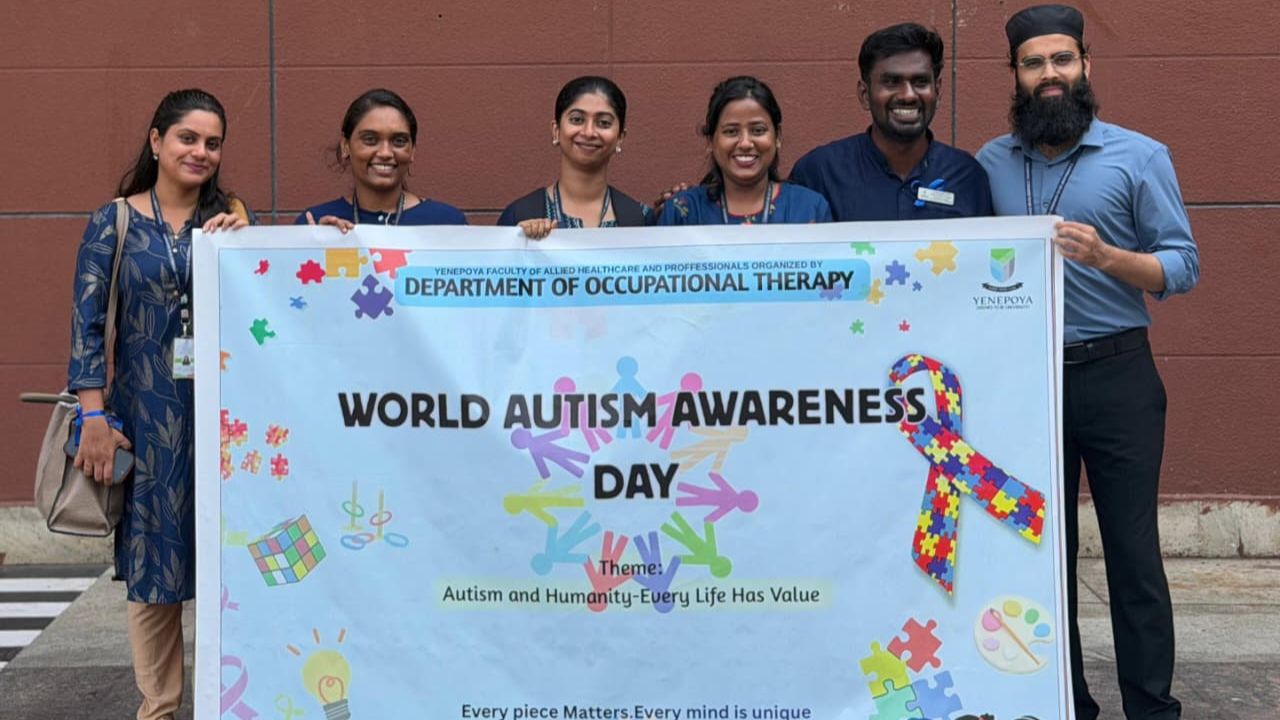
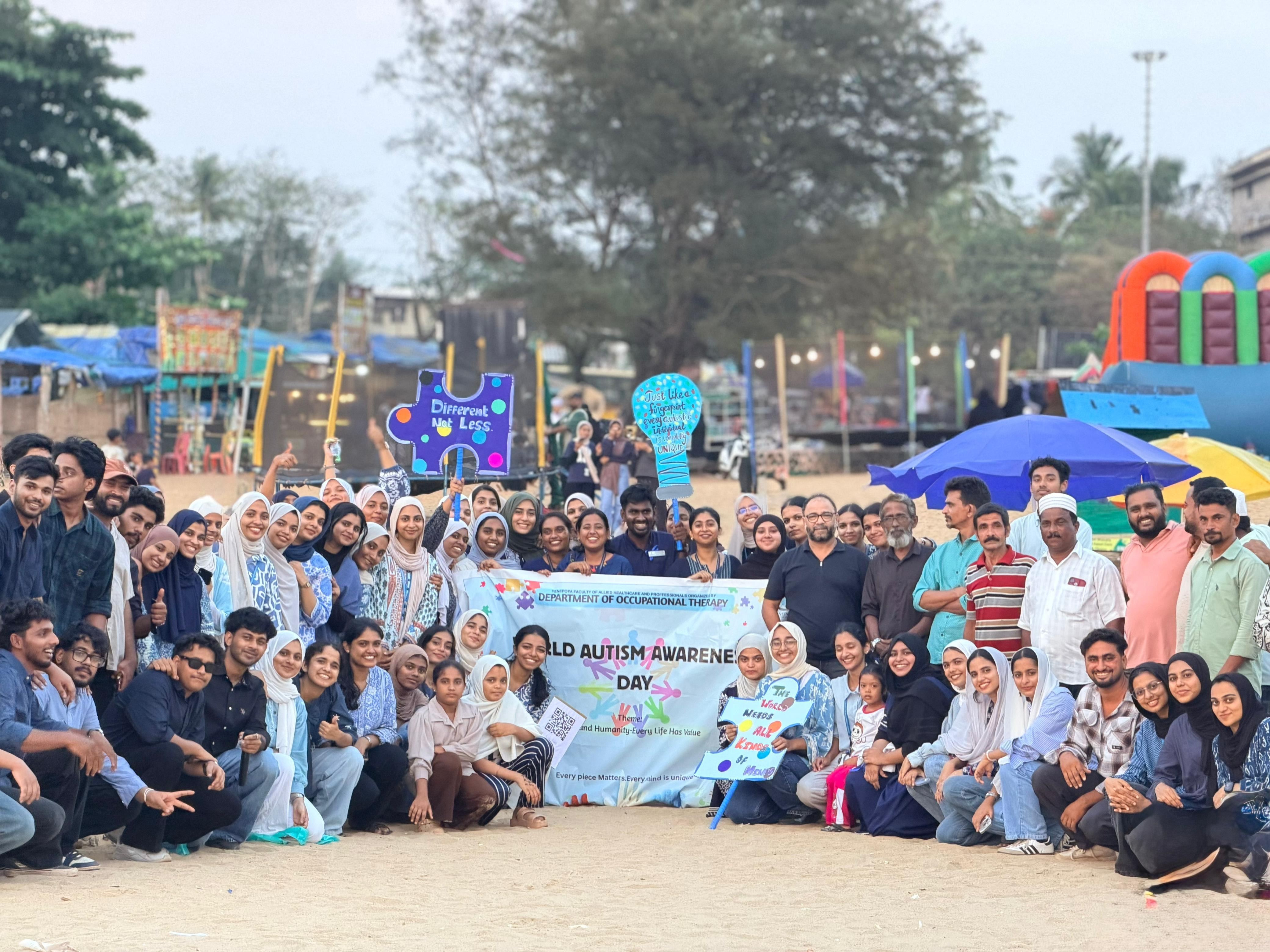
Mangaluru: The Department of Occupational Therapy at Yenepoya (Deemed to be University) conducted a community-based Autism Awareness Campaign at Fiza Mall and Ullal Beach in the city.
The campaign was aimed at promoting awareness, inclusion, and early identification of autism, in line with the global theme, “Autism and Humanity – Every Life Has Value.”
The programme was led by Dr. Dhayanithi K and Dr. Ananya Jana as organising chairpersons, with Dr. Anas, Dr. Amanda S. Phillip, and Dr. Ansu V. David served as organising members.
Students of the Bachelor of Occupational Therapy (BOT) programme participated in conducting the campaign.
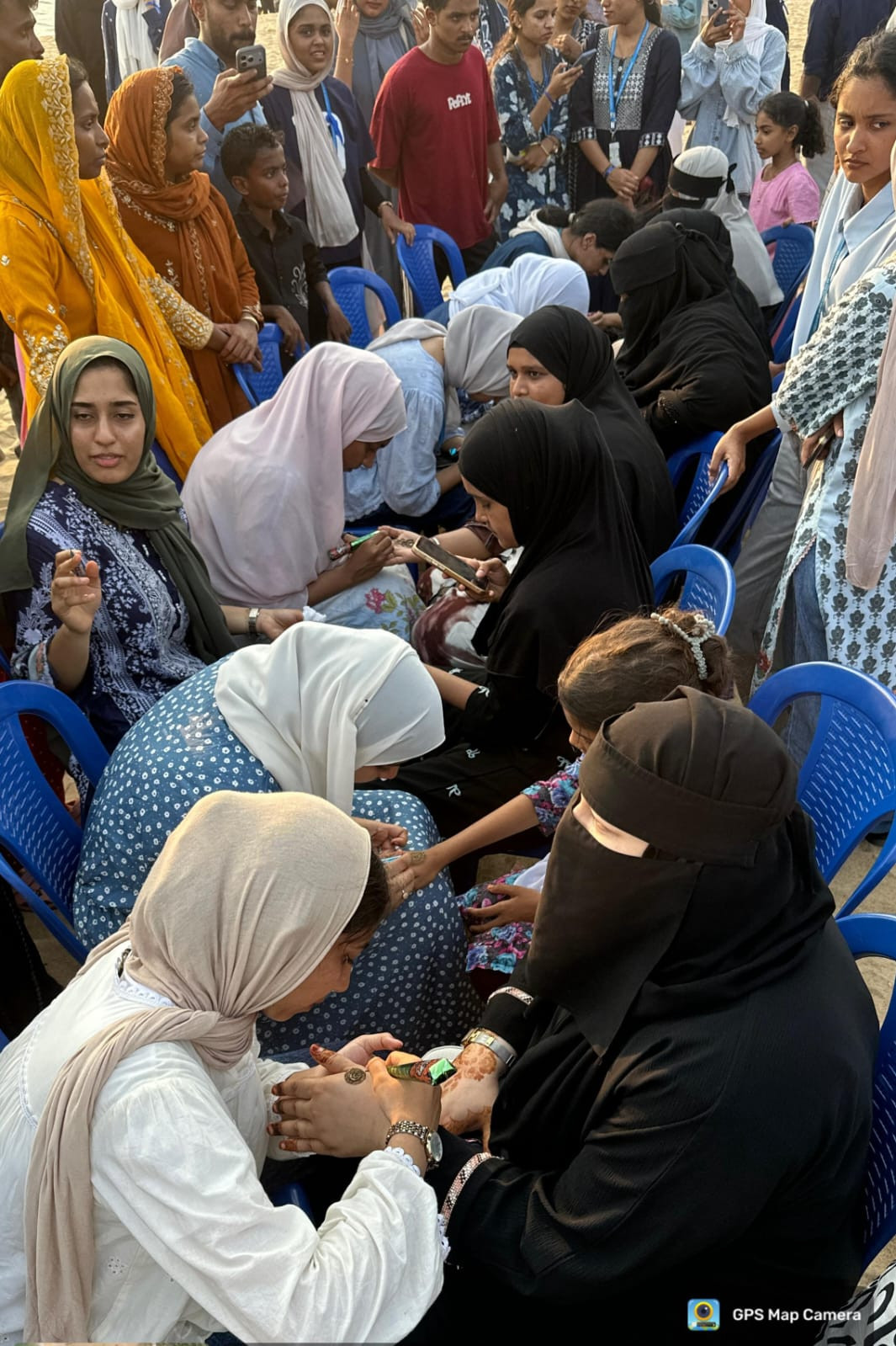
The event included activities such as flash mobs, street plays, face painting, mehendi, and direct interaction with the public.
These activities focused on highlighting early signs of autism, the need for early intervention, and the importance of inclusion and acceptance of individuals with autism.
The campaign reached around 300 to 500 members of the public. It also provided students with practical exposure to community-based rehabilitation and public health education.
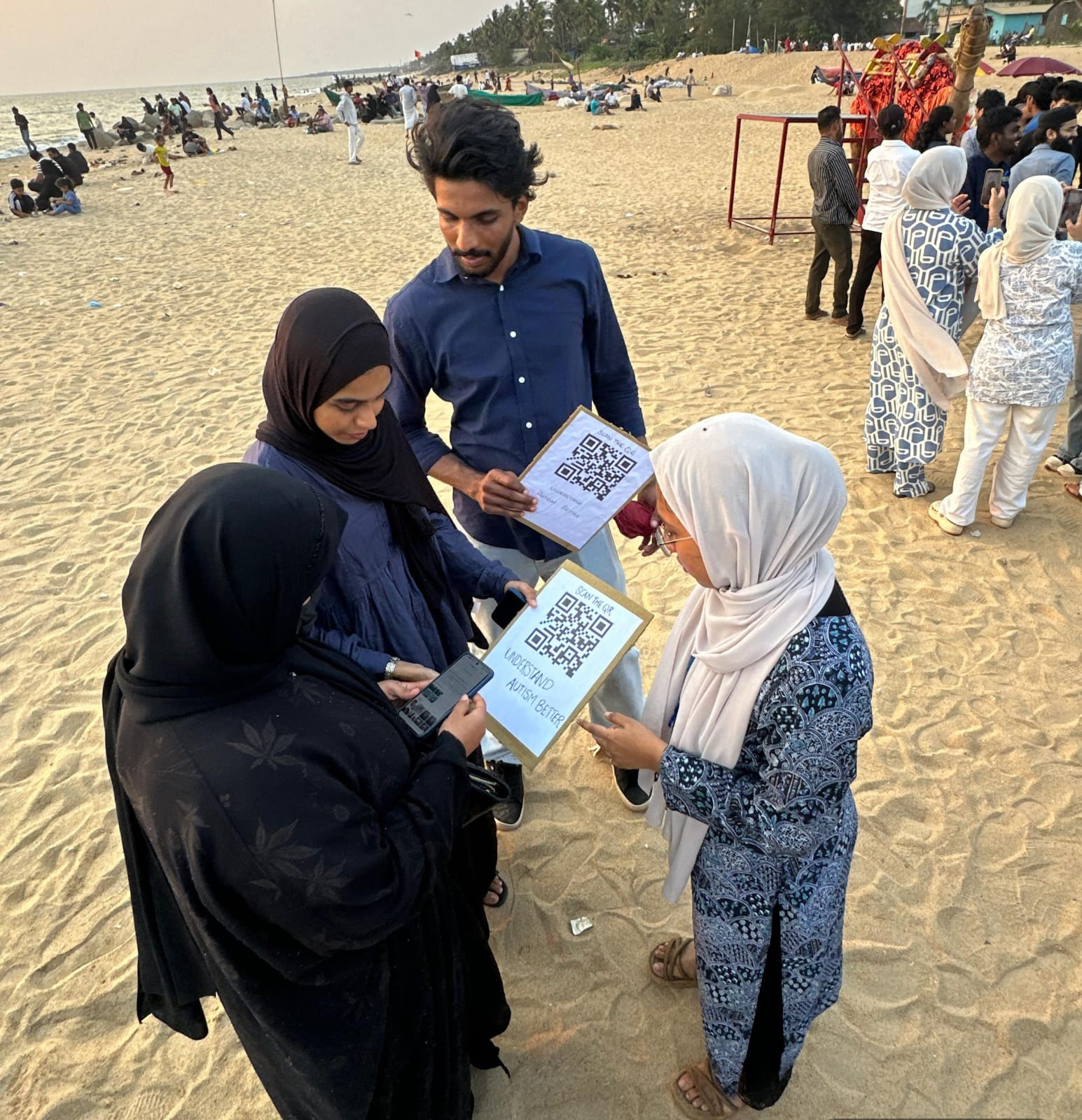
As part of the initiative, QR-based digital resources were introduced to help the public access reliable information on autism.
“Awareness is the first step towards inclusion, and early intervention can significantly improve outcomes,” the organising team said.
The department thanked the university for its support in organising the campaign. It also acknowledged the cooperation of the management of Fiza Mall and the Ullal Beach Police Department in facilitating the event.