Nikesh Arora named CEO of Palo Alto Networks
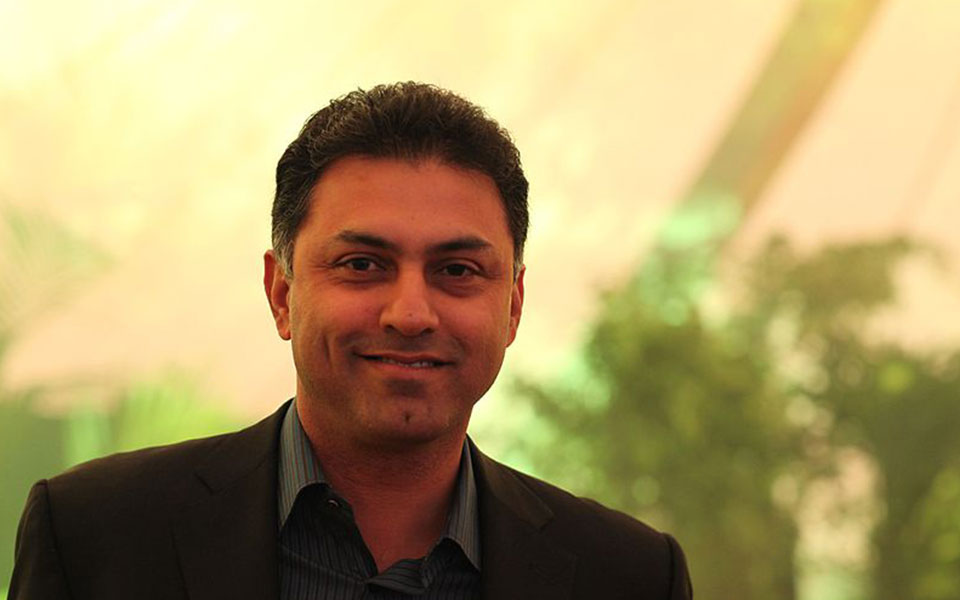
San Francisco, June 3: Former Chief Business Officer at Google, Nikesh Arora has been named the CEO and Chairman of the US-based security firm Palo Alto Networks.
After leaving Google in mid-2014, the high-profile executive became president of SoftBank and was heir apparent to its charismatic founder Masayoshi Son. But Arora left two years later amid some controversy, recode.net reported on Friday.
Arora has replaced Mark McLaughlin, who will now serve the cybersecurity company as Vice Chairman.
Arora said that while he had long wanted to become a CEO, he would be working closely with McLaughlin and also co-founder and CTO Nir Zuk, the report said.
"I may not have a background in security, but with my background as an engineer, I can sit down with Zuk to help guide the next generation of products we can offer," recode.net quoted Arora as saying.
McLaughlin said that the decade-old Palo Alto Networks now serves 50,000 companies globally and has 5,000 employees.
Let the Truth be known. If you read VB and like VB, please be a VB Supporter and Help us deliver the Truth to one and all.
UP Cong chief Ajay Rai hospitalised after fainting, stable
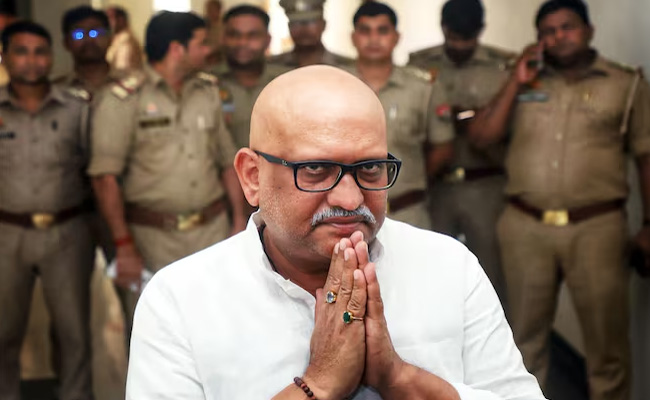
Lucknow (PTI): Uttar Pradesh Congress president Ajay Rai was hospitalised here after he fell unconscious due to low sodium levels, party leaders said on Saturday.
They said he was admitted to Medanta Hospital on Friday evening and is stable.
"Ajay Rai was admitted to Medanta Hospital in Lucknow at around 6 pm on Friday after he fell unconscious as his sodium levels had dropped. He fell unconscious at his residence in Lucknow. For the entire day, he was engaged in party programmes and had also gone to the airport," Uttar Pradesh Congress spokesperson Anshu Awasthi told PTI.
Congress in-charge of Uttar Pradesh Avinash Pande told PTI, "Now, he (Ajay Rai) is stable and I am also reaching Lucknow."
Medanta Hospital Director Dr Rakesh Kapoor told PTI that Rai collapsed at his home on Friday evening and was subsequently admitted to the hospital's emergency ward.
Medical examinations revealed that Rai was suffering from a sodium deficiency and elevated blood pressure. Doctors administered immediate treatment and he is doing significantly better now, Kapoor said.
A team of doctors is monitoring his health. Rai is conversing with others and his condition is stable, he added.
In a post on X late Friday night, Prime Minister Narendra Modi wished Rai a speedy recovery.
Rai hails from Varanasi and had contested the 2024 Lok Sabha elections against Modi from the parliamentary constituency. The Congress appointed him as the Uttar Pradesh unit chief in 2023.