Over 80% CEOs expect 2018-19 growth to be higher than 7%: CII Poll
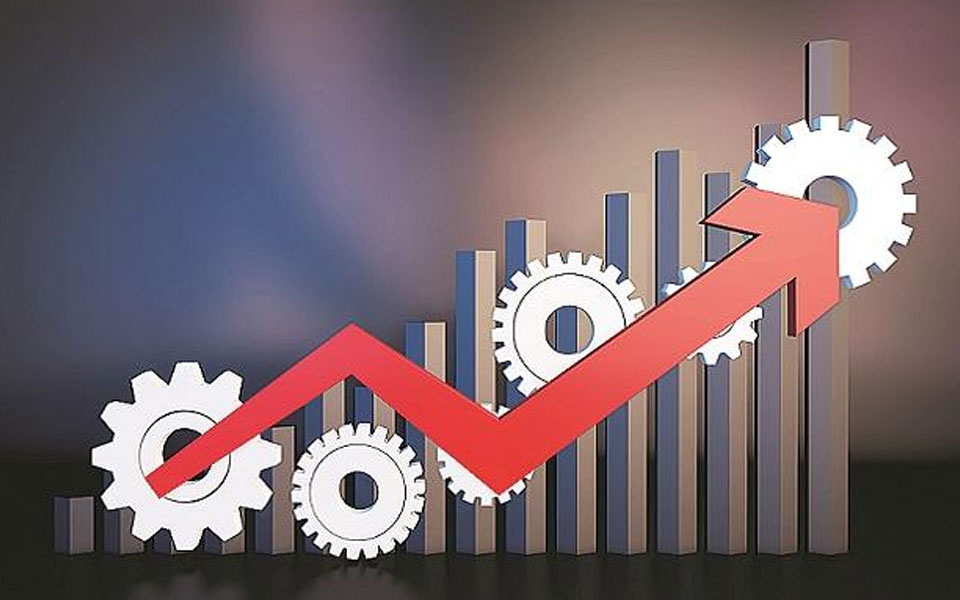
Mumbai, June 11: Industry body Confederation of Indian Industry's (CII) "CEOs opinion poll" on Monday showed that 82 per cent of the chief executives expect GDP growth to be higher than seven per cent for 2018-19.
As per the poll data, out of the 82 per cent, 10 per cent of CEOs expect the growth rate to even go above 7.5 per cent.
Besides, 92 per cent of CEOs polled expect further increase in consumption demand during 2018-19.
On private investment, the data disclosed that 60 per cent of CEOs believe that it will increase during the coming year.
In terms of employment generation, 56 per cent of the CEOs polled expect jobs to increase during 2018-19 and just 18 per cent believe that it will be maintained at the current levels.
According to the industry body, positive sentiments on the Indian economy were "universally expressed" at a meeting of its National Council (NC) held in Pune on June 4, and attended by more than 80 senior corporate leaders.
The "CEOs opinion poll" was held during the CII meeting.
"The economy is in a sweet spot right now as the adjustment process regarding major reforms of the past few years is largely stabilised and industry is ready for a fresh phase of investment while capacity utilisation builds up," CII President Rakesh Bharti Mittal was quoted as saying in a statement.
"Industry is looking forward to GDP growth rate picking up to close to eight per cent over the next couple of years. Fiscal prudence, able macroeconomic management, and strong reforms process have set a sound foundation for growth."
"Exports registered 10 per cent growth over 2017-18 as the global economy is recovering and we expect the momentum to pick over the current year. Going forward, we must leverage stronger overseas demand and shifting global value chains through trade facilitation and competitive products."
Additionally, the CII NC meeting lauded the landmark policy of "Fixed Term Employment" which has recently been extended to all sectors.
Sector-wise, the overall opinion of CII members on the manufacturing sector was that "demand is healthy, although input costs are rising".
Mittal said: "Most manufacturing sectors are firing up now, with automotives, FMCG, electronics and chemicals leading the way. Rural demand can be expected to remain resurgent on the back of normal monsoons as forecast, while public spending on infrastructure is boosting prospects for capital goods and downstream sectors."
Regarding the infrastructure sector, CEOs stated that there is a "discernible pick-up" now as compared to a few years ago.
Let the Truth be known. If you read VB and like VB, please be a VB Supporter and Help us deliver the Truth to one and all.
West Asia: India supplied 22,000 MT of high-speed diesel to Bangladesh in March, says MEA
New Delhi (PTI): Amid the ongoing West Asia conflict, India has supplied 22,000 metric tonnes of high-speed diesel to Bangladesh in March and has received a request from Seychelles and the Maldives to meet their energy requirements, the MEA said on Friday.
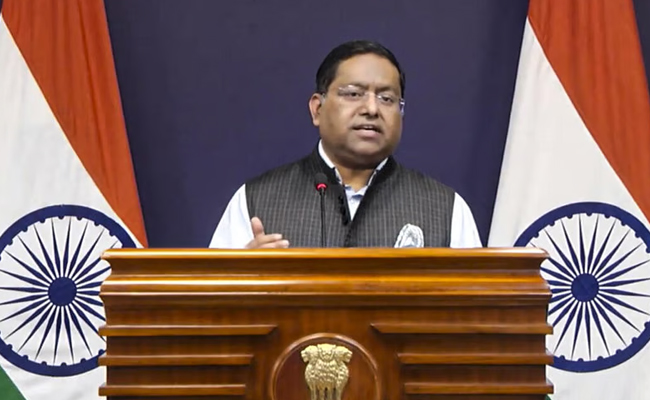
At his weekly briefing, Ministry of External Affairs (MEA) spokesperson Randhir Jaiswal in his response to a query related to requests received from India's neighbouring countries for fuel amid the West Asia situation, also said that India is "finalising a government-to-government agreement" for the supply of oil and gas, which will play an important role in reinforcing energy security of Mauritius.
The conflict in West Asia has now stretched to nearly 50 days, with global ramifications.
"So, we have received requests from our neighbouring countries for supply of fuel, and these are being looked into, keeping in mind our own requirements, availability and refining capacity," Jaiswal told reporters.
He further said India has "supplied 22,000 metric tonnes of high-speed diesel to Bangladesh in March 2026, and further supplies have continued this month as well".
"You would recall that last month we had supplied 38 metric tonnes of petroleum products to Sri Lanka as well," he added.
External Affairs Minister S Jaishankar visited Mauritius last week, the MEA spokesperson said, adding, "We are finalising a government-to-government agreement for supply of oil and gas, which will play an important role in reinforcing the energy security of Mauritius".
As far as Nepal is concerned, there is an existing arrangement between Indian Oil Corporation and Nepal Oil Corporation to supply petroleum products to Nepal as per its requirements. The supplies are continuing without any interruption, he said.
Energy supplies to Bhutan also continue according to the existing arrangement.
"As I had mentioned earlier, we have received a request from Seychelles and the Maldives to meet their energy requirements. We continue to be in touch with them in this regard, and are considering the request keeping in mind our own domestic requirements and availability of fuel.
"I would also like to add that our neighbouring country governments have expressed appreciation for the uninterrupted supply, fuel supply to them during the West Asian conflict," Jaiswal said.
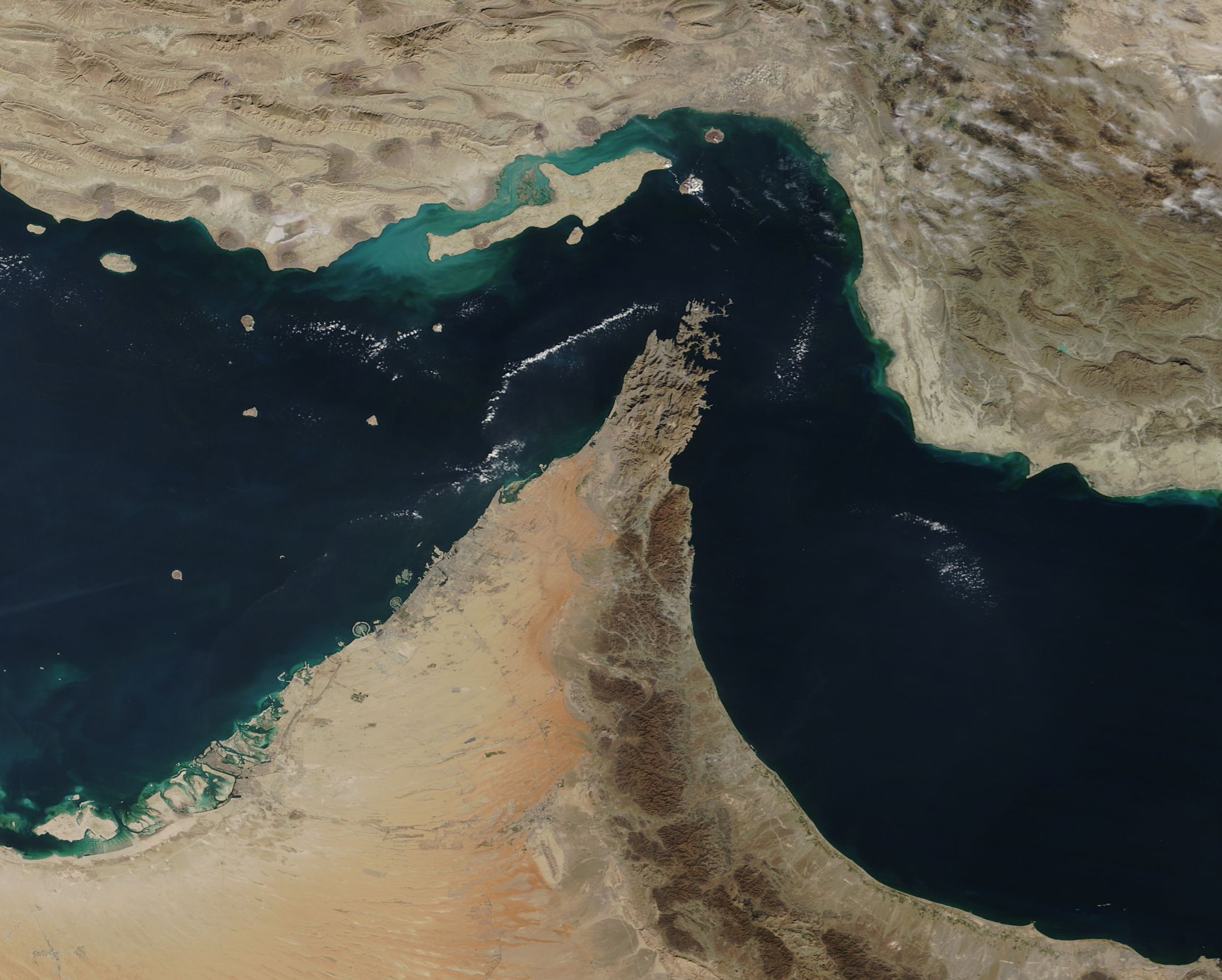
Global oil and gas prices surged after Iran restricted the transit of ships through the Strait of Hormuz, a narrow lane between the Persian Gulf and the Gulf of Oman that handles roughly 20 per cent of global oil and LNG trade.
_vb_59.jpeg)