Tata Steel confirms job cuts of up to 3,000 across European operations
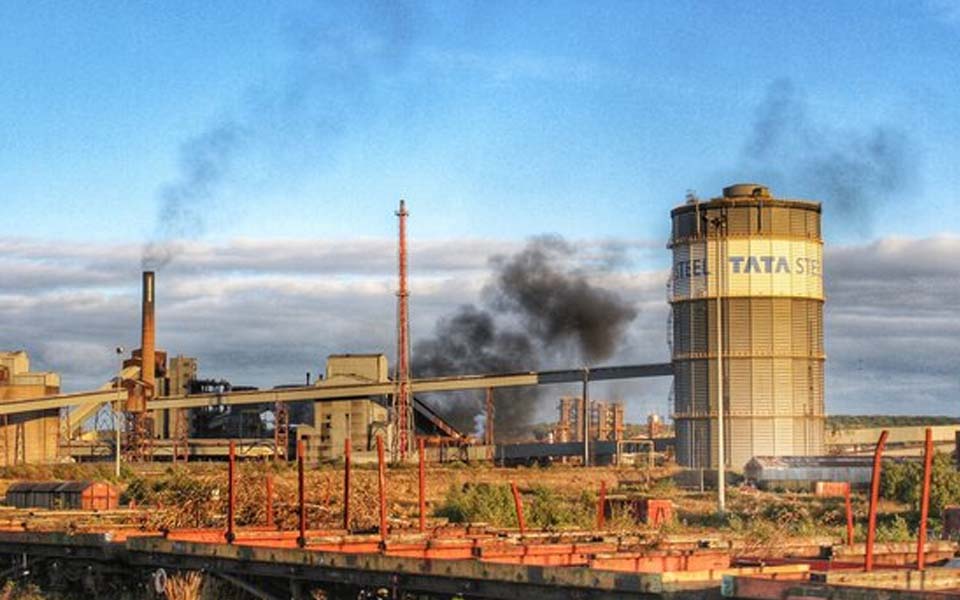
London, Nov 19: Tata Steel has confirmed cuts of up to 3,000 jobs across its European operations as part of a wider restructuring and cost-cutting strategy to counter stagnant steel demand in Europe and global overcapacity.
The Indian steel giant said it plans to lower employment costs with the "estimated reduction" in employee numbers, about two-thirds of which are expected to be office-based white-collar roles a majority expected at its Netherlands unit.
"The information shared with the European Works Council select committee lays out the case for change, explains our transformation programme and gives a first overview of the organisational impact," a company statement said.
"A transformation is needed to mitigate the current structural and cyclical headwinds and create the foundation for the company's future success. Stagnant EU steel demand and global overcapacity have been compounded by trade conflicts which have turned the European market into a dumping ground for the world's excess steel capacity," it noted.
Through its proposed transformation programme, Tata Steel Europe said it is initially targeting a positive cash flow by the end of its financial year ending March 2021. It is also aiming for an EBITDA margin of around 10 per cent throughout the market cycle.
"We intend to align on our approach and the process going forward and engage with various stakeholders to develop the proposed decisions and ensure compliance with all European and national obligations. Further details will be provided from this point forward and detailed proposals will be developed from here," the company statement added.
The steel major, one of Europe's leading steel producers, said the changes were needed to ensure the business can thrive despite severe market headwinds and also accelerate innovation towards carbon-neutral steelmaking.
"Today we are highlighting important proposals towards building a financially strong and sustainable European business," said Henrik Adam, CEO of Tata Steel in Europe, in a statement on Monday.
"We plan to change how we work together to enable better cooperation and faster decision-making. This will help us become self-sustaining and cash positive in the face of unprecedented severe market conditions, enabling us to lead the way towards a carbon-neutral future," he said.
The programme is focused on four areas to improve financial performance increasing sales of higher-value steels by improving product mix and customer focus; efficiency gains by optimising production processes, supported by the application of big data and advanced analytics; lowering employment costs; and reduction of procurement costs through smarter sourcing and strengthening cooperation with companies within the Tata Steel group.
The latest move comes a few months after Tata Steel Europe announced plans to close two UK operations with the loss of 400 jobs, after it failed to sell off its loss-making Orb Electrical Steels business in Newport, South Wales.
Tata Steel's struggles with its European operations follow a European Union (EU) ruling to deny its joint venture plans with German giant ThyssenKrupp on anti-competitive grounds.
The company said its quest for improved earnings and cash flows would help make it a financially self-sustaining business able to invest in asset reliability and improvements while also servicing its financial obligations to its lenders and shareholders.
According to the latest figures, in the first six months of its current financial year starting April 2019, Tata Steel Europe reported a drop of 90 per cent in EBITDA to 31 million pounds and revenue stood at 3.25 billion pounds.
Tata Steel has steelmaking operations in the Netherlands and the UK, and manufacturing plants across Europe for the supply of high-quality steel products to the most demanding markets, including construction and infrastructure, automotive, packaging and engineering.
Let the Truth be known. If you read VB and like VB, please be a VB Supporter and Help us deliver the Truth to one and all.
What is Iran’s 10-point plan? Key demands ahead of US talks in Islamabad
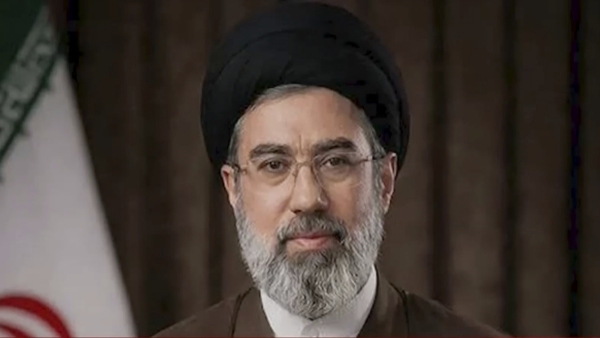
Tehran/Islamabad: Iran has outlined a 10-point plan as the basis for upcoming talks with the United States, expected to begin in Islamabad on April 11, according to a statement from the Iranian Supreme National Security Council.
The plan lays out Tehran’s key political, military and economic demands, and is being seen as a framework for negotiations following the recent escalation in the region.
Strait of Hormuz at the centre
A major focus of the plan is the Strait of Hormuz, a critical global shipping route. Iran has proposed “controlled passage through the Strait of Hormuz in coordination with the Iranian armed forces,” which it says would give the country a unique economic and geopolitical position.
The plan also calls for the “establishment of a safe transit protocol” in the Strait that would guarantee Iran’s dominance under an agreed mechanism.
Call to end conflict
Iran has demanded “the necessity of ending the war against all elements of the axis of resistance,” signalling its expectation that hostilities should stop not only in Iran but also involving allied groups in the region.
US troop withdrawal
Another key demand is the “withdrawal of US combat forces from all bases and deployment points in the region,” indicating Tehran’s long-standing position against American military presence in West Asia.
Sanctions relief and compensation
The plan places strong emphasis on economic measures. It calls for “full payment of Iran’s damages according to estimates,” along with “the lifting of all primary and secondary sanctions and resolutions of the Board of Governors and the Security Council.”
It also seeks “the release of all Iranian assets and properties frozen abroad,” which have been a major point of contention for years.
Binding global guarantee
Finally, Iran has demanded that all these terms be formally recognised through “a binding Security Council resolution,” suggesting it wants international legal backing to ensure enforcement.
What this means
The 10-point plan reflects Iran’s broader push for security guarantees, economic relief and regional influence. The upcoming talks in Islamabad are expected to test how far both sides are willing to negotiate on these demands.