TCS net up 23.5%, revenue up 15.8% in Q1
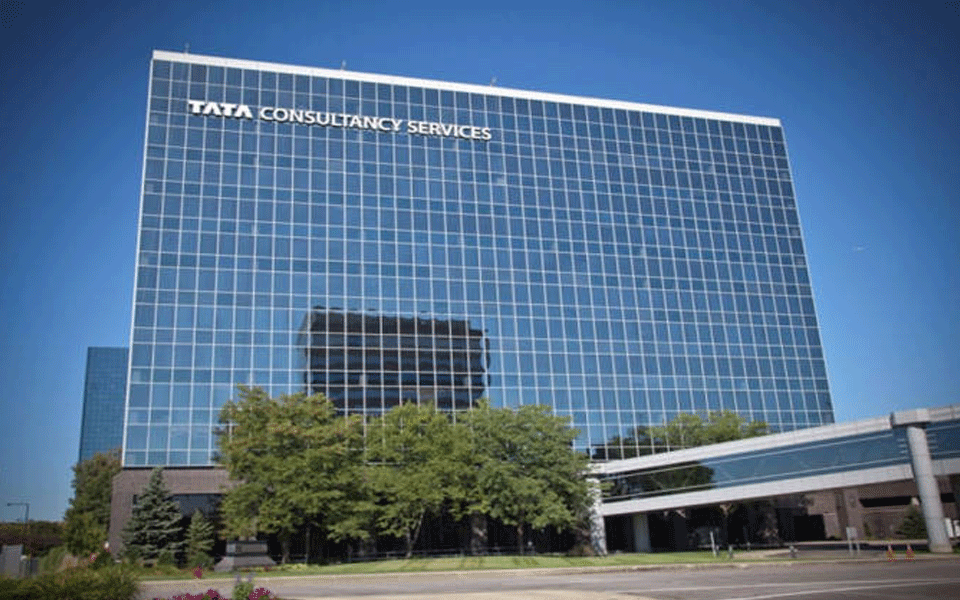
Mumbai, July 10: Global software major Tata Consultancy Services (TCS) on Tuesday reported Rs 7,340 crore consolidated net profit for the first quarter of fiscal 2018-19, registering 23.5 per cent annual and 6.3 per cent sequential growth.
In a regulatory filing on the BSE, the city-based IT firm said consolidated revenue for the quarter (Q1) under review grew 15.8 per cent annually and 6.8 per cent quarterly to Rs 34,261 crore.
Under the International Financial Reporting Standard, net income grew 17.2 per cent year-on-year to $1.1 billion and revenue 10 per cent to $5.1 billion for the first quarter.
"Revenue from North America market grew highest in the last 12 quarters or three years by 7 per cent annually and 3.7 per cent quarterly on recover from banking, financial services and insurance (BFSI) and retail," said TCS in a statement here.
Operating margin remained flat at 25 per cent as in the previous quarter (25.4 per cent).
"Digital business contributed 25 per cent to the overall revenue and grew a whopping 44.8 per cent YoY," it added.
The company added 2 new clients in $100 million billing rate and 13 clients in $5 million band sequentially.
"We have started the new fiscal year on a strong note, with the growth engine firing on all cylinders. We had good wins, a robust pipeline and accelerating digital demand," said TCS Chief Executive Rajesh Gopinathan in the statement.
Noting that customers across verticals and markets were embracing the company's Business 4.0 thought-leadership framework, he said contextual knowledge, full spectrum capabilities and investments in research and innovation were making TCS their preferred partner for growth and transformation initiatives.
TCS Chief Operating Officer N. Ganapathy Subramaniam said the year's first quarter was excellent due to growth across segments and client additions.
"We are seeing strong demand in cloud transformation, cyber-security, data privacy and automation. Our investments in Machine First Delivery Model and Location-independent Agile are giving customers business benefits and speed to market," he said.
TCS Chief Financial Officer V. Ramakrishnan said disciplined execution, accelerating growth and currency support helped the company mitigate the impact of wage increases during the quarter.
"A strong quarterly start gives us confidence in our ability to get our operating margin to our preferred range, while continuing to fund the digital investments," he said.
The company applied for 3,978 patents, including 62 during the quarter, and was granted 715.
Its headcount crossed the 4 lakh mark and touched 400,875 on consolidated basis. Women accounted for 35.6 per cent.
The IT services attrition rate fell 0.1 per cent to 10.9 per cent, while the total attrition rate, including business processing services fell to 11.7 per cent.
"We continue to invest in upgrading the skills of our employees while leveraging their contextual knowledge and domain experience," said Human Resources global head Ajoy Mukherjee.
The twin strategy has resulted in a dynamic workplace and a strong digital solutioning capability to deliver differentiated outcomes for its global customers.
The company's blue-scrip of Rupee 1 face value ended at Rs 1,877 per share at the end of Tuesday's trading on the BSE, losing Rs 10.65 from Monday's closing price of Rs 1,887.65 and opening at Rs 1,895.20.
The scrip also touched a high of Rs 1,900 and a low of Rs 1,872 during the intra-day trading session on the bourses.
Let the Truth be known. If you read VB and like VB, please be a VB Supporter and Help us deliver the Truth to one and all.
Yenepoya University conducts autism awareness campaign in Mangaluru
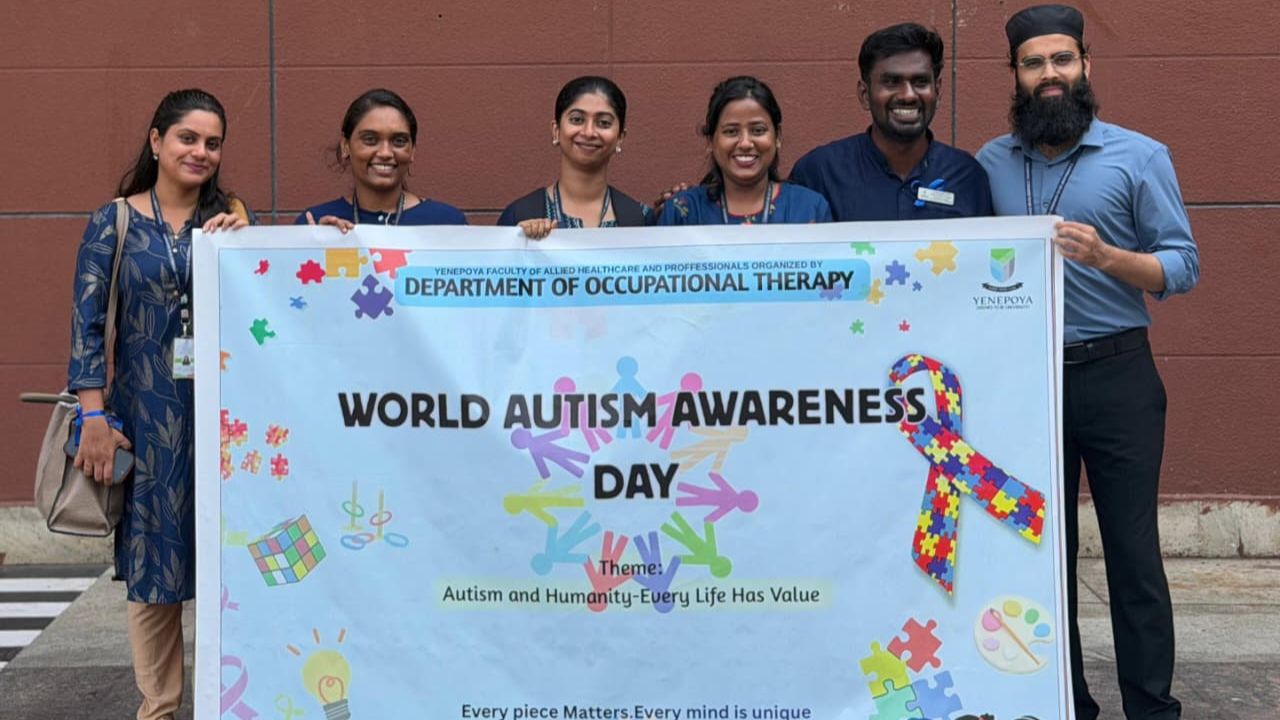
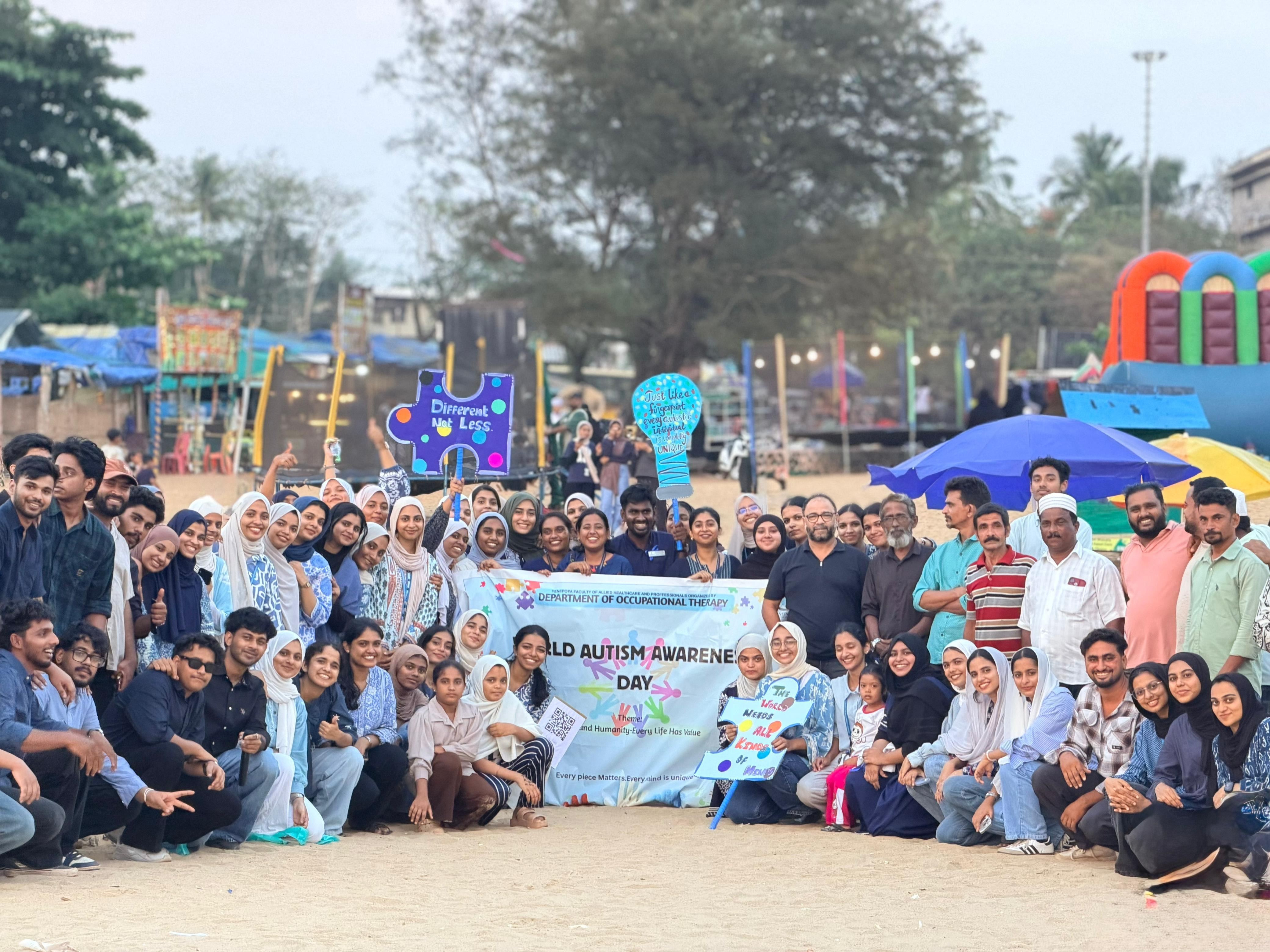
Mangaluru: The Department of Occupational Therapy at Yenepoya (Deemed to be University) conducted a community-based Autism Awareness Campaign at Fiza Mall and Ullal Beach in the city.
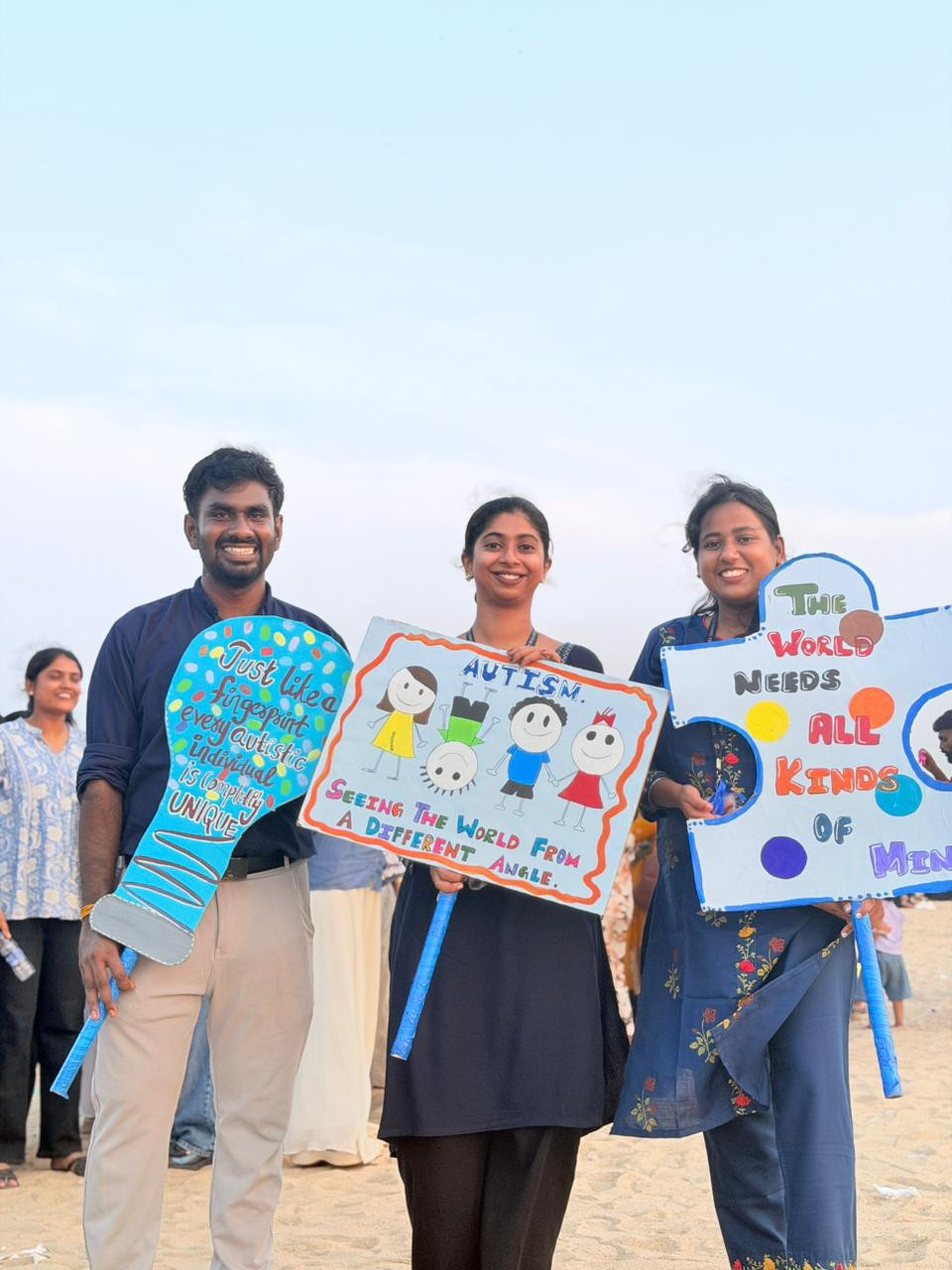
The campaign was aimed at promoting awareness, inclusion, and early identification of autism, in line with the global theme, “Autism and Humanity – Every Life Has Value.”
The programme was led by Dr. Dhayanithi K and Dr. Ananya Jana as organising chairpersons, with Dr. Anas, Dr. Amanda S. Phillip, and Dr. Ansu V. David served as organising members.
Students of the Bachelor of Occupational Therapy (BOT) programme participated in conducting the campaign.
The event included activities such as flash mobs, street plays, face painting, mehendi, and direct interaction with the public.
These activities focused on highlighting early signs of autism, the need for early intervention, and the importance of inclusion and acceptance of individuals with autism.
The campaign reached around 300 to 500 members of the public. It also provided students with practical exposure to community-based rehabilitation and public health education.
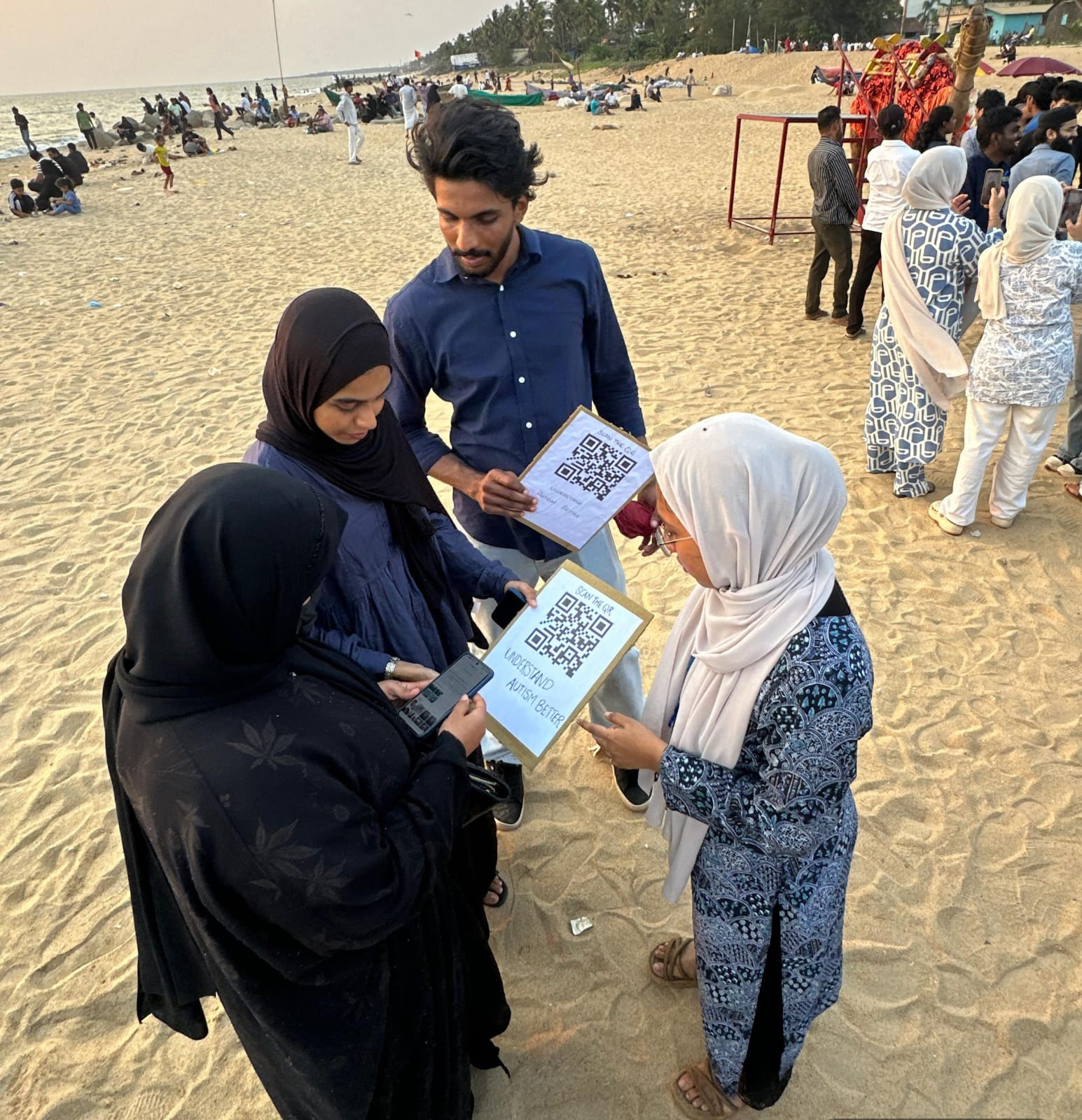
As part of the initiative, QR-based digital resources were introduced to help the public access reliable information on autism.
“Awareness is the first step towards inclusion, and early intervention can significantly improve outcomes,” the organising team said.
The department thanked the university for its support in organising the campaign. It also acknowledged the cooperation of the management of Fiza Mall and the Ullal Beach Police Department in facilitating the event.