Amritsar massacre: A self inflicted crime
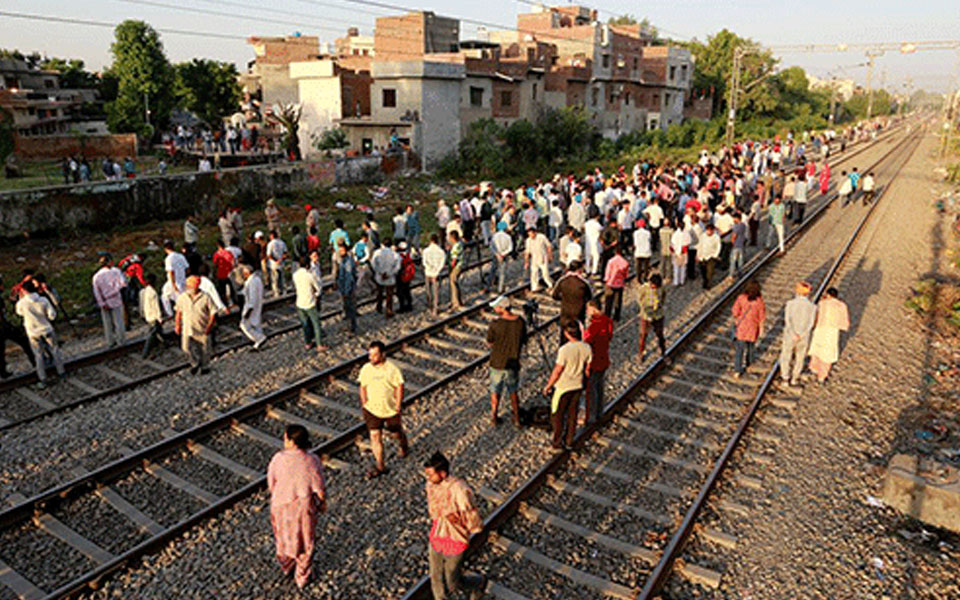
Amritsar witnessed many dead bodies in the name of Ramleela celebrations. Those who went to burn effigy of Ravana lie dead themselves. North India has a tradition of burning Ravan Refugee around Dasara. They burn Ravan's effigy to show the victory of good over evil. This practice has been on since many centuries. This is a celebration of Rama's triumph over Ravan. The whole event is called Ramleela. This Amritsar tragedy seems to show of we keep our evils and irresponsibilities alive, no Rama can save us and we cannot destroy any Ravan on the outside.
This incident also indicates the evil within us will burn us down by the same arrow we aimed and shot at it. A train ran over hundreds of people who had gathered near railway tracks to witness Ramleela. About 60 people died and many are lying injured in hospitals. Even the burning effigy of Ravan must have shed tears over this massive irresponsibility of people and organisers who had gathered around. Now after this ghastly incident, discussions are on about whose fault it was. Some hold the people responsible and some feel politicians are answerable for this.There are some who argue railway department was so callous regarding this event holding the train engine driver responsible.
India is the fourth country in the whole world to have biggest rail network spread across its length and breadth. At the same time, India is also home to many rail tragedies as well. In the last six years alone, more than 600 train accidents have taken place in the country. More than 60 accidents were owing to weak tracks or defects in the lines. Today the country holds lofty dreams of ‘bullet train’. This government has no responsibility towards the current rail system and strengthening it for better safety for the commuters.
The lack of basic infrastructure is affecting the railways much more than ever. This is the main contributing factor for accidents. While we talk about bullet train today we need to stop and think about the measures that make travelling by train a safe choice for common passengers. The government wants to run bullet trains to magnify its image. And it isn't saying much to the comfort of people who use the existing system everyday. Most of the train tracks and systems are from the time of Britishers. The railways isn't very enthused about fixing them. This is one of the main factors for derailment. Even the engine drivers are unable to take decisions on the face of an emergency. A very telling example of this is the train tragedy that occurred in 1981 on the bridge built across river Bagmati.
This is one of the most gruesome memory for railways. More than a thousand people died in this incident. Hundreds disappeared in the waters. The irresponsibility of the train driver is said to be the cause for this. Lack of broad platforms has also been claiming many lives annually. The same factors that contribute to road accidents apply to train tragedies too. Small incidents keep occuring on unmanned crossings across the railway network in the country. But looks like neither the people nor the railways have anything to learn from this. One thing is very clear in Amritsar tragedy. If the train had missed the track and toppled over people, the fault could have been entirely that of railways’.
But Ramleela celebrations were not organised by railways. One cannot expect the trains not to ply on tracks because of Ramleela celebrations. It is always an invitation to danger of events are held around the tracks. Even if the event is held, the organisers should ensure people do not gather on risky areas. To gather around train tracks itself is a violation of law. It is rather suicidal to stand on tracks to witness some celebration. The organisers have to take full responsibility of this loss of lives.
Another aspect to ponder about is to see whether the engine driver had any option of averting the danger. Even if he was given any signal there was hardly any chance for him to see it. Because the sound of crackers and the smoke emanating from the scene of celebration clouded his vision and ability to hear the commotion. Holding such events next to the track is the first mistake. If the train had caught fire going to all the crackers being burst in the scene the tragedy would have been a lot more bigger than what has happened now. Who would have taken responsibility for that? One cannot hold the railway department responsible for this in any manner. politicians who had participated in this event should have had some concern and responsibility to avert the tragedy.
Politicians have to advise district administration and other department people while holding mass events such as this and follow their orders regarding safety of the people. Since this was happening right next to the tracks, the departments could have held a joint meeting and arrived at the safety measures to be initiated to keep the event safe and memorable for the people who had gathered. district administration could have taken the lead on this matter since it is it’s pertinent duty. Amritsar tragedy is like a self inflicted injury more than being an accident. Everyone seems to have sponsored this massacre.
Let the Truth be known. If you read VB and like VB, please be a VB Supporter and Help us deliver the Truth to one and all.
Jharkhand: Elephant 'electrocuted' to death in forest
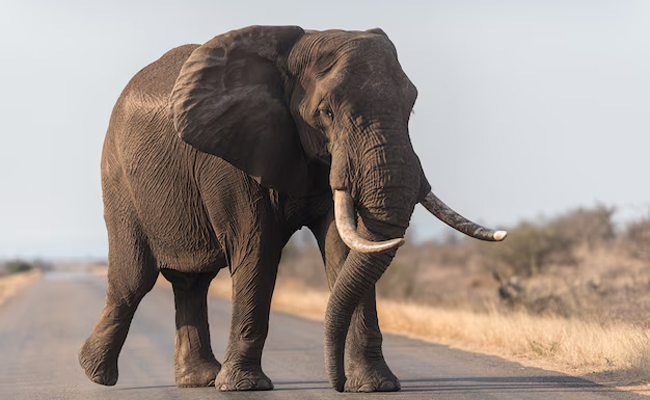
Seraikela (PTI): An elephant was allegedly electrocuted to death in a forest in Chandil Sub-Division of Jharkhand's Seraikela-Kharsawan district on Wednesday, an official said.
Seraikela Divisional Forest Officer (DFO), Saba Alam Ansari, told PTI that the 30-year-old tusker was found dead with electrical wires wrapped on its trunk.
“Villagers’ statement and the animal’s appearance suggest that it died due to electrocution after coming in contact with electric wires,” Ansari said.
"A forest department team along with local veterinarians conducted the post-mortem examination of the elephant at the spot," the DFO said.