Dalit activists thrust with Naxal tag
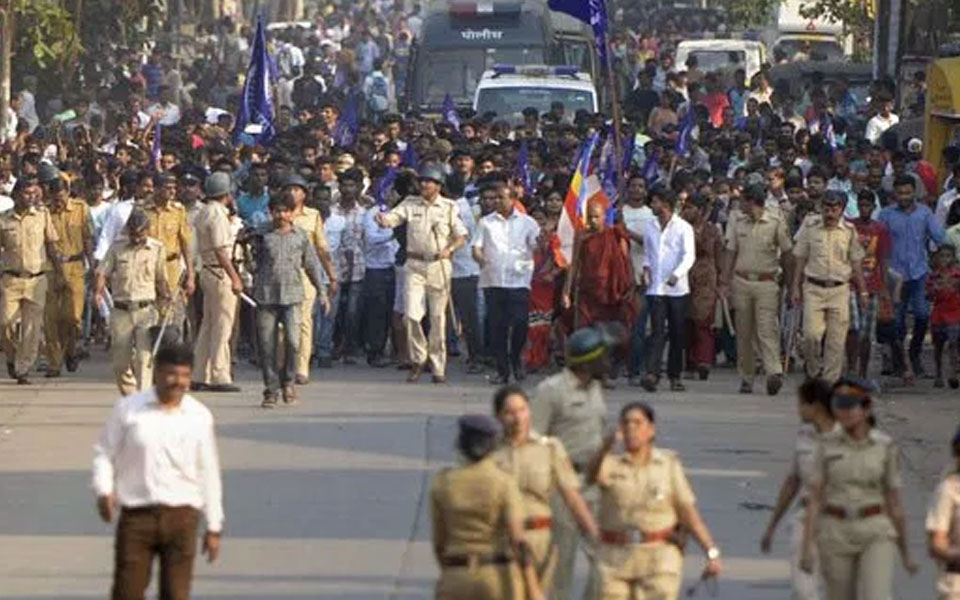
Government seems to have decided to make a organized effort on silencing the dalit movements in the country, especially after the stupendous response Koregaon and Una marches drew. Politicians are restless over the steam Dalit and minority movements are gathering. Chalo Una march finally gave a totally new MLA to the country in the form of Jignesh Mevani. This is probably sounding like a warning bell to the upper caste and class people. When Dalits took to streets opposing attempts to weaken the the act to protect dalits and minorities, police and upper class goondas tried silencing them forcefully, thus claiming lives of 10 dalits in the clashes that ensued.
Though police firing was ordered to contain the mobs, some of them were allegedly killed by the gunshots fired by upper class local leaders, in this pretext. BJP leaders are also said to have assaulted Dalits and other members. Many Dalit leaders still live under fear owing to this, and they are forced to attend to multiple hearings of court cases that were filed with the sole intention of systematically harassing them. During the celebration of Koregaon Vijay Diwas, Sangh Parivar and Police machinery attacked dalits simultaneously. This occasion has been troubling the upper class/caste society in Maharashtra since long because this is the day when Dalits joined hands with British and defeated the Peshwas who are also Brahmins. The Dalit Mahad soldiers opposed the discriminatory attitude of Brahmin Peshwes and stood with British to end their rule, and secured their self-respect. RSS has always fired its shots while placing the gun on Maratha shoulders.
Brahmin Peshwes are quite alike the RSS form of nationalism. So, to celebrate a day of victory over Peshwes by Dalits is like hitting the RSS where it hurts the most. Though this celebration was on since many years, RSS didn’t have the courage to oppose it. But now since the organization functions like a quasi government, it would rather clinch the opportunity and make its point known. Even the cops have joined hands with them. With this confidence, RSS tried destructing the Jignesh meet. Things spiraled out of control and violence spread like wildfire. Though it has been months since this happened, efforts are on to assault Dalits and push them into silence through institutional routes. Government has withdrawn many cases against Sangh Parivar activists who were involved in Koregaon violence, but the Dalits continue to be arrested under various charges. Ironically, the ones who consolidated Dalits for this Vijay Diwas are being given the tag of ‘Naxals’ and a serious allegation has been levelled against them of having plotted the assassination of Prime Minister Modi.
As the elections draw close, numerous ‘conspiracy theories’ attributed to Indian Mujahideen, Lashkar-e-Taiba get published in the media. The ‘intelligence sources’ float these theories themselves, and push people into a state of emotional distraught owing to delicate nature of the rumours. They try to create the ‘lone protector’ image pertaining to BJP. Media sell colourful stories to ensure this version is bought effectively. Many innocent muslims would be taken into ‘preventive custody’ too to ensure the projection of ‘culprit’ image gets a boost. Whenever Muslims have tried to come together, they have been called extremists or their organisations have been identified as national threats or are called terrorist organisation, thus ruining political consolidation of this community.
Now the same plan is being adapted for Dalits. Recently farmers and laborers held a long march to Mumbai. This gathered much media space. But the farmers and labourers were called ‘naxals’ and there were futile attempts to silence them. But now, with bigger conspiracy of ‘plotting the assassination of Modi’ is being attributed to them, the naxals. With this cops have tried to aim at two aspects. One is to ensure dalits stay off any movements, especially that of Koregaon kind of movements. Second one is to erode sympathy among dalits about their own counterparts. This may also put an end to Koregaon kind of marches and celebrations. Later, if Dalits are blamed for plotting Modi’s assassination, the PM would naturally claim a good share of sympathy votes, making significant contribution to 2019 elections. More than this, activists and others would be arrested without any particular reason, because they are turning into quite a challenge for the current ruling dispensation. All this is a preparation for that. If this continues, hundreds of dalits will have to join many muslims who have been rotting in jail for no reason at all. However Dalits and other communities have to ensure they protest against such immature allegations that are made with mala fide intentions.
Let the Truth be known. If you read VB and like VB, please be a VB Supporter and Help us deliver the Truth to one and all.
Axar shifts focus to next IPL after KKR all but end DC's campaign
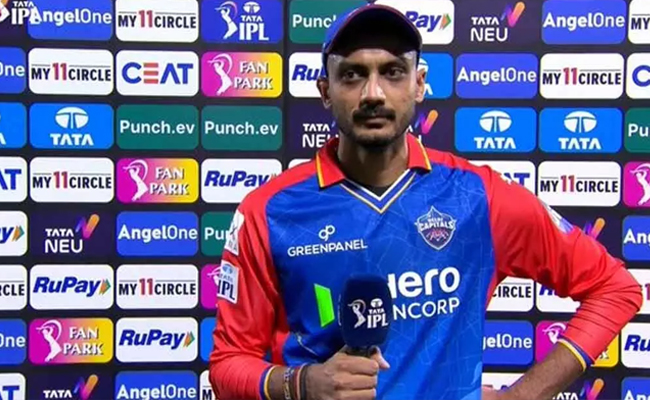
New Delhi (PTI): A beleaguered Axar Patel admitted that both his team's batters and bowlers let the side down after Delhi Capitals suffered a humiliating eight-wicket defeat to Kolkata Knight Riders, virtually ending their IPL 2026 playoff hopes, while indicating the team had already begun looking ahead to the next season.
DC endured a miserable outing at home, managing only 142/8, which Kolkata Knight Riders chased down in just 14.2 overs, powered by a blistering unbeaten 100 from Finn Allen and his destructive stand with Cameron Green (33 not out) as the visitors tore apart the bowling attack.
With just eight points from 11 matches, DC are eighth on the table, while KKR revived their playoff hopes with a resurgent run, moving to seventh with nine points from 10 outings, though their road to the knockouts still remains difficult.
"For now, we'll go back and think about the mistakes we made. After that, obviously there's still a long journey ahead and next year will come too. So we'll think about what plans we can make for next year and what approach we should take," said Axar after the match.
"Based on that, we can also look at the players sitting on the bench and decide who can be given opportunities and what changes we can make," he added, hinting at a possible major overhaul next season.
With 200-plus totals becoming the norm this season, 142 was always going to be inadequate, and Axar admitted the score was well below par while also pointing out at poor judgement shown by the spinners while defending the modest total.
"I think the runs were definitely below par and at the same time the spinners made quite a few mistakes. Looking at the way the pitch behaved, I feel the spinners did make errors.
"At the same time, we lost five wickets in two-three overs, and I think that's where the momentum slipped away from us. That's probably something we need to think about because the same thing happened against CSK...we started well, and then suddenly wickets kept falling," he added.
He admitted the solutions to the issues could be found but players need to show the right mindset and character.
"See, you can't solve it in a complicated way. So, I think it's more about applying the right mindset. Even if you lose one or two wickets, you can still spend time at the crease and play through it. I think that's what needs to be applied, when wickets are falling in clusters, you need to absorb the pressure for an over or two," opined Axar.
KKR skipper Ajinkya Rahane was pleased to see a struggling Finn Allen finally rediscover his touch with the bat.
"I'm really happy for Finn Allen. He was struggling first four or five games, working really hard, but the way he batted tonight was fantastic. But I want to praise our bowlers again.
"We did well because of them. And they've been doing it so well consistently, especially those middle overs and the death overs. Our spinners, Sunil Narine, Varun (Chakravarthy) and Anukul Roy, have been fantastic," he said.
"Fielding-wise, yes, we are working really hard. Our fielding coach has been really strict with us. And that's what has been helping us. The result which you've been seeing about the catches and the ground fielding, credit goes to our fielding coach as well," he added.