Football world cup; climax time now!
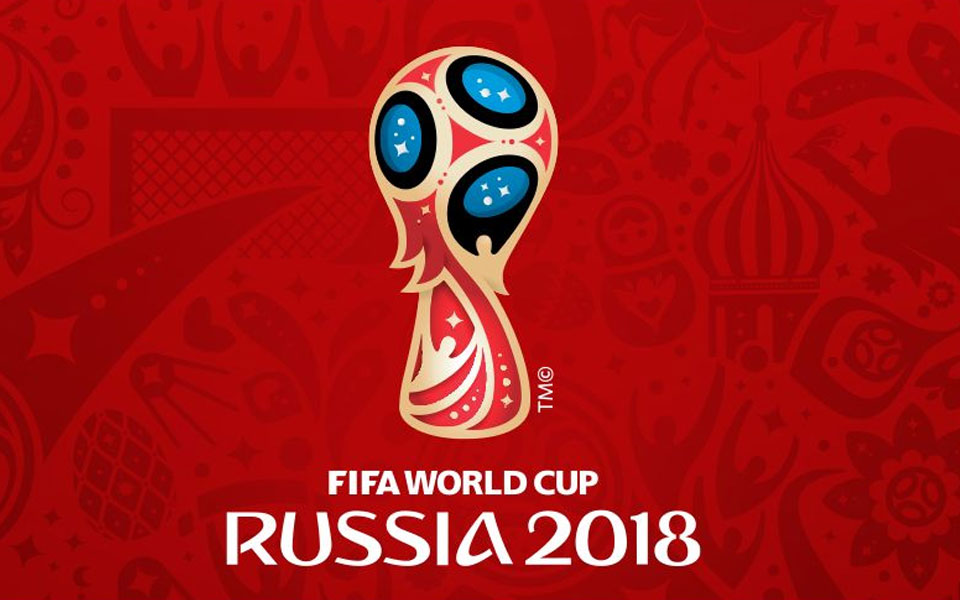
One more exciting phase of football world cup matches held in Russia has come to an end. Of the 32 teams that have participated and played, 24 have been defeated at various phases now. Eight teams will fight to stay afloat in the quarter finals and the winners among them will go to semi finals. July 15, when the peak of weekend dawns in on Sunday, two teams will fight to clinch the world championship title.
There are hardly any apt metaphors to describe the popularity and emotions that these world cup football matches pack for the fans of this game. Right from ‘football fever’ to ‘the weed of the world’ to the ‘most popular game on the face of earth’; several adjectives are used to convey the excitement this game packs. And yet, the words have, more often than not, failed to pack the punch.
And no one would even dispute the popularity of this game. It’s simply insane to the extent of being most followed game by almost all nations, the ones that participate and the ones that just watch the games being played.
The game has huge economy running to keep it alive. This time around, the overall projection of costs involving the games is said to be about Rs one lakh crore. The sale of tickets, hospitality industry that is a big part of this, tourism, air travel, merchandise, sale of football branded clothes, phones and television sets that get sold around this time are simply massive. Along with this, there is betting, visitors flocking pubs and bars to watch, media sales and advertisements all those put together, the game would easily help the world transact more than Rs 5 lakh crore when it is held once every four years.
Even with all this, one can never describe all the action that football carries on its shoulders. Over a 100 crore people are watching this game world over. In Brazil of the South America, timings of factories, offices and other industries have been changed to fit the schedule of football matches so that the employees can enjoy the game without being distracted. If this is not done, invariably the productivity would fall and people usually do not turn up for work during the time matches are being held. Hence, this is a win win situation for the industries and the managements too.
Many churches in Europe have set restrictions to the devotees against watching football during the mass or prayer hours.
They have also requested people to participate in weddings with full interest instead of being distracted by football. Many banks in Europe are running contests to guess the world champions of football, thus attempting to add impetus to their transactions.
The people of England and Russia have long forgotten the conventional enmity that existed between their nations. Columbia has expressed its displeasure and complained against the ‘GO KANE!’ headline carried by a very popular newspaper in England. The diplomats have said this headline indicates the ‘druggy’ image of Columbia which is a hotbed of narcotics sale. There are thousands of such incidents that take place around football involving countries, people, game etc.
Economists have said on an average, about 15 human days are spent around this football and this would cost dearly to the level of overall productivity. But then, on the other hand, social scientists claim if people are allowed to watch this game that packs passion and emotions, they are sure to contribute to productivity much better than they would, if they are restricted from watching it.
Such excitement around football is enough to show the popularity of this game as a true world champion. And quite unlike all other events, world cup is truly unparalleled in its popularity among sports surpassing nations, and races.
Much like all other sports, football is also a bag of unexpected events. Germany, Argentina, Spain, Belgium -- teams that were considered as hot favourites – were defeated squarely and are out of the game now. Superstars such as Lionel Messi of Argentina, Cristiano Ronaldo of Portugal have been set aside as mere spectacles now. Now Russia’s Denis Cheryshev, Neymar of Brazil, Kylian Mbappe’ of France, Harry Kane of England are the new heroes of the order. The youngest among these players hasn’t even crossed his teen. This time around, the games have picked up a lot more pace than earlier. And rough play has also increased by many folds. The fact that about 189 yellow cards were shown to players in the duration of games so far, in quarter level matches. This is a matter of concern for FIFA which has witnessed some very dirty rough play and tactics being employed by players against their opponents.
India too has its share of football fans who are willing to kill themselves if Argentina loses. This game is hugely popular among some regions in India. A state like Kerala which isn’t too interested in Cricket, shows festive fervor during the time of football world cup. And when compared to cricket, football has a lot more life in it than cricket, and this game suits Indian mentality much better than the other game.
Despite this, India has not even made any efforts to even build a team of good football players. Our leaders have not shown any conviction in creating a team that can participate in world cup league of football matches. One cannot imagine the amount of passion that would be whipped up if India had its own team playing in world cup football matches. Today we stand in a sorry state of enjoying the game of a player from Argentina or some other nation, instead of our own talents.
The game will be watched by crores of people world over. Whatever the result may be, the world will enjoy the game for its spirit and excitement if nothing else. Then, it’s a wait of four years till this excitement to come around again.
Let the Truth be known. If you read VB and like VB, please be a VB Supporter and Help us deliver the Truth to one and all.
KSRTC introduces gender ticketing in buses across Kerala
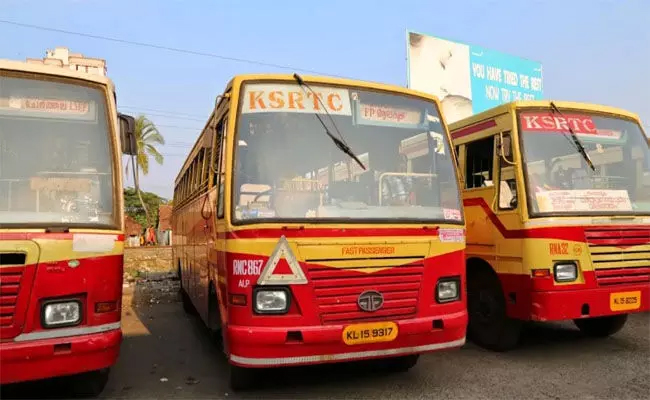
Thiruvananthapuram (PTI): The KSRCTC on Saturday began implementing gender ticketing in buses operating across the state.
According to a Kerala State Road Transport Corporation (KSRTC) circular issued on Friday, the gender ticketing system is intended to record whether a passenger is a woman, a man or a child in tickets issued on KSRTC buses from Saturday.
To facilitate the system, Electronic Ticketing Machines (ETMs) have been updated.
The circular stated that conductors in all KSRTC depots should record the gender category of passengers while issuing tickets through the ETMs.
Options for women, men, and children have been included in the ETMs to identify passenger categories when issuing tickets.
The printed tickets generated by the ETMs will also indicate the passenger's category, officials said.
The UDF had promised free KSRTC travel for women across the state during the Assembly election campaign.
UDF, which won 102 of 140 seats, would soon form the government after the Congress party finalises the discussion on the next Chief Minister.
The introduction of gender ticketing is being viewed as an effort to estimate the number of women travelling daily on KSRTC buses before implementing the poll promise.
Some conductors have reportedly raised concerns over the additional time required to record passenger details, especially during rush hours.