Government Honours That Come With a Bill
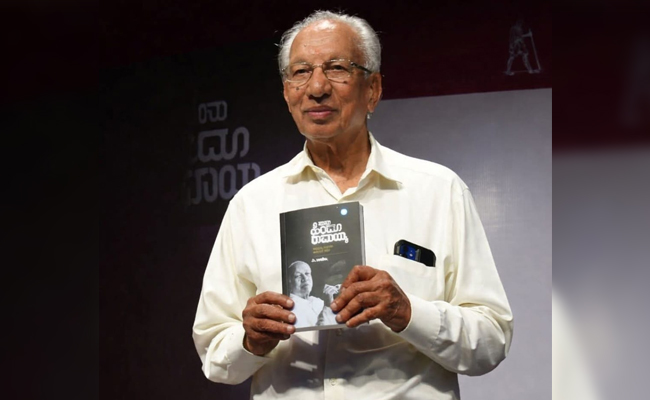
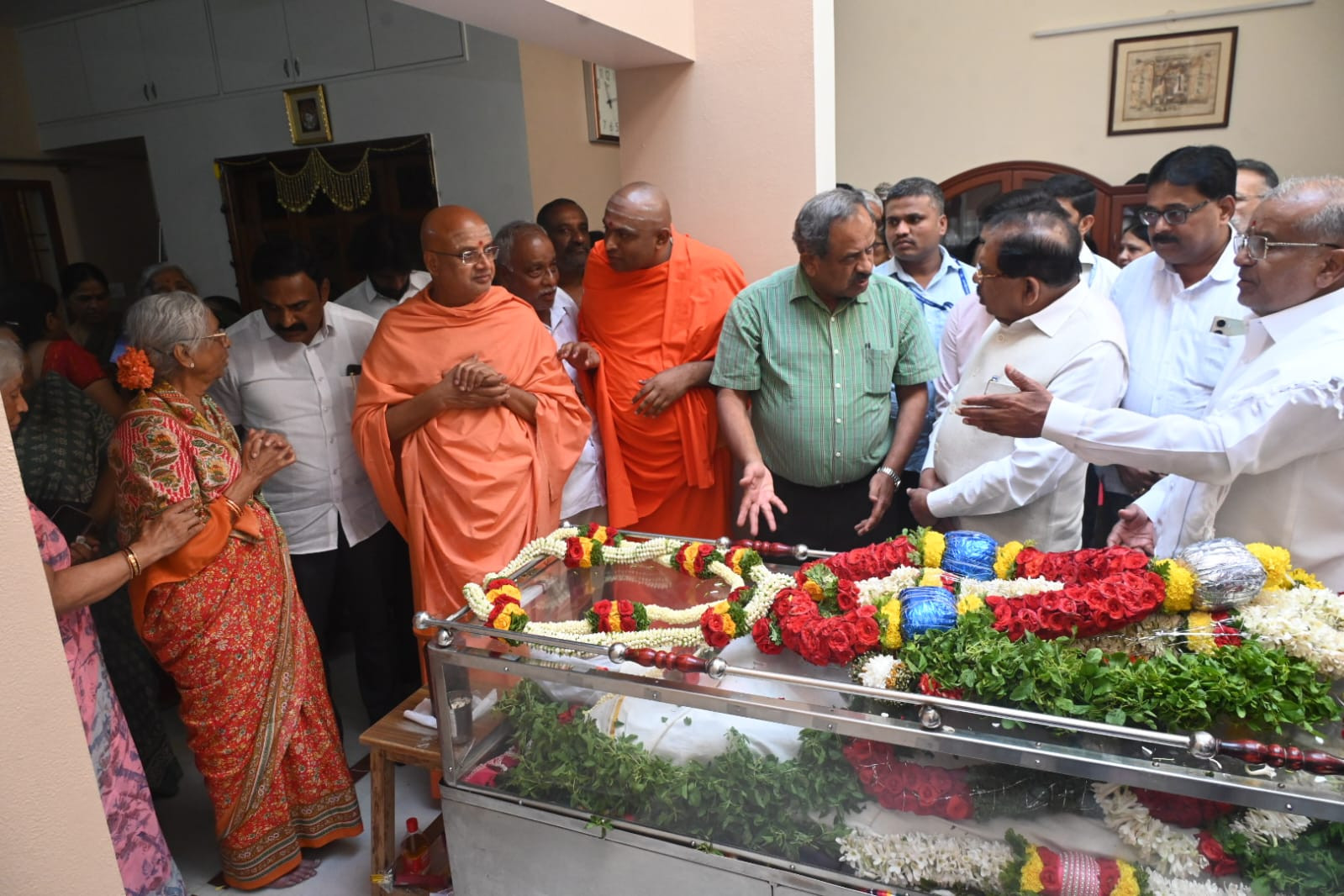
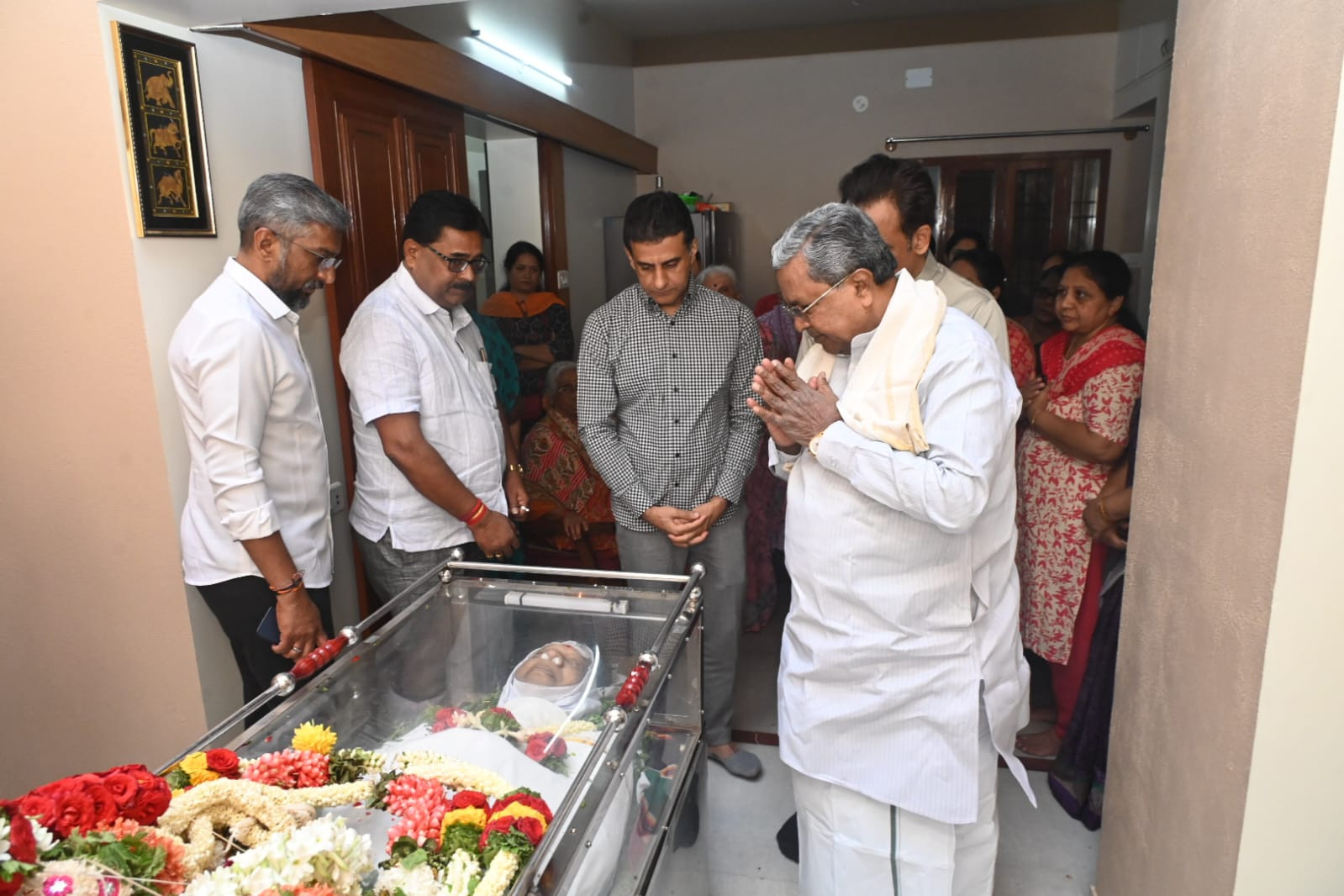
On February 11, the Chief Minister visited the residence of P. Ramiah, a respected senior journalist, former bureau chief of The Hindu, and a former MLC, to pay his final respects. The Home Minister Parameshwar, MLA Sri Rizwan, senior officials, and several journalists were present. Former Deputy Chief Minister Aswathnarayan, Upper House Speaker Basavaraj Horatti, and Agriculture Minister Cheluvarayaswamy also visited to express condolences and pray for the departed soul.
The Chief Minister even announced “State Government Honours” for Ramiah’s last rites. For a moment, it appeared that the government was truly acknowledging the lifetime service of a man who dedicated decades to journalism and public life.
But what followed was nothing short of shocking.
The police department, through a vendor, sent a bill to Ramiah’s grieving family—demanding payment for everything arranged for the dignitaries’ visit, including barricading, security arrangements, and logistical preparations.
In simple words, the family was asked to pay for the government’s own so-called honour ceremony.
This is not respect. This is humiliation.
The issue is not about the money. The amount may not even be a burden for the family. But the question is—where is the dignity? Where is the honour in sending a bill to a family that is still in mourning?
What makes this incident even more disgraceful is that the family never invited anyone for any grand ceremony. The leaders came on their own to express condolences. Yet, the family was handed a bill the very next day, when they were still shattered with grief.
There was no prior intimation, no written notice, no warning, no explanation. The family was never told that they would be charged for arrangements made by the police. It was done quietly, almost as if it was a routine business transaction.
So, what does “State Government Honours” actually mean in Karnataka today?
P. Ramiah was not an ordinary citizen. He was the bureau chief of The Hindu, one of India’s most respected newspapers. He served society through journalism. He represented the people as an MLC. His name carried credibility, integrity, and public trust.
And after such a life of service, the government chooses to honour him by issuing an invoice?
If families are forced to pay for such “honours,” then who will want them?
What about poor families? What about veteran actors, respected writers, retired public servants, or people with public standing but limited financial strength—especially when the Chief Minister and other dignitaries visit their homes to pay respects and attend the last rites? If the police starts issuing bills running into thousands for such visits, what will those families do?
They will be pushed into an unfair choice—either accept humiliation or face financial stress during a time of mourning.
This is not an isolated incident. This is a pattern.
The government speaks beautifully in public, makes grand announcements in front of cameras, and claims to respect society’s contributors. But behind closed doors, it quietly burdens families with bills and embarrassment.
This is a cruel and dishonest system.
The irony is painful. Deputy Chief Minister D.K. Shivakumar did not visit the residence. And by not visiting, he unintentionally saved the family from paying even more.
When a senior leader’s absence becomes a relief, it shows how broken the system has become.
I tried to seek answers. I messaged the DCP Central. I contacted Police Inspector Pradeep of Sadhashivanagar Police Station. No one responded.
That silence speaks louder than any official statement. This is how the system functions—ignore the questions, avoid accountability, and let families suffer quietly.
The truth is harsh: as long as police postings are treated like commodities, as long as transfers and positions are bought and sold, these shameful practices will continue. A system infected with corruption at the top will always exploit people at the bottom.
The government must answer clearly:
Why was Ramiah’s family billed?
Who ordered this bill?
Is there an official policy for this?
Was the family informed beforehand?
Who gave the police the authority to charge a grieving family for a dignitary’s visit?
This must stop immediately.
Because real honour does not come with a price tag.
Real respect does not arrive with an invoice.
If the government genuinely wishes to offer state honours, then the government must bear the cost. Otherwise, it has no moral right to make such announcements and pretend to be respectful.
P. Ramiah deserved better.
His family deserved dignity.
This incident demands accountability—not excuses. It demands action—not silence.
If senior leaders cannot correct this disgraceful practice, then they should stop using the word “honour” altogether, because what happened here is not honour.
It is a shame.
.jpeg)
Let the Truth be known. If you read VB and like VB, please be a VB Supporter and Help us deliver the Truth to one and all.
Delhi man held for supplying stolen mobile phones to Nepal
New Delhi PTI): A 36-year-old man was arrested for allegedly supplying stolen and snatched mobile phones to Nepal, police said on Saturday.
The accused, identified as Jitender alias Jhela, a resident of Majnu Ka Tila in north Delhi, is part of an organised gang involved in mobile snatching and theft. Jitender was the main receiver and supplier of the gang, they said.
His arrest followed the earlier capture of two of his associates, identified as Jai Bhagwan alias Kale and Jitender alias Pahar, who were caught with 52 stolen mobile phones.
During interrogation, Jitender revealed that he used to supply stolen mobile phones to a Nepalese national based in Pokhara, the police said.
Police recovered 21 stolen mobile phones, five have been traced to registered FIRs, while investigation is underway to identify other receivers and link the remaining devices to pending cases, they said.
The police said Jitender has five previous cases against him, including robbery and theft.