One week into Ramadan: A detailed food guide for gym-goers, athletes, MMA trainees after Iftar
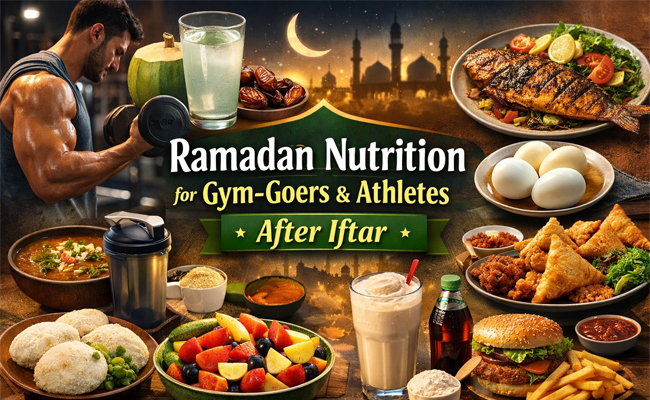
We are a week into Ramadan now. For those who train regularly, whether it is gym sessions, MMA, running, cricket practice or strength training the body is already adjusting to the new routine. Fasting during the day is one part of it. The bigger question is what happens after Iftar.
Many people undo an entire day of discipline in the first one hour after breaking fast. The body is dehydrated, energy levels are low, and digestion has been resting for hours. What you eat in that window decides how well you recover, how strong you feel the next day, and whether your fitness goals stay on track.
Here is a practical and detailed list of foods that actually help and those that can quietly slow you down.
Foods that support recovery and performance
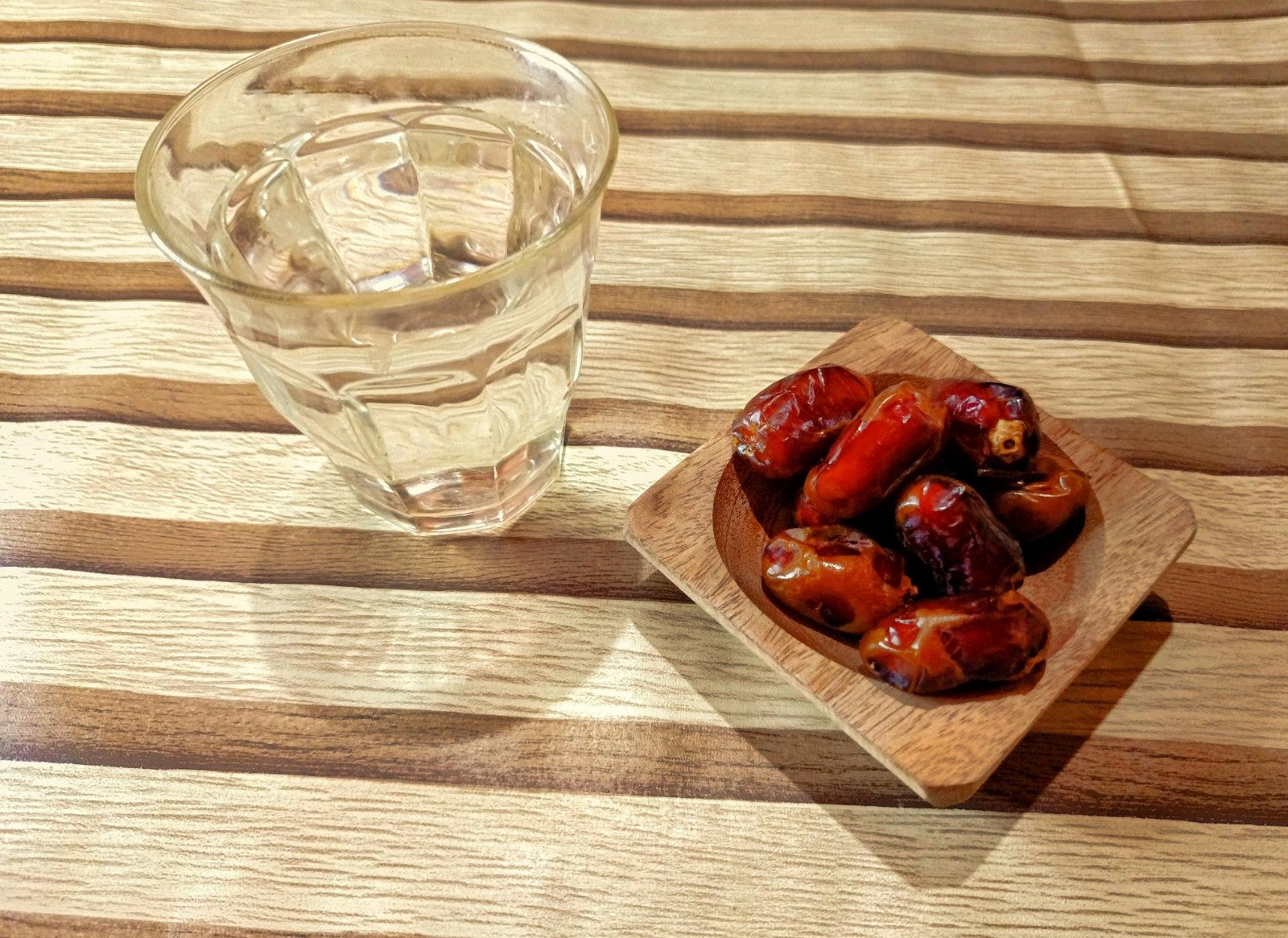
1. Dates with water
Breaking fast with two or three dates and a glass of water is enough. Dates give quick glucose, which gently raises blood sugar after a long gap. But eating six or seven at once adds unnecessary sugar. Keep it controlled. The aim is to wake up the system, not overload it.
2. Tender coconut water
After a full day without fluids, hydration should be the first focus. Tender coconut water helps replace potassium and other natural electrolytes. It feels light and does not sit heavy in the stomach. For those who sweat a lot during late-night training, this is especially useful.
3. Lightly cooked fish
Grilled fish, steamed fish or a simple fish curry with less oil works very well. Fish gives high-quality protein that helps muscle repair. It is lighter compared to heavy red meat and easier to digest if you plan to train later in the night.
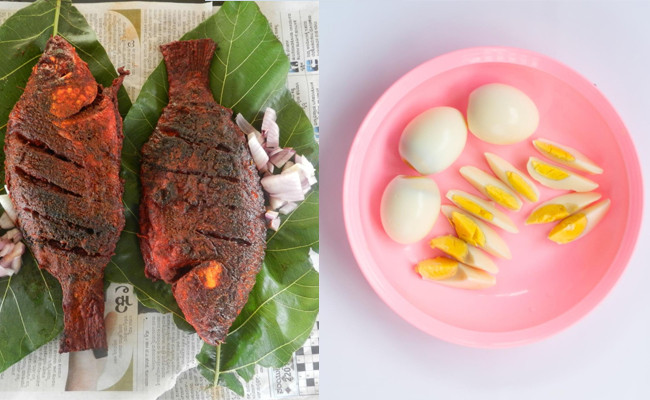
4. Boiled eggs or simple egg bhurji
Eggs are one of the easiest protein sources available. Two boiled eggs after Iftar give around 12 grams of protein. That supports muscle recovery without making you feel heavy. Avoid very oily masala preparations.
5. Dal or lentil soup
A bowl of dal provides plant protein and fluids together. It also gives steady energy. For those who cannot eat a heavy meal immediately after breaking fast, dal is a safe option that keeps you full without discomfort.
6. Steamed rice, idli or kanji
Carbohydrates refill glycogen stores in muscles. After fasting, your body needs some carbs. Steamed rice in moderate quantity, soft idli or even kanji is easier to digest compared to fried parottas or oily rice items. Keep the portion sensible.
7. Curd, buttermilk or plain yogurt
These help digestion and cool the body. A small bowl of curd with rice or a glass of buttermilk reduces acidity and bloating. It also adds some protein.
8. Fresh fruits
Watermelon helps hydration. Banana gives quick and sustained energy. Papaya supports digestion. A small fruit bowl after Iftar is better than jumping directly into sweets.
9. Handful of nuts
Almonds or peanuts in small quantity provide healthy fats and some protein. They help with satiety. But remember, nuts are calorie-dense. A handful is enough.
10. Protein shake after late training
If you train after Taraweeh or close to midnight, it may not be possible to eat a full meal again. In that case, a simple whey or milk-based protein shake supports muscle repair. Avoid adding sugary syrups or ice cream to it.
Foods that can affect fitness goals if eaten daily:
Ramadan evenings come with special dishes. Enjoying them in moderation is fine. But daily excess can affect body composition and energy levels.
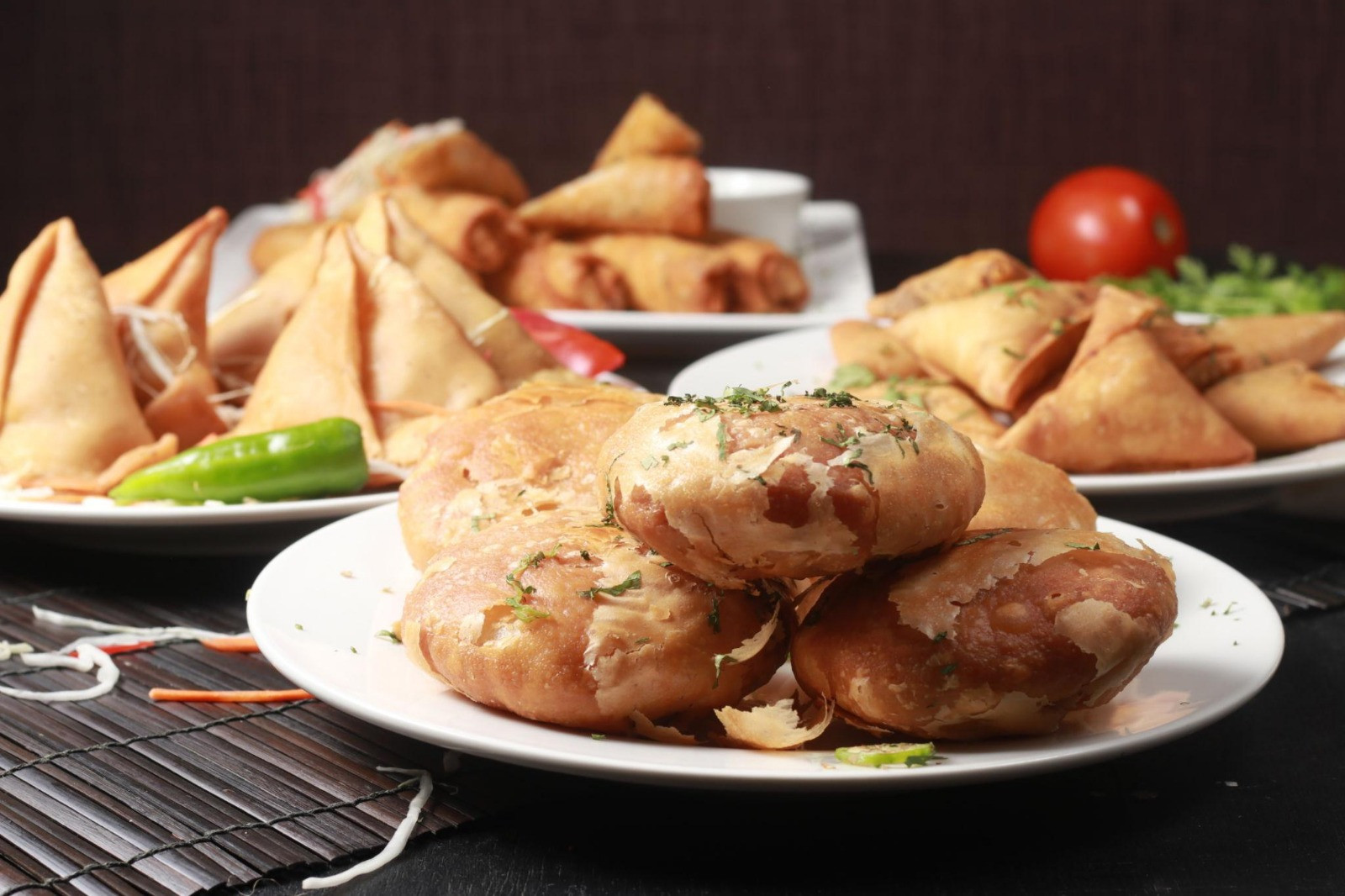
1. Deep-fried snacks in large amounts
Samosas, pakoras and bajjis are tempting. But oil-heavy food slows digestion and makes you feel sleepy. It also adds extra calories very quickly.
2. Sugary sherbets and soft drinks
They cause a rapid rise in blood sugar followed by a crash. They also do not hydrate the body as effectively as water or coconut water.
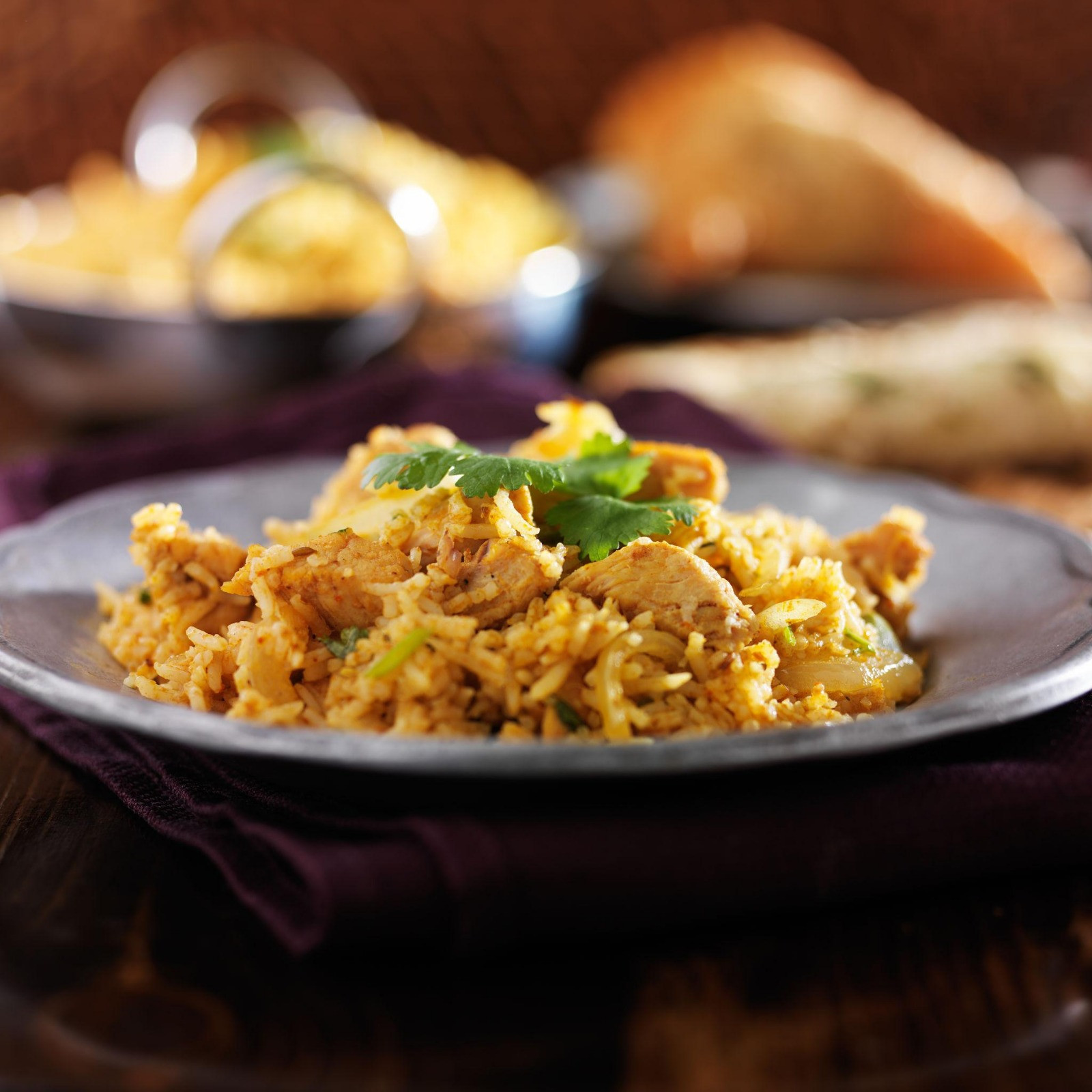
3. Large portions of oily biryani every night
Biryani during Ramadan is common. But eating a full heavy plate daily can cause bloating and fat gain, especially when physical activity is reduced during fasting hours.
4. Rich coconut-based or cream-heavy gravies
Too much oil or thick gravies can upset the stomach and delay digestion.
5. Sweets like halwa in big servings
Traditional sweets are part of the season. But repeated servings every night add a large amount of sugar and fat.
6. Excess red meat immediately after Iftar
Red meat takes longer to digest. If you plan to train later, it can make you feel heavy.
7. Too much tea or coffee
Caffeine right after Iftar can disturb sleep. Poor sleep means poor recovery.
8. Packaged salty snacks
High salt increases thirst and can cause water retention.
9. Heavy milkshakes with added sugar
They look refreshing but can quietly add a lot of calories.
10. Overeating in one sitting
Even healthy food becomes a problem if the quantity is too much. Eating slowly and stopping when you are satisfied helps digestion.
Other important habits:
Hydration should continue between Iftar and Sehri. Instead of drinking two litres at once, spread it through the night. Small, steady intake works better.
If you train intensely, especially in humid weather, you lose more fluids. Replace them properly.
Give at least one to two hours after a proper meal before intense training. This reduces stomach discomfort.
Sleep is often ignored during Ramadan. Late nights and early Sehri reduce total sleep hours. Without enough rest, muscle recovery suffers, no matter how good your diet is.
In simple terms, Ramadan does not mean giving up fitness. It only requires smarter planning. Balanced meals, controlled portions and steady hydration can help gym-goers and athletes stay strong throughout the month.
Let the Truth be known. If you read VB and like VB, please be a VB Supporter and Help us deliver the Truth to one and all.
Confident we are going to win Kerala: Shashi Tharoor
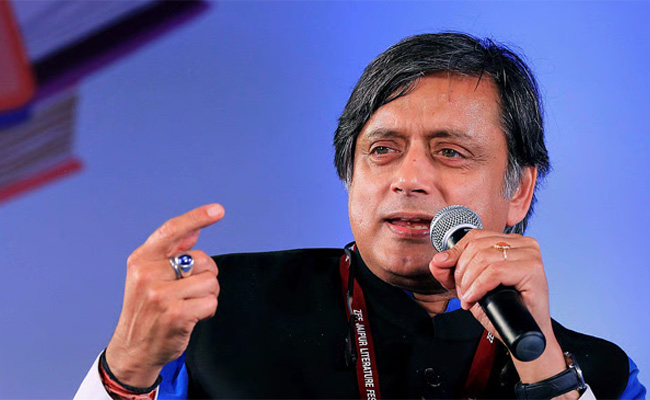
New Delhi (PTI): Congress leader Shashi Tharoor on Thursday expressed confidence in the victory of the United Democratic Front (UDF) in Kerala, saying the Congress-led alliance will win more than 75 seats out of the total 140 in the state.
Tharoor, who hails from Kerala, said he was not surprised to see the results of the exit polls, most of which predicted a victory for the UDF that has been out of power for 10 years in the state.
"We have been on the ground. I have campaigned in 59 constituencies across 12 districts out of 14. I was very confident we are going to win.
"Everything that I have picked up from not just my party colleagues and workers but also from other observers, media and others have always convinced me that we were going to score a comfortable win of above 75 seats. And all the (exit) polls have confirmed the same thing," he told reporters here.
The Thiruvananthapuram MP said he was not surprised to see the results of the exit polls but in general he was not a big fan of exit polls in India.
"Because ours is not purely a homogenous society. We have to take into account gender issue, caste issue, class issue, regional disparities. You never get a convincingly large enough sample to give an accurate poll and now there is the additional complication that we have heard about in West Bengal this year that many people are unwilling to answer the questions of the pollsters," he said.
The Congress leader said normally, it used to be below 10 per cent that people said that they would not answer.
"Even if you are a reputable exit pollster, in Bengal, one polling company has said 60 per cent of people refused to answer. So, what is the worth of a poll where 60 per cent of your respondents have not answered," he said.
Several exit polls on Wednesday predicted a comeback by the Congress-led UDF in Kerala after 10 years, dethroning the CPI(M)-led Left Democratic Front (LDF).
Polling for the 140-member Kerala assembly was held on April 9. Results of assembly elections in West Bengal, Tamil Nadu, Assam, Puducherry, besides Kerala, will be announced on May 4.