The slip between the cup and the lip
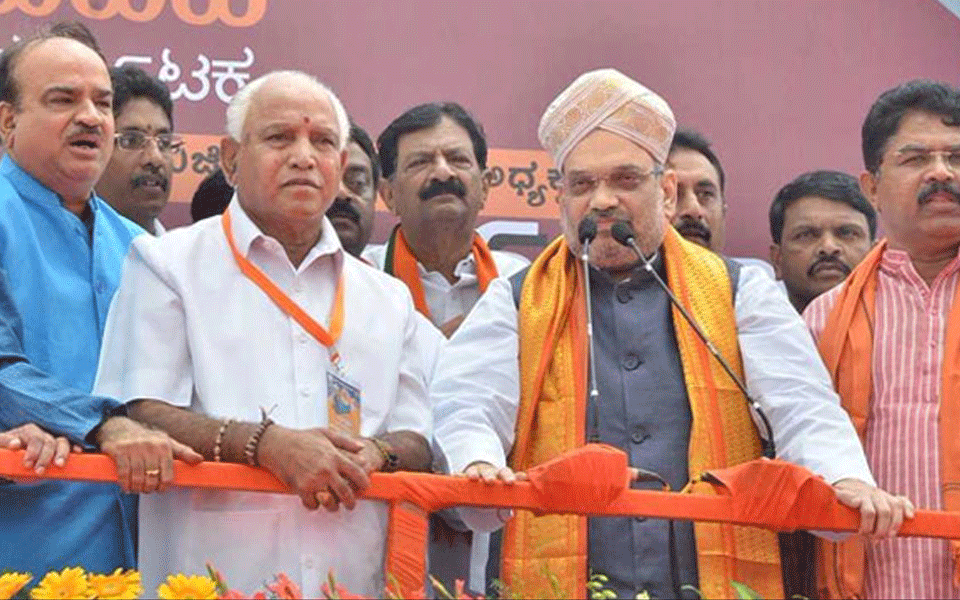
The current assembly election results were quite a surprise for many. The voters had not exhibited their inclination despite highly charged speeches by Prime Minister Narendra Modi, and the popularity of Siddaramaiah. Adityanath, Modi, Amit Shah and other leaders from the north delivered highly charged speeches to the voters. This hadn’t borne any tangible results. Ananta Kumar Hegde, Prathap Simha and Shobha Karandlaje’s attempts to fan communal fires hadn’t borne any fruits. The voters kept their cards close to their chest. Though Sangh Parivar tried its best to start communal tension in Bantwal, it couldn’t be assumed that it could have its impact on the elections. Every political pundit thought Cong will emerge victorious from this.
But the results now show JD(S) is a decisive party with 38 seats, Cong has been reduced to 78 seats and BJP is at least 10 seats short of majority at 104 seats. But the percentage of votes is high in the favour of Congress which suffered a defeat. The sitting cabinet has suffered massive drubbing. This is a shocking verdict to Siddaramaiah and his friends. The main beneficiary in this is JD(S) which has secured enough number of seats to be able to negotiate a deal with any interested party to form the government.
The government led by Siddaramaiah wasn’t all that bad to be rejected by the government. This government had responded to people better than the BJP government led by Yeddyurappa. Chief Minister Siddaramaiah had achieved a good hold over the matters relating to administration. There were hardly any corruption charges that could be proved, so much so that the people would reject it. On the other hand, the candidates within BJP weren’t too conducive for the people. Modi and Amit Shah travelled across the state and hypnotized people. Veerashaiva votes polled against Congress. Lingayat community did not stand by Siddaramaiah. JD(S) had, anyway, held Vokkaligas against Siddaramaiah. Upper class and caste votes, expectedly, went against Siddaramaiah. And some of his mistakes showed up to be big blunders and began to brew as discontentment within the party and among the voters too. In Varuna, Siddaramaiah showed he was for ‘dynasty’ politics by ensuring his son Yatheendra gets a ticket and posts victory. Though there was no tangible dissidence, it was difficult to sideline Siddaramaiah within the party for its leaders. The role of Congress in ensuring his defeat in Siddaramaiah in Chamundeshwari is as much as JD(S) too. If he had not chosen to contest from Badami where he emerged victorious from, his political journey would have come to a standstill today. However the difference of votes in victory, are big enough to provide any solace to the stature of a popular chief minister.
The opponents of BJP are interpreting its emergence as largest party in the current elections as victory based on money. BJP spent a lot of money from both state and centre. Central leadership had to do well in Karnataka because this is an indicator of 2019 Lok Sabha elections. Though there were enough ‘rich’ candidates in Congress, the fear of IT raids had tied their hands. Along with this, Congress leaders are expressing their suspicions about EVM functioning too. The difference in votes between the victorious and the ones who didn’t make the cut, has given them this feeling. But to say this after the results are declared, doesn’t really make sense. The cong leaders had to ensure this problem was sorted even before the elections started. Now they will have to approach the Election Commission over this matter along with other secular forces.
Yet, amidst the humiliating defeat, Cong has been able to find a way of staying on the side of the government by joining hands with JD(S) and ensuring Kumaraswamy becomes the CM. Any delay in this decision would have cost it dearly. But Cong lost no time to do this. This may allow Parameshwar to be Dy CM too. Devegowda and sons are happy that they could cut Siddaramaiah to size with this move. Many have had their cake and eaten it too in this deal. The fact that they have kept the communal forces away is a big achievement enough. They have to be congratulated for keeping Karnataka free of the communal mess as of now.
Let the Truth be known. If you read VB and like VB, please be a VB Supporter and Help us deliver the Truth to one and all.
Axar shifts focus to next IPL after KKR all but end DC's campaign
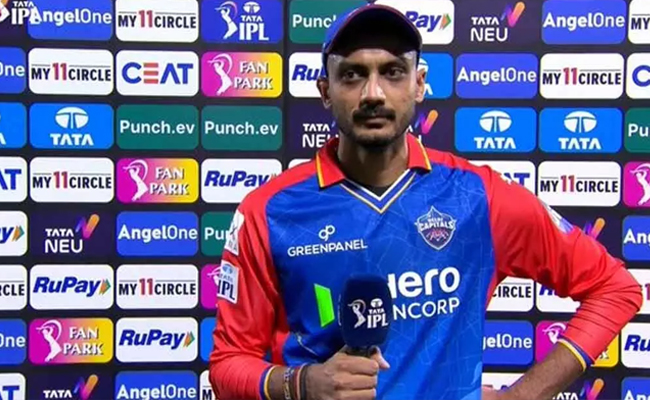
New Delhi (PTI): A beleaguered Axar Patel admitted that both his team's batters and bowlers let the side down after Delhi Capitals suffered a humiliating eight-wicket defeat to Kolkata Knight Riders, virtually ending their IPL 2026 playoff hopes, while indicating the team had already begun looking ahead to the next season.
DC endured a miserable outing at home, managing only 142/8, which Kolkata Knight Riders chased down in just 14.2 overs, powered by a blistering unbeaten 100 from Finn Allen and his destructive stand with Cameron Green (33 not out) as the visitors tore apart the bowling attack.
With just eight points from 11 matches, DC are eighth on the table, while KKR revived their playoff hopes with a resurgent run, moving to seventh with nine points from 10 outings, though their road to the knockouts still remains difficult.
"For now, we'll go back and think about the mistakes we made. After that, obviously there's still a long journey ahead and next year will come too. So we'll think about what plans we can make for next year and what approach we should take," said Axar after the match.
"Based on that, we can also look at the players sitting on the bench and decide who can be given opportunities and what changes we can make," he added, hinting at a possible major overhaul next season.
With 200-plus totals becoming the norm this season, 142 was always going to be inadequate, and Axar admitted the score was well below par while also pointing out at poor judgement shown by the spinners while defending the modest total.
"I think the runs were definitely below par and at the same time the spinners made quite a few mistakes. Looking at the way the pitch behaved, I feel the spinners did make errors.
"At the same time, we lost five wickets in two-three overs, and I think that's where the momentum slipped away from us. That's probably something we need to think about because the same thing happened against CSK...we started well, and then suddenly wickets kept falling," he added.
He admitted the solutions to the issues could be found but players need to show the right mindset and character.
"See, you can't solve it in a complicated way. So, I think it's more about applying the right mindset. Even if you lose one or two wickets, you can still spend time at the crease and play through it. I think that's what needs to be applied, when wickets are falling in clusters, you need to absorb the pressure for an over or two," opined Axar.
KKR skipper Ajinkya Rahane was pleased to see a struggling Finn Allen finally rediscover his touch with the bat.
"I'm really happy for Finn Allen. He was struggling first four or five games, working really hard, but the way he batted tonight was fantastic. But I want to praise our bowlers again.
"We did well because of them. And they've been doing it so well consistently, especially those middle overs and the death overs. Our spinners, Sunil Narine, Varun (Chakravarthy) and Anukul Roy, have been fantastic," he said.
"Fielding-wise, yes, we are working really hard. Our fielding coach has been really strict with us. And that's what has been helping us. The result which you've been seeing about the catches and the ground fielding, credit goes to our fielding coach as well," he added.