Threat of drought looms large
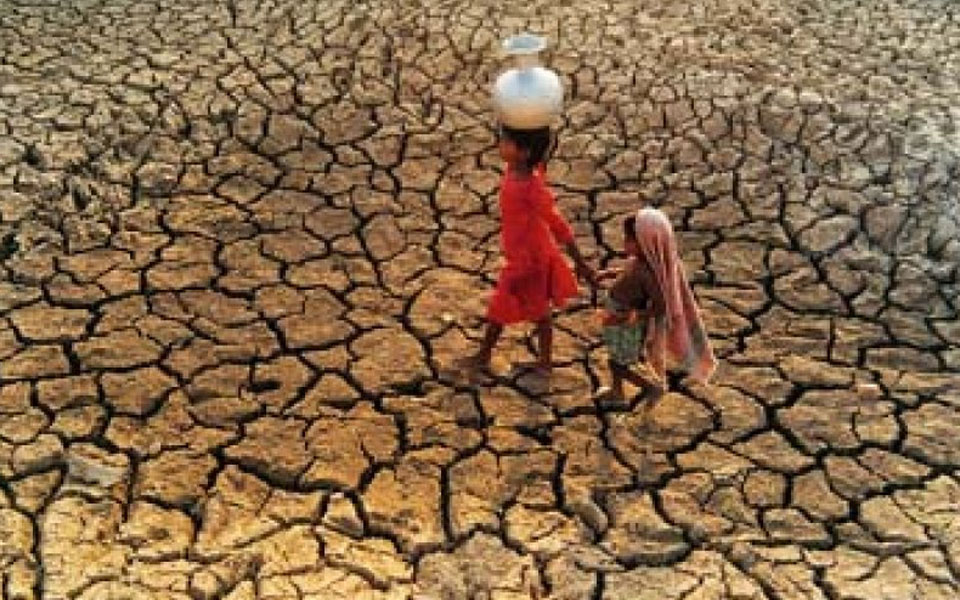
Apart from the conventional drought belts such as North Karnataka threat of famine looms large in other parts of the state as well.
86 taluks of 23 districts have already faced shortfall of rain as per the state government. Another 14 Taluks entered that list on Monday. Revenue department has initiated work to prepare a list of drought stricken regions to be sent to the centre to seek aid. Report on crop loss would also be submitted to the centre. Survey has been undertaken in regions where there is rain shortfall and declared drought.
Details like depreciating groundwater table crop loss shortage of cattle feed and shortage of drinking water would be included in the report. Shortage of rain and increased dryness in the environment for more than 3 weeks would be considered as parameters for this report which would help decide the drought level in the region.
Along with 86 taluks, Anekal in Bangalore district, Devanahalli, Tumkur, Turuvekere, Holalkere, Hosadurga, Davanagere, Jagalur, Pandavapura, Aurad, Basavakalyan, Athani, Bilagi, Mudhol areas has been declared as drought stricken regions. Government has responded to drought situation after much delay. Floods in Kodagu and other natural disasters to cover the focus of administration from the drought situation looming in other areas of the state.
Kalburgi in Bijapur, which are tur/pigeon pea growing regions, have faced worst crisis ever. Their main crops such as cotton and tur have already failed with flowers that would turn into seeds, falling off the dry plants. Temperature is getting scathing hot with every passing day and this has got the farmers very worried about their crops.
Failed crop would mean increased loans which would be difficult to repay.
They bought seeds for cotton on loan. And since rains have failed, they will never find a way to repay this loan. And this is a very worrying time for farmers. The heat has already increased in Koppal, Bijapur, Raichur and Kalaburgi. Situation of drinking water is very grave in Bijapur and surrounding areas and state government is supplying drinking water through tankers. But the quantity of water is never enough for families. Because every family barely gets two buckets of water.
Lakes and tanks have dried groundwater is depleted people barely have water to drink or take bath.
MGNREGA is not being implemented effectively. Officers are not submitting accounts hence the bills are not being passed this delaying payments. Though each day's job should ensure a payment of Rs 249, people never get this and fake bills are being generated to deprive the poor of rightful earnings. Job for 100 days is not sufficient under these dire circumstances, and people are demanding that at least 300 days of work is needed to keep their families from going hungry.
Rains have failed in all phases and though officers are suggesting alternate crops, there are barely any takers for that owing to no rains. state government has to bring this to the notice of Central government to get more help and funds along with resources. Relief measures have to be initiated and drinking water problem has to be solved. The issue of migration has to be checked to ensure socio economic balance. Chief minister has to visit drought stricken areas to understand the gravity of the situation.
Not just North Karnataka, some areas in Dakshina Kannada have also turned into permanent drought stricken villages. Kolar Chikkaballapur and Tumkur have been facing shortfall of rain since many years. government has to initiate novel methods of conserving water like desilting the tanks in These areas to collect more rain water which can be used later for various purposes. The drought situation this time is a lot grave than ever. Hence the state cannot sit on the figures submitted by officers to offer help. District incharge ministers have visit their areas to understand the progress of the works that have been undertaken to tackle the problem.
Let the Truth be known. If you read VB and like VB, please be a VB Supporter and Help us deliver the Truth to one and all.
KSCA expresses disappointment over missing IPL playoffs, says it was ready to host matches in B’luru
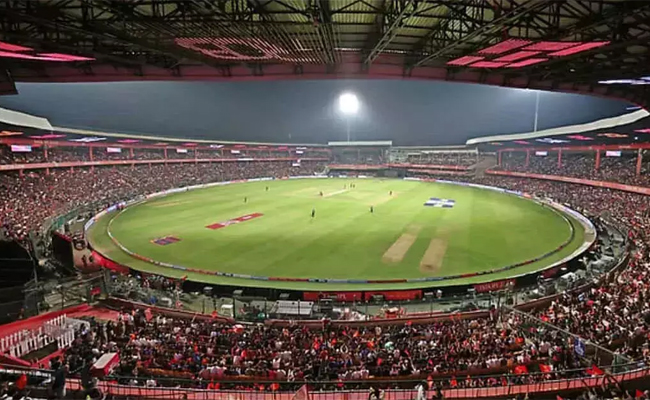
Bengaluru: The Karnataka State Cricket Association (KSCA) has issued a clarification stating that it was fully prepared to host the IPL playoffs and final matches in Bengaluru but the fixtures were allotted to other venues.
In a media note, KSCA said it was disappointed with the decision. The association stated that its president, former India cricketer Venkatesh Prasad, had been in touch with the Board of Control for Cricket in India (BCCI) and had formally conveyed the association’s readiness and interest in hosting the matches at the M. Chinnaswamy Stadium.
KSCA said the IPL matches held in Bengaluru this season were appreciated for smooth conduct, crowd management and overall experience for spectators. It said this reflected its ability to handle high-profile matches.
The association also stated that it had sent a detailed communication to the BCCI explaining its preparedness and the operational arrangements followed during the current IPL season. According to KSCA, these systems have been in place since the start of the Indian Premier League in 2008 and were followed consistently, including during previous playoff matches hosted in Bengaluru.
The clarification added that the communication sent to the BCCI was only meant to provide factual and operational details and to bring clarity on logistical and stakeholder-related requirements involved in hosting such matches.
KSCA said that although it had shown willingness and preparedness, the BCCI has decided to allocate the playoff matches to other venues. It added that the reasons for this decision have not been formally shared with the association, but it respects the authority of the board in taking such decisions.
The association further said it remains ready to host matches of national and international importance and will continue to cooperate with the BCCI, franchises, government authorities and other stakeholders for conducting cricket events.
The statement was issued by KSCA official spokesperson Vinay Mruthyunjaya, who also thanked the media and cricket fans for their continued support.