Coronavirus: Are Muslims intentionally licking cutlery, plates for Hindus to eat in it? Fact check
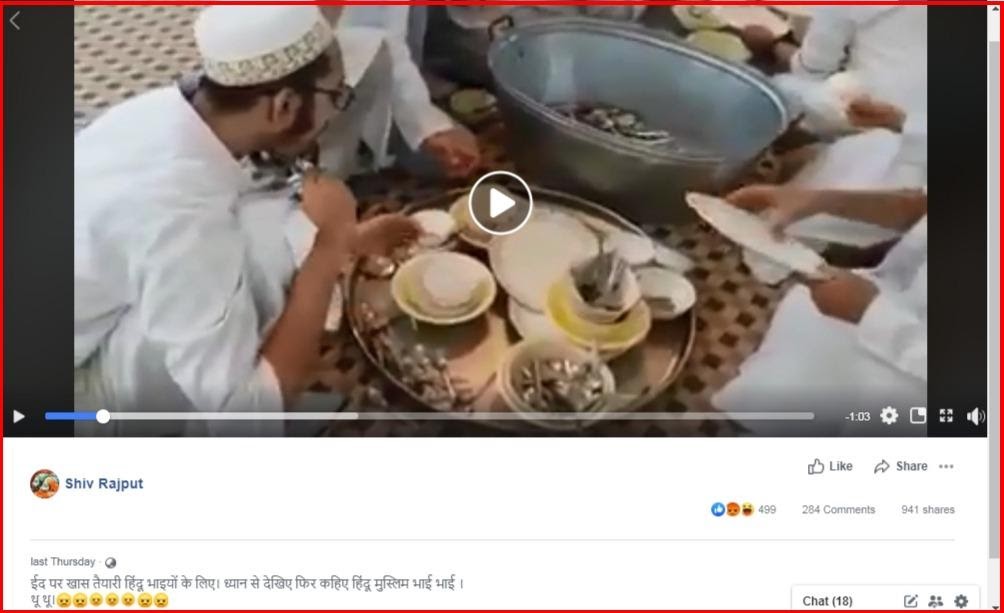
In the wake of spread of Corona Virus in India, a video is being circulated on social media alleging that a few Muslims infected with the deadly virus are licking plates and cutlery with an intention to make non-Muslims eat in it to further spread the virus among the non-Muslims. Fact Crescendo, a fact-checking website had earlier fact-checked the claim of the video when it was being circulate adding that Muslims were licking plates and cutlery to Hindus to eat in it on Eid.
The fact check story had then concluded that it was a culture and tradition in Bohra Community to lick their plates and cutlery after finishing their meal so as to not waste any food.
Below is the story published on https://english.factcrescendo.com/ in June 2019 and its finding.
Here's what the story revealed:
A Facebook user named ‘Shiv Rajput’ shared a post on 6 June 2019. The post as translated from Hindi quoted “Special preparations on Eid for Hindu brothers. Carefully look after the Hindu Muslim brother.” As per this post’s claim, Muslims are putting their spit on plate, bowl and spoon before feeding the Hindus on Eid’s occasion. Let us see what the facts are!

FACT CHECK:
We were sceptical because we did not see the hat of the boys resembling the cap of Muslims, which raised our suspicion for fact check. We then started our investigation by searching on Google with ‘muslims cleaning plate using their saliva’ key words. What we got in the search is below:

In this search we got a video given by ‘Vimeo’, which is similar to the video given in the above post. According to this story, this video is of Bohra community, People of Dawoodi Bohra community do not waste food. That is why after eating, he lick all the utensils such as plate, spoon and bowl to ensure no food wastage and then wash the vessels.

To confirm this, we searched the screen shot of the video on ‘Bing Image Search’. What we got in the search is below:

In this search we got links to various websites which have given information about Bohra culture. Some of them also mention the traditional practice of ‘No Food Wastage. The most important thing is that the cap worn by the boys in the video of the above post matched with the Bohra community people shown in our search. We took the picture shown below from a publication on the Bohra’s eating style published by ‘Outlookindia’ and compared it with the screenshot taken from the video of the above post. The hat matched in both images as shown below.

This search confirms that the video shown in the above post is of Bohra religion and not the feast of Muslims during the Eid for the Hindus.
IN CONCLUSION:
Fact Crescendo has fact checked and confirms that the video shared in the post is with a wrong narrative. We categorise the story as FALSE.
FactCrescendo advises its readers to refrain from sharing such misleading and communally biased videos and do a self-check on the true narrative of such incidents before believing them.
Let the Truth be known. If you read VB and like VB, please be a VB Supporter and Help us deliver the Truth to one and all.
Kohli's U-19 teammate Amanpreet Singh Gill dies at 36
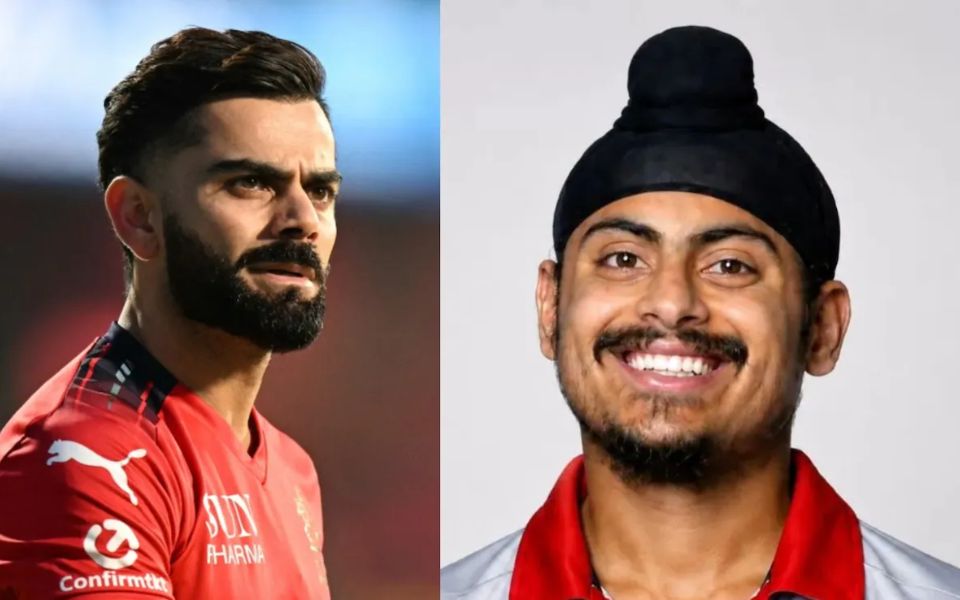
New Delhi (PTI): Former India U-19 and Punjab medium pacer Amanpreet Singh Gill died at the age of 36 in Chandigarh on Wednesday, leaving the cricket fraternity in mourning.
The cause of death is not yet known.
Gill, who was Virat Kohli's U-19 teammate, featured in six first-class matches for Punjab, picking up 11 wickets.
He was also part of the Punjab franchise (Kings XI Punjab) in the inaugural Indian Premier League season, and later served as a member of Punjab's senior selection committee.
"Punjab Cricket Association deeply mourns the sad demise of Amanpreet Singh Gill, former Punjab cricketer and Member, Senior Selection Committee Punjab,” the Punjab Cricket Association announced on X.
"Our heartfelt condolences to the bereaved family and loved ones. May Waheguru grant eternal peace to the departed soul and strength to the family in this difficult time."
Two-time World Cup-winning India all-rounder Yuvraj Singh also paid tribute to Gill.
"Deeply saddened to hear about Amanpreet Singh Gill’s passing. Shared the dressing room in our early days, he was a quiet, hardworking cricketer who loved the game. My heartfelt condolences to his family and loved ones. Rest in peace Om Shanti,” Singh posted on X.
Gill played five Youth ODIs and one Youth Test for India in 2007.
In the longer format, he claimed the wicket of former Sri Lanka all-rounder Thisara Perera.
However, he did not make the Virat Kohli-led India U-19 side that went on to win the 2008 World Cup.
“Deeply saddened by the passing of Amanpreet Singh Shergill, who proudly represented Punjab and was a part of the Punjab Kings family. Our heartfelt condolences to his family, friends, and the entire cricketing fraternity,” Punjab Kings posted on their official Instagram account.