Set Sail on a Voyage of Discovery with Maritime Day
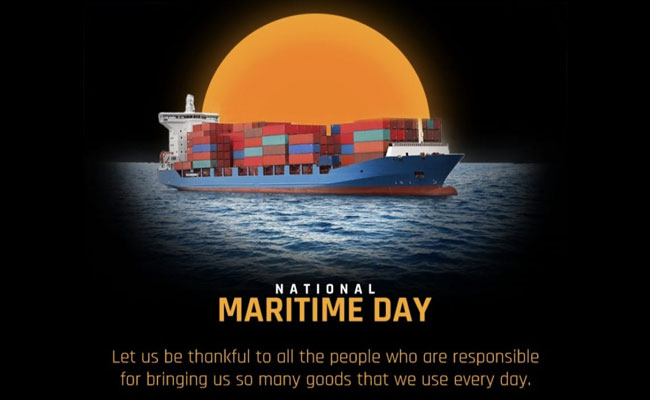
Indian National Maritime Day is celebrated every year on April 5th. This day commemorates the maiden voyage of the SS Loyalty, which marked the beginning of Indian shipping history. It was on this day in 1919 that the Loyalty left Mumbai (then Bombay) for London, becoming the first Indian ship to sail to the UK.
The Indian National Maritime Day is celebrated to honor the invaluable contribution of the maritime sector towards the economic growth and development of the country. It serves as a reminder of the importance of the sea and its resources in shaping the destiny of our nation.
India is a peninsula with vast coastline of over 7,516.6 km. The country has 12 major and 205 minor ports, which play a vital role in the country's trade and commerce. The maritime industry has contributed significantly to the country's GDP and has generated employment opportunities for millions of people.
Indian National Maritime Day is also a day to commemorate the sacrifices made by the seafarers who have risked their lives to keep the country’s maritime trade running. Many of these seafarers have lost their lives at sea or have suffered injuries while carrying out their duties. On this day, several events are organized to honor their bravery and dedication.
The theme of Indian National Maritime Day changes every year. In 2021, the theme was “Sustainable Shipping Beyond IMO 2020”. The aim was to promote the use of cleaner fuels and reduce greenhouse gas emissions from ships. The theme emphasized the need for the shipping industry to be more sustainable and eco-friendly.
The Indian National Maritime Day celebrations usually include various programs such as seminars, conferences, exhibitions, and cultural events. These events provide a platform for experts to discuss the latest trends, technologies, and innovations in the maritime sector.
The Indian government has taken several measures to develop the maritime industry and make it more competitive on a global level. The Sagarmala Project, launched in 2015, is one such initiative. This project aims to develop India’s coastline and the associated infrastructure to promote port-led development. By developing the coastal regions, the project is expected to generate employment opportunities, attract investments, and promote economic growth.
The Indian government also launched the Maritime India Vision 2030 in 2016. This is a roadmap for the development of the maritime sector in India. The vision aims to increase India’s share in global shipbuilding to 5%, increase domestic water transport to 10% of the modal mix, and increase the share of Indian seafarers globally to 9%.
The Indian National Maritime Day is a celebration of India's maritime history and culture, which honors the bravery of seafarers who put their lives on the line to keep the country's maritime trade afloat. Additionally, it recognizes the crucial role of the maritime industry in contributing to the economic growth and development of the nation. The occasion serves as a reminder of the importance of implementing sustainable and environmentally friendly shipping practices and infrastructure to ensure the continued growth of the maritime sector in the future.
Girish Linganna
Aerospace & Defence Analyst
Let the Truth be known. If you read VB and like VB, please be a VB Supporter and Help us deliver the Truth to one and all.
Mumbai-Pune Expressway ‘missing link’ to open on May 1; will improve travel safety: Shinde
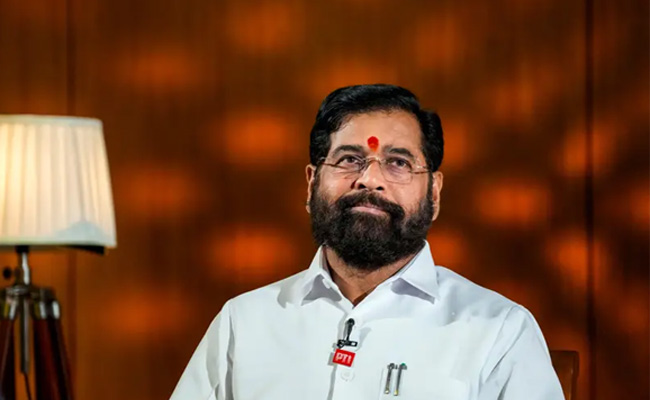
Mumbai (PTI): Maharashtra Deputy Chief Minister Eknath Shinde on Sunday said the long-awaited ‘missing link’ on the Mumbai-Pune Expressway, aimed at bypassing the winding Bhor Ghat section and improving safety, will be inaugurated on May 1.
Shinde, who inspected the project site, said the new stretch will make the expressway fully access-controlled, easing congestion in the hilly section.
Chief Minister Devendra Fadnavis is likely to inaugurate the 13.3-km-long missing link, which connects Khopoli on the Mumbai side to Kusgaon near Lonavala, on Maharashtra Day, which is celebrated on May 1, he said.
The deputy CM said that 99 per cent of the project work has been completed. “I personally inspected the quality of work and found it satisfactory. The remaining minor works will be completed in the next few days,” Shinde said.
Shinde said the new alignment will bypass sharp curves and accident-prone stretches in the ghat section, helping reduce delays and improve commuter safety. He claimed accidents in the section would reduce substantially once the project becomes operational.
“The missing link project will make travel between Mumbai and Pune quicker, safer and more convenient, and will contribute significantly to the state’s development,” he said.
The Rs 6,700-crore project, developed by the Maharashtra State Road Development Corporation (MSRDC), includes two tunnels, high viaducts and a cable-stayed bridge over Tiger Valley.
The missing link will reduce the travel distance between Mumbai and Pune by approximately 6 km and shorten the journey time by 20 to 30 minutes, said officials.
Initially, only light motor vehicles and buses will be permitted on the new stretch to reduce congestion on the existing ghat section, officials said, adding that heavy goods vehicles will be prohibited due to safety concerns.
“There will be no toll hike because of the missing link project. No increase has been proposed at the Khalapur toll plaza either,” Shinde said.
The project comprises two eight-lane tunnels of 1.75 km and 8.92 km in length and two viaducts measuring 850 metres and 650 metres, said officials. It has been designed to bypass the old Khandala ghat section, a winding route that has long slowed down traffic and posed safety risks, said officials.
The 650-metre viaduct will feature what officials described as India’s tallest road cable-stayed bridge, with pylons rising to 182 metres, taller than those on the Bandra-Worli Sea Link.
Officials claimed that the tunnels have a width of 23.75 metres and are among the widest road tunnels in the world. An MSRDC official said the tunnel is likely to be included in the Guinness Book of Records.
The route runs beneath the Lonavala lake area and was executed in difficult terrain marked by heavy rainfall and strong winds, officials said.
Shinde said projects such as the missing link would boost access to tourist destinations such as Lohagad Fort, Visapur Fort and Karla Caves.
MP Shrirang Barne, former corporator Abasaheb Bagul, MSRDC Managing Director Anilkumar Gaikwad and senior engineers from executing agencies were present during the inspection, officials said.
Krishnamurthy Subramanian, executive chairman of construction and engineering company Afcons International Private Limited, said the journey to completion of “India’s highest road cable-stayed bridge” was challenging.
“The bridge, located in the Sahyadri region, presented extreme challenges, including narrow ridges that left little room for heavy machinery, sudden wind speeds reaching up to 100 kmph, and dense fog reducing visibility to a few metres. Despite these conditions, we are proud to deliver this engineering marvel,” he said.
The expressway, spanning approximately 95 km, holds the distinction of being India's first access-controlled highway.