Actor Nawazuddin Siddiqui's wife tells HC she, her 2 kids have been thrown out of home

Mumbai, Mar 3: Bollywood actor Nawazuddin Siddiqui's estranged wife on Friday informed the Bombay High Court that she and her two minor kids have been thrown out of her mother-in-law's residence in suburban Mumbai and they have no financial support.
Advocate Rizwan Siddiquee, appearing for the actor's wife, told a bench of Justices A S Gadkari and P D Naik that the situation between the estranged couple was hostile.
The bench was hearing a habeas corpus (produce the person) petition filed by Nawazuddin Siddiqui seeking a direction to his estranged wife to produce his children before the court.
The 48-year-old actor had claimed that his wife had brought the children from Dubai to India without informing him and the change of location was affecting their education as they were not attending school.
Nawazuddin Siddiqui's wife had been living with the children at her mother-in-law's residence in Mumbai.
Last week, the high court had suggested the couple to amicably resolve issues related to the children and sought to know from the wife about their education.
On Friday, advocate Siddiquee told the court that the actor's wife and her two children -- a 12-year-old daughter and a seven-year-old son -- have been thrown out of the home with just Rs 81 in her possession.
The three are now living with a relative, he said, adding that while the boy was too young to say anything, the girl has categorically refused to meet her father.
The court directed advocate Siddiquee to put all these details in an affidavit and posted the matter for further hearing after a week.
Let the Truth be known. If you read VB and like VB, please be a VB Supporter and Help us deliver the Truth to one and all.
8 children between ages of 1 and 14 dead after mass shooting in Louisiana, police say
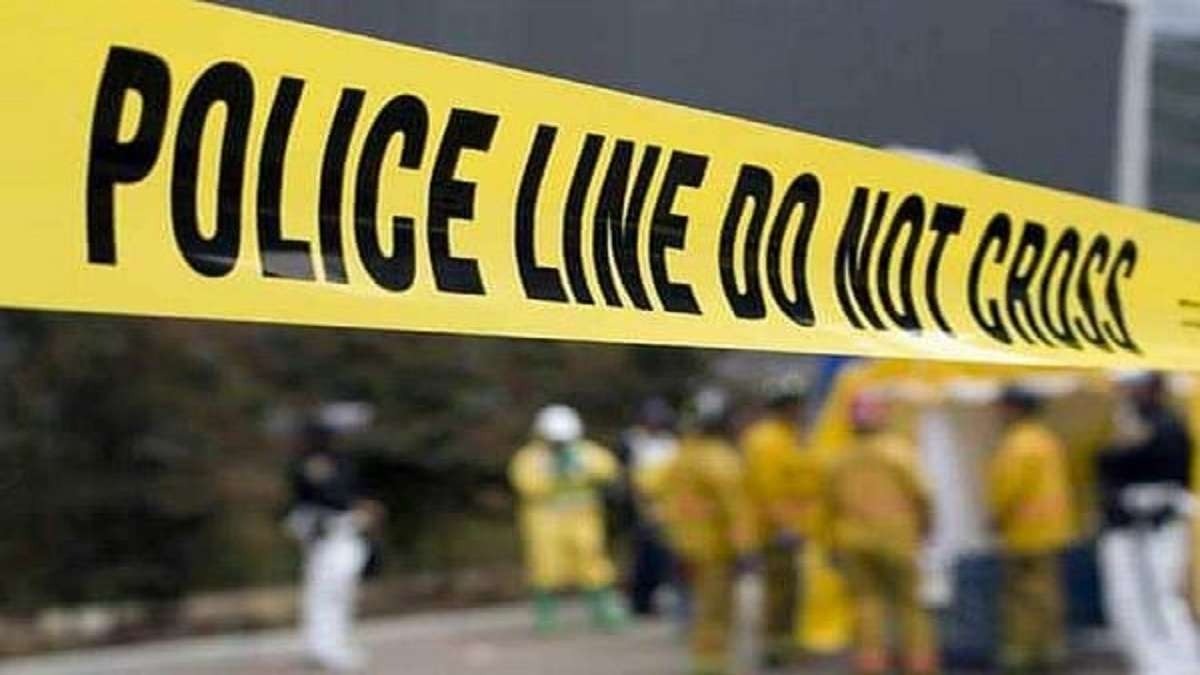
Shreveport(US) (AP): A gunman in Louisiana killed eight children in shootings at two different homes early Sunday in the nation's deadliest mass shooting in more than two years, police in Shreveport said.
The victims ranged in age from one to about 14 years old, said Shreveport police spokesperson Chris Bordelon. A total of 10 were shot and some of the children were related to the suspect, Bordelon said.
The gunman later died after a chase with officers who fired at the suspect, Bordelon said. The suspect stole a car while leaving the scene of the shootings and was followed by police, according to Bordelon.
Police did not release the name of the suspect but did say he was an adult male. The shootings were the result of a “domestic disturbance,” Bordelon said.
Officials said they were still gathering details at the crime scenes south of downtown Shreveport — the two homes and a third location.
“This is an extensive scene unlike anything most of us have ever seen,” he said.
It was the deadliest mass shooting in the US since eight people were killed in a Chicago suburb in January 2024, according to a database maintained by The Associated Press and USA Today in partnership with Northeastern University.
At a news conference outside the residence where one of the shootings occurred, officials appeared stunned, requesting patience and prayers from the community as they sorted through multiple crime scenes.
“I just don't know what to say, my heart is just taken aback,” Shreveport Police Chief Wayne Smith said. “I cannot begin to imagine how such an event could occur.”
“This is a tragic situation — maybe the worst tragic situation we've ever had,” said Tom Arceneaux, mayor of the city in northwestern Louisiana with about 180,000 residents. “It's a terrible morning.”
Louisiana State Police say their detectives have been asked by Shreveport police to investigate. In a statement, state police say no officers were harmed in the shooting that involved an officer after a police pursuit into Bossier City on Sunday morning.
State police are asking anyone with pictures, video or information to share it with state police detectives.
Louisiana Gov Jeff Landry said in a statement that he and his wife were heartbroken. “We're deeply grateful to the law enforcement officers and first responders working tirelessly on the scene,” he added.