Amitabh Bachchan discharged from hospital after testing negative for COVID
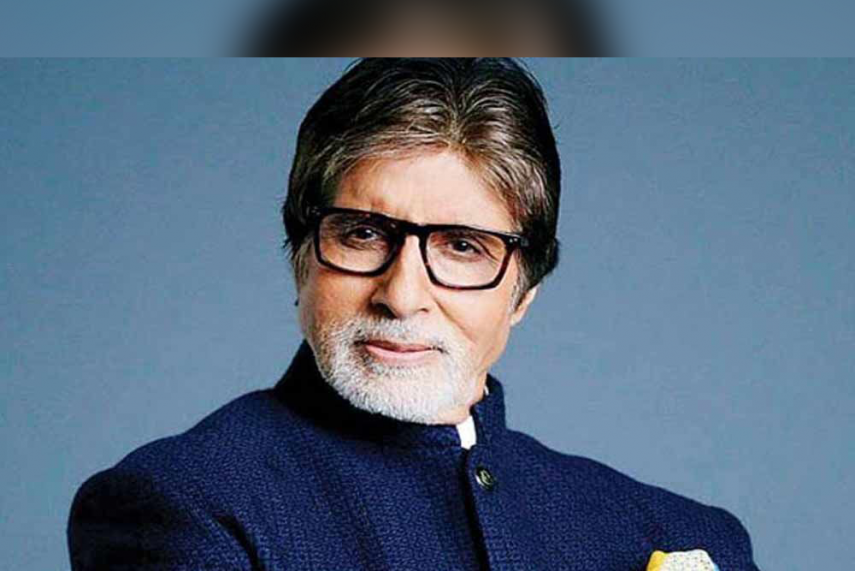
Mumbai: Bollywood megastar Amitabh Bachchan was on Sunday discharged from the hospital after testing negative for Coronavirus in his latest COVID-19 test.
The news was shared by Abhishek Bachchan who was also admitted with Amitabh after several members of their family tested positive for COVID-19 last month.
ALSO READ: Amit Shah tests positive for COVID-19, to be hospitalized
Promising his fans of beating the virus Abhishek added “I’ll beat this and come back healthier! Promise”.
?? my father, thankfully, has tested negative on his latest Covid-19 test and has been discharged from the hospital. He will now be at home and rest. Thank you all for all your prayers and wishes for him. ??
— Abhishek Bachchan (@juniorbachchan) August 2, 2020
I, Unfortunately due to some comorbidities remain Covid-19 positive and remain in hospital. Again, thank you all for your continued wishes and prayers for my family. Very humbled and indebted. ??
— Abhishek Bachchan (@juniorbachchan) August 2, 2020
I’ll beat this and come back healthier! Promise. ??
Let the Truth be known. If you read VB and like VB, please be a VB Supporter and Help us deliver the Truth to one and all.
No contract was signed with Muzarabani for PSL stint, but verbal agreement was reached: PCB
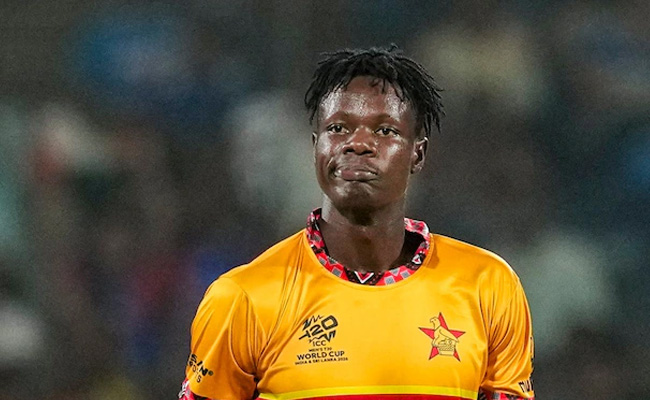
Karachi (PTI): The Pakistan Cricket Board admitted that no contract was ever sent to Blessing Muzarabani to play in the PSL but insisted that a firm verbal agreement was reached with the Zimbabwe pacer and he had breached the trust while joining the Indian Premier League.
The PCB recently imposed a two-year ban on Muzarabani from playing in the PSL claiming he breached a contract with Islamabad United and joined IPL side Kolkata Knight Riders.
The fast bowler’s agent, Rob Humphries tore into the PCB on Sunday in a social media post for the ban and claimed his client neither took part in the PSL players auction nor signed any contract with Islamabad United.
Humphries said the ban was excessive and unjustified.
But sources in the PCB while conceding no contract was signed with Rabbani claimed that a clear verbal agreement between both the parties was reached.
The source said this was also clear in the PCB announcement about the ban that despite a clear offer and an unequivocal acceptance of essential terms, the player chose to disregard these obligations in favour of a conflicting arrangement.
The PCB source said once essential terms — including remuneration and structure — are agreed upon through written correspondence, a binding obligation is formed.
But Humphries said after talks began with Islamabad United they had made it clear that unless they had a contract they couldn’t apply for an NOC from the Zimbabwe Cricket.
“We've remained quiet publicly over the last six weeks because we did not wish to create or cause anymore animosity for the Pakistan Super League/Pakistan Cricket Board than they had already created for themselves,” Humphries’ statement said.
"[On] 13 February, Blessing [was] approached by Islamabad United about a playing opportunity for the 2026 PSL. The deal [was] agreed subject to obtaining a No Objection Certificate (NOC) from Zimbabwe Cricket.
“An NOC cannot be obtained without a contract from the PSL. Islamabad United/PSL announced the signing to the world via social media,” it said.
Humphries further urged the PCB to gracefully withdraw the ban and accept this situation risen out of an administrative error at their end.
Muzarabani was taken by Islamabad as a replacement for West Indian pacer Shamar Joseph for USD 40,000.