Avoid steroids for bodybuilding, they are dangerous: Salman Khan
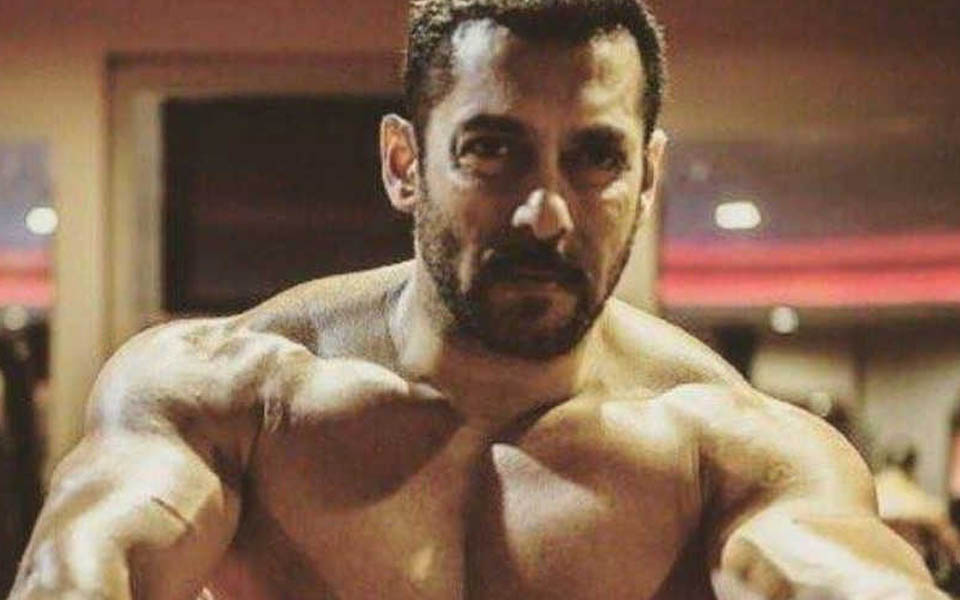
Mumbai, Nov 18: Actor Salman Khan says one should steer clear of steroids to build muscles as such substances may cause health hazards.
Salman, who is an inspiration for fitness-conscious people, said the trend of consuming steroids is "absolutely wrong".
"No one should use it. In fact, a lot of people misuse it. It is really bad for their bodies. Liver, kidneys (are affected). Several people have had heart failures too. It's not a good or right thing to do," Salman, 53, told reporters on Sunday.
"Supplements and protein shakes are still ok, but steroids of this level... You get the body but one can make out it's not a natural body. The body doesn't last long, nor do those people," he added.
The actor was speaking at a special event preview of 'Being Strong' fitness equipment, designed and conceptualised by him.
"This is about bodybuilding, health, fitness, something I've been associated with for a long time. We have been inspired looking at some people and there are others who've been inspired by us. All fitness fans are here. We have launched this equipment for them at a fixed price," he added.
Let the Truth be known. If you read VB and like VB, please be a VB Supporter and Help us deliver the Truth to one and all.
Two people killed as poultry vehicle rams into parked truck in Belagavi
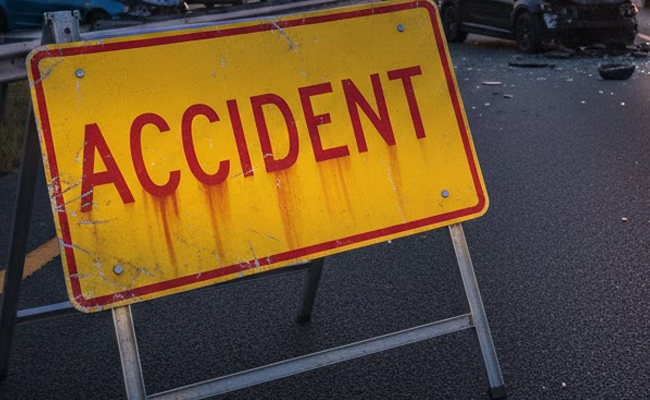
Belagavi (Karnataka) (PTI): Two people were killed, and another was severely injured after a goods vehicle transporting poultry birds allegedly rammed into a stationary truck on a national highway in Belagavi in the early hours of Tuesday, police said.
The deceased have been identified as Wasim (28) and Mubarak (22), both natives of Shivamogga district, they said.
The driver of the vehicle, Basavaraj Eerappa Hanchinamani (37), suffered critical injuries and has been admitted to a hospital, police said.
According to police, the accident occurred when the driver reportedly lost control of the vehicle, allegedly due to drowsiness, and crashed into a truck parked along the highway.
The goods vehicle was en route from Kolhapur to Sorab in Shivamogga district, carrying poultry. Several chickens were also killed in the impact, a senior police officer said.
Police personnel from the Hirebagewadi Police Station visited the spot and conducted an inspection.
Injured people and the bodies of the deceased were shifted to a hospital, police added.