Bishnoi gang threatens Bollywood over Salman Khan link after second Kapil Sharma cafe shooting
“We will kill them”: Harry Boxer warns filmmakers against working with Salman Khan
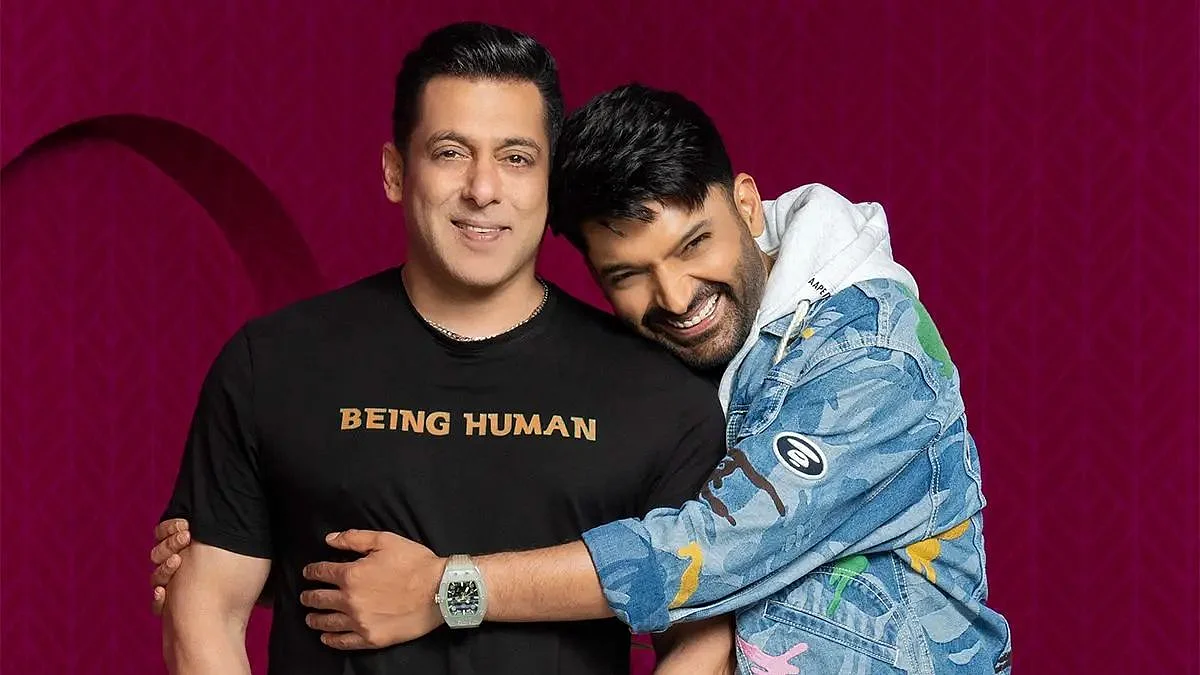
Surrey (Canada): The Lawrence Bishnoi gang has escalated threats against Bollywood personalities, warning filmmakers not to work with actor Salman Khan. This comes after comedian Kapil Sharma’s restaurant, Kap’s Cafe, in Surrey was attacked for the second time on Thursday, a month after a similar shooting on July 8.
According to India Today, in a leaked audio clip, gang member Harry Boxer claimed responsibility for both attacks, stating they were carried out because of Sharma’s association with Salman Khan. “If anyone works with Salman, whether a small-time actor or a small-time director, we will not spare them. We will go to any extent necessary to kill them,” Boxer reportedly said.
The cafe was first targeted in July, when unknown assailants fired multiple rounds before fleeing. Following repairs and reopening, the establishment was attacked again on August 7, with at least half a dozen bullets damaging its windows. CCTV footage shows an armed man firing repeatedly outside the premises.
The Bishnoi gang has had longstanding animosity toward Salman Khan, stemming from the 1998 blackbuck poaching case, in which the actor is the primary accused. Salman was also the first guest on the second season of The Great Indian Kapil Show on Netflix, which premiered on June 21.
A purported social media post by alleged gang associate Goldy Dhillon, invoking religious slogans and claiming responsibility for the attack, warned that if calls from the gang are ignored, similar action will be taken “soon in Mumbai.”
Kapil Sharma has not yet commented publicly on the latest incident. Police investigations into both shootings are ongoing.
Let the Truth be known. If you read VB and like VB, please be a VB Supporter and Help us deliver the Truth to one and all.
Congress using hijab issue to pacify minority anger, alleges Karnataka LoP R Ashoka
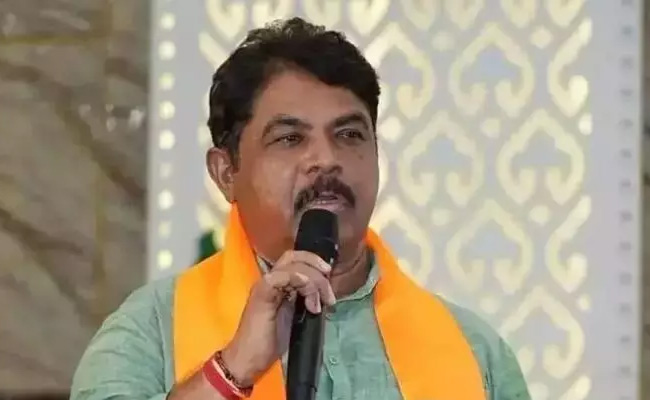
Bengaluru: Leader of Opposition in the Assembly R. Ashoka has accused the Congress government of using the hijab issue to placate what he described as discontent among minority voters after the Davanagere by-election.
In a post on X on Wednesday, Ashoka alleged that the state government, instead of addressing issues such as price rise, corruption, farmers’ distress and law and order, was attempting to retain its minority vote base by reviving the hijab issue.
Referring to the 2022 dress code introduced by the BJP government, which prohibited hijab in schools and colleges, Ashoka said the Karnataka High Court had upheld the policy and emphasised the importance of discipline in educational institutions.
He questioned the Congress government’s move to revisit the issue and asked whether setting aside the court-backed policy to benefit one community could be described as secularism.
Ashoka further alleged that while the government was willing to permit hijab, it continued to prohibit saffron shawls.
He accused the government of dividing students on religious lines rather than treating schools and colleges as spaces of equality.
Drawing a comparison with Mamata Banerjee’s government in West Bengal, Ashoka claimed that excessive appeasement politics had harmed the state and warned that the Congress in Karnataka could face a similar political response.
He said voters in Karnataka would teach the Congress a lesson for what he termed “vote-bank politics” and for compromising constitutional and judicial principles.