CBFC orders 13 cuts in “Bheed”, Swara Bhasker says: 'allergy to facts'
CBFC has asked producers to delete all references to PM Modi, his speeches
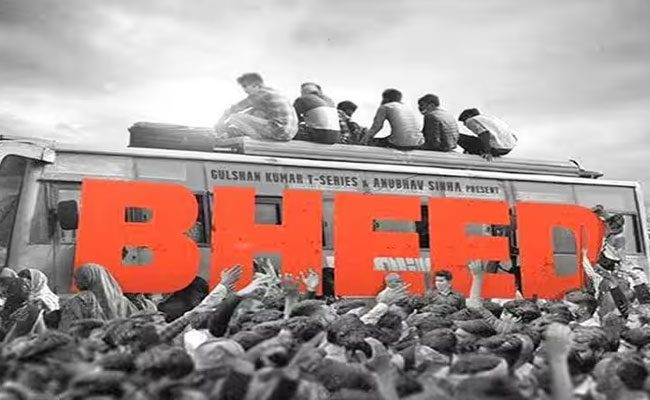
Mumbai: Film Maker Anubhav Sinha’s directorial, Bheed, starring Rajkumar Rao and Bhumi Padnekar in the lead roles has garnered huge attention from the social media and continues to remain under controversy.
The social drama movie was under the scanner of Central Board of Film certification (CBFC) even before its release on March 24th and had become a point of discord since the launch of its trailer. The film is set on the events highlighting a realistic portrayal of the nationwide Lockdown introduced in March 2020.
The first trailer of the film was pulled down, within a week after it was released on Youtube. The trailer was again launched on official channels post alterations
In a recent clampdown , the CBFC had sought the producers (Benaras Media Works) of the film to mandatorily make 13 alterations in the motion picture. The details of the same were shared by Journalist Aroon Deep on his twitter handle.
“India’s allergy to facts” - Swara Bhaskar
The Central Board of Film Certification has suggested a long list of edits for Anubhav Sinha's latest film, Bheed, which has caused a stir on social media. The film, which is a black and white drama starring Rajkummar Rao and Bhumi Pednekar, focuses on the mass migration of workers during the lockdown in India in March 2020.
The list of suggested edits includes the removal of cuss words and some nudity, as well as the deletion of all speeches and references to the Prime Minister, Narendra Modi, in the voice-over. References to the Delhi Chief Minister were also replaced, and the word 'Jihad' was muted from a particular dialogue.
Further changes involved reducing the visuals of police brutality towards migrant workers, deleting direct hitting scenes and changing a dialogue that referenced Partition. Meanwhile, Swara Bhaskar and others on Twitter have expressed their dismay at the edits, calling them censorship and a sign of an "allergy to facts" in India.
The first trailer for the film was also pulled off and re-released with changes, including the omission of a speech by Prime Minister Narendra Modi and the changed dialogue referencing Partition. Director Anubhav Sinha acknowledged the changes but declined to comment on the reasons behind them, saying only that there was a "sanctity" to the film that he did not want to disturb.
Actor Rajkummar Rao also refused to comment on the edits, stating that it was a creative decision made by the filmmakers. The controversy surrounding the edits has sparked a debate about censorship in Indian cinema and the extent to which filmmakers should be able to express themselves freely
Let the Truth be known. If you read VB and like VB, please be a VB Supporter and Help us deliver the Truth to one and all.
8 children between ages of 1 and 14 dead after mass shooting in Louisiana, police say
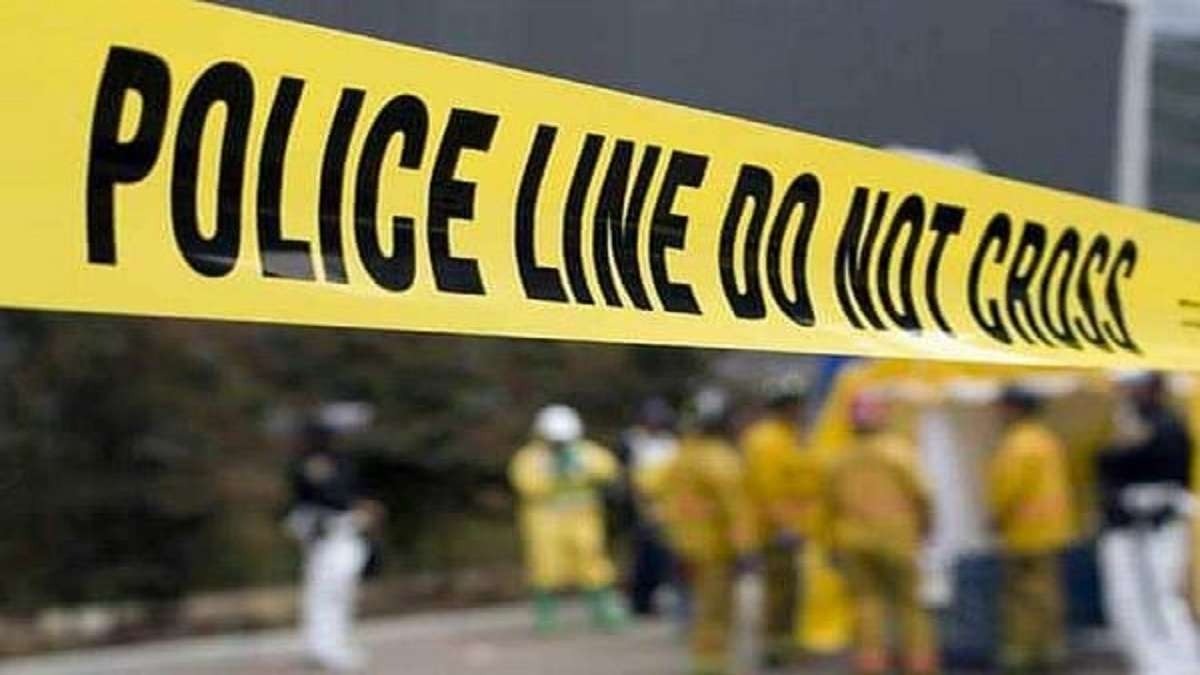
Shreveport(US) (AP): A gunman in Louisiana killed eight children in shootings at two different homes early Sunday in the nation's deadliest mass shooting in more than two years, police in Shreveport said.
The victims ranged in age from one to about 14 years old, said Shreveport police spokesperson Chris Bordelon. A total of 10 were shot and some of the children were related to the suspect, Bordelon said.
The gunman later died after a chase with officers who fired at the suspect, Bordelon said. The suspect stole a car while leaving the scene of the shootings and was followed by police, according to Bordelon.
Police did not release the name of the suspect but did say he was an adult male. The shootings were the result of a “domestic disturbance,” Bordelon said.
Officials said they were still gathering details at the crime scenes south of downtown Shreveport — the two homes and a third location.
“This is an extensive scene unlike anything most of us have ever seen,” he said.
It was the deadliest mass shooting in the US since eight people were killed in a Chicago suburb in January 2024, according to a database maintained by The Associated Press and USA Today in partnership with Northeastern University.
At a news conference outside the residence where one of the shootings occurred, officials appeared stunned, requesting patience and prayers from the community as they sorted through multiple crime scenes.
“I just don't know what to say, my heart is just taken aback,” Shreveport Police Chief Wayne Smith said. “I cannot begin to imagine how such an event could occur.”
“This is a tragic situation — maybe the worst tragic situation we've ever had,” said Tom Arceneaux, mayor of the city in northwestern Louisiana with about 180,000 residents. “It's a terrible morning.”
Louisiana State Police say their detectives have been asked by Shreveport police to investigate. In a statement, state police say no officers were harmed in the shooting that involved an officer after a police pursuit into Bossier City on Sunday morning.
State police are asking anyone with pictures, video or information to share it with state police detectives.
Louisiana Gov Jeff Landry said in a statement that he and his wife were heartbroken. “We're deeply grateful to the law enforcement officers and first responders working tirelessly on the scene,” he added.