Saina Nehwal biopic not shelved, says Amole Gupte
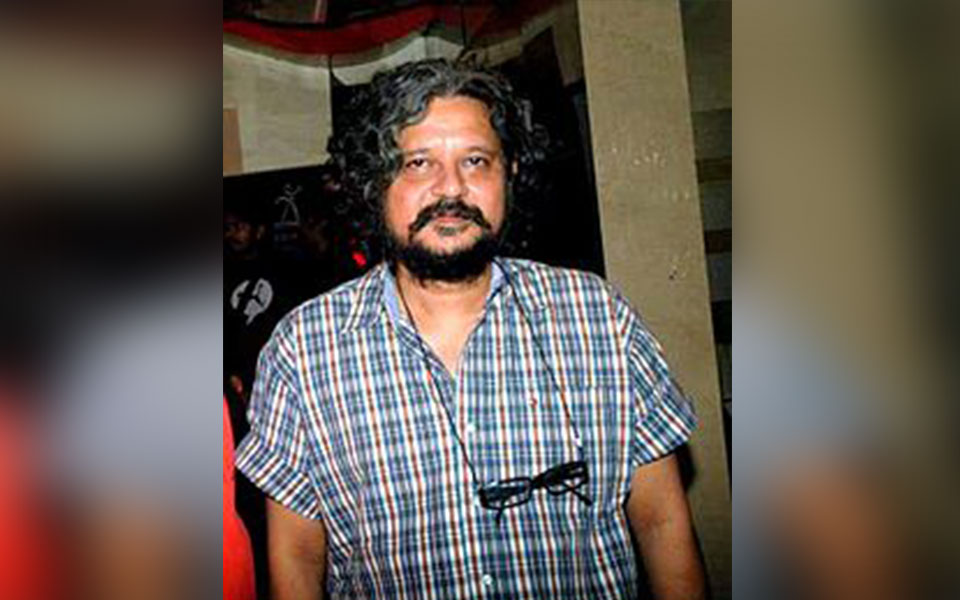
Mumbai: Filmmaker Amole Gupte says the biopic on badminton ace Saina Nehwal has not been shelved as they plan to start shooting in September this year.
There were reports that the film, starring Shraddha Kapoor as Nehwal, was put on the back-burner after hitting a roadblock.
When asked if the film has been shelved, Gupte told PTI, "I didn't respond to reports because I know what I am doing. It is better that the production house speaks, which is T-Series, rather than me. We are definitely going on floors in September."
The director said he has been working on the film since 2015 and will not rush it.
"I have already given two-and-a-half years of my life.
I am used to this pace (of working). There is a lot of preparation required for this film. We are at it," he said.
Currently, Gupte is awaiting the TV premiere of his last release, "Sniff". The film will be airing on &Pictures on January 14 and he is glad the film is getting a wider platform.
"Few minds in this nation respect children's content. I have seen some nice films perishing at the box office race because they need support and P&A (promotion and advertising) just to put it out there. It is an uphill task to create content for children and showcase their world to the adults."
Gupte is known for telling children's stories on the celluloid with films such as "Stanley Ka Dabba" and "Hawaa Hawaai".
He was also the writer and creative director for the National Award-winning film "Taare Zameen Par".
The director said while his movies enjoy great viewership on TV, it is tough to get families to theatres.
"If there is a U/A film, the adult in the family takes the children along. But if there is a children's film running in the theatre, the thought does not cross the mind of an Indian parent (of going for it)... (this) has taken me a lot of mulling over how to break this jinx."
The director said he has learnt the trick of first approaching the school and their heads to at least get children to cinema houses.
While some might say that working with children and animals is a big struggle, Gupte said it is the easiest bit but the toughest part is "convincing the adult world of our nation to take the children out to see the film."
"That's my struggle," he said.
Let the Truth be known. If you read VB and like VB, please be a VB Supporter and Help us deliver the Truth to one and all.
Allahabad HC orders probe into 'reinstatement' of teacher in UP's Barabanki
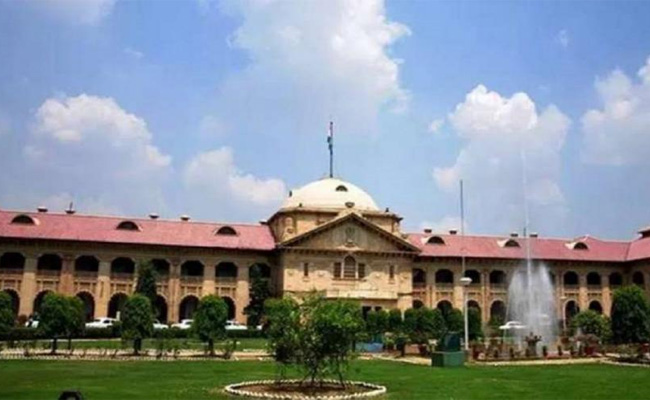
Lucknow (PTI): The Lucknow Bench of the Allahabad High Court on Friday ordered a probe by the special task force (STF) into alleged irregularities in the rejoining of a teacher at City Intermediate College in Barabanki, observing that the reinstatement appeared to be prima facie illegal.
The court also directed the recovery of the salary paid to the teacher during the disputed period.
A bench of Justice Rajeev Singh passed the order on a petition filed by the college management committee. The court expressed doubts over the roles of the District Inspector of Schools (DIOS), Barabanki, the college principal and the teacher concerned and hence, directed a detailed inquiry into the matter.
Taking note of alleged manipulation of records and misleading submissions, the court ordered the immediate transfer of the Barabanki DIOS to ensure a fair probe. It also directed the initiation of disciplinary proceedings against the then joint director of education of the Ayodhya division.
In its order, the court found that the teacher, Abhay Kumar, was initially appointed as an assistant teacher in 2018 but joined an Eklavya Model Residential School in Chhattisgarh as a lecturer in June 2024 without obtaining permission from the management. His subsequent request to retain the lien was rejected.
Despite this, he was allowed to rejoin the Barabanki College in September 2025 on the directions of the joint director of education and the DIOS, and was even paid the salary for October 2025. The court termed the rejoining "wholly illegal" and lacking any legal basis.
The bench also expressed concern over lapses in communication within the education department and directed the Uttar Pradesh chief secretary to ensure that official orders are communicated through email and WhatsApp as well, to prevent disputes.
The matter is next listed for hearing on May 28 when a compliance report is sought.