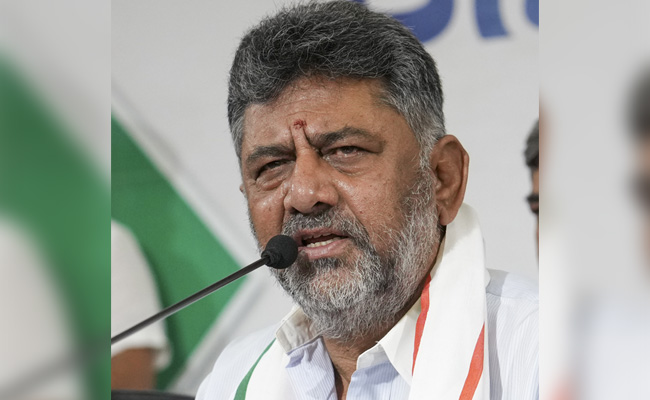
Tanushree Dutta says she has received legal notices from Nana Patekar, Vivek Agnihotri

Mumbai, Oct 4 : Actor Tanushree Dutta says she was slapped with two legal notices on Thursday - from veteran actor Nana Patekar and filmmaker Vivek Agnihotri, respectively.
In a recent TV interview, Dutta alleged Patekar misbehaved with her when the two were shooting a special song for "Horn Ok Pleassss" 10 years ago, a claim she reiterated.
Following the resurgence of the controversy, she also accused Agnihotri of behaving inappropriately with her during the making of 2005 film "Chocolate".
"I have been slapped with two legal notices today. One from Nana Patekar and another from Vivek Agnihotri.
"This is the price you pay for speaking out against harassment, humiliation and injustice in India. Both Nana's and Vivek Agnihotri's teams are on a smear campaign against me by constructing outright lies and misinformation on social media platforms and other public platforms," Dutta said in a statement issued by her PR team, Shimmer Entertainment.
The actor, a former Miss India - Universe, claimed the supporters of Patekar and Agnihotri are "weaving damning allegations" against her.
She alleged threat to her life, saying while the police personnel deployed at her house were on a lunch break "two unnamed suspicious individuals tried getting into our home uninvited but were stopped just in time".
"Violent threats are being issued against me by the Maharashtra Navnirman Sena (MNS) party," she claimed.
Dutta, who is now based in the US, said she stands to lose this new life too if she allowed herself "to get embroiled in the court system of India".
After the allegations resurfaced against Patekar last week, the veteran actor laughed off her claim, asking what he could do about it.
The 67-year-old actor had said he would see if he could take any legal step.
Dutta has garnered support from many in the film industry which includes names such as Farhan Akhtar, Priyanka Chopra, Twinkle Khanna, Hansal Mehta, Richa Chadha and Swara Bhasker, among others.
Let the Truth be known. If you read VB and like VB, please be a VB Supporter and Help us deliver the Truth to one and all.
Noida airport to begin ops next month with IndiGo flights to Lucknow, Bengaluru
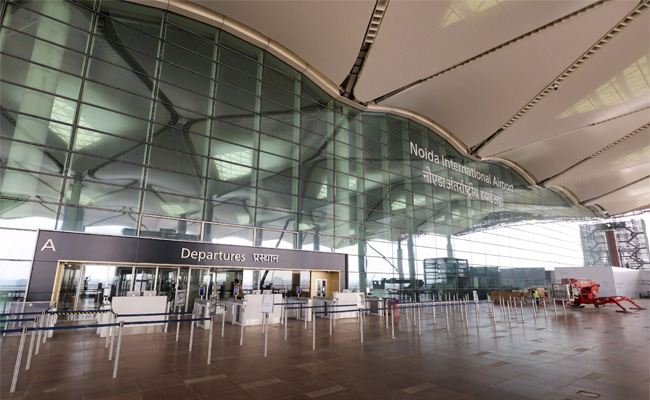
Noida (PTI): IndiGo on Thursday announced that it will start commercial flight operations from the Noida International Airport in Jewar from June 15, becoming the launch carrier for the greenfield airport in western Uttar Pradesh.
The first day flights will be to and fro Lucknow and Bengaluru, the airline said in a statement.
Noida International Airport was inaugurated by Prime Minister Narendra Modi on March 28.
IndiGo said it will be the first carrier to start commercial services from the airport, the third in the National Capital Region (NCR).
According to the airline, inaugural flights on June 15 will operate on the Lucknow-Noida-Bengaluru-Noida-Lucknow sector.
As per the announced schedule, flight 6E 2278 will depart from Lucknow at 7.05 am and arrive in Noida at 8.05 am before departing for Bengaluru at 8.35 am and landing there at 11.05 am.
The return flight, 6E 2279, will leave Bengaluru at 3.45 pm and reach Noida at 6.20 pm before departing for Lucknow at 6.55 pm and arriving there at 8 pm.
IndiGo said it will gradually introduce direct flights connecting Noida International Airport to more than 16 destinations across the country, including metro cities such as Bengaluru and Hyderabad, besides tier-2 and tier-3 cities like Amritsar, Chandigarh, Dharamsala, Jaipur, Lucknow, Navi Mumbai, Pantnagar and Srinagar.
The airline said bookings for the flights are being opened in phases through its website, mobile application and authorised travel partners.
Aloke Singh, Chief Strategy Officer of IndiGo, said the airline was pleased to announce the launch of operations from Noida International Airport.
"Strategically positioned on the Yamuna Expressway, Noida International Airport will be the new gateway for western Uttar Pradesh alongside the NCR. As we continue to expand our operations, we remain committed to delivering affordable, on-time and hassle-free travel experiences," Singh said.
IndiGo said the airport is expected to emerge as a major domestic aviation hub and will strengthen connectivity between Delhi-NCR and western Uttar Pradesh through integrated road and rail infrastructure.