Apple will release two iPhones with 5G in 2020: Report
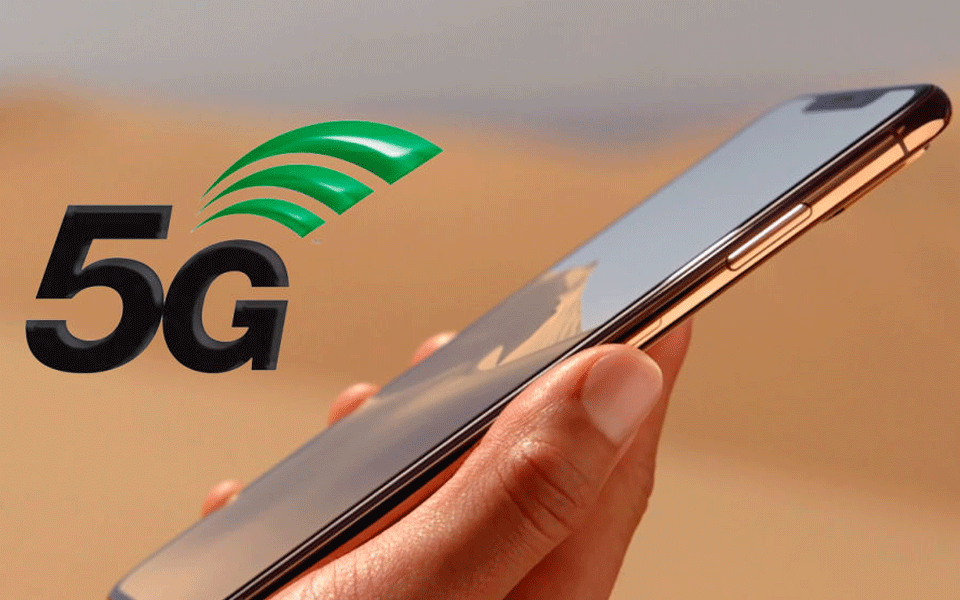
San Francisco: One of the most trusted sources of Apple rumors, analyst Ming-Chi Kuo said the company would unveil 5G iPhones in 2020, while Qualcomm is still expected to be its primary supplier of 5G modems.
According to media reports, Cupertino-based company is expected to launch three iPhones next year. Apple's 6.7-inch and 5.4-inch iPhones will be 5G-capable, while a mid-size 6.1-inch iPhone won't have 5G and will likely be cheaper without 5G features, news website MacRumors reported.
The noted Apple expert and predictor also believes that Apple will have its own 5G modem ready by 2022 to 2023, which should reduce its dependance on Qualcomm.
In 2019, Apple's iPhone XR is expected to feature a 3,110mAh battery which is bigger than the 2,942mAh battery that the company added in iPhone XR launched in 2018.
It is also being speculated that the upcoming iPhone XR 2 is coming with Apple's A13 processor made with a second generation 7nm process that would increase battery performance, thus offering a longer battery life as compared to the iPhone XR.
Meanwhile, the iPhone-maker is planning to upgrade the camera resolution and set-up in its 2019 line-up.
While the front camera would be upgraded from 7MP to 12MP, a triple-camera setup would be implemented in the 6.5-inch and 5.8-inch OLED iPhones, along with a new super-wide 12MP lens, according to Ming-Chi Kuo.
Let the Truth be known. If you read VB and like VB, please be a VB Supporter and Help us deliver the Truth to one and all.
Bengaluru jail introduces biometric tracking system for prisoners
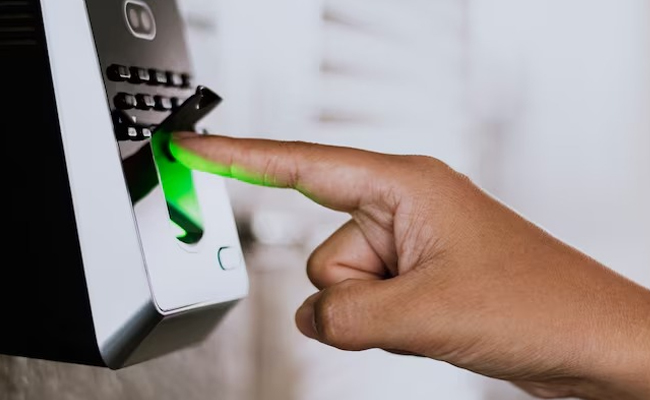
Bengaluru: In a bid to curb misconduct and illegal activities inside Parappana Agrahara Central Prison, prison authorities have introduced a new ‘Prisoners Tracking Movement System’ under which inmates will have to undergo biometric verification while entering every barrack.
According to jail officials, biometric systems have been installed across all major sections of the prison, including barracks, visitor rooms, hospital, canteen, kitchen, library, playground, handicraft units and bakery sections. Staff members have also been deployed at these locations.
Officials said inmates visiting the visitors’ room must now obtain a digital token after biometric verification. Details such as the prisoner’s name, identification number and entry time will be updated in the prison software system. This will help authorities maintain a complete digital record of inmates visiting and returning from meeting rooms.
Similar systems have also been introduced at entry points of the hospital, library and other barracks accessed for work-related purposes. Officials said the system will help identify prisoners involved in suspicious or illegal activities with other inmates and enable authorities to track how much time a prisoner spends at different locations inside the prison.
Authorities stated that AI-powered cameras were already being used inside the prison to monitor inmates as well as prison staff. Along with this, digital tracking of prisoner phone calls and a digital token system for visitor meetings have now been added to strengthen surveillance over inmate movement. Officials said the project has been implemented at a cost of around Rs 2.25 crore.
The prison department has also introduced a canteen usage tracking system to monitor prisoners’ spending patterns. Instead of direct cash payments, inmates can purchase bakery items and snacks using wallets or coupons issued within the prison system.
Officials said the digital system will record details including the buyer’s name, items purchased, quantity, date, time and remaining wallet balance. This will allow prison authorities to maintain complete expenditure records of inmates.