American Specialty Foods Co. celebrate 10th anniversary in Dubai
Unveils new catalogue with over 650 products
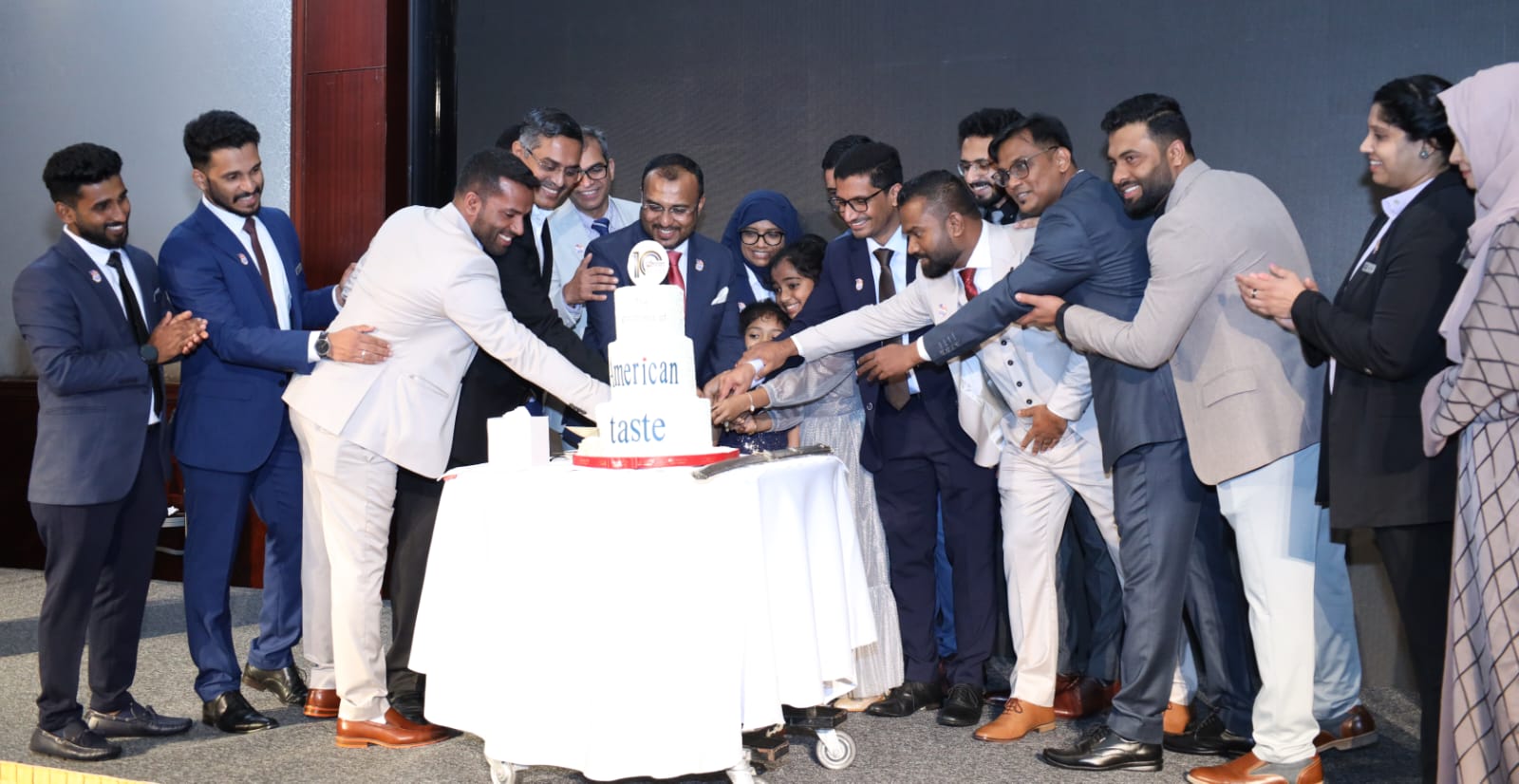
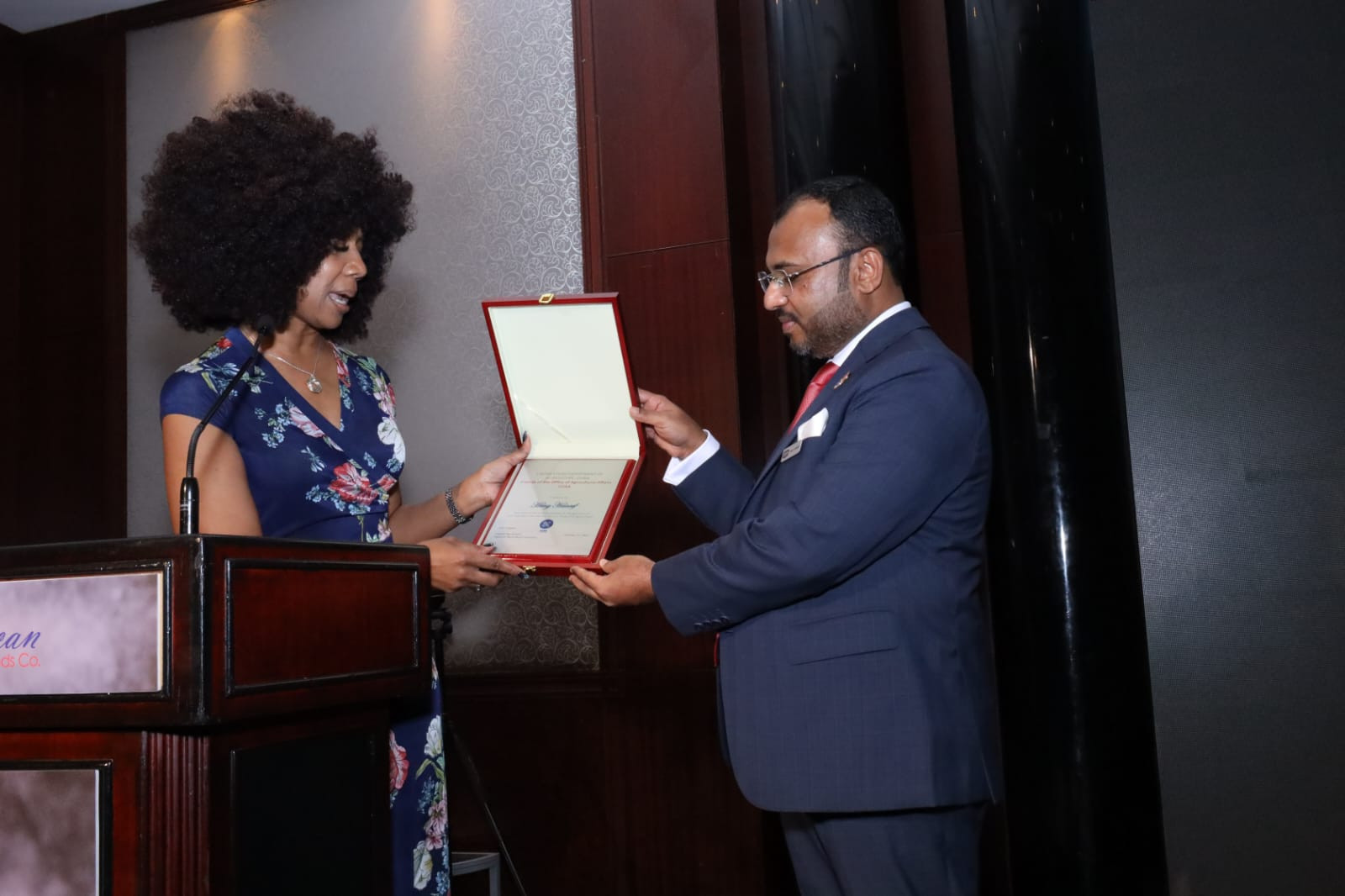
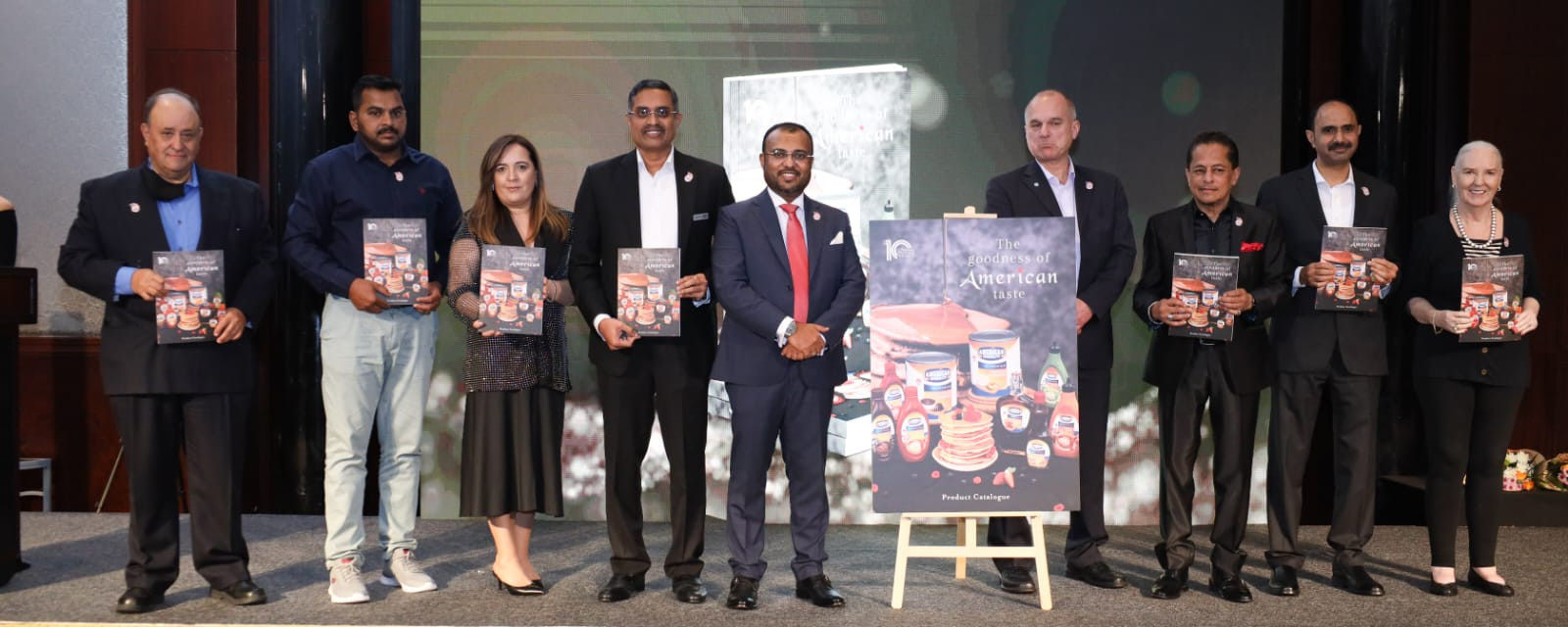
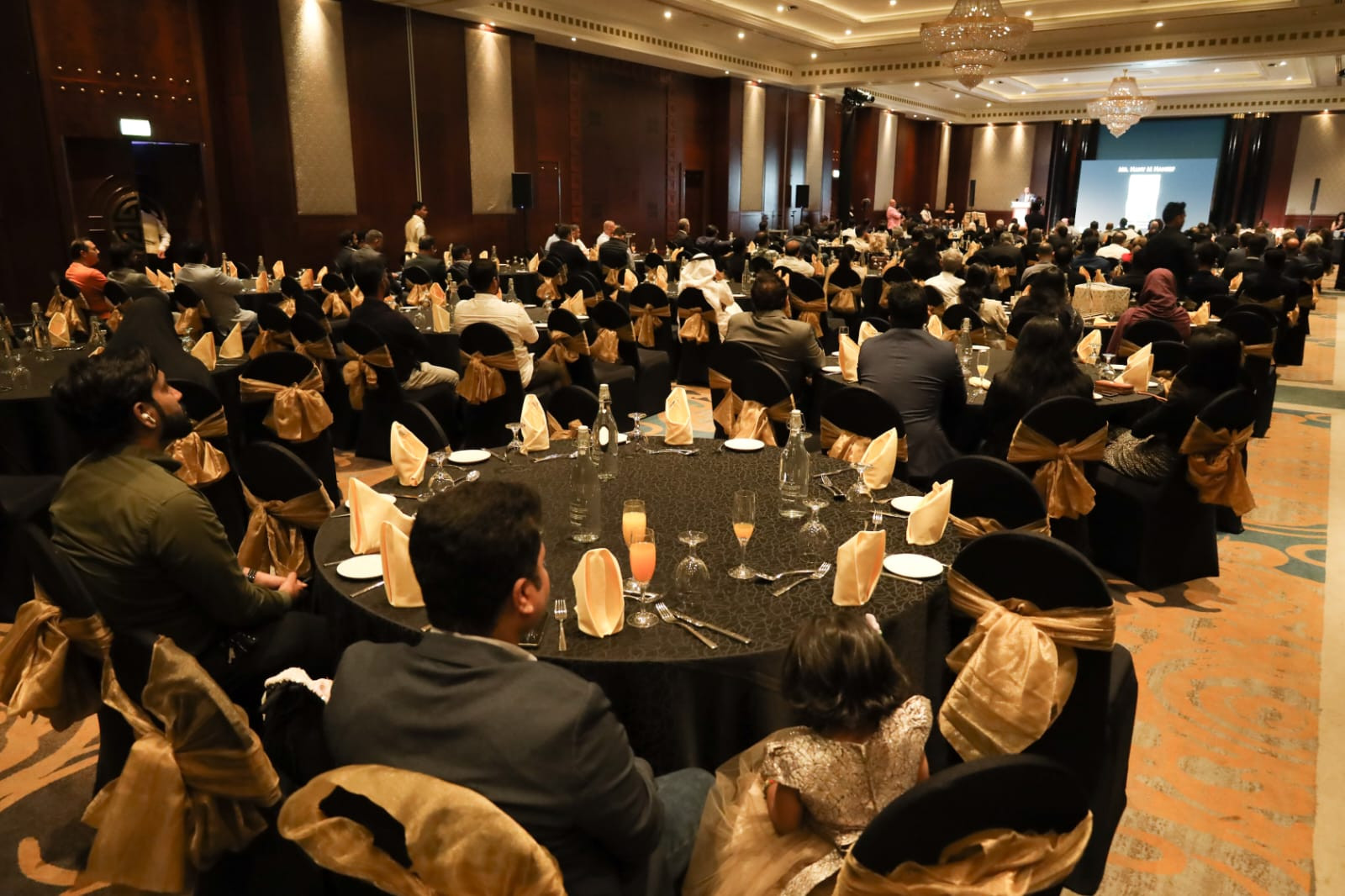
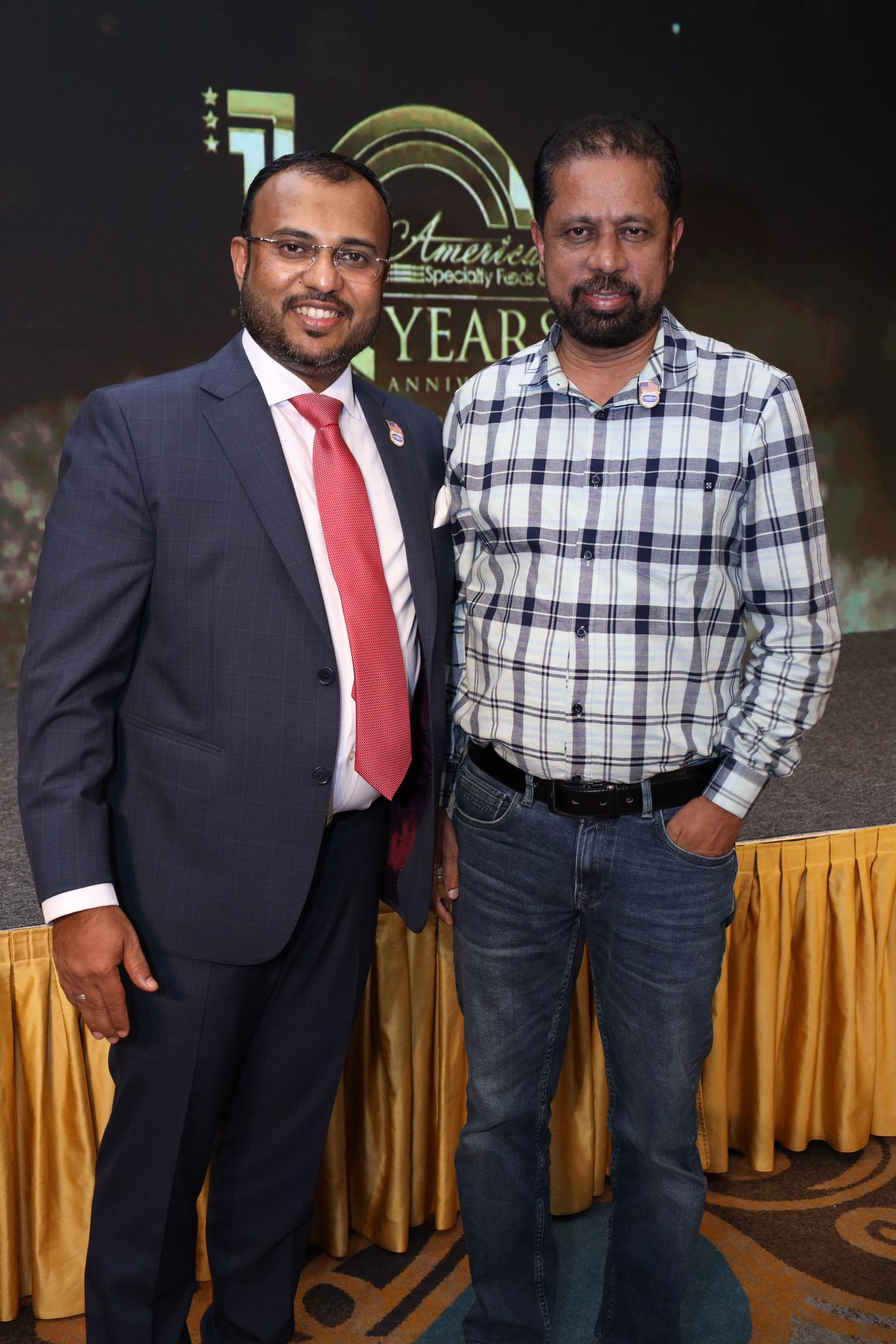
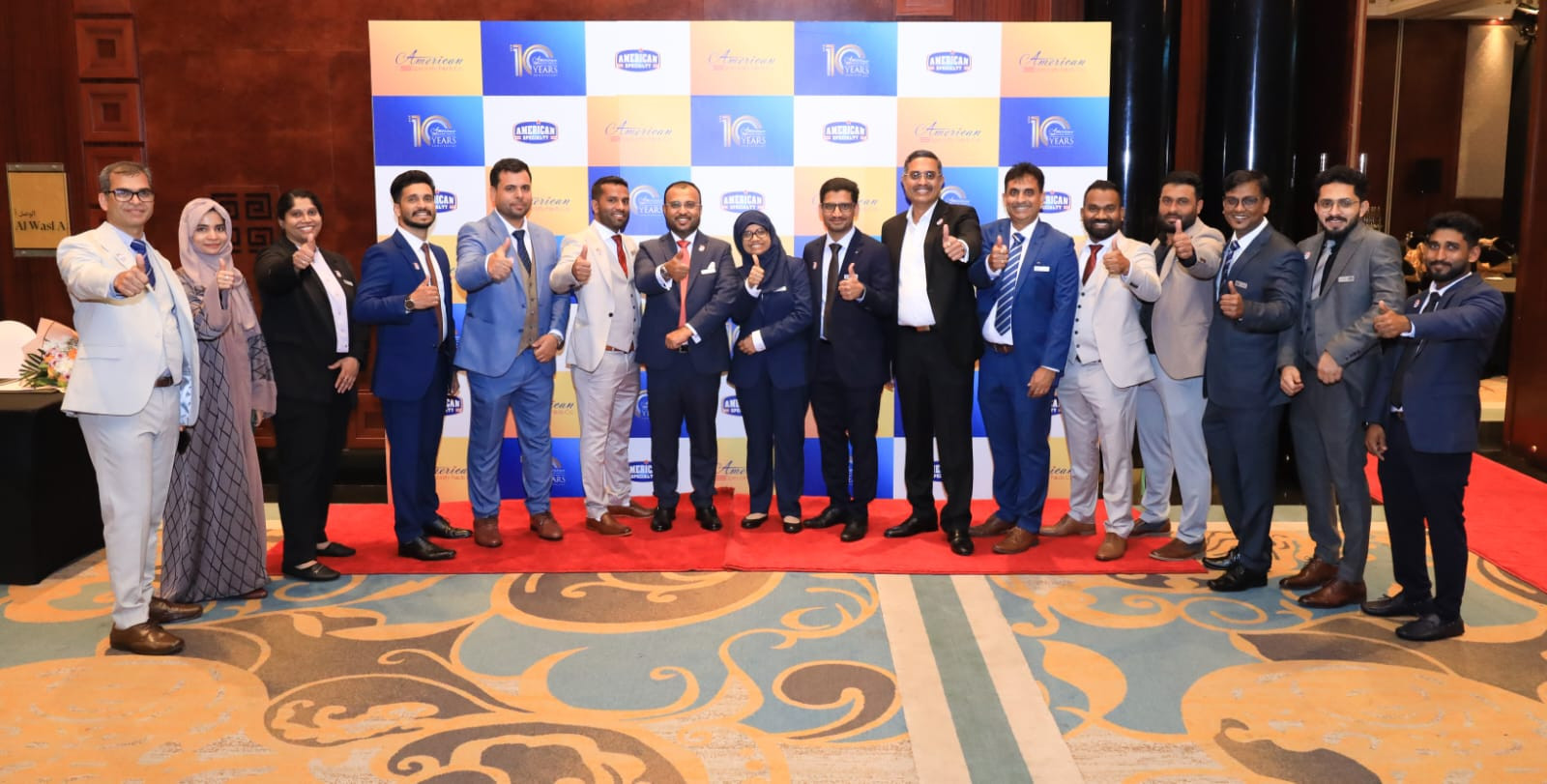
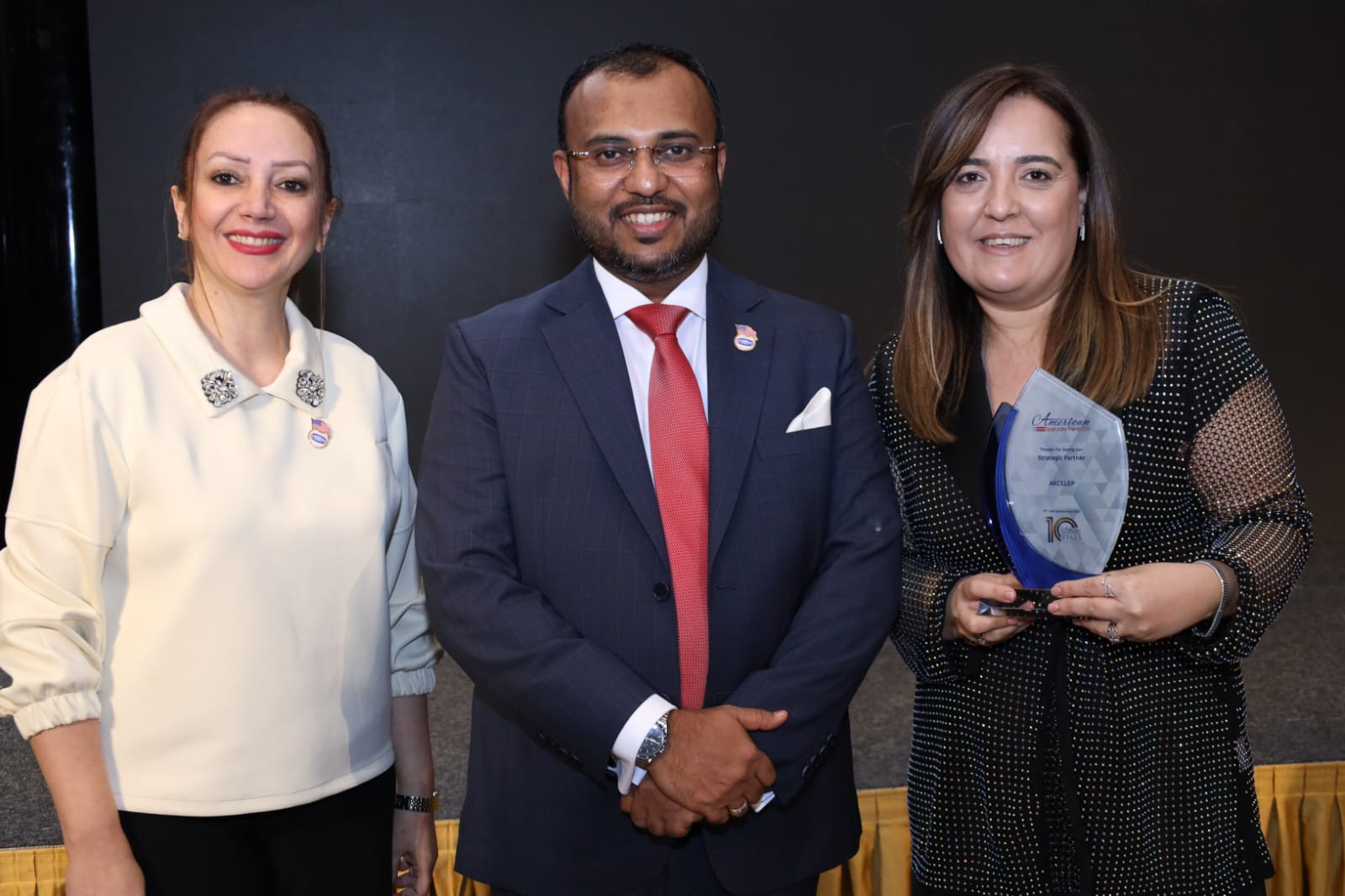
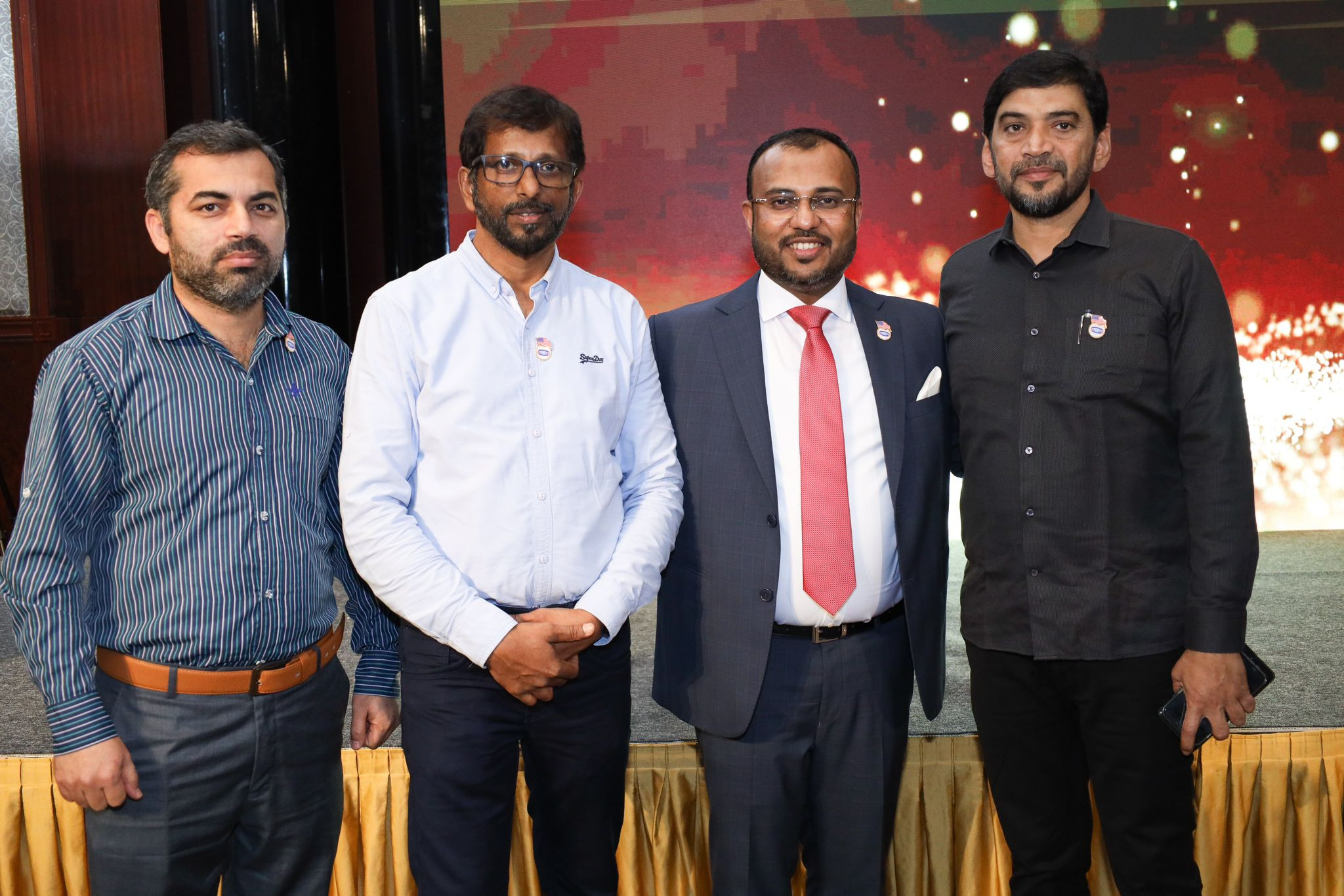
American Specialty Foods Co, on February 19 celebrated its 10th anniversary in Dubai with Valerie Brown, Regional Agricultural Conselor at USDA, US Consulate General Dubai attending the event as the Guest of Honor.
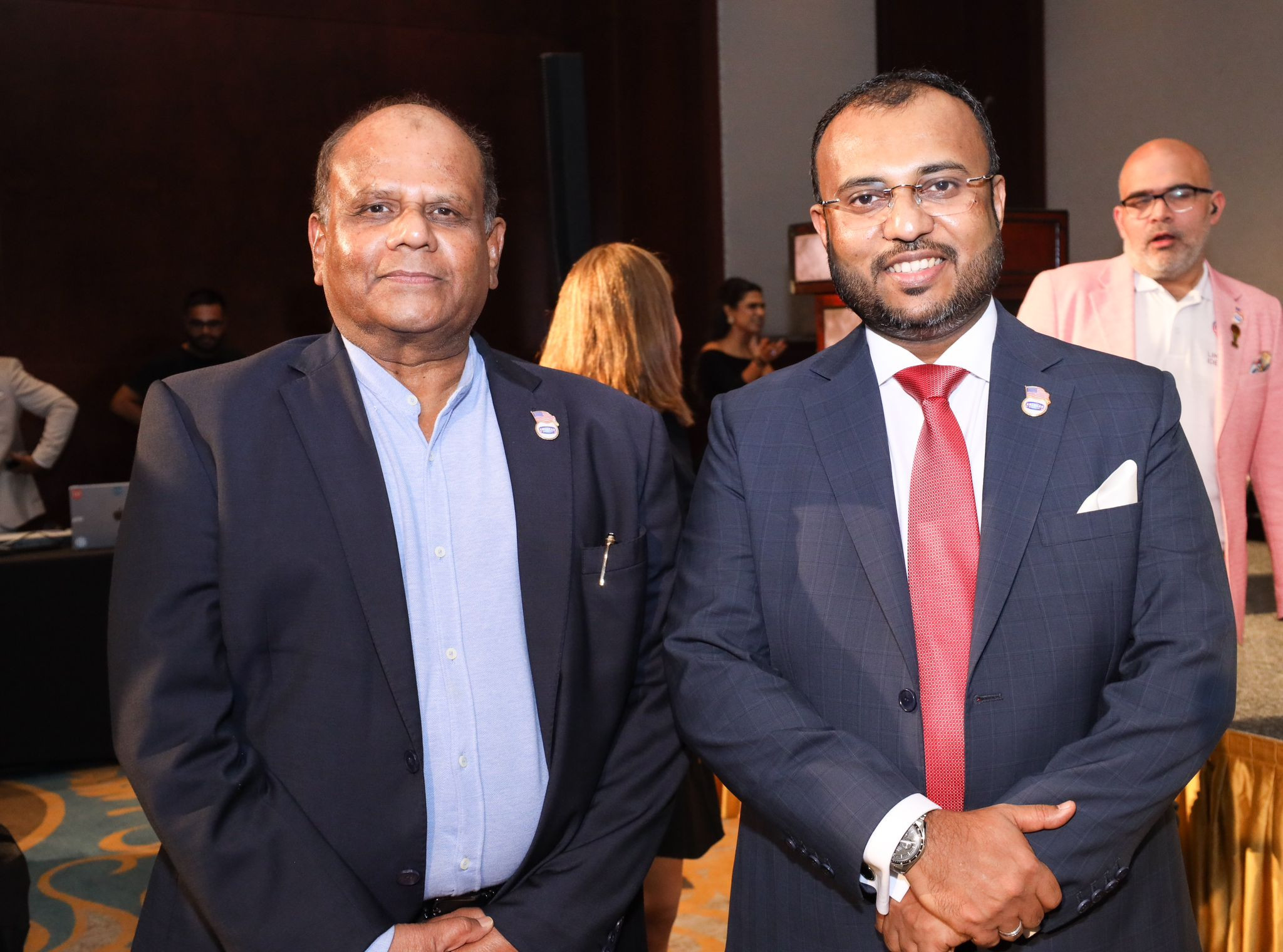
American Specialty Foods Co. that serves the taste of American flavors to over 50 countries with 20 product categories unveiled a brand new catalogue boasting over 650 products. The catalogue was unveiled by worldwide CEO of American Specialty Foods Co. Hany M Haneef, a prominent and dynamic NRI entrepreneur hailing from Mangalore.

Hany M Haneef, Worldwide CEO, American Specialty Foods Co.
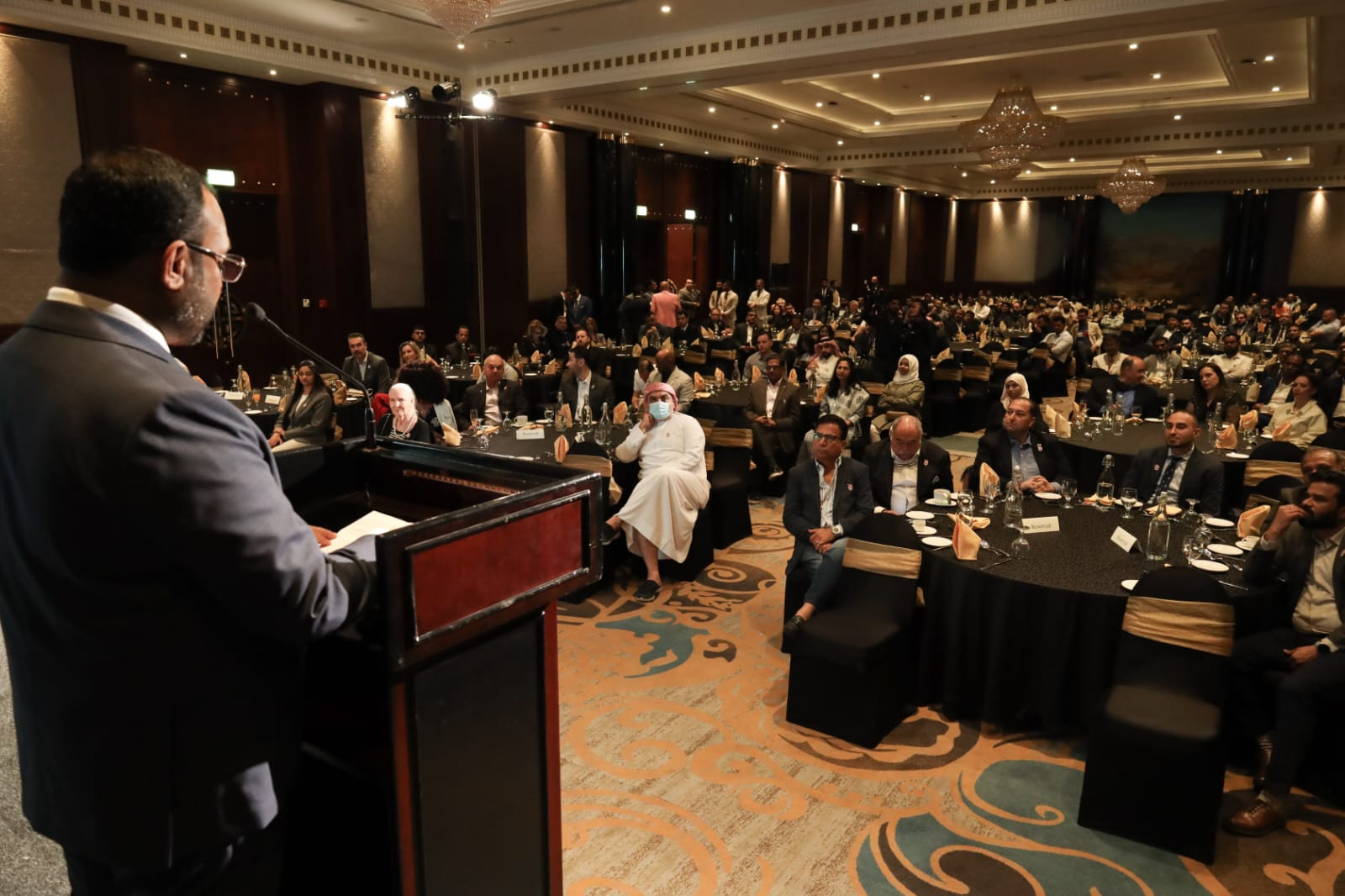
"When I founded this company, it was a dream that I aimed to accomplish through passion. Despite the struggles we went through and the challenges we accomplished, it is the undying support of everyone which has enabled the company to achieve more than what we envisioned," Hany M Haneef said during the event.
Valerie Brown, lauded the company and its achievements adding that the company was epitome of a company that "gets it".
"They are deliberate, diligent and dynamic in promoting the best the US has to offer. I am delighted to celebrate them," Valerie said.
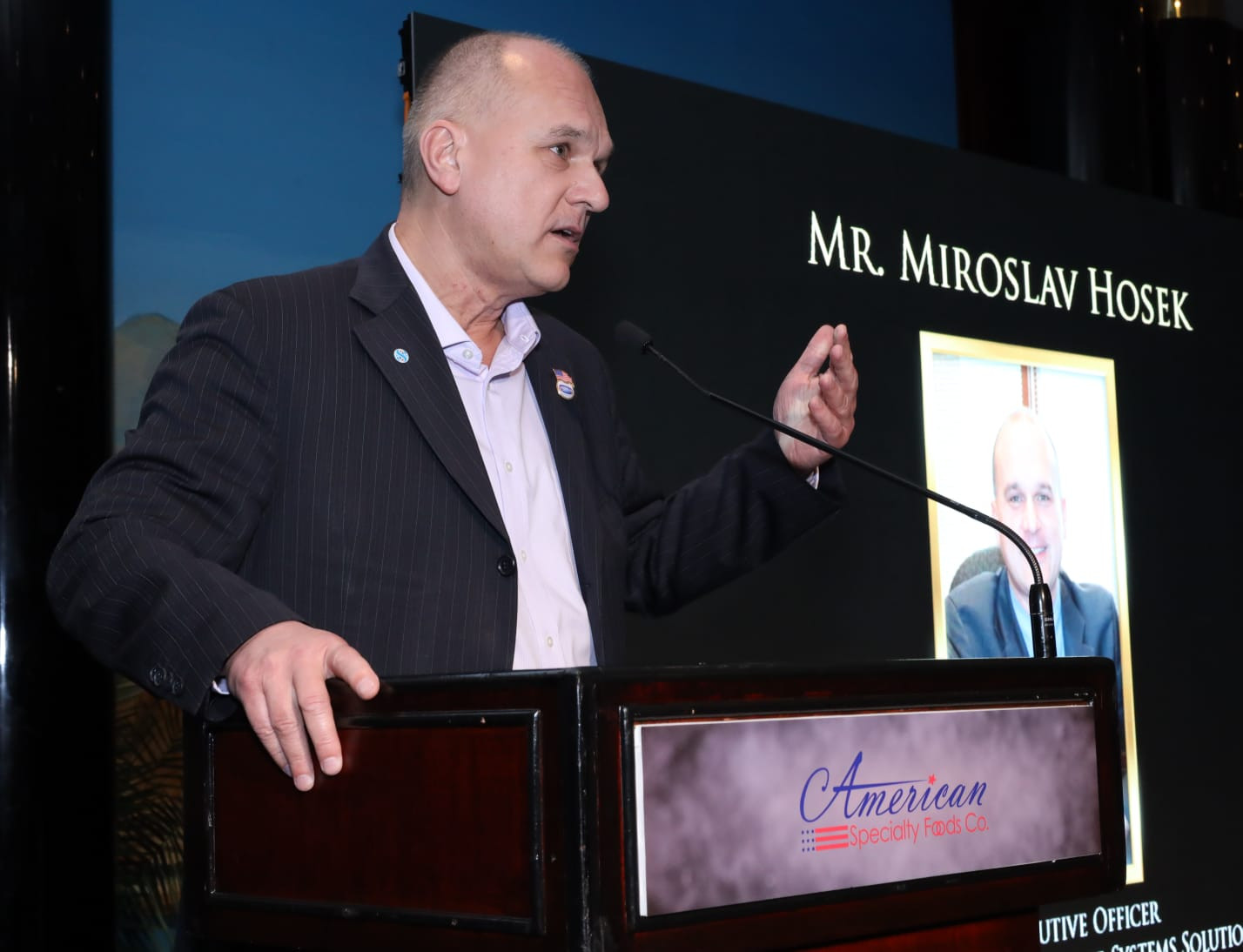
Another guest Moroslav Hosek, spoke about the intensity with which Hany works as a professional.
"I have known Hany for five years now, but it feels like I have known him for at least 10 years. So intense a personal and business relationship it is indeed," he said.
Incorporated in the USA 10 years ago, with a corporate office in Maryland, and a marketing office in New York, American Specialty Foods Co. includes a wide variety of products across 20 categories, including sauces, dressings, mayonnaise, tortilla chips, salsa, potato chips, popcorn, syrups, olives and more.
American Specialty has increased its global footprint, with regional offices in Dubai, London and Mexico.
The company is now venturing into the B2C segment to reach an increased number of households and bring the goodness of American taste to all, a press statement from the company said.



Let the Truth be known. If you read VB and like VB, please be a VB Supporter and Help us deliver the Truth to one and all.
NEET student hangs self in Rajasthan's Sikar

Jaipur (PTI): A student preparing for the NEET examination allegedly committed suicide by hanging himself in a rented room in Rajasthan's Sikar on Friday, police said.
According to the police, the student allegedly hanged himself from a ceiling fan using his sister's scarf while one sister was attending coaching classes and the other was in the bathroom.
He had appeared in the NEET UG exam 2026, which was cancelled due to paper leak, they said.
Udyog Nagar SHO Rajesh Kumar said that the deceased, identified as Pradeep Meghwal, was a resident of Kanika ki Dhani village in Jhunjhunu's Gudha Gaudji area.
He had been living in a rented room in Sikar's Jaldhari Nagar area with his two sisters while preparing for NEET over the last three years.
His elder sister later found him hanging and informed the landlord and police after bringing him down, officials said.
The SHO said the body was kept at SK Hospital mortuary, and a postmortem had not been conducted.
The student's father, Rajesh Kumar Meghwal, told police that Pradeep's NEET examination had gone well and the family was expecting him to score around 650 marks.
Former Rajasthan deputy chief minister Sachin Pilot expressed grief over the incident and linked it to anxiety among students after reports of irregularities and paper leaks in NEET 2026.
Pilot said repeated paper leak incidents and cancellation of examinations were affecting students' mental health and demanded a time-bound investigation and strict action against those responsible.