Bahrain plans free shots, Saudi Arabia approves Pfizer jab
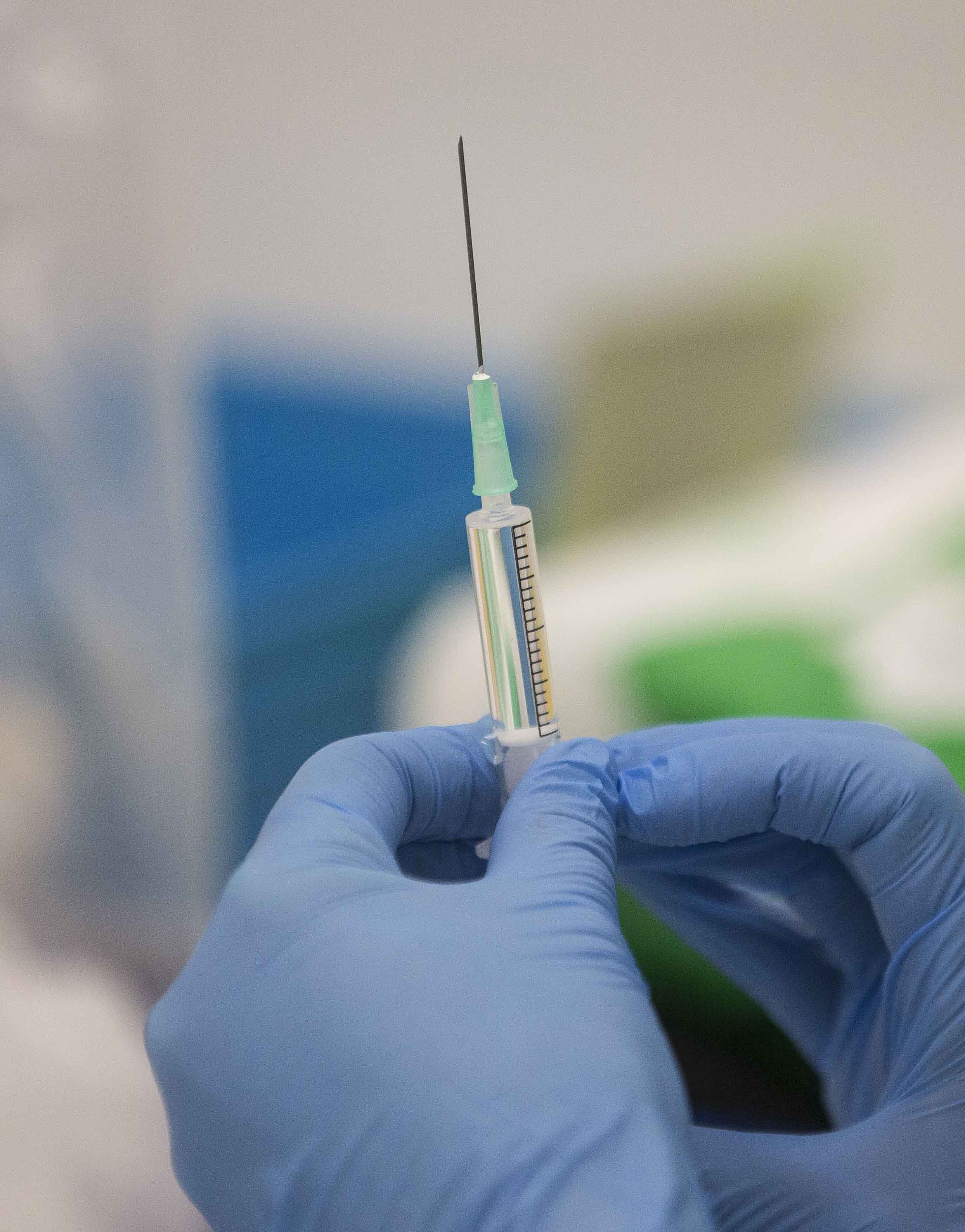
Dubai, Dec 11: Bahrain has announced plans to give the public free coronavirus vaccines, as Saudi Arabia said it approved an inoculation by Pfizer and its German partner BioNTech to fight the pandemic.
The island nation of Bahrain, off the coast of Saudi Arabia, made the vaccine pledge in an announcement published late Thursday by its state-run Bahrain News Agency.
A safe vaccine will be provided free of charge to all citizens and residents within the kingdom, the statement said, without elaborating on which vaccine it would offer.
Bahrain plans to inoculate everyone 18 years and older in the kingdom at 27 different medical facilities, hoping to be able to vaccinate 10,000 people a day.
Bahrain, an island in the Persian Gulf home to the US Navy's 5th Fleet, has a population of around 1.5 million people.
A week ago, Bahrain said it had become the second nation in the world to grant an emergency-use authorization to the Pfizer vaccine after the United Kingdom.
The Pfizer shots, a so-called mRNA vaccine, contain a piece of genetic code that trains the immune system to recognize the spiked protein on the surface of the virus.
To be vaccinated, a person receives two shots over 21 days.
In the time since, Bahrain has not responded to questions from The Associated Press, including on Friday.
Pfizer told the AP that the details of its sales agreement with Bahrain, including the timing of delivery and the volume of doses, were confidential and declined to comment.
Bahrain had already granted emergency-use authorisation for a Chinese vaccine made by Sinopharm and has inoculated some 6,000 people with it.
That vaccine is an inactivated shot made by growing the whole virus in a lab and then killing it.
The United Arab Emirates on Wednesday described the Sinopharm vaccine as 86 per cent effective, but provided few details and answered no questions.
It marked the first public release of information on the efficacy of that shot.
Earlier Thursday, Saudi Arabia's Food and Drug Authority said it had registered the Pfizer vaccine so that health authorities in the kingdom can then import and use the vaccine.
The kingdom said it based its decision on information given by Pfizer on November 24, without elaborating.
Pfizer on November 18 said its vaccine is 95 per cent effective.
A major challenge for the Pfizer shot in the Mideast remains the weather, however. The vaccines must be stored and shipped at ultra-cold temperatures of around minus 70 degrees Celsius (minus 94 degrees Fahrenheit).
Saudi Arabia said its Health Ministry later would announce plans on how it would distribute the vaccine in the kingdom, the biggest Gulf Arab state, with a population of 34 million people.
Let the Truth be known. If you read VB and like VB, please be a VB Supporter and Help us deliver the Truth to one and all.
Gujarat builds 870 MW battery power backup network to stabilise renewable energy grid
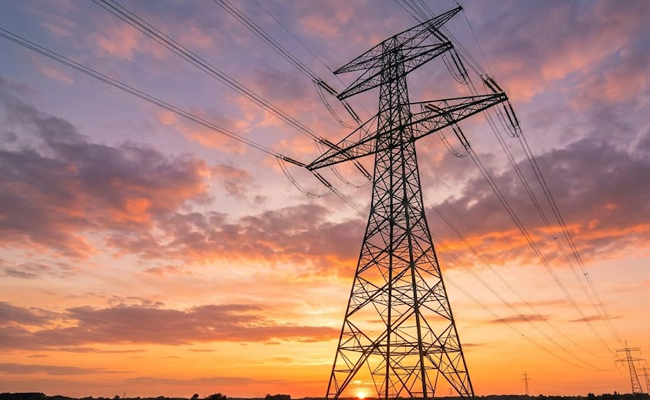
Gandhinagar (PTI): Gujarat has initiated battery storage systems at five locations in the state, with a total capacity of 870 MW, to maintain the stability of the renewable power grid, officials said on Saturday.
Battery Energy Storage Systems (BESS) are essential for storing electricity generated from solar and other renewable sources. They help manage additional load and maintain grid stability.
“Gujarat has initiated battery storage systems at five locations with a total capacity of 870 MW,” an official release stated.
The state has also registered 13 projects across Ahmedabad, Gandhinagar, Banaskantha, Patan and Kutch districts to set up additional battery storage systems, it said.
Modhera in Gujarat, India’s first solar village, has launched the country’s first BESS integrated with a solar power plant, it said.
"Under the leadership of Chief Minister Bhupendra Patel, the state has continued to advance in this direction and has strengthened its position among the leading states driving battery storage systems in India,” the release said.
Recently, a battery storage system was commissioned at Charal in the Sanand taluka of Ahmedabad, it said.
Four systems are operational at Modhera in Mehsana and Lakhpat in Kutch. The state government has also included advanced energy storage systems as a key component in the Gujarat Integrated Renewable Energy Policy, 2025, the release said.
Accordingly, standalone battery storage projects, works linked with new renewable energy installations, and those integrated with existing renewable energy systems are being approved, it said.
Once the Standard Operating Procedure is approved, registrations for battery storage will open for commercial and industrial users, it said, adding that the move will allow them to set up battery storage alongside their solar or wind projects.
The state government is developing battery storage systems across Gujarat, with companies being invited in through a competitive bidding process.
GETCO (Gujarat Energy Transmission Corporation) and power distribution companies strategically identify locations for battery storage systems based on grid capacity and operational requirements, the release said.
Power generation from solar and other renewable sources fluctuates throughout the day. Excess energy generated during peak hours can be stored and supplied later during periods of high demand, especially in the evening when solar output declines. Battery storage systems help reduce stress on the grid and improve grid stability, it added.