Faizal E. Kottikollon named in Entrepreneur Middle East 100 NRIs
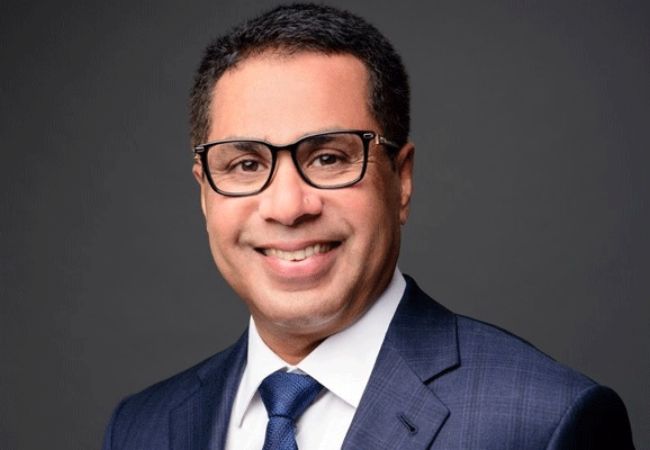
Dubai: UAE-based Indian entrepreneur and philanthropist Faizal E. Kottikollon, founder and chairman of KEF Holdings, has been named among the top 100 Non-Resident Indians (NRIs) of the year by Entrepreneur Middle East.
The annual list recognises prominent NRI entrepreneurs across diverse industries, highlighting leaders who have made significant business and social contributions globally.
Born to P.K. Ahmed, founder of Kozhikode-based Peekay Steel, Faizal E. Kottikollon has built a diversified business empire spanning infrastructure, healthcare, technology, and sustainable investments.
KEF Holdings, established in 1995 with Al Ahamadi General Trading in Ajman, UAE, expanded into world-class foundries, valve trading through JC Middle East, and Emirates Techno Casting (ETC), an integrated engineering and R&D facility rated among the top three technologically advanced foundries globally.
In 2012, Tyco International acquired the business for USD 400 million, paving the way for KEF Holdings’ two verticals – KEF Investments and KEF Infra. KEF Investments focuses on low-risk, high-income global opportunities, while KEF Infra has executed strategic projects including a 2018 merger with Menlo Park-based Katerra, revolutionizing construction and design.
Faizal currently serves on the board of Sharjah Research, Technology, and Innovation Park (appointed 2023) and chairs the UAE Chapter of the UAE-India Business Council. Under his leadership, KEF Holdings invests in innovative, sustainable solutions aimed at benefiting society.
Alongside Faizal, his wife Shabana Faizal, originally from Mangaluru, Karnataka, plays a pivotal role in business and philanthropy.
Shabana is the daughter of the late B. Ahmed Haji Mohiudeen, founder of the BA Group of Businesses in Thumbay near Mangaluru.
She holds a degree in psychology from St. Agnes College and a diploma in fashion design and merchandising from the National Institute of Fashion Design, Dubai.
Shabana has been recognised as one of India’s top philanthropists, ranking among the youngest women in the top 10 of the EdelGive Hurun India Philanthropy List 2025, having donated Rs 40 crore through the Faizal & Shabana Foundation.
View this post on Instagram
The couple co-founded the Faizal & Shabana Foundation in 2007, officially incorporated in India in 2012, with the motto “Giving to Create Impact.” The foundation focuses on education, youth development, healthcare, community outreach, regenerative development, humanitarian aid, and the arts. Faizal & Shabana Foundation has contributed more than INR 340 million ($4.5 million) toward renovating schools in Kerala, Karnataka, and Tamil Nadu, creating prefabricated classrooms to quickly replace crumbling infrastructure.
The Nadakkavu School in Kozhikode, restored in 2013 with Faizal & Shabana Foundation funding of INR 180 million (2.4 million dollars), became a model for school renovation nationwide, now influencing nearly 1,000 schools and benefiting over 300,000 students. Faizal & Shabana Foundation initiatives extend to Krishnagiri district in Tamil Nadu, supporting 5,000 residents through education, vocational training, organic farming, and community development.
Faizal emphasizes education equality as central to his philanthropy, stating, “Government schools are typically in a bad situation because they haven’t been properly maintained due to a lack of funding. Around 90 percent of India’s kids go to these schools, and that’s where inequality starts.”
The foundation also responds to emergencies, including floods in Kerala, Chennai, Kashmir, Haiti, and repatriation and food relief for Indians stranded in the UAE during the COVID-19 pandemic.
Faizal & Shabana Foundation initiatives further include a scholarship endowment at the University of Sharjah and a proposed Dhs10 million ($2.72 million) medical research grant for the UAE’s Al Jalila Foundation.
The couple has also contributed to the healthcare sector, with KKR acquiring a majority stake in Meitra Hospital, a premium Kozhikode-based institution founded by Faizal.
Both Faizal and Shabana signed the 2022 Responsible Tourism Charter at London’s Magna Carta Island, joined by their youngest daughter, Czarina, who became the youngest person globally to sign the charter.
In addition to philanthropy, Faizal and Shabana lead KEF Holdings’ upcoming initiatives, including the Tulah Clinical Wellness Sanctuary in Chelembra near Kozhikode Airport, set to open in April 2025.
Spread across 30 acres with an investment of Rs 1,000 crore, Tulah integrates Ayurveda, Chinese and Tibetan medicine, yoga, meditation, sports rehabilitation, and genome-based treatments, aiming to redefine global wellness.
Let the Truth be known. If you read VB and like VB, please be a VB Supporter and Help us deliver the Truth to one and all.
Karnataka School Edu Dept prohibits children from being made to dance to obscene songs
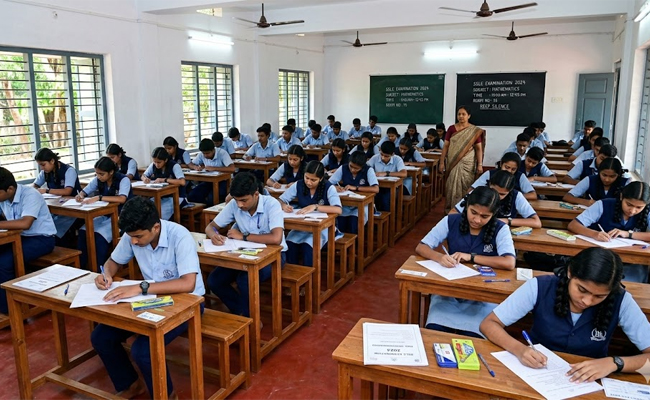
Bengaluru (PTI): The Karnataka School Education Department has issued a circular strictly prohibiting children from being made to dance to obscene songs in educational and cultural programmes.
It stated that such dances would negatively impact students' mental health and moral values. It will create indiscipline and harm the sanctity of education.
"All the Deputy Directors (Administration) of the state's School Education Department have been asked to take strict measures to prevent children or students from dancing to obscene songs in all government, aided and unaided schools in the state," the office of the commissioner of the School Education Department said in a recent circular.
"If it is found that children are being made to dance to obscene songs, appropriate action will be taken against the headmaster or management of such school," it added.
The department also listed certain measures in this regard, which include: strictly prohibiting children from being made to dance to obscene songs during educational and cultural programmes; selecting songs that are inspiring, positive, instilling national pride in children and reflecting the greatness, dignity, values, culture, and morality of the state.
Stating that the school headmaster and management are responsible for selecting songs and dances for cultural programmes, it said, they should also ensure that students wear decent clothes in dance or cultural programmes.