Formalities in process to repatriate bodies of 12 Indians killed in bus accident in Dubai
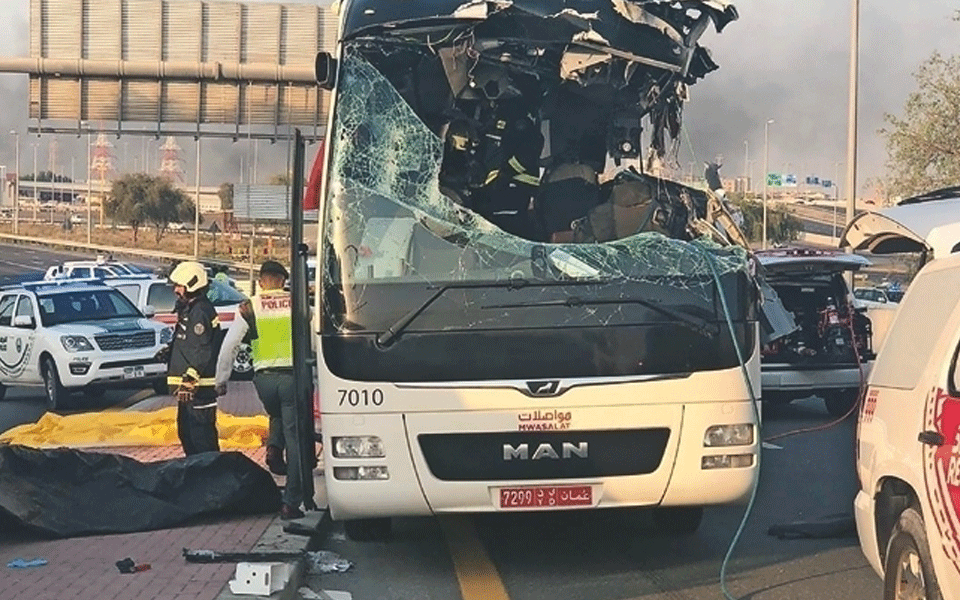
Dubai: The Indian Consulate in Dubai is in the process of completing formalities related to forensics and other documentation required to repatriate the bodies of the 12 Indians who were among the 17 killed in a horrific road accident here when a bus coming from Oman entered a restricted lane and rammed into a low-clearance sign.
Nine persons were also seriously injured when the driver of the bus, carrying mostly Eid vacationers and coming from Oman's capital Muscat to Dubai, wrongly entered a road not designated for buses towards Al Rashidiya metro station here on Thursday evening.
Eleven clearance certificates have been issued by forensics, while one forensic report is pending from the authorities, Vipul, India's Consul General in Dubai, tweeted late Friday.
"After this, with full documentation mortal remains will be sent for embalming and then to India," he said.
"We hope that all mortal remains will be repatriated to India tomorrow (Saturday) and day after. Air India is providing all help. We would like to sincerely thank Dubai Police and all hospital authorities for their assistance," he said in another tweet.
He said that the Consulate formalities for the deceased Indians were done on the spot and the their team worked with local authorities and community volunteers whole day.
The bus, belonging to the Omani bus transport company Mwasalat, carrying 31 passengers, crashed into a height barrier that cut the left side of the bus and killed passengers sitting on that side.
Dubai Police blamed the Omani driver, who was moderately injured, for the accident, saying "at times a small mistake or negligence can lead to adverse consequences".
The names of the Indians who passed away are: Vikram Jawahar Thakur, Vimal Kumar Karthikeyan Kesavapilaikar, Kiran Johny Johny Vallithottathil Paily, Firoz Khan Aziz Pathan, Reshma Feroz Khan Pathan, Jamaludeen Arakkaveettil, Vasudev Vishandas, Rajan Puthiyapurayil Gopalan, Prabula Madhavan Deepa Kumar, Roshni Moolchandani, Ummer Chonokatavath Mammad Puthen, Nabil Ummer Chonokatavath.
Let the Truth be known. If you read VB and like VB, please be a VB Supporter and Help us deliver the Truth to one and all.
Youngster attacked by gang in Koppal: FIR against 30 people; three arrested
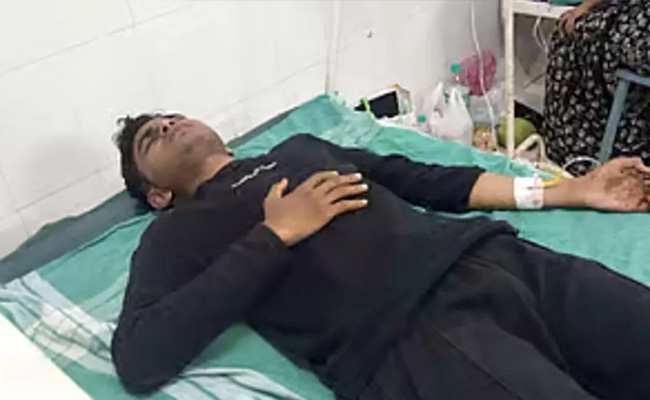
Koppal: Police in Koppal City station limits have registered a case against more than 30 people and arrested three in connection with an alleged assault on a youngster over his relationship.
According to the complaint, Sameer Ahmed Moolimani (22), who works at a mobile agency, was sitting at a hotel with his girlfriend around 8:30 pm on May 6 when a group of youngsters approached him and asked his identity. He said that he was attacked after informing them about the relationship.
Sameer said in his complaint: “They blindfolded me, took me on a bike towards the Hospet side of the national highway, and assaulted me. They asked me, ‘Do you love a Hindu girl?’ They also threatened me, saying, ‘If I am seen with her again, I will not leave you alive.’"
He also stated that after the assault, he was blindfolded and later left near the district hospital.
Police have registered a case at Koppal City police station against more than 30 people, including the girl’s brothers Ashish and Nilesh. Three people have been arrested so far, and investigation is in progress.