Indian expat from Karnataka faces jail for insulting Islam in UAE: Report
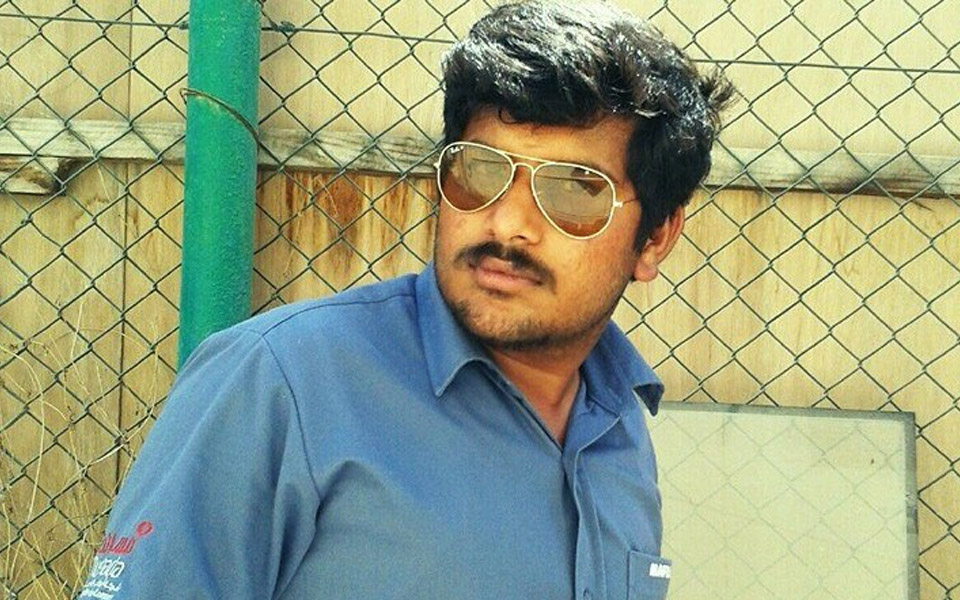
Dubai: An Indian expat in the UAE is facing police action for allegedly insulting Islam on social media in response to a Facebook post on the coronavirus, according to a media report.
Rakesh B Kitturmath, who worked as a team leader at Emrill Services, an integrated facilities management (FM) headquartered in Dubai, was sacked on Thursday after his post sparked an outrage on social media, the Gulf News reported.
Kitturmath's employment stands terminated with immediate effect. He will be handed over to Dubai Police. We have a zero-tolerance policy towards such hate crimes, said Stuart Harrison, CEO of Emrill Services.
"As an organisation, we have worked hard over the years to embrace diversity and create a culture of inclusion, where every nationality, religion and background is welcomed and celebrated. We have a strict social media policy for our employees to ensure they respect our values, both inside and outside of work," the newspaper quoted Harrison as saying.
Harrison said they are trying to find out if Kitturmath was still in the UAE, according to the report.
We have over 8,500 employees so this may take a while. That said, we have fired him. If he's still in the country, he will be handed over to Dubai Police, he said.
Originally from Ranebennuri, Karnataka, Kitturmath joins an ever growing list of Indian expats who have landed in trouble for alleged Islamophobic messages in recent days.
Earlier this week, Abu Dhabi resident Mitesh Udeshi was sacked for posting a cartoon mocking Islam on his Facebook page while a police complaint was filed against Sameer Bhandari of Future Vision Events & Weddings' in Dubai after he asked a Muslim job seeker from India to go back to Pakistan.
The UAE outlaws all religious or racial discrimination under a legislation passed in 2015.
The anti-discrimination/anti-hatred law prohibits all acts that stoke religious hatred and/or which insult religion through any form of expression, be it speech or the written word, books, pamphlets or via online media.
Let the Truth be known. If you read VB and like VB, please be a VB Supporter and Help us deliver the Truth to one and all.
Bihar: Over 150 children fall ill after consuming 'mid-day meal' in Saharsa

Saharsa (PTI): More than 150 children were taken ill after allegedly consuming food that was part of the mid-day meal in a school in Bihar’s Saharsa district, a senior official said on Thursday.
The incident occurred at a middle school in Baluaha village of the district.
The official said that 115 children were undergoing treatment at the Sadar Hospital, while around 50 students were admitted to Mahishi Public Health Centre.
“We received information that several children fell ill after consuming the mid-day meal in Baluaha. The children were initially treated at the primary health centre, but later, many were referred to the Sadar Hospital,” Saharsa District Magistrate Deepesh Kumar told reporters.
“According to doctors, the health condition of the children has improved, but they will be kept under observation for some time. There is no need to panic. Some kids are having mild fever. They are being treated accordingly,” Kumar said.
Meanwhile, family members of some children claimed that a snake was found in the container in which cooked pulses was stored at the school.
Of the 545 students present in the school, 200 had already eaten their meals by the time the snake was spotted, and later complained of stomach ache and vomiting, they said.
Regarding the claims, the DM said food samples have been collected from the school.
“We will be able to comment on this only after the results of the tested samples arrive,” he said.