IOC - Chaiman Dr. Sam Pitroda, held video conference with senior IOC officials across Middle East
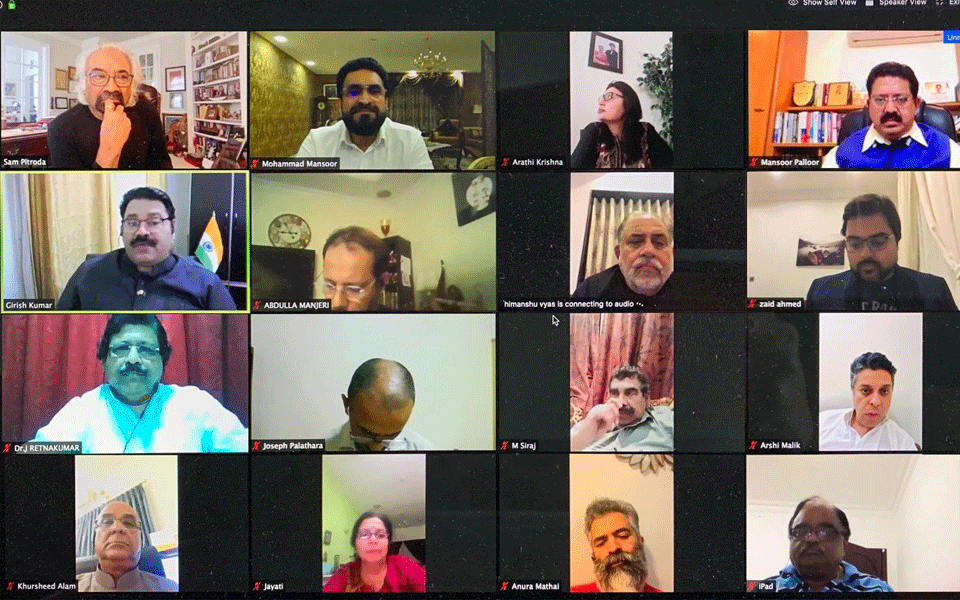
Indian Overseas Congress -Chaiman Dr.Sam Pitroda, held video conference with senior IOC officials across Middle Eastern countries on Tuesday, 14th April 2020, to review the impact of COVID-19 Pandemic among Indians residing in the region. Almost all speakers appreciated the efforts initiated and implemented by respective governments to contain spread of the deadly virus as well as measures taken towards welfare of the people affected by the lockdown.
IOC Presidents, Mohammed Mansour - Bahrain, Abdullah Manjeri - Saudi Arabia, Dr J Ratan Kumar - Oman and Girish Kumar - Qatar, highlighted the quality treatment of patients and financial aid provided by governments and other authorities. Bahrain IOC president Mansour, also apprised about the 'Food for Needy' drive in Association with KHK Heroes foundation, initiated by HH Sheikh Khalid Bin Hamad Al Khalifa and quality treatments as well as financial aid to local and expat residents.
Anura Mathai, IOC Global Event Coordinator, spoke about certain problems of Indians in the UAE. IOC Middle East Convener, Mansoor Palloor, emphasised and requested IOC Chairman to urge Indian government to arrange immediate repatriation of indians stranded in Gulf countries. AICC Secretary, Himanshu Vyas, IOC Secretary Dr Arathi Krishna, Dr Arshi Malik (Abha), Mohiuddin Sirajudeen (Jeddah), Advocate Joseph Palathara (Dammam) Prasad Kodru, Jayati Maitra Ziyad Ahmed (Qatar) and Khursheed Alam (Gen Secretary- Bahrain) also apprised the participants about various issues relevant to the pandemic and suggested further initiatives to be undertaken. Dr Sam Pitroda briefed about sustained and consolidated efforts by all IOC members during this unprecedented situation facing the world and assured that he would convey IOC concerns to the government and try his best to ensure all possible help is made available to all needy Indians abroad.
Dr. Sam thanked to all the participating congress fraternity.
Let the Truth be known. If you read VB and like VB, please be a VB Supporter and Help us deliver the Truth to one and all.
Bihar: Over 150 children fall ill after consuming 'mid-day meal' in Saharsa
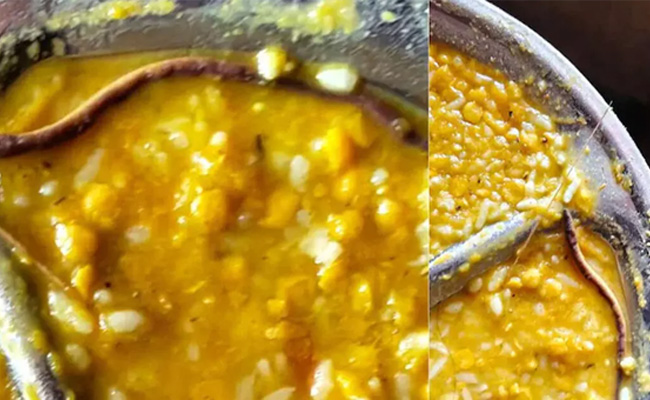
Saharsa (PTI): More than 150 children were taken ill after allegedly consuming food that was part of the mid-day meal in a school in Bihar’s Saharsa district, a senior official said on Thursday.
The incident occurred at a middle school in Baluaha village of the district.
The official said that 115 children were undergoing treatment at the Sadar Hospital, while around 50 students were admitted to Mahishi Public Health Centre.
“We received information that several children fell ill after consuming the mid-day meal in Baluaha. The children were initially treated at the primary health centre, but later, many were referred to the Sadar Hospital,” Saharsa District Magistrate Deepesh Kumar told reporters.
“According to doctors, the health condition of the children has improved, but they will be kept under observation for some time. There is no need to panic. Some kids are having mild fever. They are being treated accordingly,” Kumar said.
Meanwhile, family members of some children claimed that a snake was found in the container in which cooked pulses was stored at the school.
Of the 545 students present in the school, 200 had already eaten their meals by the time the snake was spotted, and later complained of stomach ache and vomiting, they said.
Regarding the claims, the DM said food samples have been collected from the school.
“We will be able to comment on this only after the results of the tested samples arrive,” he said.