Karnataka MP B Y Raghavendra visits Thumbay Medicity’s State-of-the-art facilities
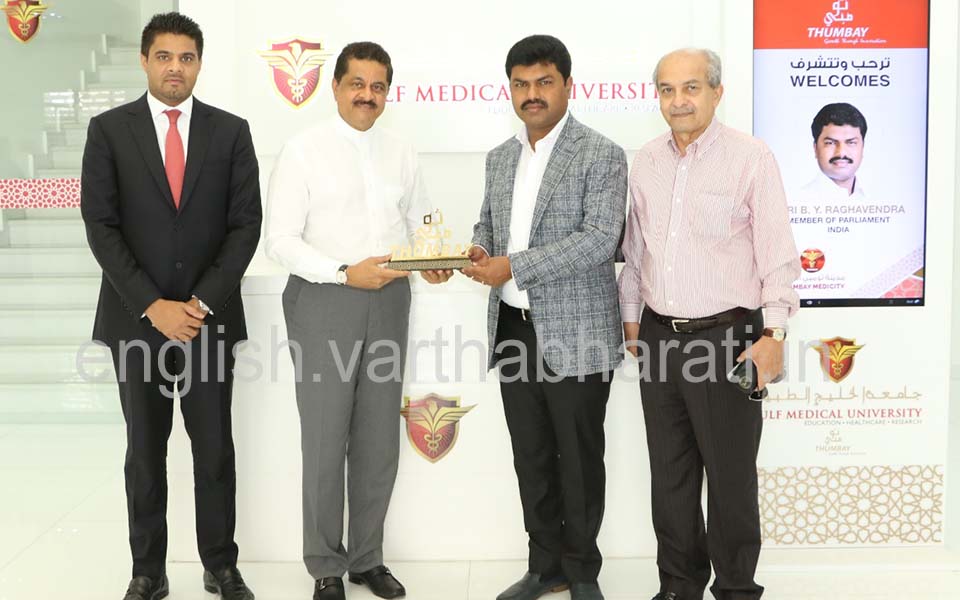
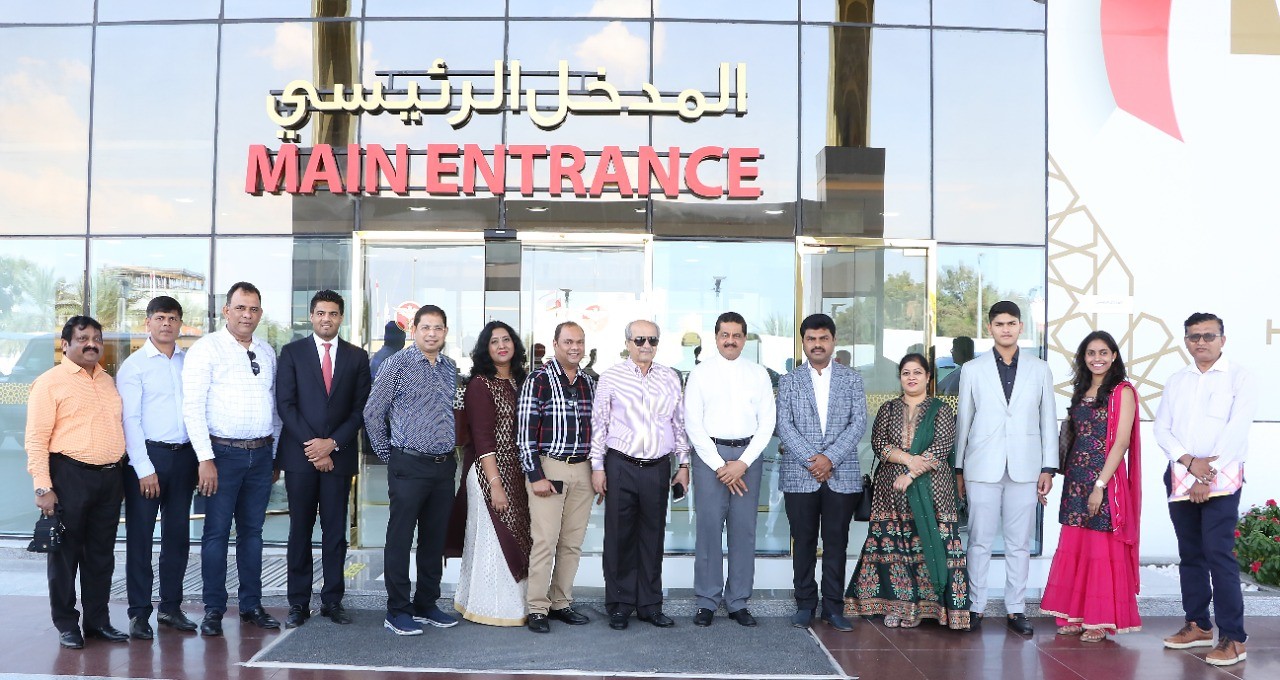
Ajman: Mr. B. Y. Raghavendra, Member of Parliament representing Shimoga district of Karnataka and son of Karnataka Chief Minister, visited Thumbay Medicity, Ajman, UAE – a regional hub of medical education, healthcare and research built by Thumbay Group – on 30th December 2019. He was greeted at Thumbay Medicity by Dr. Thumbay Moideen – Founder President of Thumbay Group.
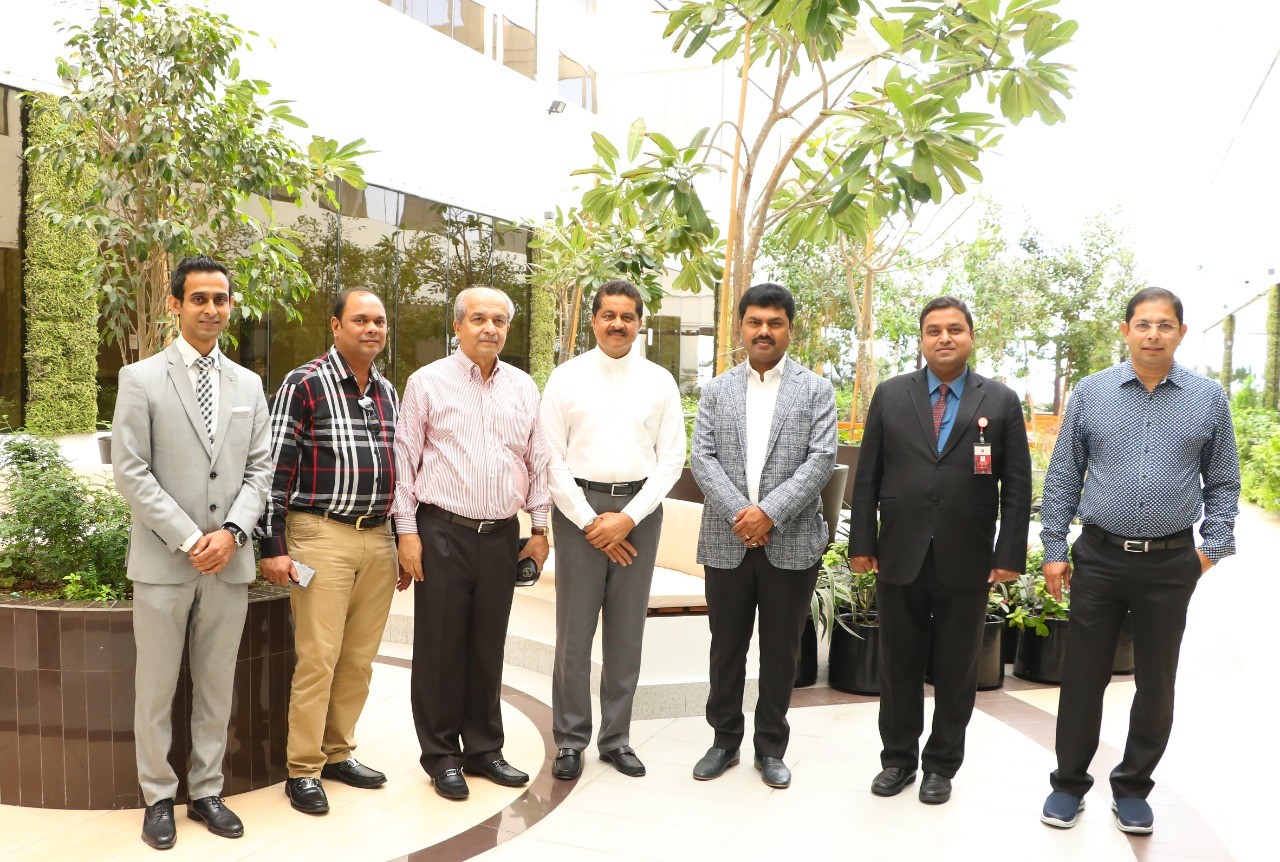
Mr. B. Y. Raghavendra toured the advanced healthcare and medical education facilities at Thumbay Medicity including Gulf Medical University – the largest private medical university in the Middle East region, Thumbay University Hospital – with 350 beds, the biggest private academic hospital in the region, Thumbay Dental Hospital – the first private dental hospital in the country and Thumbay Physical Therapy & Rehabilitation Hospital - the biggest and most advanced hospital for physical therapy and rehabilitation. He also visited the robotic Thumbay Pharmacy housed within Thumbay University Hospital. Mr. B. Y. Raghavendra commended Thumbay Medicity for the excellent facilities for healthcare and medical education.
The vision, mission and future directions of Thumbay Group and Gulf Medical University – the region’s leading private medical university, as well as the University’s advanced training and teaching facilities were also presented before the guest. He appreciated Thumbay Group’s efforts in bringing the latest technology and innovation in healthcare and medical education to the region.
Dr. Thumbay Moideen said that Thumbay Medicity serves the region as a hub of world-class healthcare and medical education, fully equipped to serve a floating population of 20,000. “The Thumbay University Hospital, combined with the dental and rehabilitation hospitals make Thumbay Medicity a unique destination for specialized care. Thumbay Medicity is also a referral facility to which primary and secondary care hospitals and clinics refer serious cases,” he explained, adding, “The strategic plans of Thumbay Group include the expansion of our global footprint, including setting up new university campuses as well as healthcare and research facilities in different parts of the world.”
Thumbay Medicity also houses Body & Soul Health Club and Spa, Thumbay Food Court, Blends & Brews Coffee Shoppe, Thumbay Pharmacy etc. The specialized hospitals of Thumbay Medicity are Academic Health Centers of the Gulf Medical University Academic Health System (GMUAHS), which give them the unique advantage of having the expertise of doctors who are also academicians and researchers. GMUAHS has the distinction of being the first private academic health system in the region in Ajman.
Let the Truth be known. If you read VB and like VB, please be a VB Supporter and Help us deliver the Truth to one and all.
Two brothers drown while swimming in lake in Kolar district
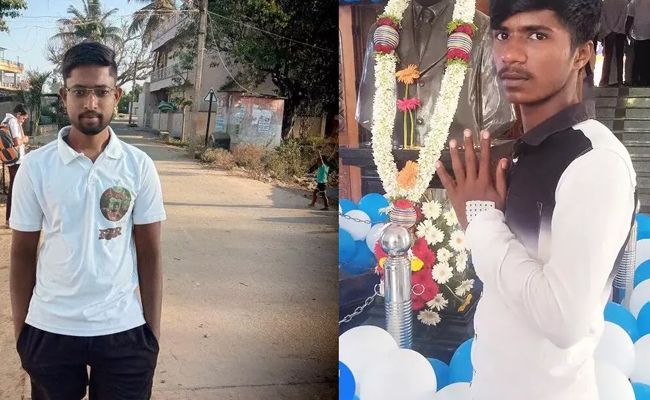
Kolar: Two brothers died after drowning in a village lake near Paccharamakalahalli in Srinivaspur taluk of Kolar district.
The deceased have been identified as Narendra (25) and Chandan (23), residents of Champalli in Ronur hobli.
According to sources, the two had come to Paccharamakalahalli, which falls under the Lakshmipura Gram Panchayat limits, for manual labour work.
They reportedly entered the lake to swim and cool off from the intense afternoon heat but drowned in the water.
The incident occurred within the jurisdiction of the Rayalpad Police Station.