KKMA Karnataka branch holds general body meeting in Kuwait, new leadership elected
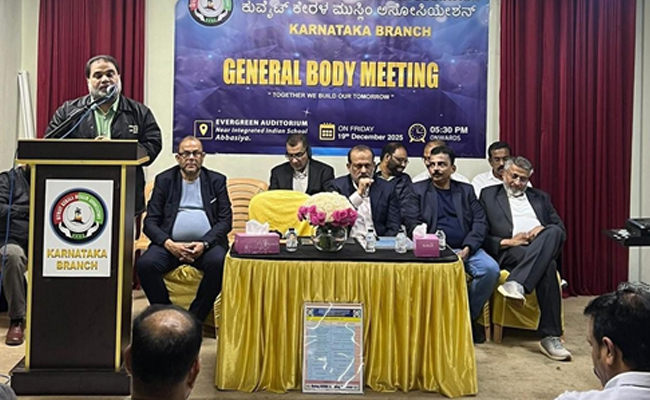
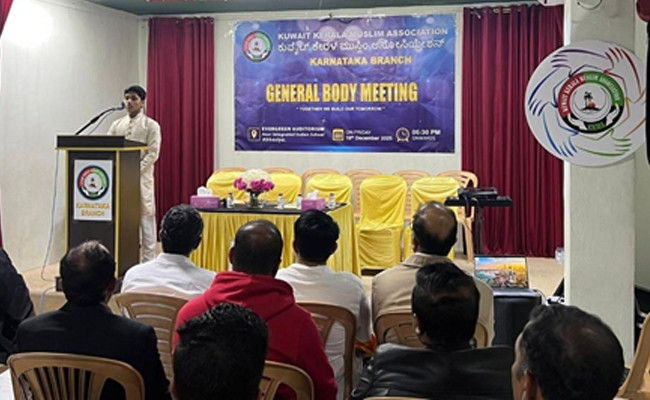
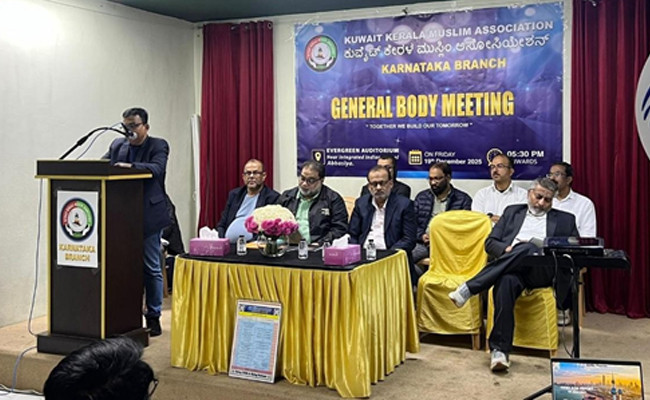
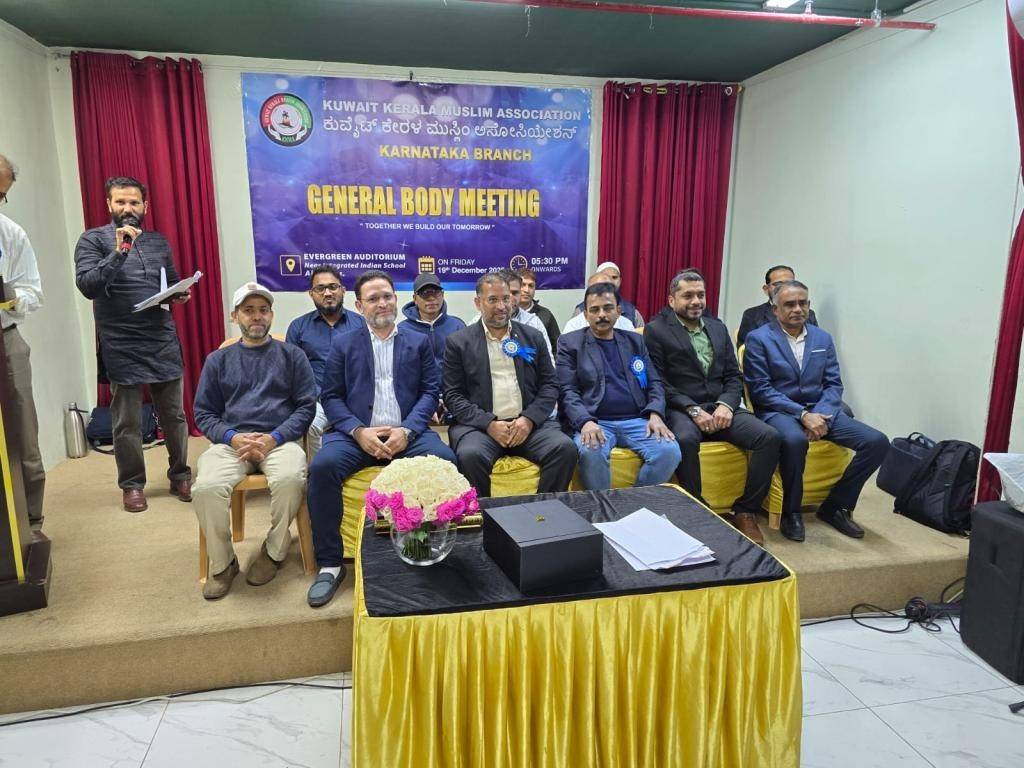
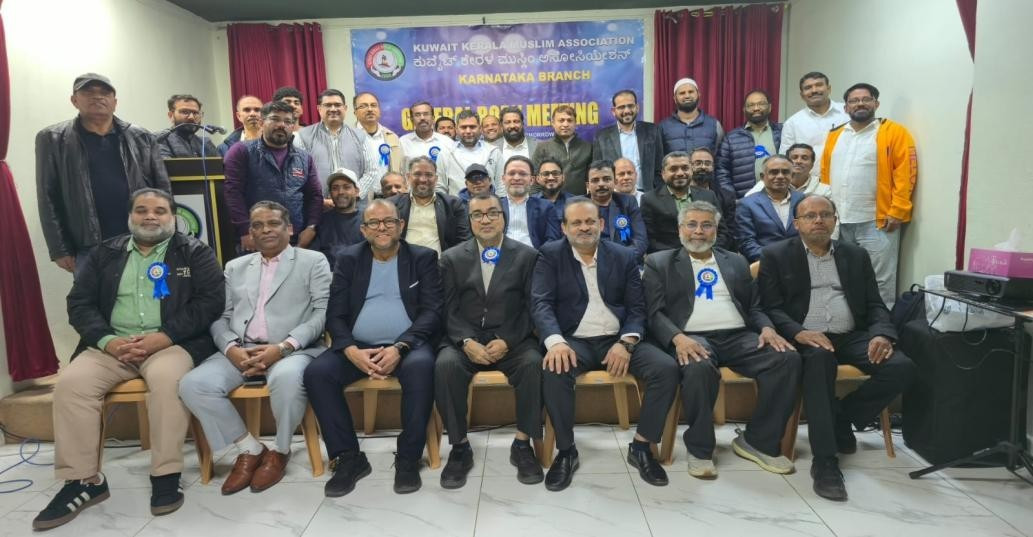
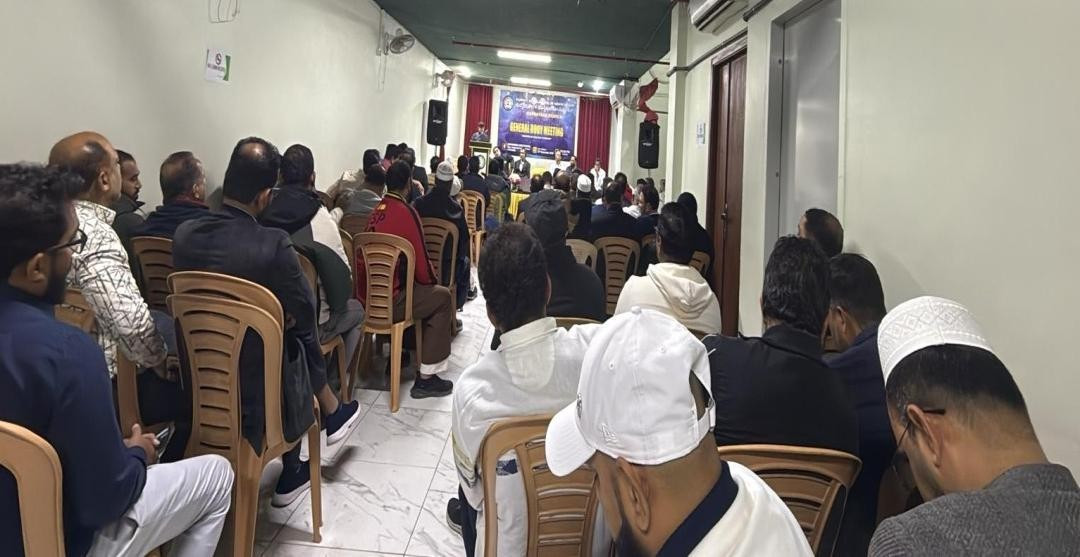
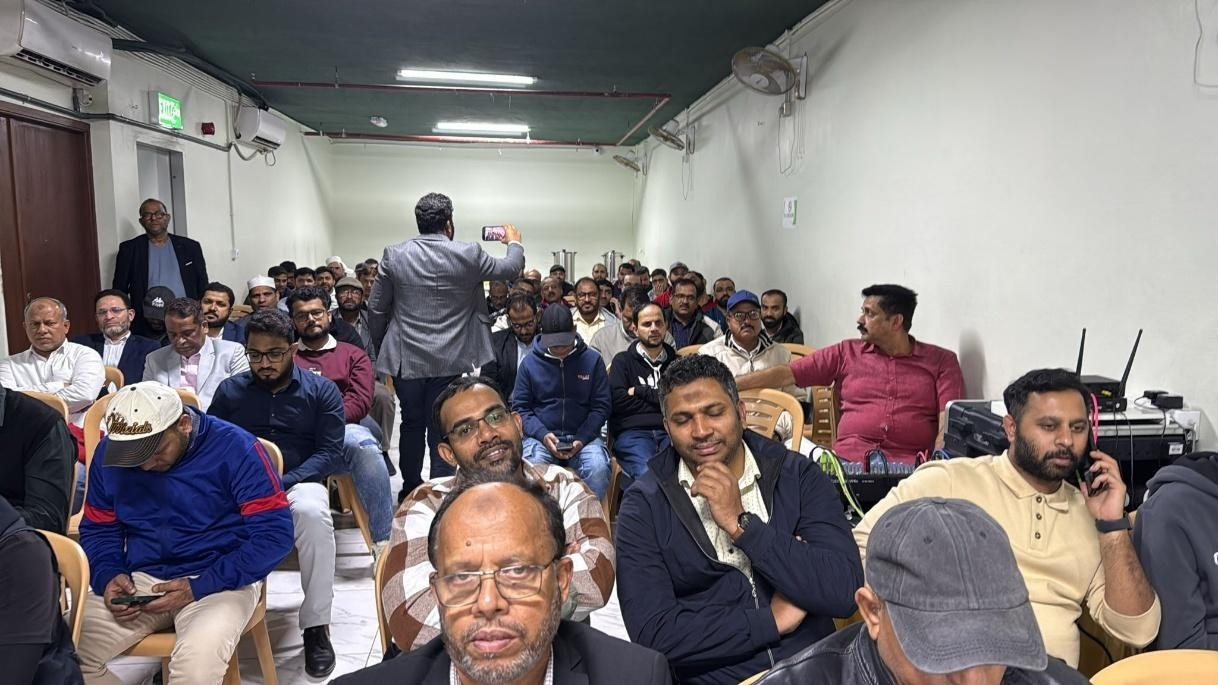
Kuwait: The Karnataka branch of the Kuwait Kerala Muslim Association (KKMA), one of the largest social and community service organisations of the Indian diaspora in Kuwait, held its General Body Meeting on Friday at the Evergreen Auditorium in Abbasiya.
The meeting began with the recitation of the Holy Quran by Mohammed Afraz Anwar. Karnataka branch General Secretary Mohammed Amin Sheik delivered the welcome address, while the programme was formally inaugurated by KKMA Central Committee Organising Secretary and Karnataka Branch Mentor Eng. Muhammad Nawas Cadiri. He appreciated the dedication of the branch members and their continued contribution to KKMA’s humanitarian activities.
KKMA Central Committee President K. Basheer, addressing the gathering, highlighted the importance of the Karnataka Branch and praised its consistent and meaningful role within the organisation. Branch President Yusuf Rasheed, in his presidential address, outlined the branch’s achievements in various charitable and social initiatives, including the Family Benefit Scheme, Educational Scholarship Programme, Kidney Dialysis Centres, Medical Assistance Programme, Home for the Homeless, Housing Improvement Programme, support services for expatriate patients in Kuwait, and the repatriation of deceased individuals. He expressed gratitude to the team for their support during his four-year tenure.
Senior leader and Chief Financial Officer Sayed Rafeek presented the annual activity and financial reports for the past two years, which were unanimously approved by the General Body. Central Committee Working President O. P. Sharafu, in his keynote address, spoke on the values, responsibilities and significance of social work.
Several members were felicitated for their outstanding contributions, including Sheik Yusuf Abbas, Mohammad Hussain Daddi, Mohammad Ansar Hussain, Imad Irshad Nazeer, Imthiyaz Noor Choughuley, Abdul Hakeem Ismail and Abdul Latheef Kodibail. Najmuddin Takey, Mabiya Adam, Ansar Dayambu and Shoukath Husainabba Shirva received awards for their performance in the membership campaign. Branch Mentor Mohammad Nawas Cadiri and outgoing President Yusuf Rasheed were also honoured for their guidance, leadership and service.
Following the dissolution of the existing committee, a new committee for 2025–26 was formed under the supervision of Returning Officer Naufal A. T., Vice President (IT), KKMA Central Committee. Mohammad Yusuf Muniyam was unanimously elected as the new President of the KKMA Karnataka Branch. Office bearers from all six zones of the branch were also introduced.
In his acceptance speech, Mohammad Yusuf Muniyam thanked the leadership and members for the trust placed in him and sought continued cooperation to strengthen KKMA’s mission. KKMA Vice Chairman Ibrahim Kunnil congratulated the new leadership and assured full support from the Central Committee. Several central and zonal leaders extended their best wishes during the felicitation session.
The programme was compered by Abdul Jabbar Gurupur and concluded with a vote of thanks by Mabiya Adam, followed by fellowship and dinner.
New office bearers (2026–2027):
Mohammad Yusuf Muniyam – President
Abdul Rahiman Kana – Working President
Mohammed Amin Sheik – General Secretary
Sharief Ahmed Mulky – Treasurer
Mohammad Faisal Beary – Administration Secretary
Vice Presidents include Mohammed Irshad Mulky, Imthiyaz Abdul Kareem Soorinje, Mohammed Riyaz Kawa, Mohammed Shamshuddin Moosa, Mohammed Noufal, Shakeel Ahmed, Shoukath Husainabba Shirva, Ramlan Bhatrathota, Firoz Abdul Samad, and Mabiya Adam Kadaba.
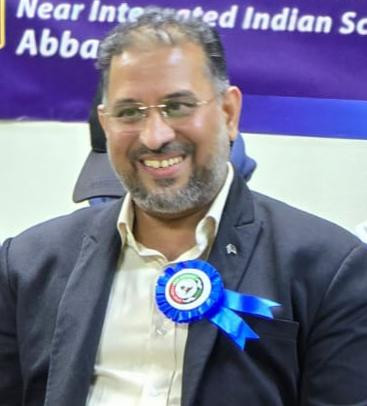
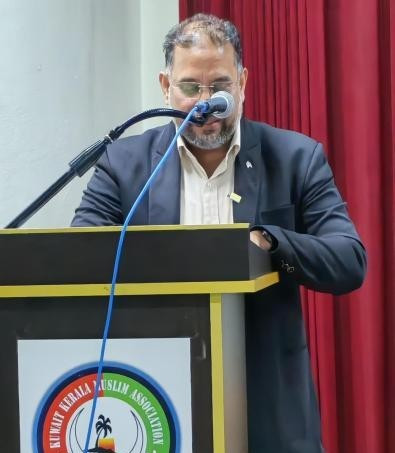
Mohammed Yusuf Muniyam President
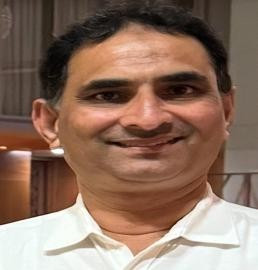
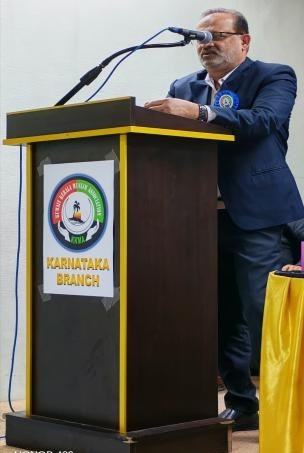
Abdul Rahiman Kana Working President

Mohammed Amin Shaikh General Secretary
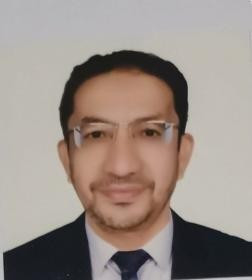
Ahmed Shereef Mulki Treasurer

Let the Truth be known. If you read VB and like VB, please be a VB Supporter and Help us deliver the Truth to one and all.
Vartha Bharati–Sankalp predictions align closely with Karnataka bypoll results
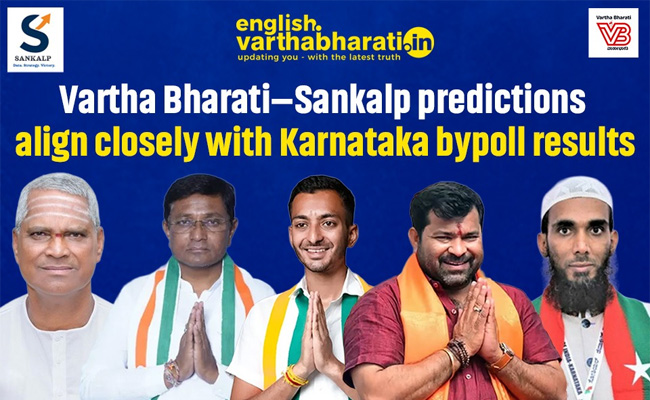
Bengaluru: The Vartha Bharati–Sankalp election analysis has shown a high level of accuracy in predicting the outcome of the recent Karnataka Assembly by-elections held in May 2026, correctly calling winners in both constituencies and closely estimating vote share trends.
The by-elections were held in Bagalkot and Davanagere South, drawing significant political attention as both seats were seen as key tests for the ruling Congress and opposition BJP.
According to the analysis, Vartha Bharati–Sankalp had made three major projections ahead of the results the winning party, vote share percentages, and margin of victory.
In both constituencies, the platform accurately predicted that the Congress would emerge victorious. The outcome matched the projections, with Congress candidates winning in Bagalkot and Davanagere South.
In terms of vote share, the predictions were largely in line with the final results. In Bagalkot, the BJP’s vote share was forecast in the range of 40 to 46 per cent, while the actual figure stood at 42.9 per cent. The Congress vote share, however, exceeded expectations, with the party securing 55.4 per cent against a projected range of 43 to 48 per cent.
The margin of victory in Bagalkot turned out to be significantly higher than anticipated. While the projection had placed the margin between 2,000 and 3,500 votes, the final margin was around 22,332 votes.
In Davanagere South, the predictions also remained largely accurate. The Congress vote share was projected between 43 and 51 per cent, and the final figure stood at 43.9 per cent. The BJP was expected to secure between 42 and 50 per cent but ended with 40.3 per cent.
The analysis had also identified the role of SDPI as a potential spoiler in the constituency. While its vote share was estimated around 6 per cent, the party eventually secured around 12 per cent of the vote.
The margin of victory in Davanagere South was predicted to be between 1,500 and 2,600 votes. The actual margin was higher at around 5,708 votes, though the contest remained relatively close as anticipated.
Overall, the performance of Vartha Bharati–Sankalp stood out for correctly identifying the winning parties in both seats and maintaining close accuracy in vote share estimates, with only limited deviations in specific cases.