Riyadh: Mortal remains of Cuddalore worker brought home from Saudi Arabia
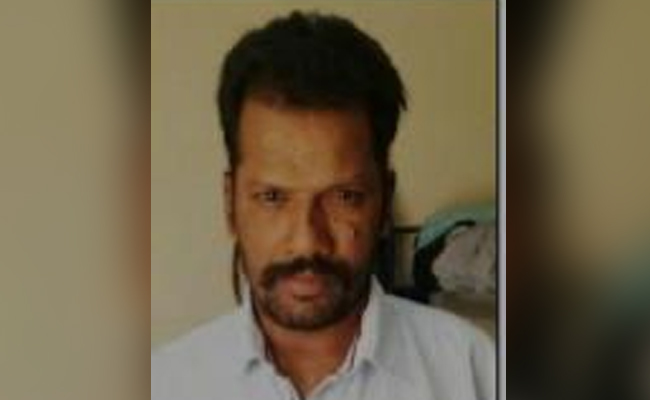
The mortal remains of Mani Karuppaiah from Edachithur in Cuddalore district, who passed away in Saudi Arabia on November 20, 2025, were flown to Tamil Nadu and reached his hometown on Tuesday.
Mani, who worked as a general worker in a marble factory in Riyadh, suffered a severe brain hemorrhage during duty hours in August 2024 and slipped into a coma. He was first treated at Shemaishi Hospital in Riyadh and later shifted to Ruwaydah Al-Ardh General Hospital, about 230 km from the capital, where he remained under treatment for more than seven months until his death.
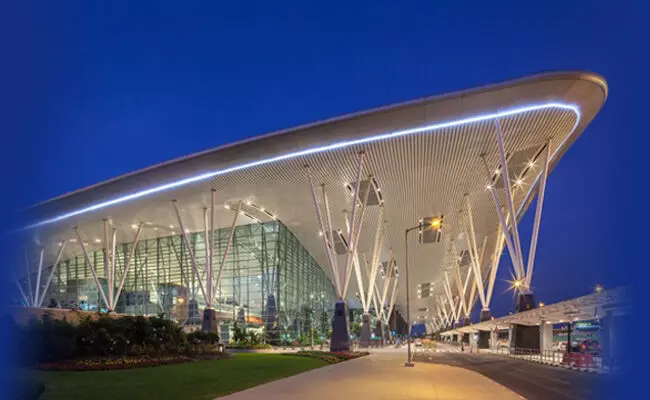
After completing all legal and administrative procedures, the body was sent from King Khalid International Airport on December 8 at 10.35 pm via Sri Lanka on Colombian Airlines. It arrived at Tiruchirapalli International Airport at 9.15 am on December 9. His nephew Raja Duraisamy received the remains, which were taken by ambulance to Edachithur. The last rites were performed at 3 pm.
Riyadh-based pro-bono lawyer and social worker Adv. P. A. Hameed Padubidri coordinated the documentation process in liaison with the Indian Embassy. He had been following the case since Mani was admitted to hospital in August 2024. Efforts to shift Mani to India for treatment could not materialise due to legal hurdles.
Members of the Tamil community in Riyadh, including Rahim Suraj and colleagues of the deceased, Kumar Guru and Gughanathan Nagappan, also assisted in the process.
The family has thanked Adv. Hameed, the Tamil community members and the Indian Embassy for their support.
Mani is survived by his mother K. Vennila, wife Sanjalam, daughters Priya and Kaviyarasi, son Ponnarasan and other relatives. He had been employed in Riyadh for more than ten years.


Let the Truth be known. If you read VB and like VB, please be a VB Supporter and Help us deliver the Truth to one and all.
“Goli maro…” slogan raised as ABVP-linked group disrupts play at University of Hyderabad
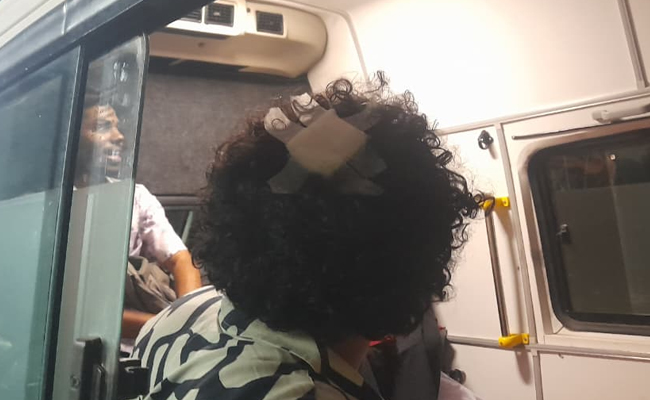
Hyderabad: A group allegedly linked to the Akhil Bharatiya Vidyarthi Parishad (ABVP) disrupted a theatre performance at the University of Hyderabad on Sunday evening. The group is also accused of vandalising property and assaulting students.
Slogans such as “Desh ke gaddaron ko, goli maro…” were raised during the incident, according to eyewitnesses.
According to the Observer Post, the disruption happened as Mahesh Elkunchwar's play Holi was being staged at the Department of Theatre Arts' GB Hall. The group reportedly objected to certain portions of the play, claiming that some phrases hurt religious sentiments.
According to accounts from those present, the situation escalated when individuals forced their way into the venue after damaging fixtures and breaking glass panels outside the auditorium. Students attempting to intervene were reportedly assaulted, and a guest faculty member was allegedly threatened.
Several students sustained injuries and were provided initial treatment at the campus health centre before being shifted to a nearby hospital.
Police later arrived at the scene, brought the situation under control, and escorted those inside the hall to safety. Witnesses said tensions remained high, with some members of the group continuing to raise slogans during the evacuation.