UAE leader designates his son as crown prince
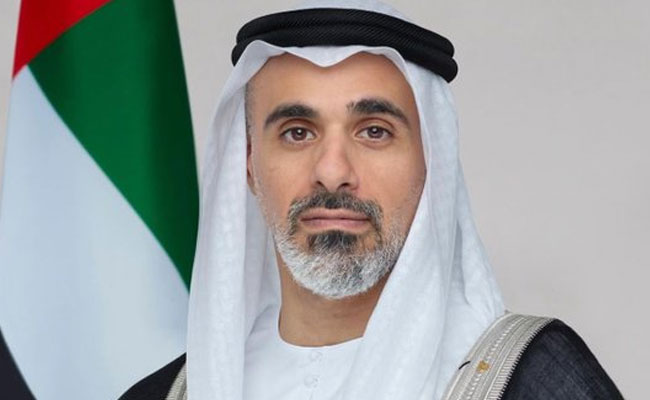
Dubai (AP): Sheikh Mohammed bin Zayed Al Nahyan, the president of the United Arab Emirates, appointed his eldest son Khaled as crown prince of Abu Dhabi on Wednesday, placing him as next in line to take over as the leader of the federation.
The state-run WAM news agency announced the appointment of Sheikh Khaled bin Mohamed bin Zayed Al Nahyan as crown prince late Wednesday, without providing further details.
After Sheikh Mohammed, who is commonly known as MBZ, ascended to the presidency last year, rumors swirled about whether he would make one of his brothers his heir.
In that case, the front-runners would have been Sheikh Tahnoun bin Zayed, the powerful national security chief, Sheikh Mansour, the owner of the Manchester City football club, or the foreign minister, Sheikh Abdullah.
Sheikh Khaled was appointed chairman of the country's intelligence agency in 2016.
The United Arab Emirates, a close U.S. ally, is best known as the home of Dubai, a major international hub for business and travel.
Sheikh Zayed bin Sultan Al Nahyan, the first president of the UAE and the driving force behind its creation, ruled from 1971 until his death in 2004. He appointed his eldest son Khalifa as his successor and MBZ as deputy crown prince.
Sheikh Mohammed has been the nation's de facto leader since Sheikh Khalifa suffered a stroke in 2014. Sheikh Khalifa died eight years later, in May 2022.
During Sheikh Mohammed's rule, the UAE cultivated close ties with neighboring Saudi Arabia, initially joining it in its war against Yemen's Iran-backed Houthi rebels before exiting the conflict years later. The UAE has sought to project military power across the region as it has opposed the rise of Islamist groups.
In 2020, the UAE normalized relations with Israel in the first of the so-called Abraham Accords, followed by Bahrain, Morocco and Sudan.
Let the Truth be known. If you read VB and like VB, please be a VB Supporter and Help us deliver the Truth to one and all.
Trump says he ‘hasn’t even thought about’ continuing Iran ceasefire
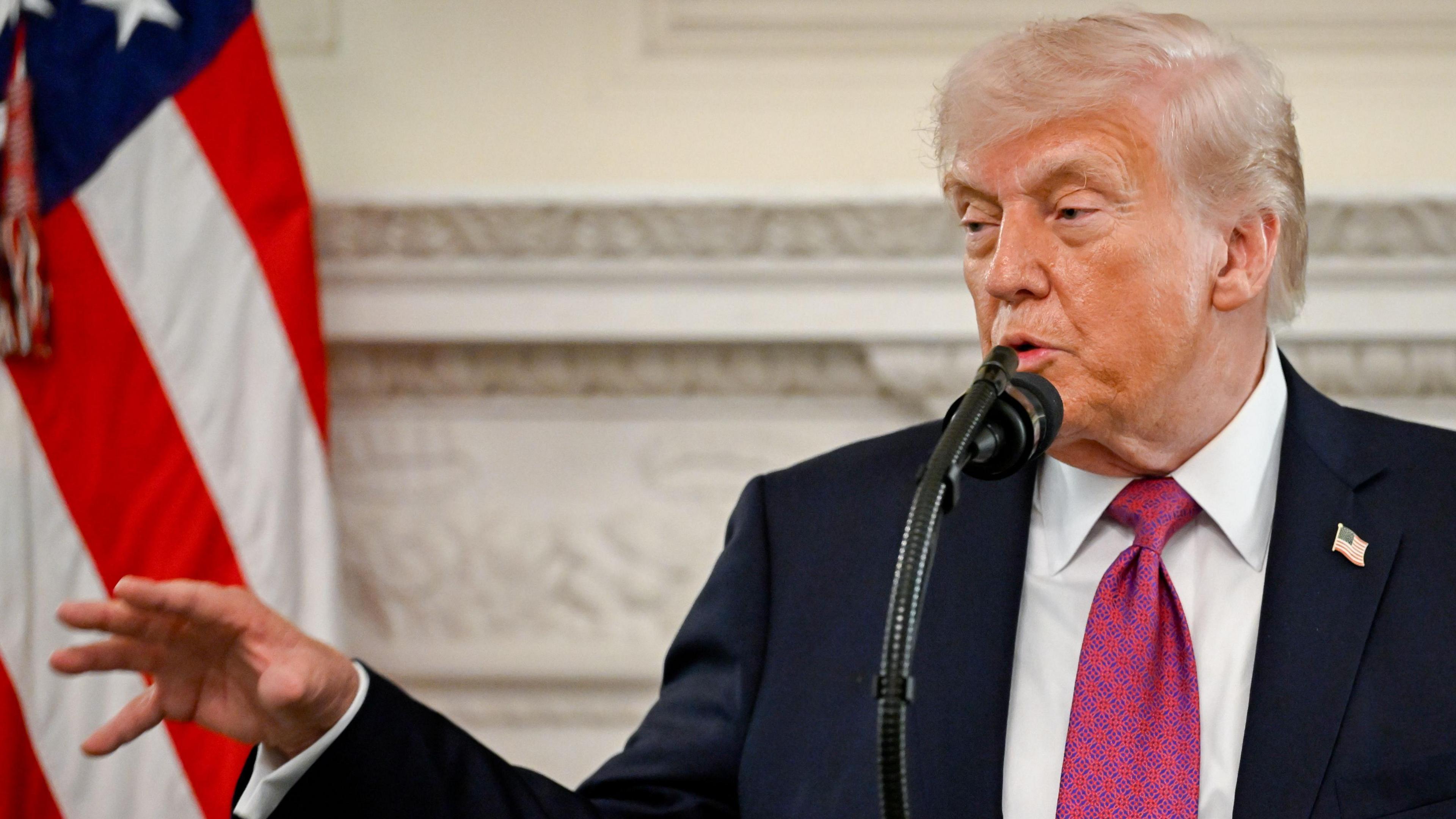
Washington: US President Donald Trump has said he has not yet considered whether he would continue the ceasefire involving Iran, while also claiming the United States holds the advantage in negotiations.
Speaking to reporters, Trump said he was prepared to make a deal with “whoever is running the show” in Iran.
“They are fighting with each other, there’s tremendous infighting. They’re probably fighting for leadership in many cases. I think they’re fighting not to be leader because we knocked out two levels of leaders,” he said.
Trump added, “When they want they can call me. We have all the cards, we’ve won everything.”
Referring to ongoing negotiations, he said, “They gave us a paper that should’ve been better. And, interestingly, immediately when I cancelled it [envoy trip to Pakistan], within 10 minutes we got a new paper that was much better.”
“We talked about they will not have a nuclear weapon, very simple … They offered a lot, but not enough,” he added.
When asked whether he would continue the ceasefire, Trump replied, “I haven’t even thought about it.”
The remarks come as uncertainty remains over the future of the temporary truce and broader negotiations between Washington and Tehran.