Saffron may aid in managing depression, says nutritionist Pooja Makhija
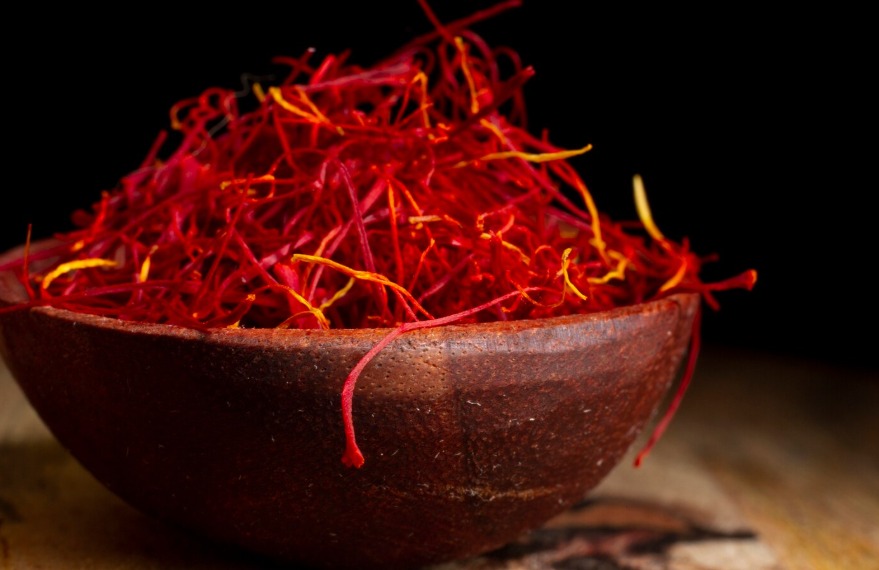
New Delhi: Nutritionist Pooja Makhija has mentioned the potential mental health benefits of saffron. Saffron, one of the most expensive spices in the world, has been considered useful as prescribed antidepressants in a standardised saffron extract. According to Makhija, Citing clinical research saffron is effective in treating mild to severe depression without the common adverse effects of medicine, as reported by NDTV.
In a post on Instagram, Makhija explained that the spice contains three natural compounds. Crocin acts as a strong antioxidant, Crocetin supports blood flow and oxygen supply to the brain, while Safranal, promotes calmness and aid mood regulation.
According to Makhija, these substances may have neuroprotective properties and increase the production of neurotransmitters in the brain that are involved for mood regulation. According to a double-blind scientific trial published in the National Library of Medicine, participants who drank 30 mg of saffron extract per day had depressed symptoms similar to those taking fluoxetine (Prozac). There were no side effects recorded during the studies.
She also shared her insights on hormonal changes during this period often lead to symptoms such as headaches, heart palpitations, high cholesterol, hot flashes and hair loss. Around 42 per cent of women in menopause and half of post-menopausal women report experiencing palpitations, she added.
She explained that declining levels of cholesterol-based sex hormones, may trigger the body to produce more cholesterol, raising levels during menopause. Makhija advised women to adopt dietary adjustments, proper hydration and regular exercise to manage these transitions.
Let the Truth be known. If you read VB and like VB, please be a VB Supporter and Help us deliver the Truth to one and all.
Confident we are going to win Kerala: Shashi Tharoor
New Delhi (PTI): Congress leader Shashi Tharoor on Thursday expressed confidence in the victory of the United Democratic Front (UDF) in Kerala, saying the Congress-led alliance will win more than 75 seats out of the total 140 in the state.
Tharoor, who hails from Kerala, said he was not surprised to see the results of the exit polls, most of which predicted a victory for the UDF that has been out of power for 10 years in the state.
"We have been on the ground. I have campaigned in 59 constituencies across 12 districts out of 14. I was very confident we are going to win.
"Everything that I have picked up from not just my party colleagues and workers but also from other observers, media and others have always convinced me that we were going to score a comfortable win of above 75 seats. And all the (exit) polls have confirmed the same thing," he told reporters here.
The Thiruvananthapuram MP said he was not surprised to see the results of the exit polls but in general he was not a big fan of exit polls in India.
"Because ours is not purely a homogenous society. We have to take into account gender issue, caste issue, class issue, regional disparities. You never get a convincingly large enough sample to give an accurate poll and now there is the additional complication that we have heard about in West Bengal this year that many people are unwilling to answer the questions of the pollsters," he said.
The Congress leader said normally, it used to be below 10 per cent that people said that they would not answer.
"Even if you are a reputable exit pollster, in Bengal, one polling company has said 60 per cent of people refused to answer. So, what is the worth of a poll where 60 per cent of your respondents have not answered," he said.
Several exit polls on Wednesday predicted a comeback by the Congress-led UDF in Kerala after 10 years, dethroning the CPI(M)-led Left Democratic Front (LDF).
Polling for the 140-member Kerala assembly was held on April 9. Results of assembly elections in West Bengal, Tamil Nadu, Assam, Puducherry, besides Kerala, will be announced on May 4.