WHO says coronavirus unlikely to have leaked from China lab
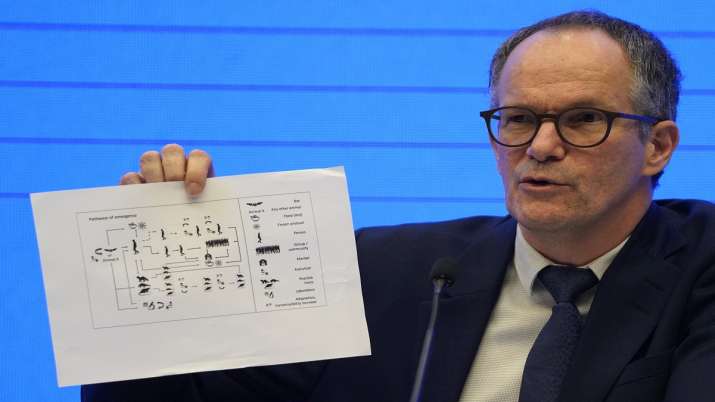
Wuhan (China), Feb 9: The coronavirus is unlikely to have leaked from a Chinese lab and is more likely to have jumped to humans from an animal, a World Health Organisation expert said on Tuesday.
WHO food safety and animal diseases expert Peter Ben Embarek made the assessment at the end of a visit to the central Chinese city of Wuhan, where a team of scientists is investigating the possible origins of the coronavirus. The first cases were discovered in the city in December 2019.
The Wuhan Institute of Virology has collected extensive virus samples, leading to allegations that it may have caused the original outbreak by leaking the virus into the surrounding community. China has strongly rejected that possibility and has promoted other theories that the virus may have originated elsewhere. The team is considering several theories for how the disease first ended up in humans.
Our initial findings suggest that the introduction through an intermediary host species is the most likely pathway and one that will require more studies and more specific, targeted research, Embarek said.
However, the findings suggest that the laboratory incidents hypothesis is extremely unlikely to explain the introduction of the virus to the human population, Embarek said.
The WHO team draws on experts from 10 countries. Its mission is intended to be an initial step delving into the origins of the virus, which is believed to have originated in bats before being passed to humans through another species of wild animal, such as a pangolin or bamboo rat, which is considered an exotic delicacy by some in China.
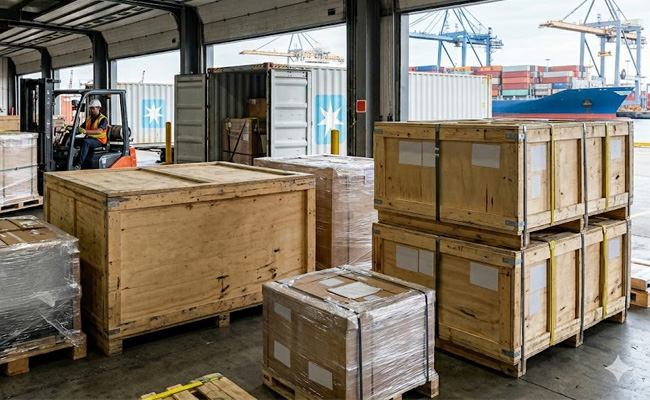
Transmission through the trade in frozen products was also a likely possibility, Embarek said.
Another member of the WHO team told The Associated Press late last week that they enjoyed a greater level of openness than they had anticipated, and that they were granted full access to all sites and personnel they requested.
That expert, British-born zoologist Peter Daszak, said the team looked into issues including what the first cases were, the link with animals and what, if any, the role that imports of frozen food may have played -- a theory that China has long put forward.
The visit by the WHO team took months to negotiate after China only agreed to it amid massive international pressure at the World Health Assembly meeting last May, and Beijing has continued to resist calls for a strictly independent investigation.
Chinese authorities have kept a tight hold on information about the possible causes of the pandemic that has now killed more than 2.3 million worldwide.
Let the Truth be known. If you read VB and like VB, please be a VB Supporter and Help us deliver the Truth to one and all.
Right to vote under threat, must be made fundamental right: Cong's Jairam Ramesh
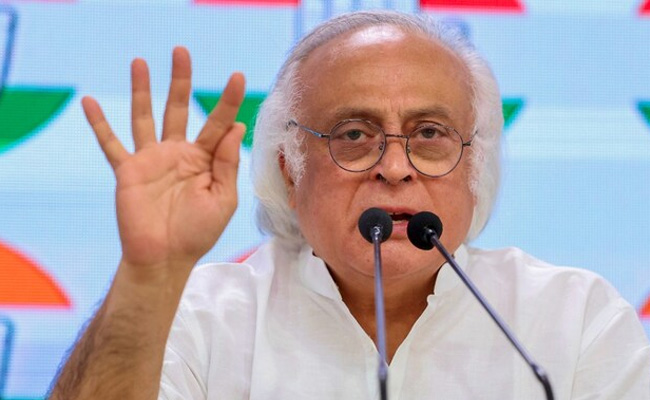
New Delhi (PTI): Congress leader Jairam Ramesh alleged on Thursday that the right to vote is under threat and the time has come when it should be made a fundamental right for citizens.
Speaking with reporters, Ramesh lashed out at Chief Election Commissioner (CEC) Gyanesh Kumar, saying the Election Commission (EC) has never been as compromised as it has been under him.
"The rot started under his predecessor. This man is a player and not a neutral observer," the Congress leader said, slamming Kumar.
Kumar is completely compromised and has become a player in elections, he alleged.
"Home Minister Amit Shah had talked about three Ds -- detect, delete and deport. So we want to know how many non-Indian citizens have been detected, how many have been deleted and how many have been deported," Ramesh said, adding that the right to vote is now under threat.
On opposition parties submitting a fresh notice in the Rajya Sabha, seeking to move a motion for the CEC's removal, the Congress leader said they will continue to make efforts for Kumar's removal as he is "compromised".
Ramesh also batted for the right to vote to be recognised as a fundamental right.
"I believe that the time has come that the right to vote should be made a fundamental right. It is a statutory right, it is not a fundamental right. Fundamental rights are justiciable," he said.
The former Union minister said this was discussed in the Constituent Assembly, but it was eventually decided that it should be made part of the Constitution.
B R Ambedkar and Jagjivan Ram had warned that in the future, governments might try to disenfranchise voters, he added.
"Once and for all, include the right to vote as a fundamental right for Indian citizens," Ramesh asserted.