
One week into Ramadan: A detailed food guide for gym-goers, athletes, MMA trainees after Iftar

We are a week into Ramadan now. For those who train regularly, whether it is gym sessions, MMA, running, cricket practice or strength training the body is already adjusting to the new routine. Fasting during the day is one part of it. The bigger question is what happens after Iftar.
Many people undo an entire day of discipline in the first one hour after breaking fast. The body is dehydrated, energy levels are low, and digestion has been resting for hours. What you eat in that window decides how well you recover, how strong you feel the next day, and whether your fitness goals stay on track.
Here is a practical and detailed list of foods that actually help and those that can quietly slow you down.
Foods that support recovery and performance
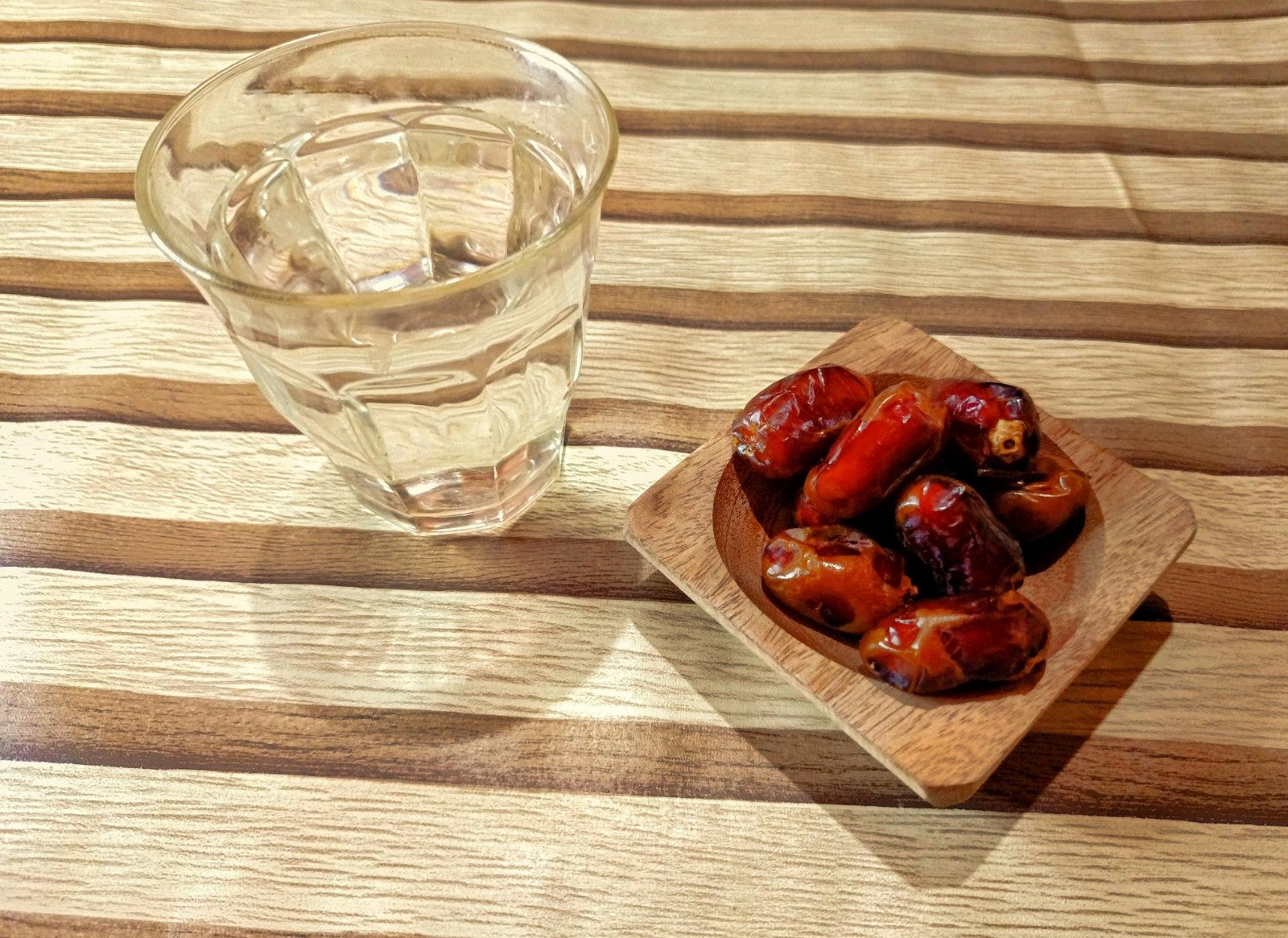
1. Dates with water
Breaking fast with two or three dates and a glass of water is enough. Dates give quick glucose, which gently raises blood sugar after a long gap. But eating six or seven at once adds unnecessary sugar. Keep it controlled. The aim is to wake up the system, not overload it.
2. Tender coconut water
After a full day without fluids, hydration should be the first focus. Tender coconut water helps replace potassium and other natural electrolytes. It feels light and does not sit heavy in the stomach. For those who sweat a lot during late-night training, this is especially useful.
3. Lightly cooked fish
Grilled fish, steamed fish or a simple fish curry with less oil works very well. Fish gives high-quality protein that helps muscle repair. It is lighter compared to heavy red meat and easier to digest if you plan to train later in the night.
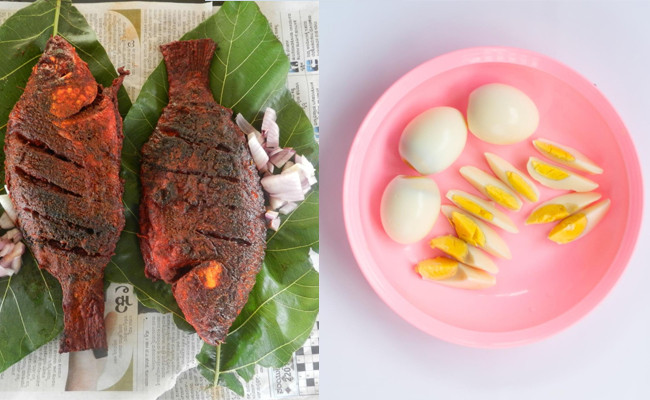
4. Boiled eggs or simple egg bhurji
Eggs are one of the easiest protein sources available. Two boiled eggs after Iftar give around 12 grams of protein. That supports muscle recovery without making you feel heavy. Avoid very oily masala preparations.
5. Dal or lentil soup
A bowl of dal provides plant protein and fluids together. It also gives steady energy. For those who cannot eat a heavy meal immediately after breaking fast, dal is a safe option that keeps you full without discomfort.
6. Steamed rice, idli or kanji
Carbohydrates refill glycogen stores in muscles. After fasting, your body needs some carbs. Steamed rice in moderate quantity, soft idli or even kanji is easier to digest compared to fried parottas or oily rice items. Keep the portion sensible.
7. Curd, buttermilk or plain yogurt
These help digestion and cool the body. A small bowl of curd with rice or a glass of buttermilk reduces acidity and bloating. It also adds some protein.
8. Fresh fruits
Watermelon helps hydration. Banana gives quick and sustained energy. Papaya supports digestion. A small fruit bowl after Iftar is better than jumping directly into sweets.
9. Handful of nuts
Almonds or peanuts in small quantity provide healthy fats and some protein. They help with satiety. But remember, nuts are calorie-dense. A handful is enough.
10. Protein shake after late training
If you train after Taraweeh or close to midnight, it may not be possible to eat a full meal again. In that case, a simple whey or milk-based protein shake supports muscle repair. Avoid adding sugary syrups or ice cream to it.
Foods that can affect fitness goals if eaten daily:
Ramadan evenings come with special dishes. Enjoying them in moderation is fine. But daily excess can affect body composition and energy levels.
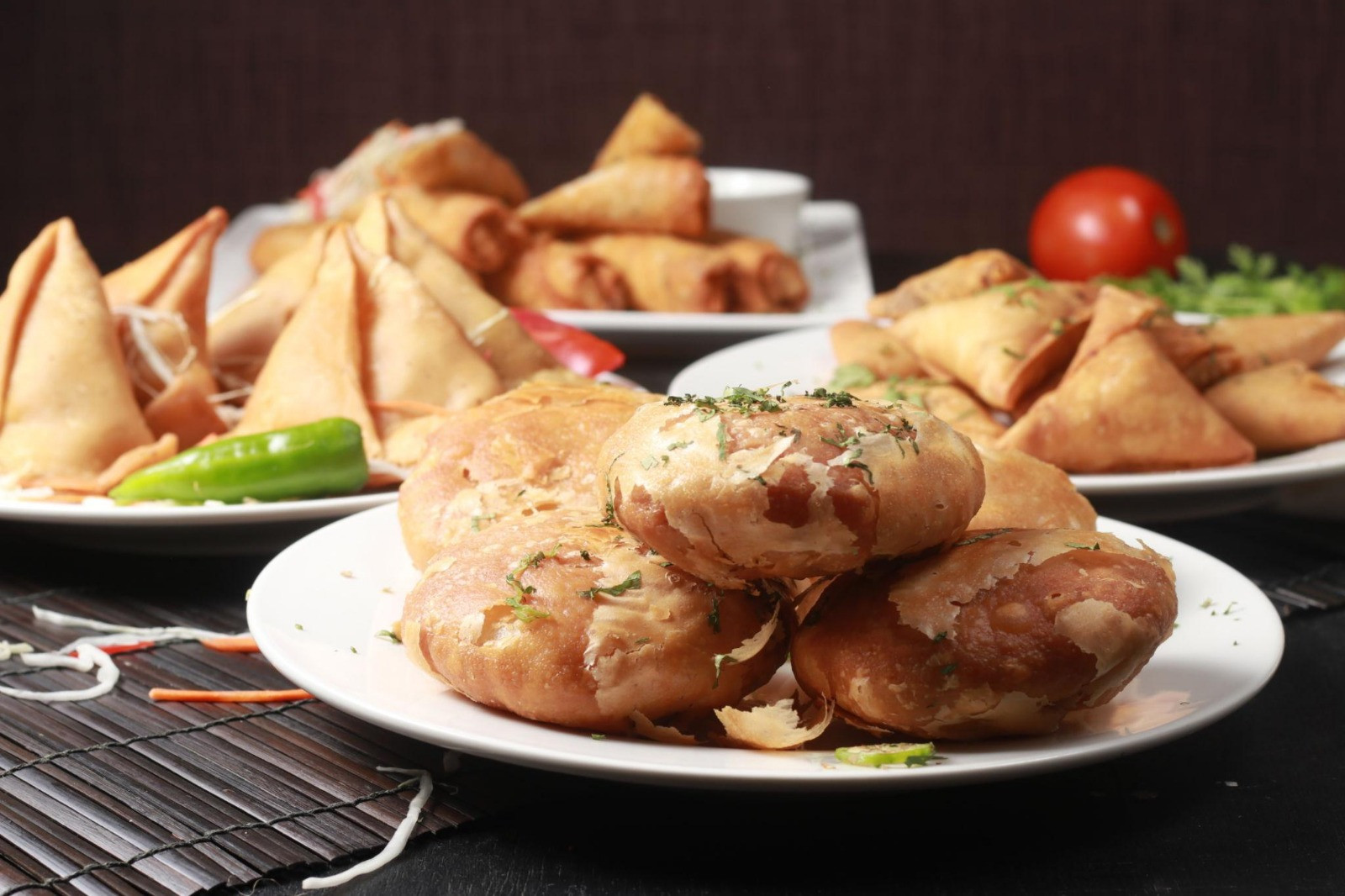
1. Deep-fried snacks in large amounts
Samosas, pakoras and bajjis are tempting. But oil-heavy food slows digestion and makes you feel sleepy. It also adds extra calories very quickly.
2. Sugary sherbets and soft drinks
They cause a rapid rise in blood sugar followed by a crash. They also do not hydrate the body as effectively as water or coconut water.
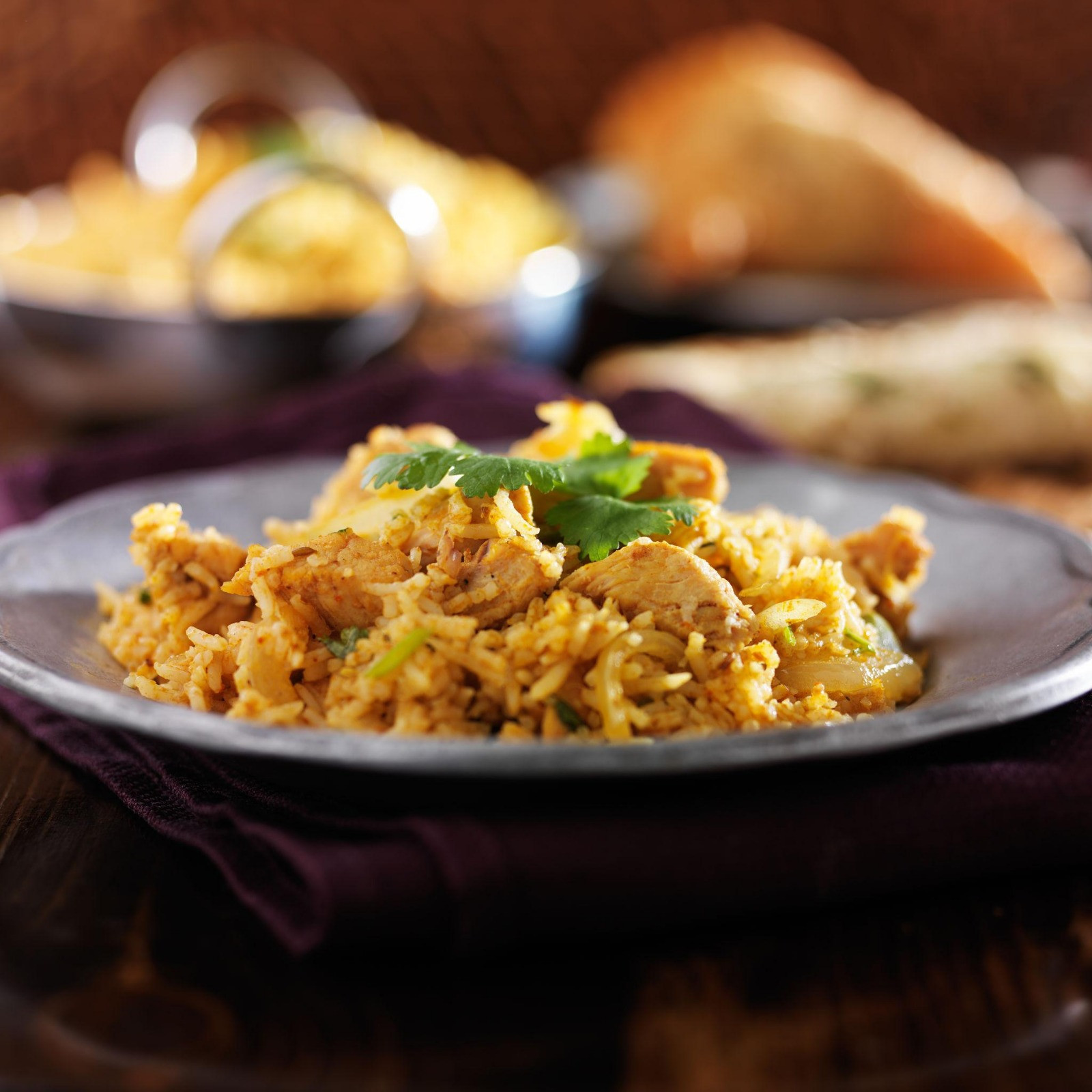
3. Large portions of oily biryani every night
Biryani during Ramadan is common. But eating a full heavy plate daily can cause bloating and fat gain, especially when physical activity is reduced during fasting hours.
4. Rich coconut-based or cream-heavy gravies
Too much oil or thick gravies can upset the stomach and delay digestion.
5. Sweets like halwa in big servings
Traditional sweets are part of the season. But repeated servings every night add a large amount of sugar and fat.
6. Excess red meat immediately after Iftar
Red meat takes longer to digest. If you plan to train later, it can make you feel heavy.
7. Too much tea or coffee
Caffeine right after Iftar can disturb sleep. Poor sleep means poor recovery.
8. Packaged salty snacks
High salt increases thirst and can cause water retention.
9. Heavy milkshakes with added sugar
They look refreshing but can quietly add a lot of calories.
10. Overeating in one sitting
Even healthy food becomes a problem if the quantity is too much. Eating slowly and stopping when you are satisfied helps digestion.
Other important habits:
Hydration should continue between Iftar and Sehri. Instead of drinking two litres at once, spread it through the night. Small, steady intake works better.
If you train intensely, especially in humid weather, you lose more fluids. Replace them properly.
Give at least one to two hours after a proper meal before intense training. This reduces stomach discomfort.
Sleep is often ignored during Ramadan. Late nights and early Sehri reduce total sleep hours. Without enough rest, muscle recovery suffers, no matter how good your diet is.
In simple terms, Ramadan does not mean giving up fitness. It only requires smarter planning. Balanced meals, controlled portions and steady hydration can help gym-goers and athletes stay strong throughout the month.
Let the Truth be known. If you read VB and like VB, please be a VB Supporter and Help us deliver the Truth to one and all.
Deepika Kumari leads Indian recurve archery team to dramatic World Cup gold

Shanghai (PTI): The Indian trio of Deepika Kumari, Ankita Bhakat and teenager Kumkum Mohod held their nerve in a tense shoot-off to beat home favourites China and clinch the women's recurve team gold medal at the Archery World Cup Stage 2 here on Sunday.
In a final marked by fluctuating fortunes, India edged past the home side 5-4 (28-26) in the shoot-off after the four-set regulation ended 4-4.
The victory was especially sweeter as India had earlier stunned record 10-time Olympic champions South Korea in the semifinals en route to their first World Cup women's team gold since 2021.
Deepika, who was also part of India's World Cup-winning teams in Guatemala City and Paris in 2021, now has seven World Cup team gold medals to her name since 2010.
It was also the Indian women recurve team's first World Cup medal in three years, its previous podium finish coming in Stage 4 in Paris in 2023 where Ankita was a member of the winning team.
India's campaign in Shanghai has thus already yielded two medals after compound archer Sahil Jadhav opened the country's account, securing a bronze on Saturday.
India also remained in contention for another podium finish later in the day with recurve archer Simranjeet Kaur set to compete in the semifinals. She is a win away from her maiden individual World Cup medal.
Travelling without a full-time national coach amid the continuing impasse over appointments, it was the vastly experienced Deepika who led from the front, constantly motivating her teammates during breaks and changeovers.
Prafull Dange, who was the designated women's recurve coach after his ward Kumkum topped the national trials, largely remained in the background as Deepika guided the side through the pressure moments against a hostile home crowd and vocal Chinese support staff.
Against a young Chinese side comprising Zhu Jingyi, Huang Yuwei and teenage archer Yu Qi, who all made their World Cup debuts only last year, India looked in control initially but nearly let the match slip after taking the opening set (54-53).
Shooting last in the Indian order, Deepika set the tone with successive 10s as India edged the first set despite Ankita (8-8) and 17-year-old Kumkum (10-8) putting up an inconsistent show.
Deepika continued her fine rhythm in the second set with another perfect 10 as India briefly held a one-point advantage (28-27) midway through the end. But China responded strongly with two 9s and a 10 in their final three arrows of the second set to post 55.
Ankita replied with a 9, but Kumkum managed only an 8, leaving Deepika needing a 10 to level the set.
The four-time Olympian, however, slipped to a 7 as India lost the set 52-55 and China drew level at 2-2.
The hosts then moved ahead in the third set. The teams were initially tied at 56, but a review upgraded China's final arrow from 8 to 9, handing them the set 57-56 and a 4-2 lead.
India appeared on the verge of defeat in the fourth set despite Deepika rediscovering her touch with two 10s. Kumkum's final arrow landed in the 7-ring as India posted a modest 54.
China required two 10s and a 9 from their last three arrows to seal the match.
Zhu and Huang delivered perfect 10s, leaving 18-year-old Yu Qi needing a 9 for victory in front of the home crowd.
But the youngster shot an 8, allowing India a dramatic escape and forcing a shoot-off.
The Indians peaked at the right moment in the decider. Ankita opened with a 9, Kumkum followed with a superb 10, and Deepika calmly delivered a 9 when only an 8 was needed to seal the title.


