
Indian Overseas Congress, Bahrain hosts panel discussion on “redefining leadership”

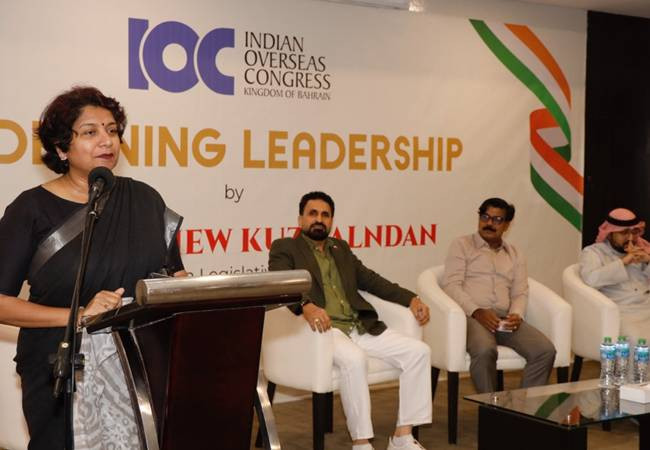
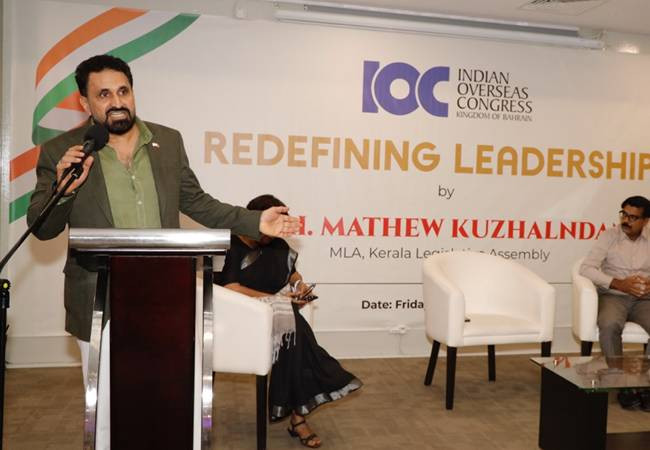
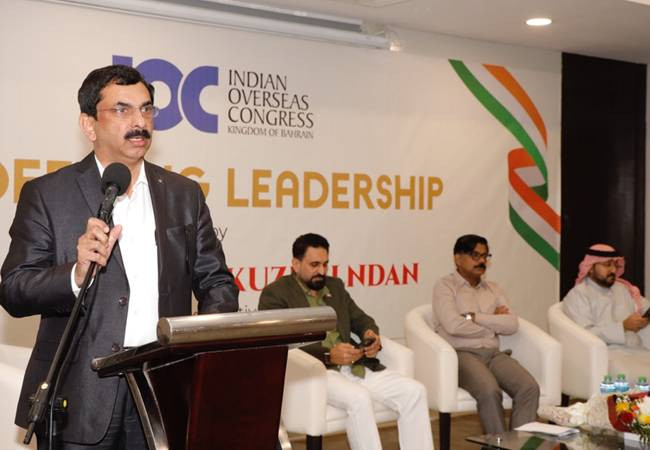
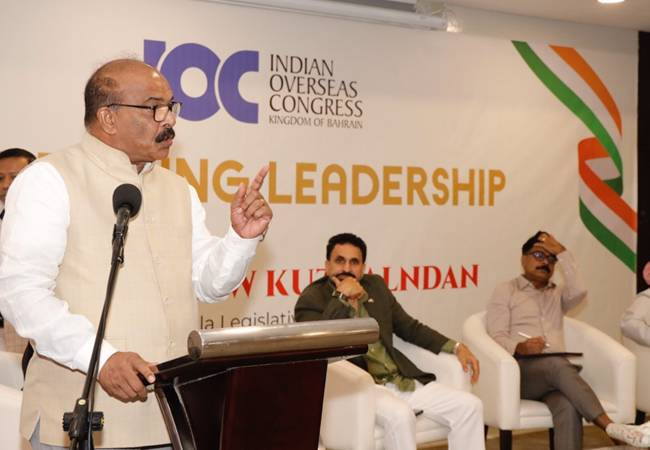
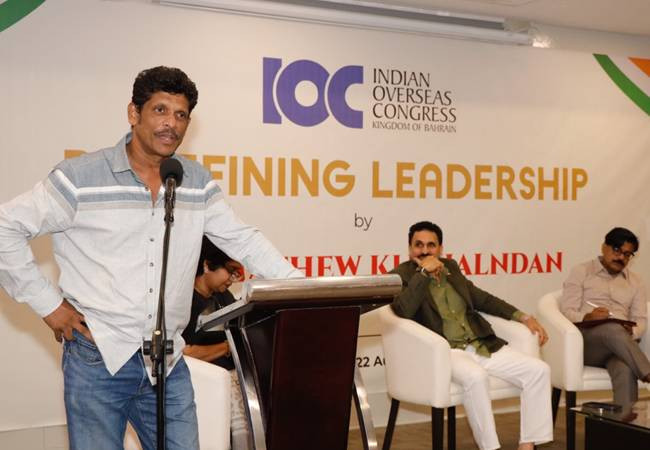
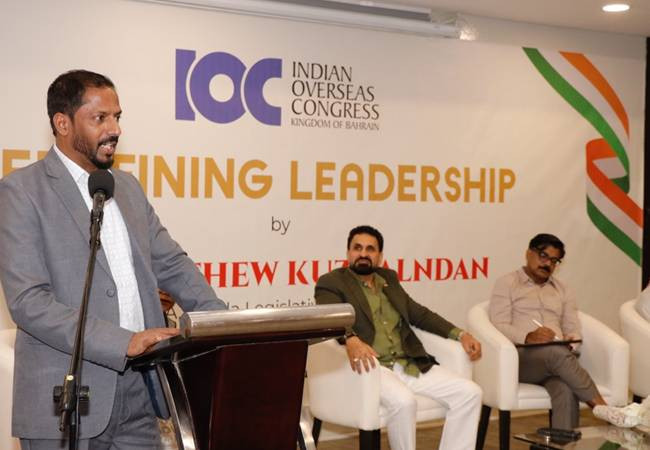
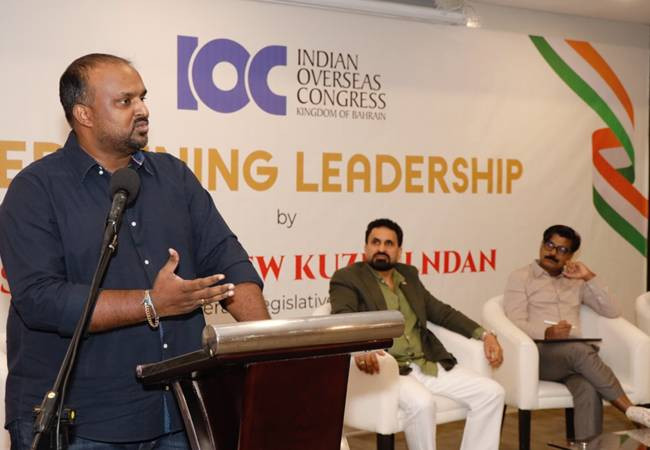
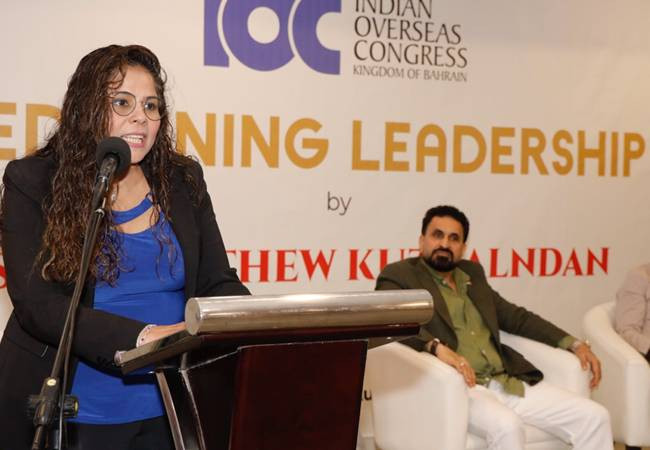
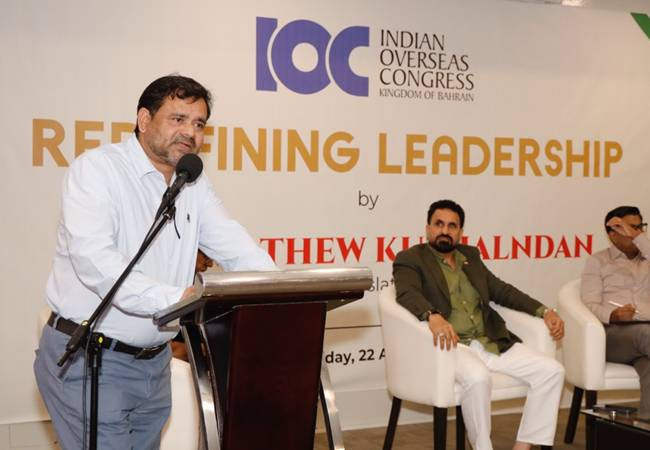
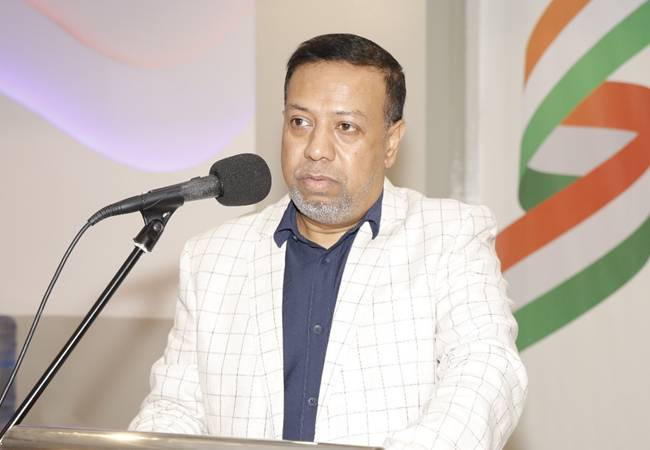
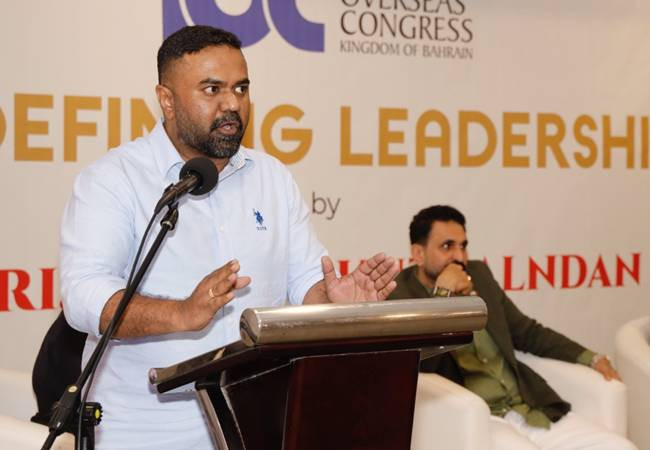
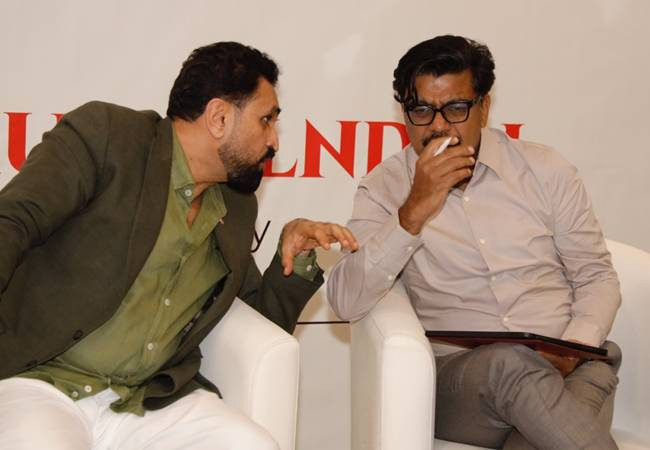
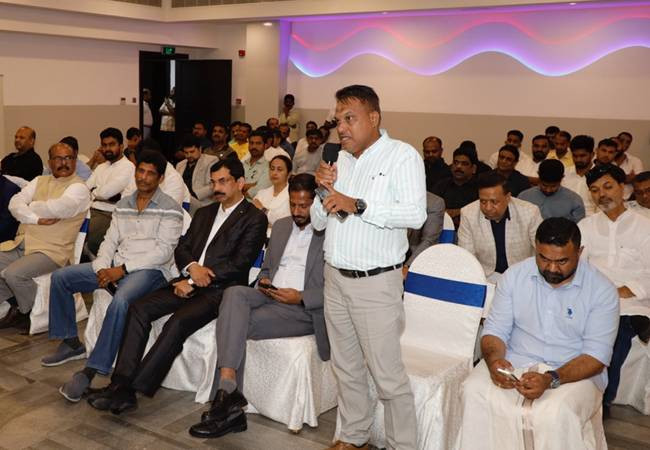
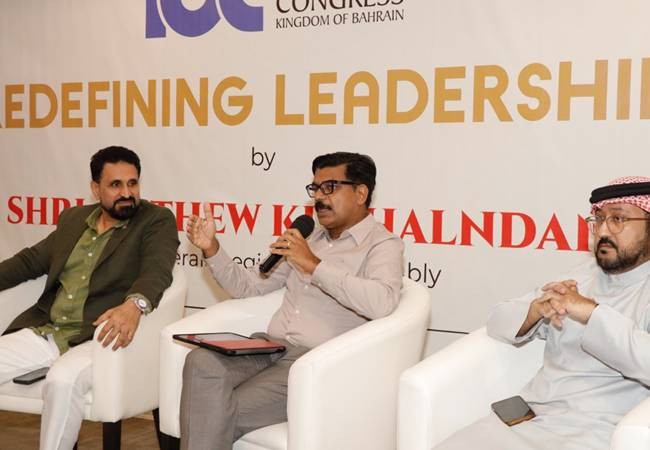
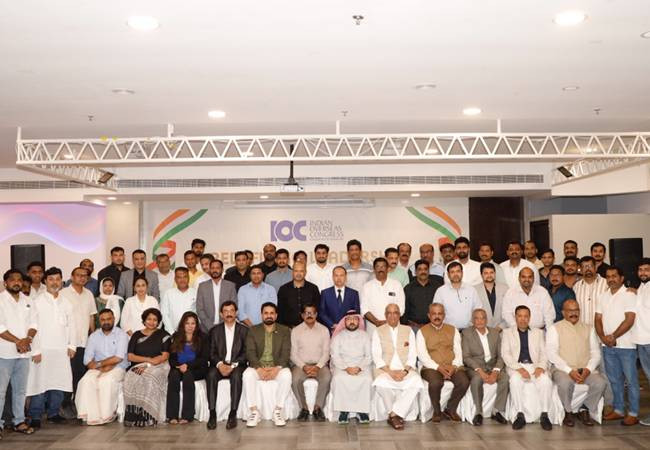
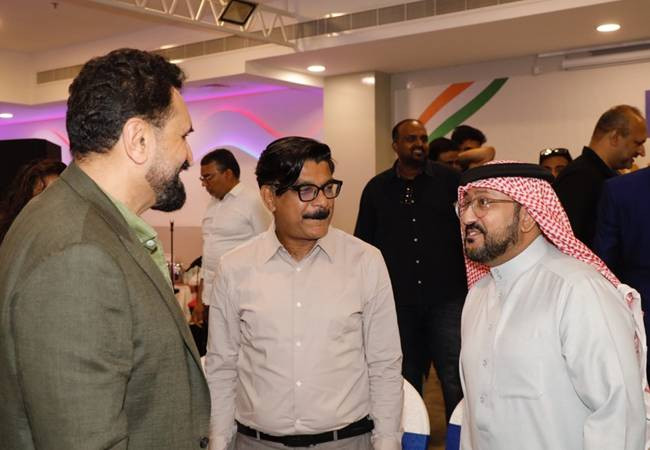
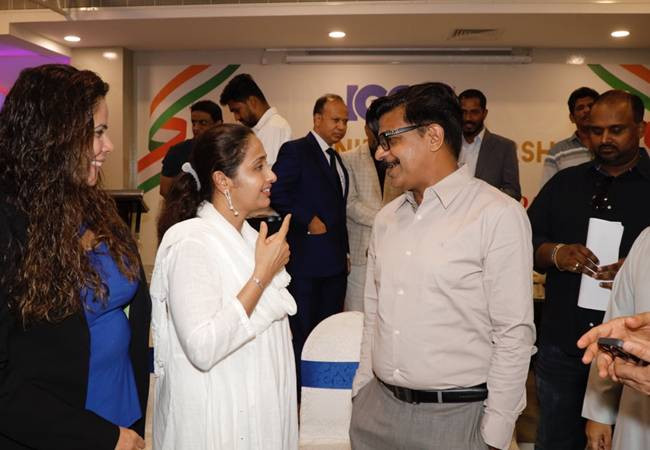
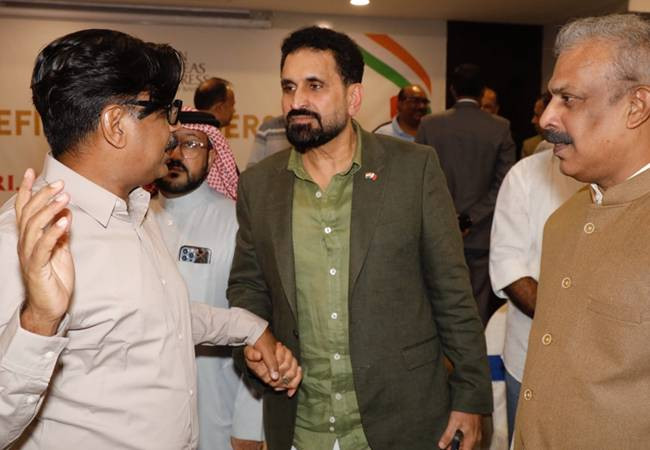
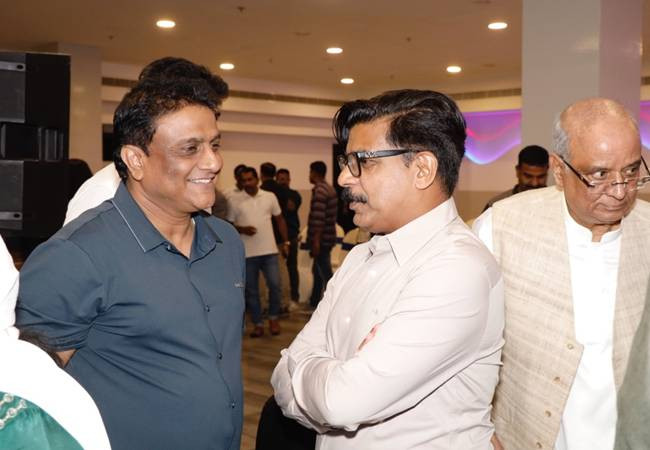
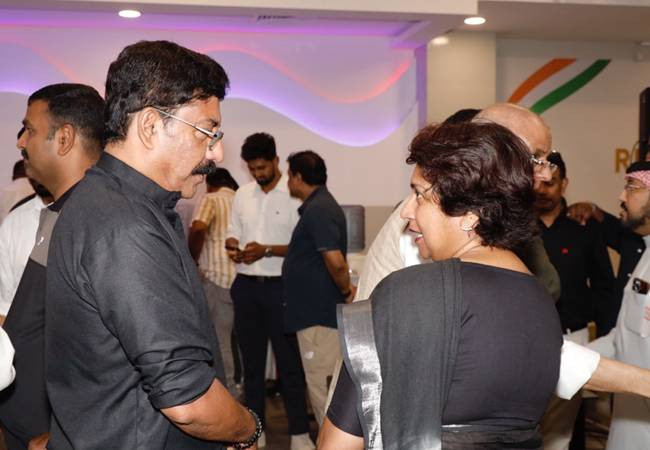
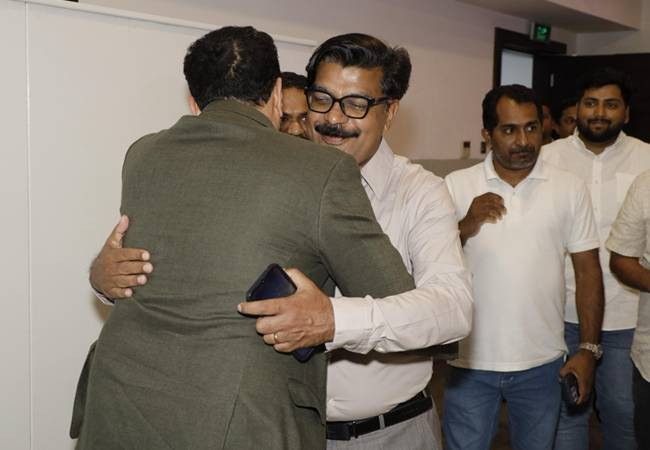
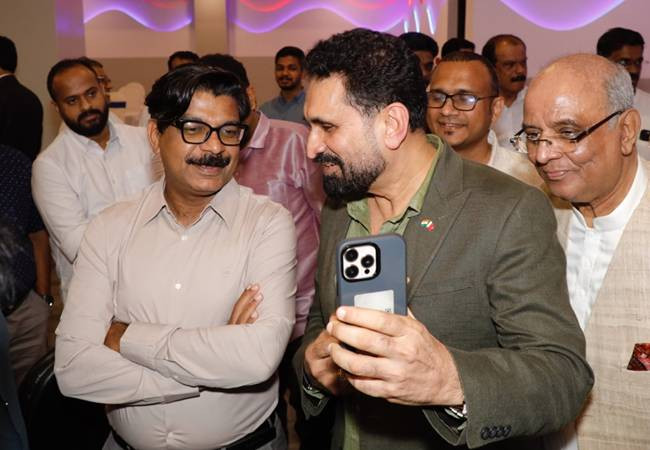
Kingdom of Bahrain: The Indian Overseas Congress (IOC), Bahrain Chapter, successfully organized a compelling Panel Discussion and interaction session themed “Redefining Leadership” at the Park Regis Hotel, Lotus Hall, Bahrain. The event gathered distinguished community leaders, dignitaries, and professionals for an engaging dialogue on the evolving dynamics of leadership in today’s world.
Mr. Mohammad Mansoor, President of IOC Bahrain, welcomed the esteemed guests and speakers in his opening address. He expressed pride in being part of the Indian Overseas Congress and shared inspiration drawn from the vision of their global chairman, Shri Sam Pitroda. “Our chairman has championed the Build, Manage, and Maintain Platform to mobilize and empower overseas Indians. This platform not only strengthens international relations with and for India, but also unites us in our shared commitment to progress and unity,” said Mr. Mansoor.
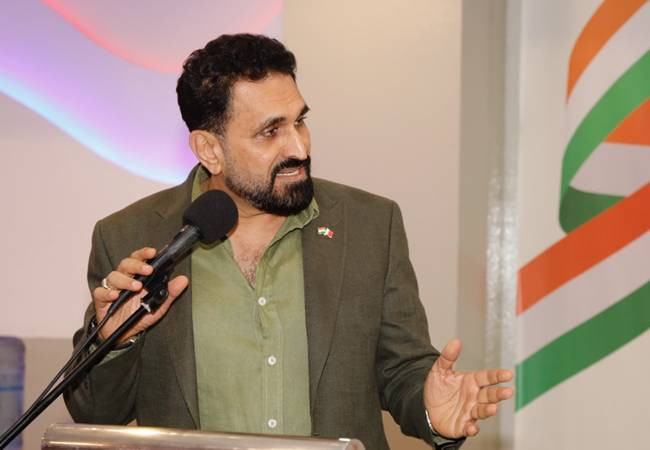
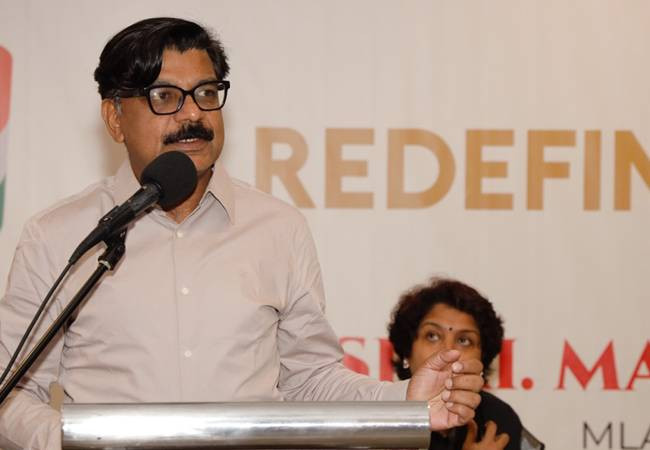
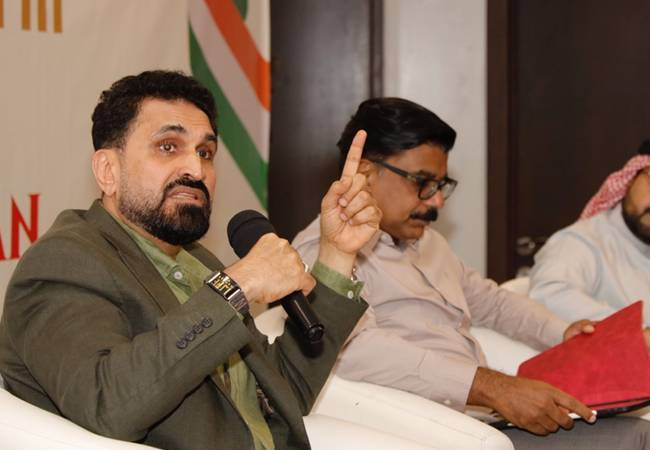
The keynote speaker, Mathew Kuzhalnadan, Kerala Congress MLA, emphasized the critical need to redefine leadership by focusing on listening rather than imposing. He advocated for a leadership style that actively seeks and values public opinion, a concept that was applauded by all attendees as fresh and innovative.
Renowned journalist Mrs. Raji Unnikrishnan expertly moderated the event. H.E. Yusuf Lori, Director of the Capital Governorate, shared the dais as guest observer and praised the IOC Bahrain for organizing such a meaningful event. “This initiative will certainly add value to community leadership and should be continued to inspire and shape future leaders,” he stated.
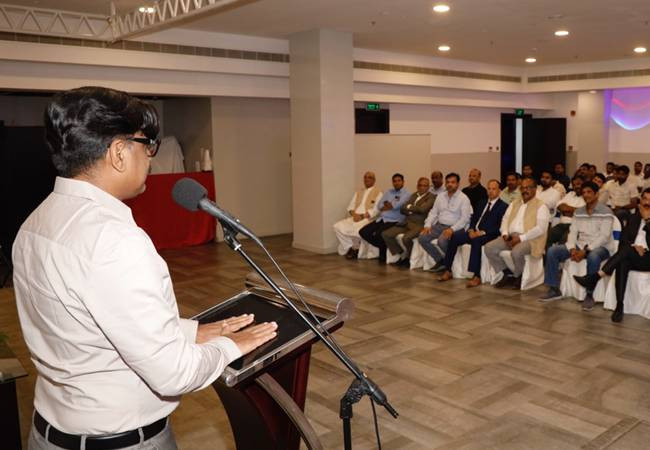
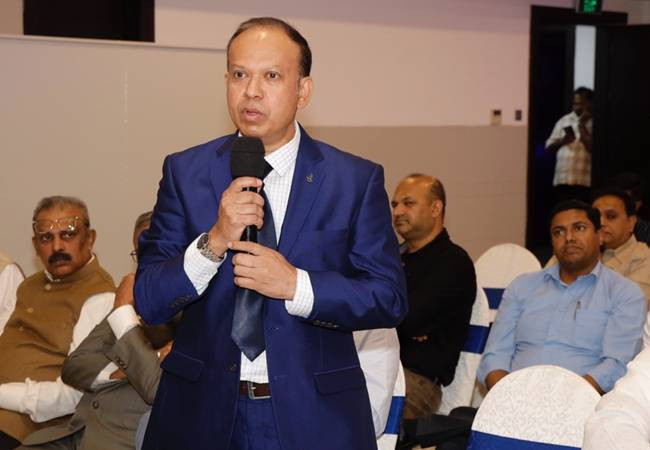
The session saw enthusiastic participation from key community leaders who shared their perspectives on leadership in today’s world. Speakers included Mr. Binu Mannil, Chairman of India School Bahrain; Mr. Casious Perera, President of the Indian Club; Mr. Arshad Khan, Vice President of the Urdu Community Bahrain; Mr. Abraham John, President of the Kerala Catholic Association; Mr. Ajit Bagera, President of Kannada Sangha; Mrs. Fawzia Fareed, Vice President of the Indian Ladies Association; Anthony Paulose from Bahrain One Hospitality Group; and Mr. Sibin Thomas, President of the Indian Youth Cultural Centre (IYCC).
Moderator Mrs. Raji Unnikrishnan concluded the session by highlighting key takeaways and announcing plans for ongoing workshops aimed at enhancing youth leadership skills. Mr. Mathew provided an overview of these upcoming initiatives, stressing the importance of equipping young leaders to contribute meaningfully to society and strengthen community leadership.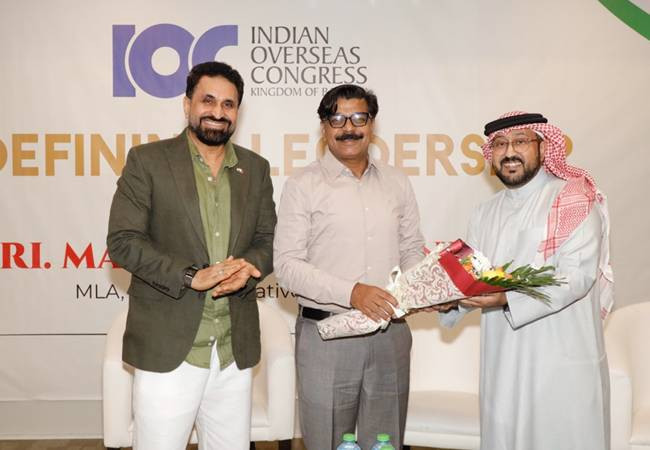
Let the Truth be known. If you read VB and like VB, please be a VB Supporter and Help us deliver the Truth to one and all.
Inappropriate for MLAs seeking free IPL tickets, says D.K. Suresh

Bengaluru: Bengaluru Milk Union Ltd President D.K. Suresh on Monday said it is inappropriate for MLAs to seek free IPL tickets, adding that those interested in watching matches should pay for them personally.
Speaking to reporters near his residence in Sadashivanagar, he said, “IPL is a commercial tournament and does not represent the country. It is not right for public representatives to focus too much on such matters.”
Referring to the recent controversy during the RCB celebrations, he said, “let us find out who benefited the most from the statements made during the incident.” He also pointed out that BJP MLAs had received IPL tickets as well.
Responding to discussions about relocating the Chinnaswamy Stadium, Suresh said the government has already approved the construction of a new stadium at a location he had proposed.
“I had suggested building a stadium in Surya City and submitted a proposal for it. Bengaluru needs four stadiums in four directions to cater to its growing population and encourage youth participation in sports,” he said.
He noted that apart from Kanteerava Stadium, KSCA, and the Football Stadium, there are limited facilities in the city.
“When I was a Lok Sabha member, I had proposed allocating 100 acres in my constituency at Surya City. The land was later earmarked and the plan approved,” he added.
Suresh said he has discussed the project with Minister Zameer Ahmed Khan, Rajiv Gandhi Housing Corporation Chairman Shivalingegowda, and Anekal MLA Shivanna.
“The Cabinet has now approved the project, and a stadium will be developed on around 50–60 acres,” he said.
He further added that he has requested the Deputy Chief Minister to build another stadium at Shivarama Karanth Layout through the BDA, where 40 acres have been allocated. Plans are also being discussed to develop a well-equipped stadium in Bidadi.
Commending state government's recent bilingual policy move, Suresh said forcing children to learn three languages could affect their comprehension.
“It is a good decision to make two languages compulsory. Learning a third language should be left to the choice of students and parents,” he said.
Responding to criticism from BJP leaders, he said their tendency is to oppose every decision of the government.
“To please their central leadership, they take a pro-Hindi stance. Instead, they should advocate for the adoption of Kannada in all states,” he said.
When asked about the earlier three-language policy under Congress, he said, “the situation is different now. Today, the focus should be on quality learning. Kannada should remain the primary language, while students and parents can choose an additional language.”


