
Probiotic drinks becoming new fad in India, but are they totally safe?

Shifting to healthy drinks is a new trend these days. With an eye on growing cases of gastro-intestinal diseases, health drinks are penetrating aggressively in the market.
Probiotic drinks, known only to a select few until recently, are now flooding the Indian market like never before. Every supermarket fridge is now laden with these products, known as “gut friendly” food. Estimated to be Rs. 15 million market, India is fast becoming one of the world’s fastest growing dairy products markets.
Though the figures looks miniscule – considering globally the probiotic is a $14-billion industry – yet in urban domains craving for probiotics is increasing rapidly and probiotic drinks and foods are slowly grabbing market space. The World Health Organization (WHO) defines probiotics as live microorganisms that when conferred in adequate quantities provide a health benefit.
Neerja Hajela, secretary, Gut Microbiota and Probiotic Science Foundation (India), says that probiotics are becoming increasingly important since they improve intestinal health. “The intestine is a highly neglected organ although it controls all aspects of health,” she says.
According to her, the food we eat is digested here and the nutrients are absorbed. “Moreover, the intestine harbors majority of the immune cells of the human body and is largest immune organ and hence protects us from diseases. The microbes are both beneficial and harmful and therefore the balance is important. Probiotics help to maintain the balance,” says Hajela.
Whetting the appetite
Major players in the market for probiotics drinks and foods include Yakult, Nestle, Amul, Mother Dairy and small entities with offerings being spread in categories like yogurt, milk, ice cream and even tea.
Buoyed by the success Yakult Danone, a 50-50 joint venture between Japan’s Yakult and French food company Danone, is producing 280,000 bottles of 65 ml per day at its manufacturing facility at Sonepat (Haryana).
The founder of Yakult, Dr. Minoru Shirota, advocated the importance of preventive medicine and healthy intestines for longevity, and based his research activities on medicine to prevent diseases and the maintenance of robust intestinal health to help people live longer.
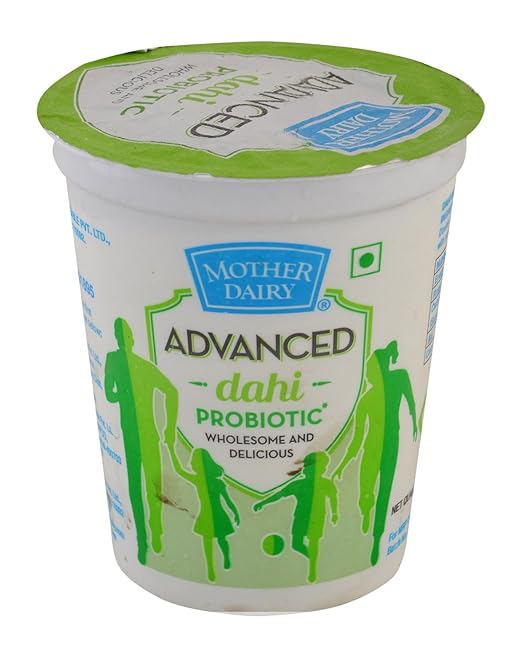
Another key producer of probiotic functional foods and beverages in India, Mother Dairy’s Nutrifit, is sold through about multi-brand retail outlets, as also retail and institutional channels.
Amul’s probiotic ice cream is also lapped up by probiotic fans. Says Mohammed Ajmal, a regular shopper for probiotics: “I enjoy Amul’s prolife probiotic ice cream, yoghurt and buttermilk which help boost digestion”.
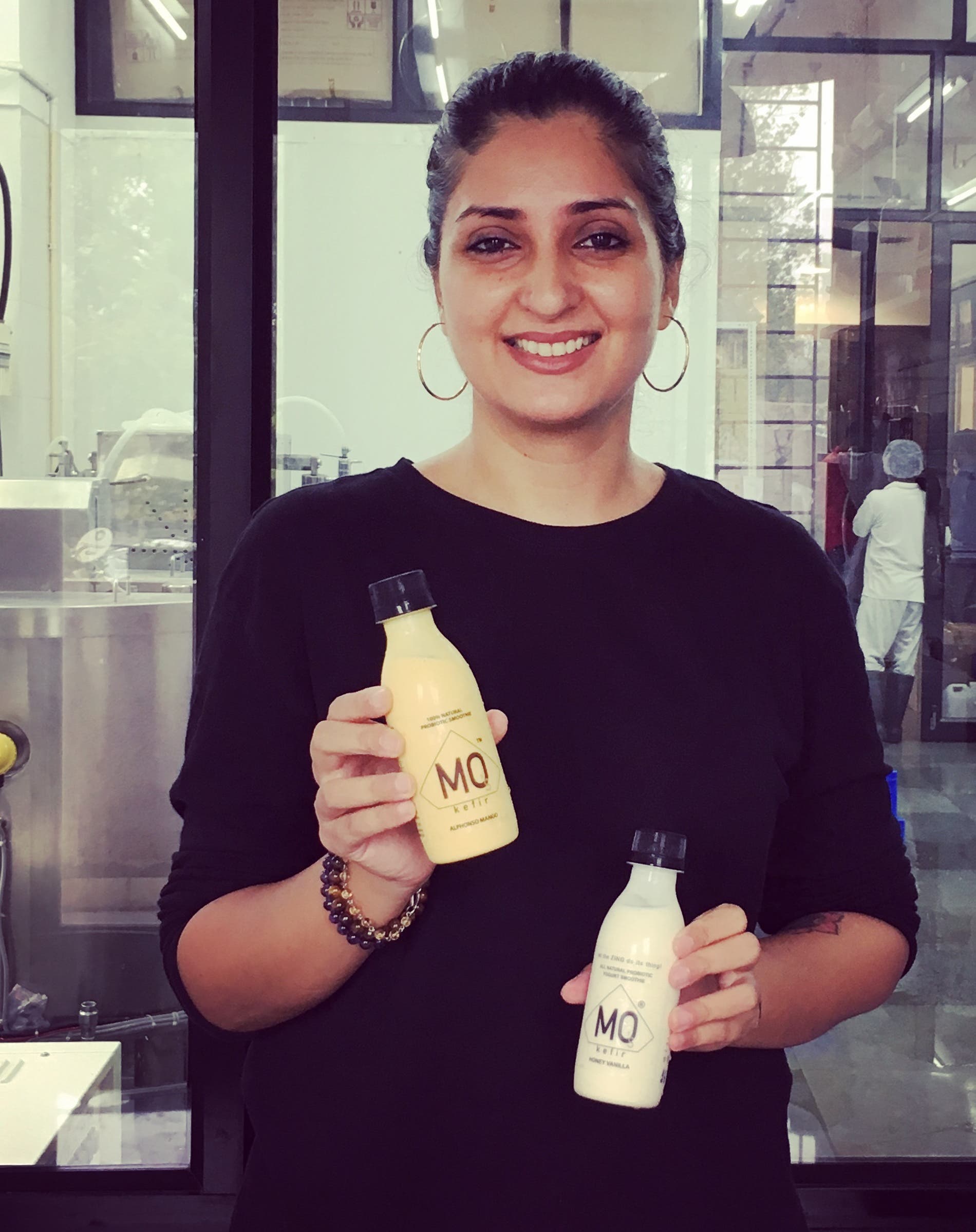
MO’s Superfoods launched a European probiotic yogurt in India called MO’s Kefir. Moina Oberoi, its founder and managing director, puts things in perspective for Al Arabiya English.
“We set the formula focusing on two aspects, sensory and functional. From the sensory standpoint MO’s Kefir is conducive to the India and Asian palate. Being a chef it was very important to me personally that what we produce tastes great first,” she says.
According to her, on the functional standpoint MO’s Kefir has worked with a combination of bacterial strains that have positive health effects on aliments most commonly found.
Proboitics updates
As probiotics flood the market, vigorous research and development has also taken place. Giving the updates, Neerja Hajela said that research suggests that probiotics could help in reducing risk of common cold, allergies, even lifestyle disorders and because of the link between the gut and the brain may be useful in alleviating depression and anxiety.
“However, probiotic benefits are strain specific and one cannot generalize them. Therefore it is important that every strain is backed by its own dossier of scientific data for both its safety and health benefits,” says Hajela.
On what one should look for when buying probiotic food/drink, Neerja said: “It is important to study the label of the probiotic food which much indicate the complete name (Genus, Species and Strain), numbers of live bacteria till end of shelf life and the scientifically proven health benefits”.
According to her, since most probiotic foods that are available in India are in the form of dairy foods, storage conditions are very important. “Most of these products are refrigerated to ensure viability of the bacteria,” she says.
On the changing food habits, Moina Oberoi says gut friendly foods are more a need of the hour rather than a fad. “Indians have one of the highest rates of lifestyle diseases such as type II diabetes, blood pressure, cancer, cardiovascular issues and so on and the market is finally becoming more susceptible to changing diet habits based on the rise in sales of organic and health food products in the past 5 years,” she says.
Oberoi believes that once there is an increased credible communication shared providing the relevant understanding between gut health and these diseases the market will open up further. “The key, however, is to make sure these foods still taste great and are economically accessible”.
The flip side
Though these firms roll out a slew of probiotic foods and drinks claim to keep the digestive system healthy yet there is a flip side of the story. The Lancet, a British medical journal, says that the “good bacteria” commonly found in probiotic yogurt and drinks can be fatal for people suffering from severe pancreatitis.
Says Neerja when asked to comment on the report, “I am not commenting on the study because it was not our own study. However, you have to consume probiotics with caution in immune compromised patients.”
Sensing the fad for health foods and beverages, India’s food regulator, the Food Safety and Standards Authority of India (FSSAI), has set standards for categories such as health supplements, nutraceuticals, food for special dietary uses and special medical purposes besides specialty foods containing probiotics, botanicals, and prebiotics as well as novel foods.
Expert views
Responding to Al Arabiya English, Dr. B.V. Tantry, HOD – Gastroenterology Dept, KMC Hospital, Mangalore, said: “Choose a probiotic that contains microorganism proven to get desired effect. For example, Lactobacillus maybe helpful for someone who cannot digest lactose the sugar in milk; Bifidobacterium for someone with IBS and sacharomyces for diarrhea”.
Dr. Tantry says it is important to check the expiry date when purchasing a probiotic. “Make sure the bacteria is viable. The manufacturer should specify how many bacteria are viable at the end of shelf-life”. He also says that there should not be any leakage or swelling of package. “Some people may get diarrhoea and bloating initially when using probiotics,” he says.
When asked for his views on the effectiveness of probiotics to a patient with gastro related issues, Dr. Tantry advised: “Probiotics have proven benefit in gut problems like functional GI disorders, infantile colic, constipation, ulcerative colitis and antibiotic associated diarrhea”.
However, the catch is that if probiotics are considered for therapeutic purposes, it is better to use products regulated by FDA.
“Probiotics are not replacement for proven treatment. Though probiotics boost immunity in normal person they can become source of infection in immunologically challenged patients,” says Dr. Tantry.
courtesy : english.alarabiya.net
Let the Truth be known. If you read VB and like VB, please be a VB Supporter and Help us deliver the Truth to one and all.
Inappropriate for MLAs seeking free IPL tickets, says D.K. Suresh

Bengaluru: Bengaluru Milk Union Ltd President D.K. Suresh on Monday said it is inappropriate for MLAs to seek free IPL tickets, adding that those interested in watching matches should pay for them personally.
Speaking to reporters near his residence in Sadashivanagar, he said, “IPL is a commercial tournament and does not represent the country. It is not right for public representatives to focus too much on such matters.”
Referring to the recent controversy during the RCB celebrations, he said, “let us find out who benefited the most from the statements made during the incident.” He also pointed out that BJP MLAs had received IPL tickets as well.
Responding to discussions about relocating the Chinnaswamy Stadium, Suresh said the government has already approved the construction of a new stadium at a location he had proposed.
“I had suggested building a stadium in Surya City and submitted a proposal for it. Bengaluru needs four stadiums in four directions to cater to its growing population and encourage youth participation in sports,” he said.
He noted that apart from Kanteerava Stadium, KSCA, and the Football Stadium, there are limited facilities in the city.
“When I was a Lok Sabha member, I had proposed allocating 100 acres in my constituency at Surya City. The land was later earmarked and the plan approved,” he added.
Suresh said he has discussed the project with Minister Zameer Ahmed Khan, Rajiv Gandhi Housing Corporation Chairman Shivalingegowda, and Anekal MLA Shivanna.
“The Cabinet has now approved the project, and a stadium will be developed on around 50–60 acres,” he said.
He further added that he has requested the Deputy Chief Minister to build another stadium at Shivarama Karanth Layout through the BDA, where 40 acres have been allocated. Plans are also being discussed to develop a well-equipped stadium in Bidadi.
Commending state government's recent bilingual policy move, Suresh said forcing children to learn three languages could affect their comprehension.
“It is a good decision to make two languages compulsory. Learning a third language should be left to the choice of students and parents,” he said.
Responding to criticism from BJP leaders, he said their tendency is to oppose every decision of the government.
“To please their central leadership, they take a pro-Hindi stance. Instead, they should advocate for the adoption of Kannada in all states,” he said.
When asked about the earlier three-language policy under Congress, he said, “the situation is different now. Today, the focus should be on quality learning. Kannada should remain the primary language, while students and parents can choose an additional language.”


