CM urges Odisha people to avoid panic buying, hoarding amid West Asia crisis

Bhubaneswar (PTI): Odisha Chief Minister Mohan Charan Majhi on Saturday urged the people of the state to refrain from panic buying to keep the supply chain functioning smoothly amid the West Asia conflict.
He also lauded the Central government's move to cut excise duty on petroleum, terming it a "timely" and a forward-looking step that prioritises citizens and upholds the 'nation first' principle.
The government has slashed excise duty on petrol and diesel by Rs 10 per litre each, a move aimed at shielding domestic consumers from a surge in global oil prices triggered by the West Asia conflict, at an estimated revenue cost of Rs 1.75 lakh crore.
After attending a virtual meeting with Prime Minister Narendra Modi along with chief ministers and lieutenant governors to discuss the situation arising out of the West Asia conflict, Majhi said the Odisha government was following the national approach towards the crisis.
ALSO READ: Tight security, jubilant crowd ahead of Modi's visit to Jewar for airport inauguration
"The state Government is ensuring that accurate information reaches every citizen, the availability of essential commodities remains uninterrupted, and any instances of hoarding or black marketing are strictly prevented," he said in a post on X.
The chief minister appealed to the people of Odisha to remain aware of the evolving situation, exercise patience, and avoid unnecessary purchasing so that the system functions smoothly.
He said the meeting focused on the 'Team India' spirit to overcome the challenges ahead, emphasising economic stability, proactive agricultural planning, and focused attention on border and coastal states for shipping and essential supplies.
Chairing the meeting on Friday night, Prime Minister Modi on Friday said the global situation arising out of the West Asia conflict remains dynamic, and asserted that maintaining economic and trade stability, ensuring energy security, strengthening industry and supply chains, and safeguarding citizens' interests remain the government's top priorities.
This was the first time that the prime minister held a meeting with the chief ministers on the West Asia conflict that started on February 28 with attacks by the US-Israel combine on Iran, prompting retaliatory action by Tehran on its Gulf neighbours and Israel.
Let the Truth be known. If you read VB and like VB, please be a VB Supporter and Help us deliver the Truth to one and all.
Sameer Ahmed elected President of SKMWA Muscat for 2026–2027

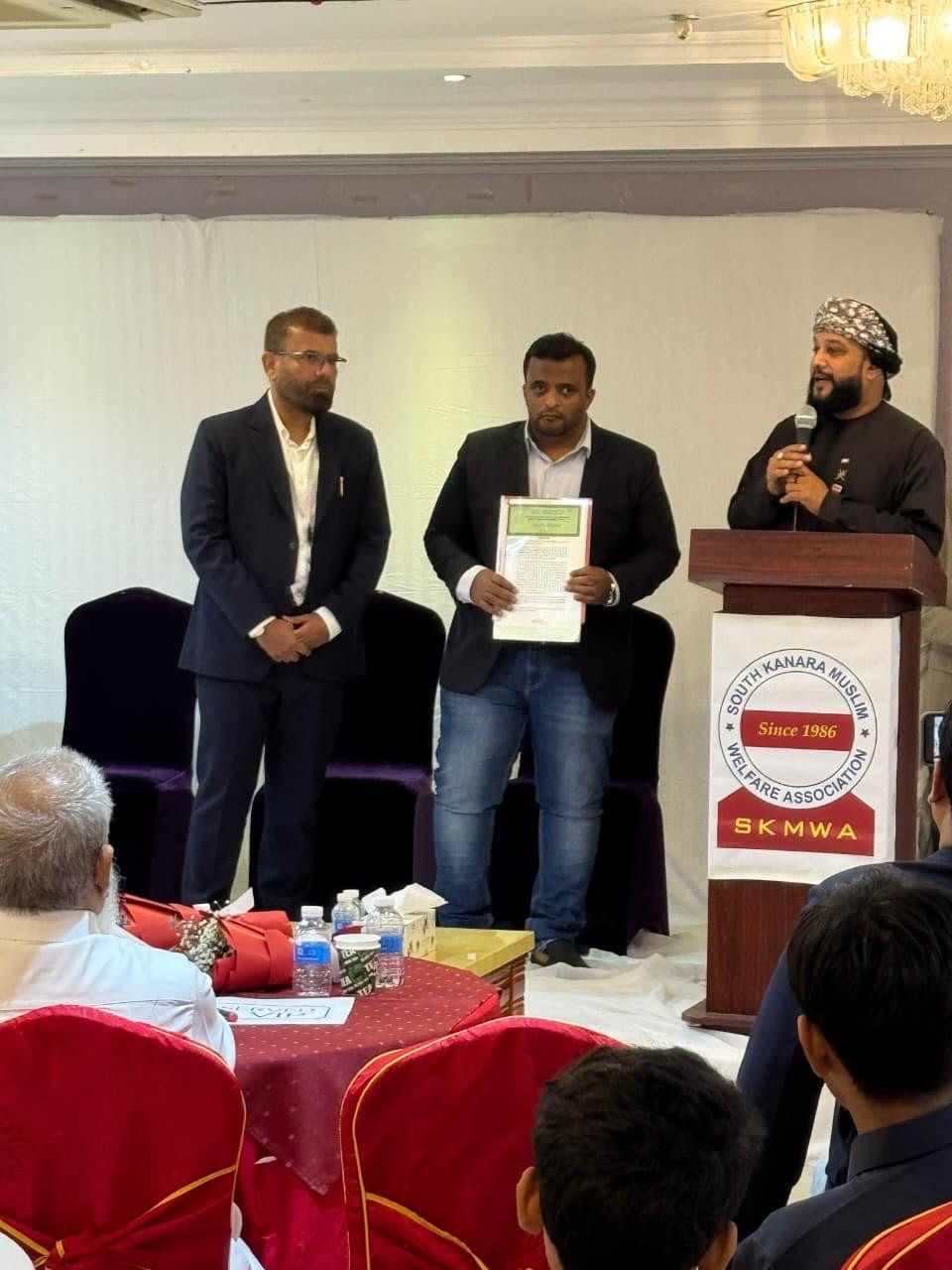
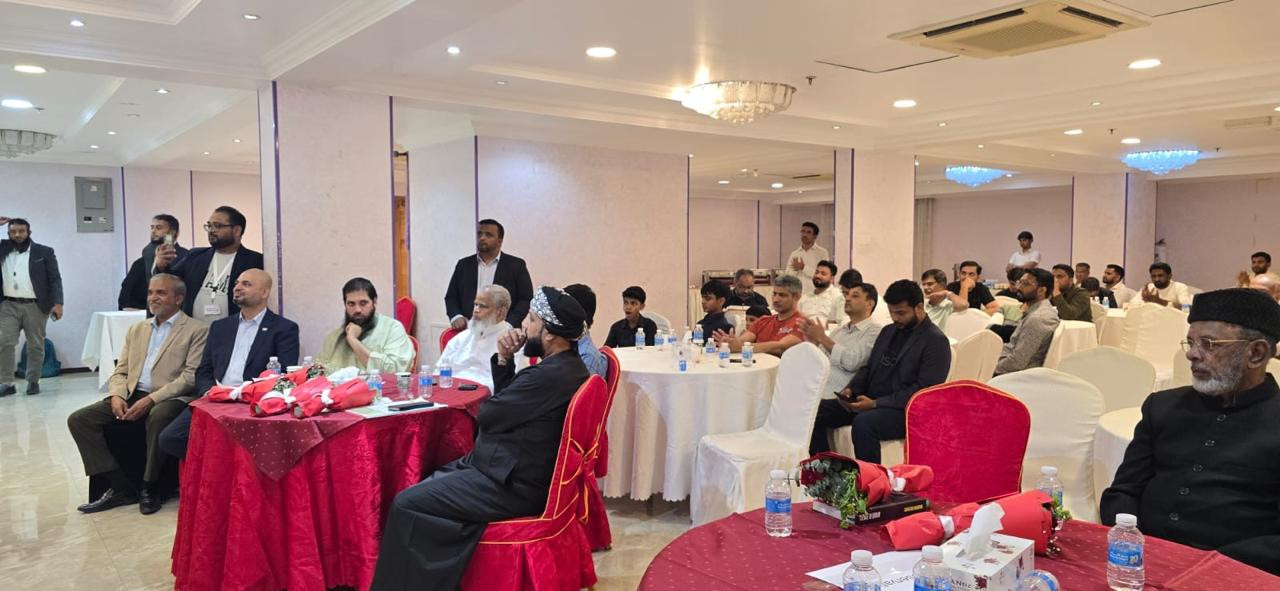
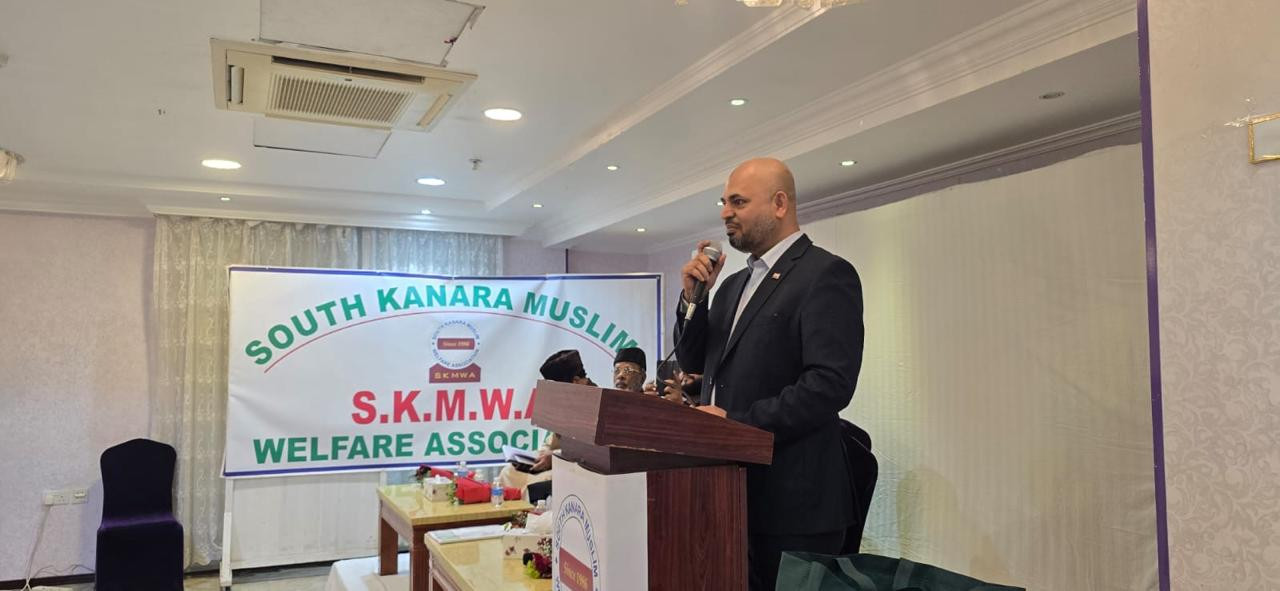
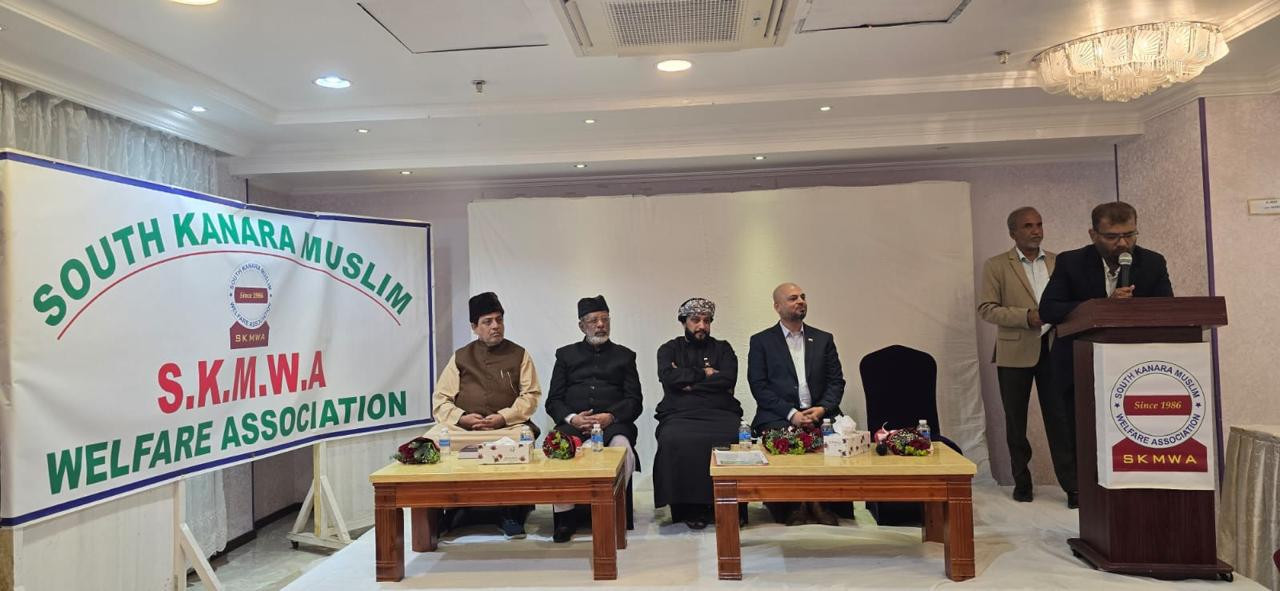
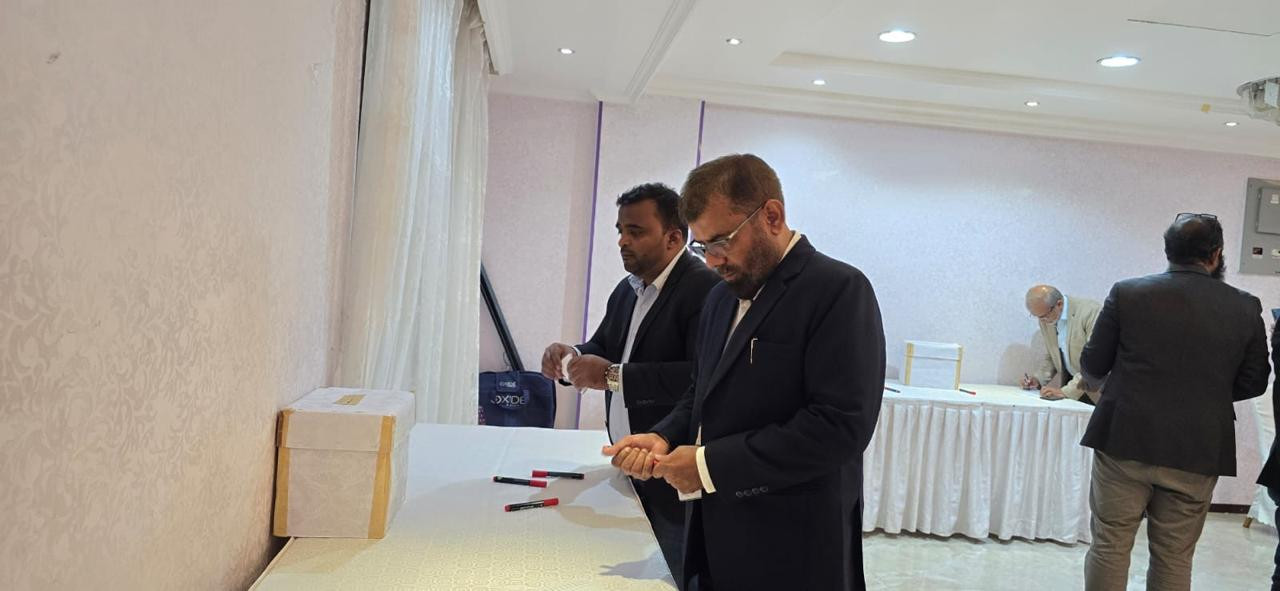
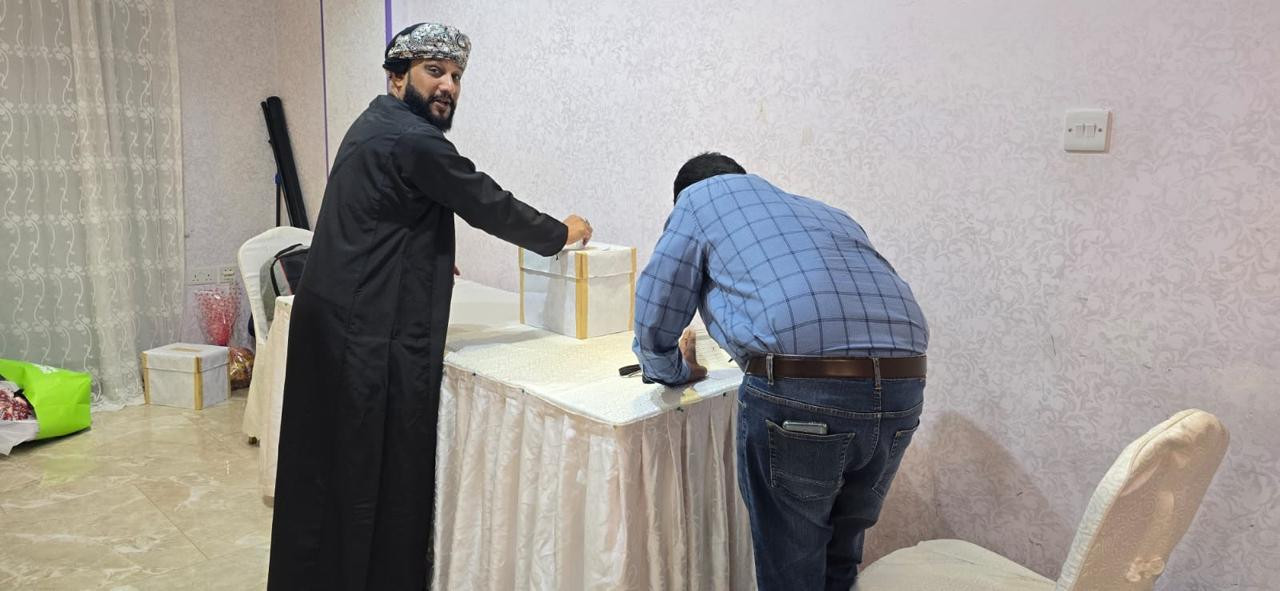
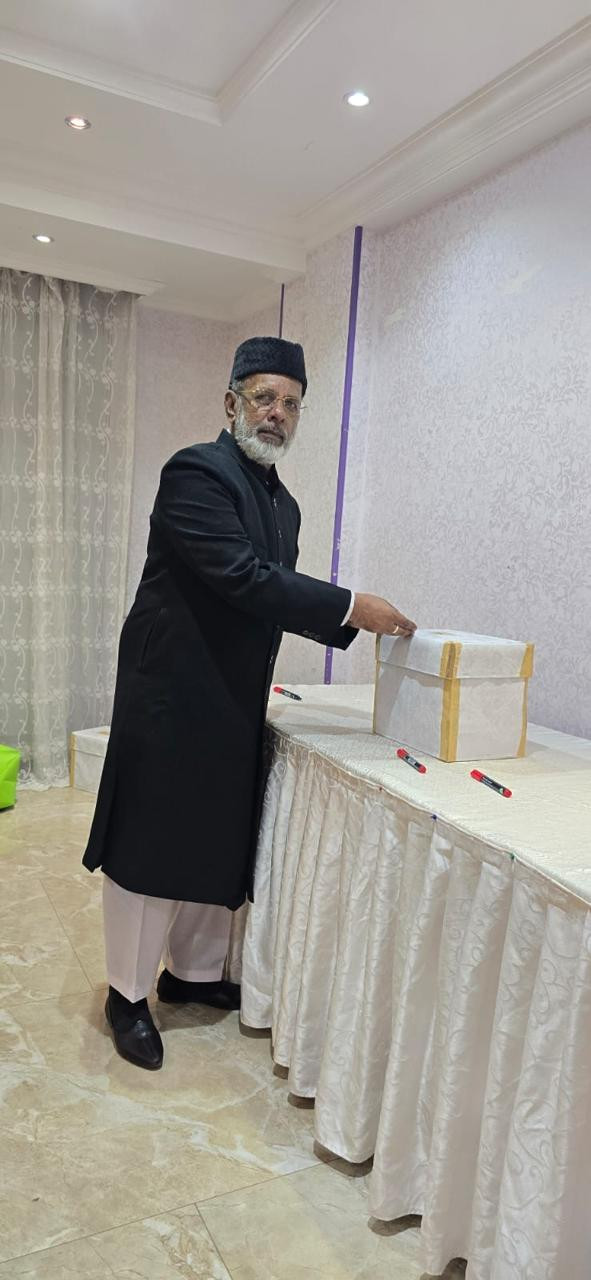
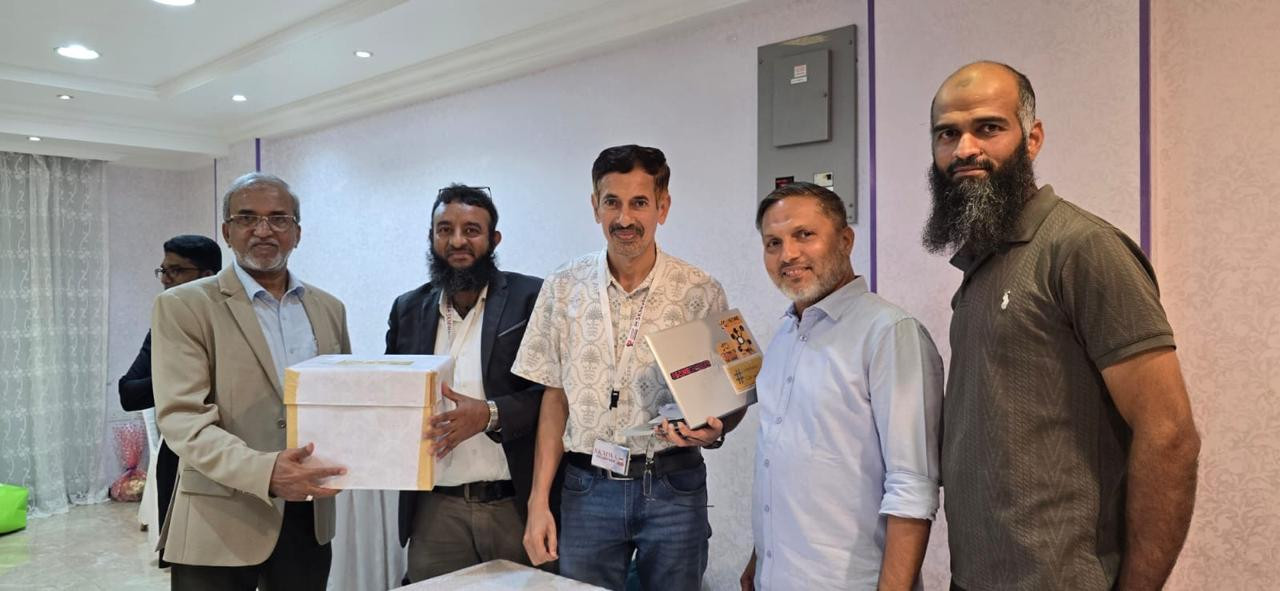
Muscat: Sameer Ahmed, a native of Udupi and currently employed in a private company in Muscat, has been elected President of the South Kanara Muslim Welfare Association (SKMWA), Muscat, for the 2026–2027 term.
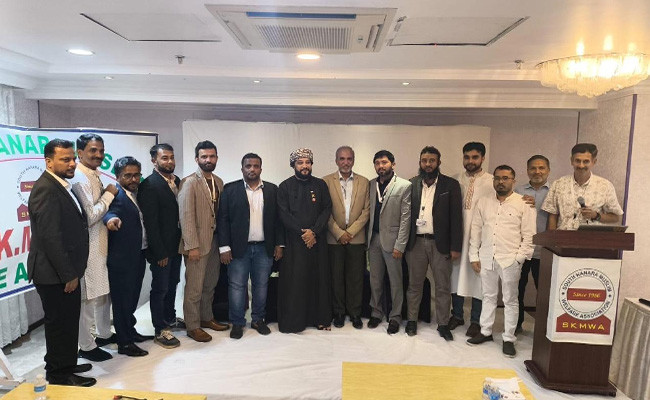
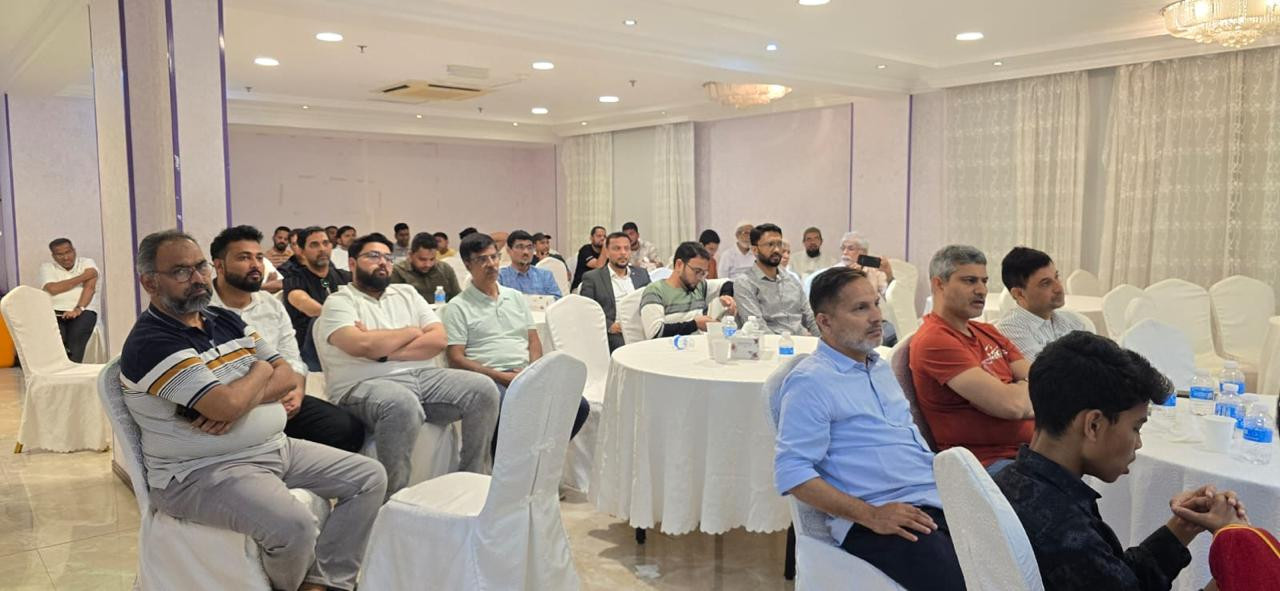
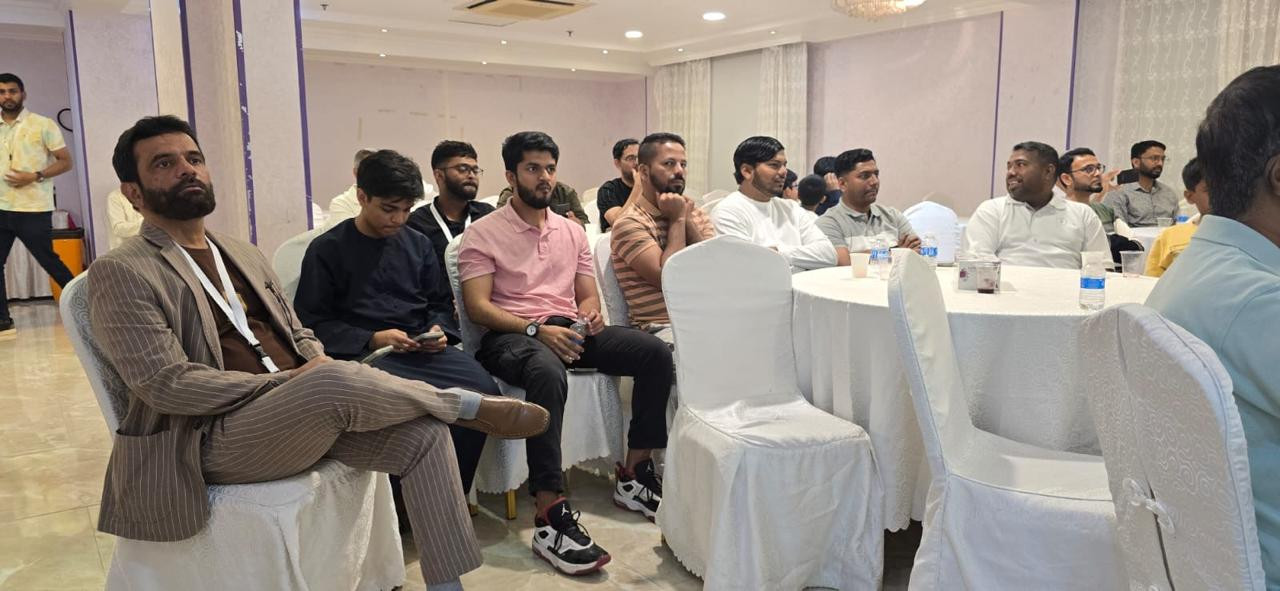
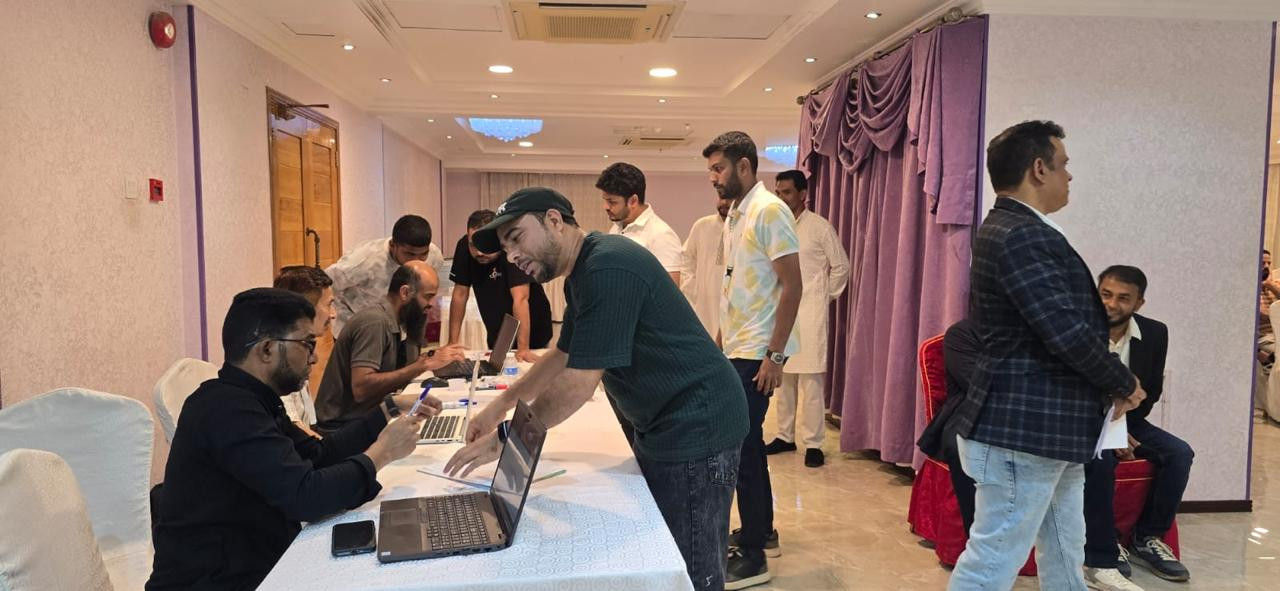
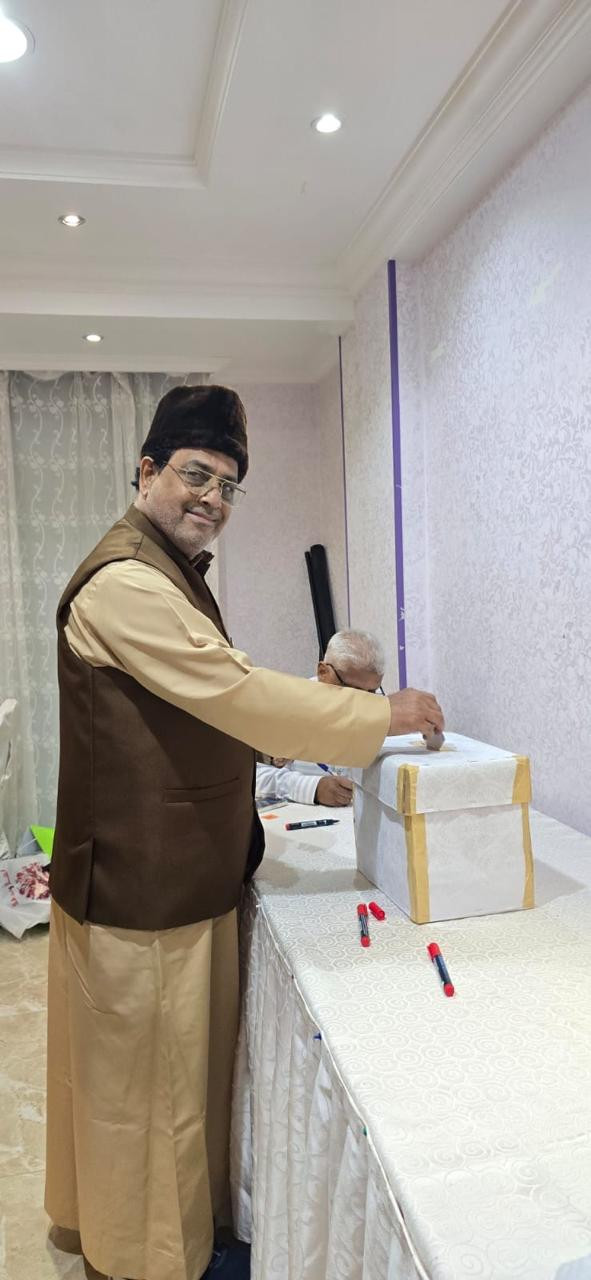
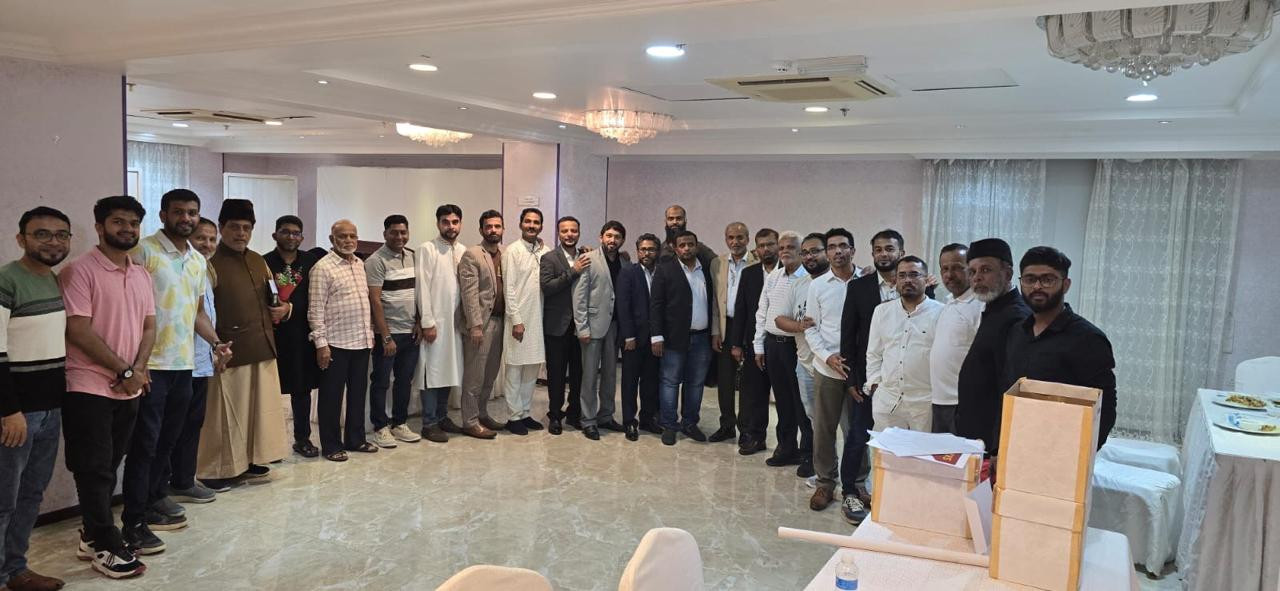
The election was conducted during the association’s Annual General Body Meeting held at Al Reef Hotel, Muscat, in the presence of chief guests Adil Shaikh, Monabba, Shareef, and Sahebzada Mehmood.
The newly elected office bearers include Vice Presidents Mohd Arif (Udupi) and Niyaz Mohammed (Mangalore), General Secretary Jaseem Basha (Kundapura), Joint Secretaries Rizwan Ali (Udupi) and Zaheer Hussain (Moodbidri), Treasurer Tajuddin Sheikh (Tonse), Assistant Treasurer Irfan Ahmed (Udyavara), Finance Secretary Mohammed Asif Gafur (Karkala), Assistant Finance Secretary Mohammed Akif Gafoor (Karkala), and Auditor Ashraf Ali (Kaup).
The Core Committee includes Event Coordinators Ansar Katipalla and Adil Moodbidri, and Sports Coordinators Ashpak Basrur and Muneer Ahmed (Sastan).
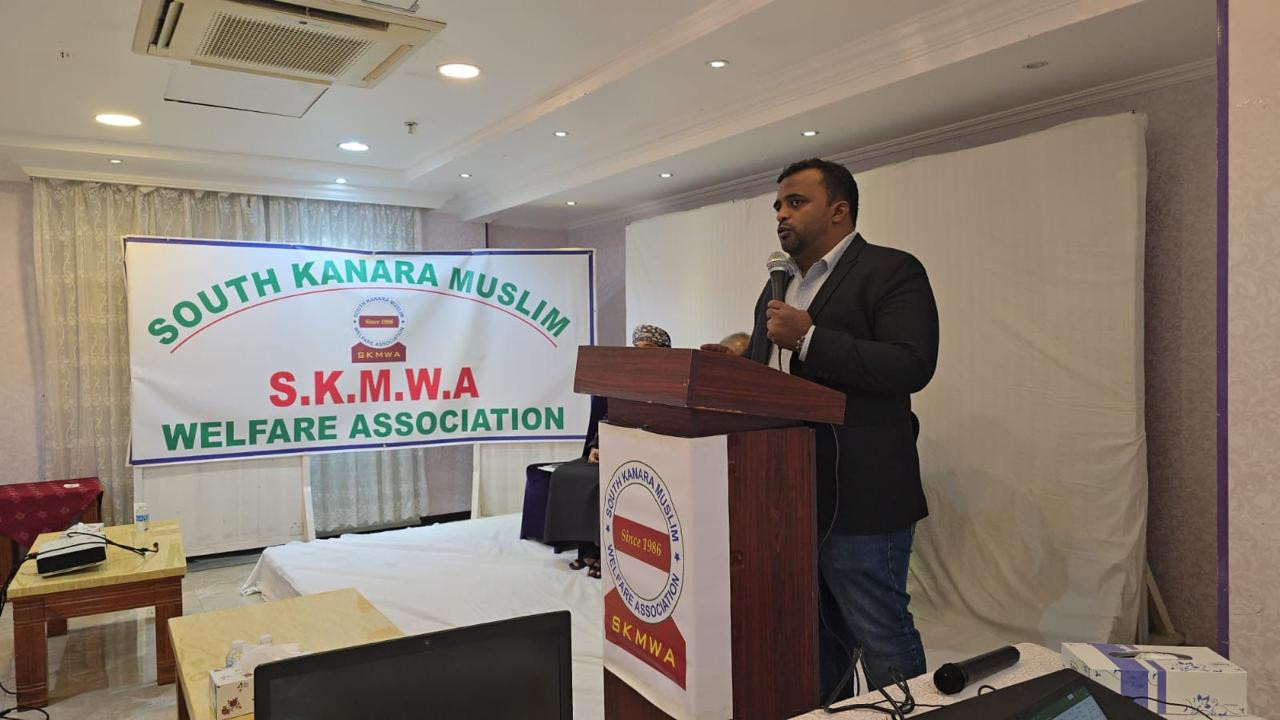
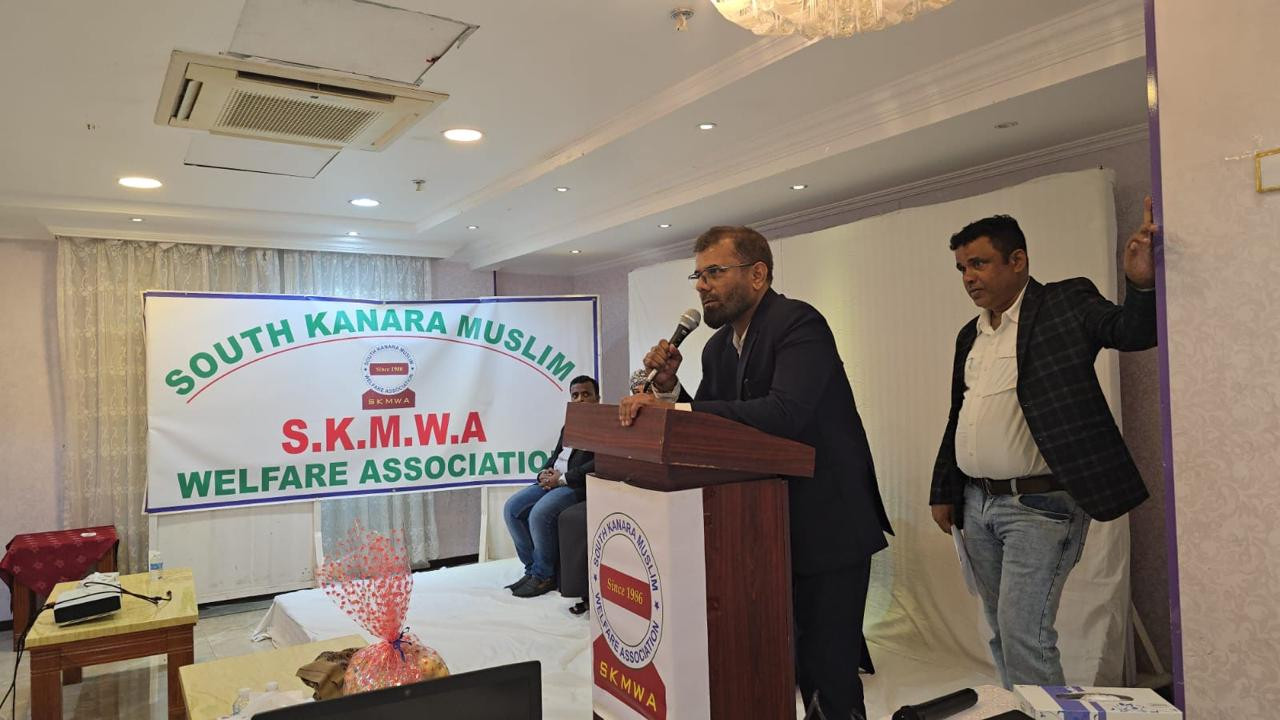
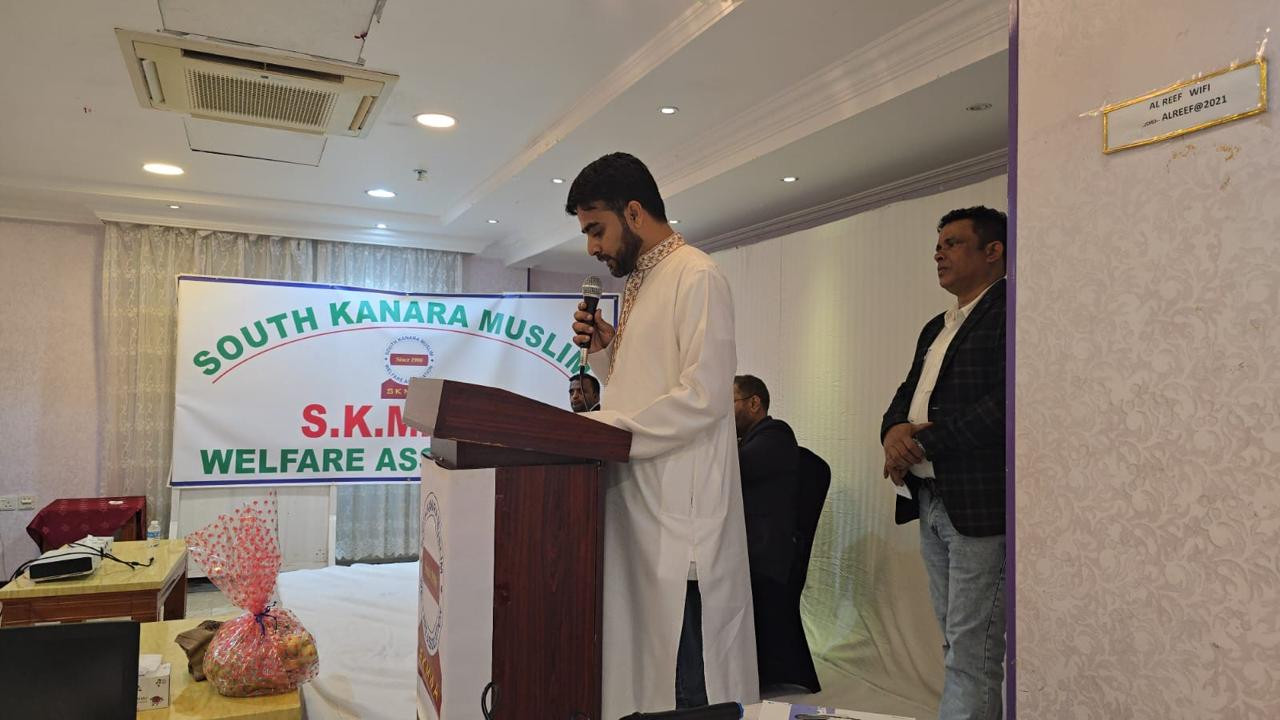
The programme commenced with a recitation from the Holy Quran by Zaid Asif. The Annual Activity Report for 2025 was presented by Sameer Ahmed, while the financial report was delivered by Mohammed Asif Gafoor and verified by Auditor Ashraf Ali.
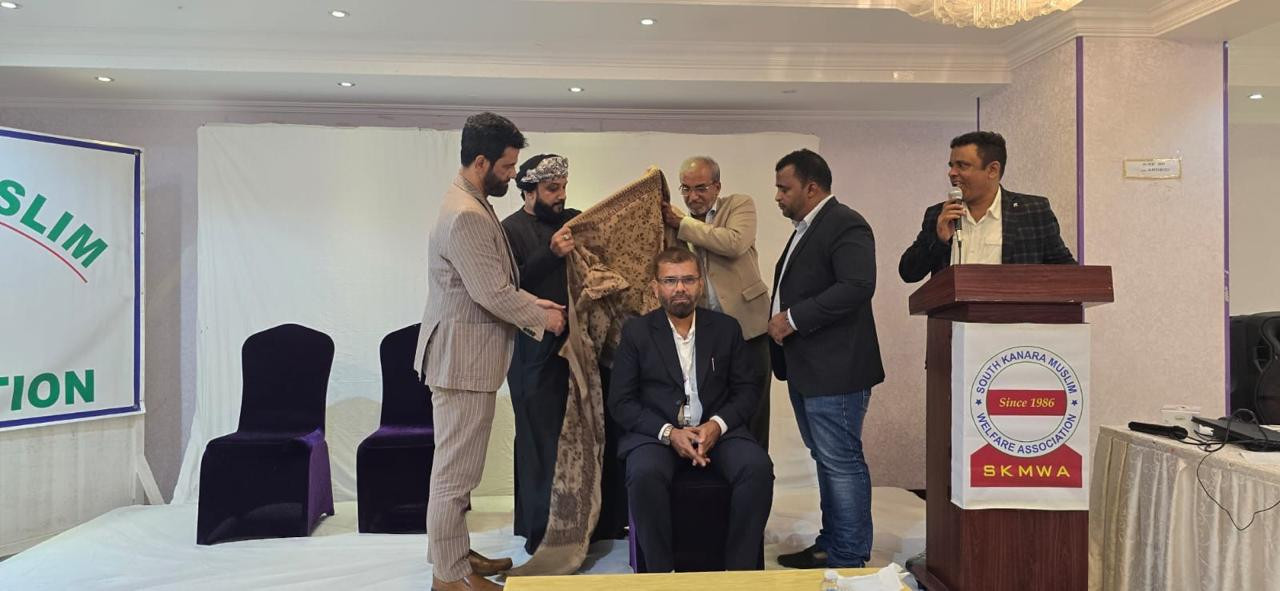
Former president Azim was felicitated by Syed Mohiddin Saheb during the event.
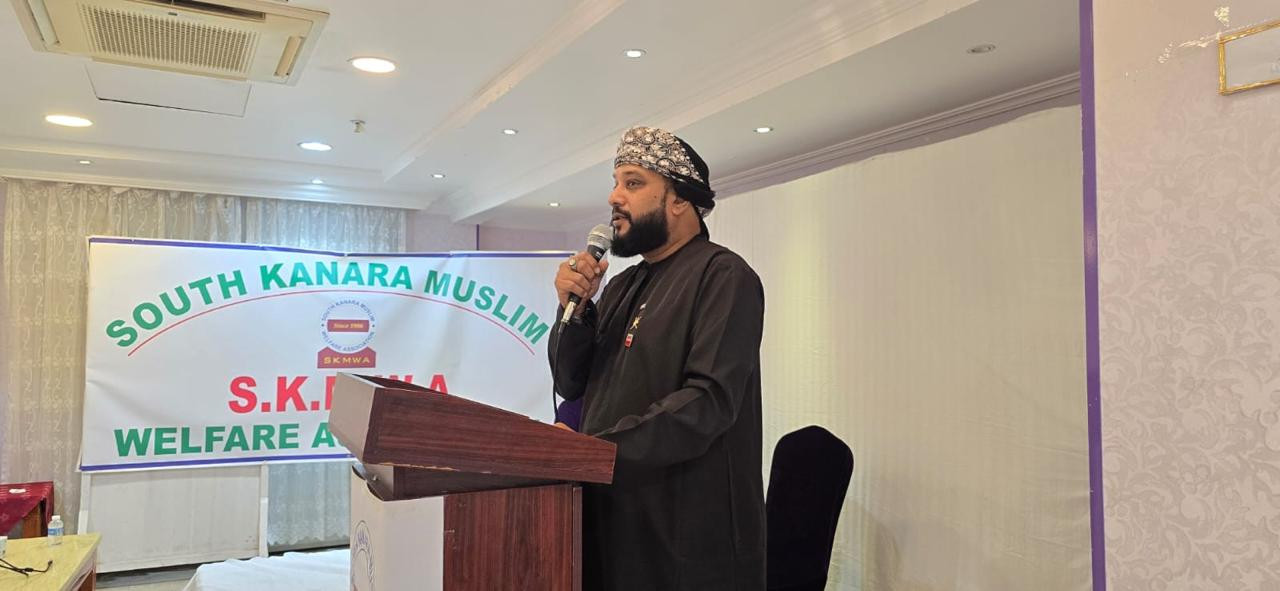
The meeting concluded with an address by the newly elected president, followed by a vote of thanks proposed by General Secretary Jaseem Basha. The programme was coordinated by Syed Mohiddin Saheb (Sastan) and Ansar Katipalla.