
Meitra Hospital to help Malabar Artists by bringing up Art Pavillion at Hortis Arts Festival

Kozhikode: The Kochi Biennale Foundation is gearing up to unveil a dedicated art pavilion at the Malayala Manorama Hortus Arts and Literature Festival, designed as a platform to spotlight local talent from the Malabar region. The pavilion, supported by Meitra Hospital, will provide emerging artists in Kozhikode and surrounding areas with a space to display and sell their work without leaving their native region.
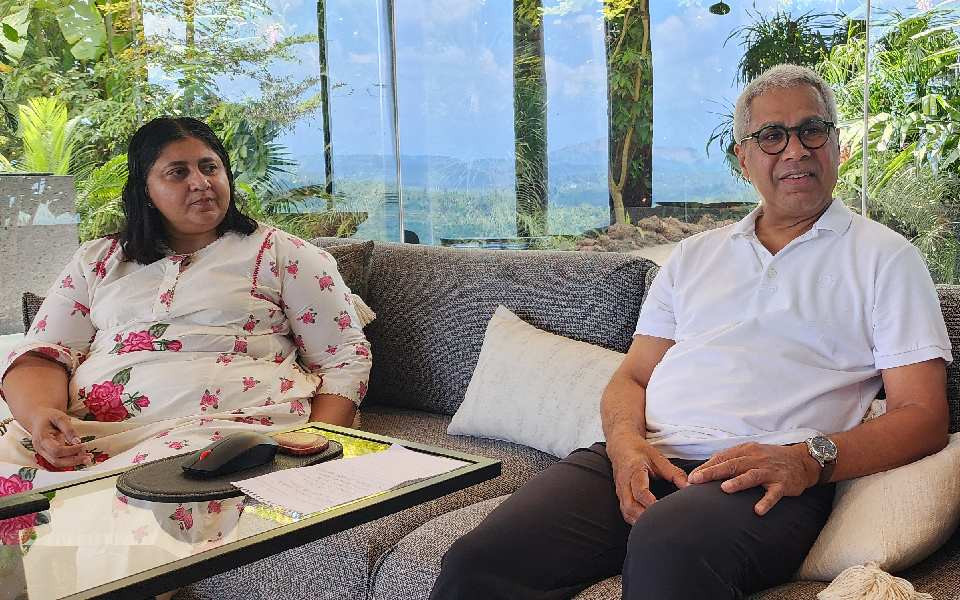
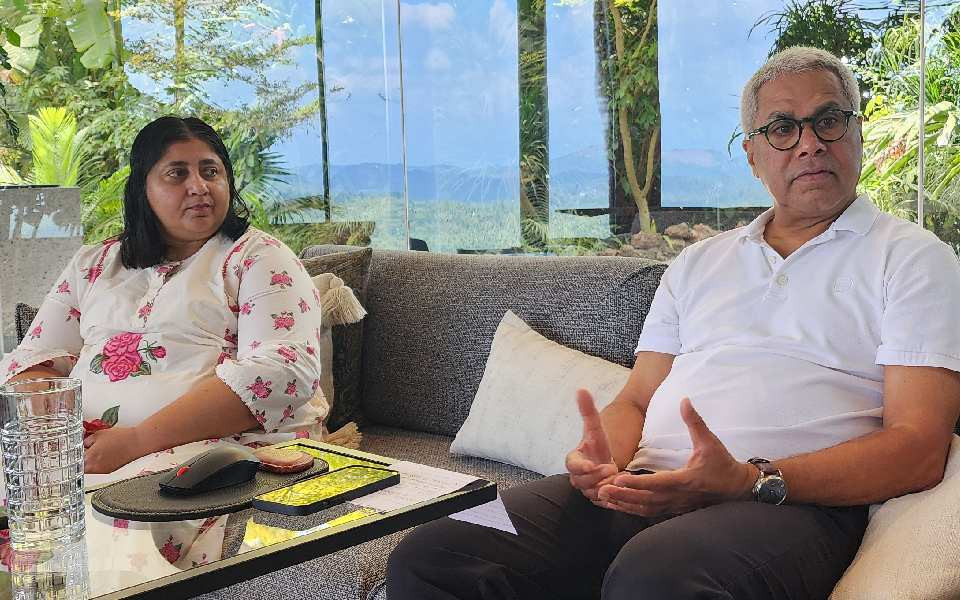
Faizal Kottikollon, chairman of Meitra Hospital and founder of KEF Holdings, along with his wife Shabana Faizal, view this initiative as a stepping stone for artists in Malabar, helping them nurture their craft while staying connected to their roots. The couple, who have long championed regional development, are committed to promoting Malabar’s artistic potential.
"Our land is home to countless talented artists, but many struggle to make a sustainable income from their art," Faizal shared. "Currently, artists often have to migrate to Kochi or beyond to find opportunities. With the Kochi Biennale event making Kochi a thriving art hub, we felt it essential to create a similar stage in northern Kerala, where artists in Kozhikode can perform and sell their work locally, generating income without leaving their homeland."
Both Shabana and Faizal envision the Art Pavilion project developing in the same spirit as the successful Nadakkav School Project, a model school with international standards that inspired similar projects in places as far-flung as Kenya, Bengaluru, and Srinagar.
For Faizal, supporting art is a way of sharing life’s privileges. "True happiness comes from giving back," he noted. "Instead of profit-driven ventures, we’re now focusing on education and health, areas that need urgent support. Art plays a crucial role in enriching lives, and this pavilion aims to uplift both artists and the community."
In line with their community-centered approach, the Kottikollons recently launched Thula, a new venture in Chelari, blending traditional medicine with modern practices. "Thula isn’t about profit; it’s a first-of-its-kind initiative to integrate traditional methods for restoring the body’s natural balance with contemporary medicine," Faizal explained.
While the couple was inspired by the famous botanical treatise Hortus Malabaricus, they see Thula as a means to honor India’s heritage of indigenous healing knowledge, shared by legends like Itty Achuthan. Thula also taps into local talent by featuring artisans, weavers, and Kalaripayattu experts from Kozhikode, creating further opportunities for the region’s skilled artists.
About Faizal and Shabana Kottikollon:
Founders of the Faizal and Shabana Foundation, the couple has actively transformed educational infrastructure across Southern India. Since its inception in 2007, the foundation has contributed over INR 340 million ($4.5 million) to rebuild schools using prefabricated structures to replace decaying classrooms. Shabana Faizal, originally from Mangaluru, is the daughter of Late B Ahmed Haji Mohiudeen, a prominent business and community leader, while Faizal Kottikollon is the son of Malayali entrepreneur PK Ahammed, chairman of the Peekay Group of Companies.
With the pavilion at the Hortus Arts and Literature Festival, Faizal and Shabana Kottikollon continue their dedication to preserving and uplifting Malabar’s artistic culture, opening new avenues for the community’s creative talent.
Let the Truth be known. If you read VB and like VB, please be a VB Supporter and Help us deliver the Truth to one and all.
Activists write open letter to Odisha govt flagging anti-Christian violence

New Delhi: Activists and rights campaigners John Dayal, Aakar Patel, Vidya Dinker and Harsh Mander have expressed serious concern over the alleged rise in violence and intimidation against Christians in several districts, accusing both Hindutva organisations and sections of the police of targeting the minority community.
In a strongly worded communication addressed to the state administration, the signatories said they had received disturbing testimonies from affected people regarding social boycott, denial of burial rights, physical assaults and police intimidation.
According to the activists, Christians in some areas were allegedly boycotted by villagers, while people who traded with them, employed them or provided them shelter were also targeted.
The letter also highlighted what it described as “gruesome” incidents involving the prevention of burials of Christians within village burial grounds and even on privately owned lands belonging to Christian families. The activists said there were cases where bodies remained unburied for days due to opposition from local groups, while in some instances burials were allegedly forced to take place in forest areas outside village limits. Funeral prayers were also reportedly disrupted.
The signatories further alleged that in certain districts the violence escalated into physical assaults on Christians. They claimed that some victims were tied to trees and beaten, while others were allegedly placed inside sacks and assaulted. The letter also mentioned a few reported instances of sexual violence and attempts to burn people alive, which, according to them, were stopped at the last moment.
Expressing particular concern, the activists said many victims had testified that police personnel joined hands with Hindutva organisations to force Christians into signing “compromise” agreements. These agreements allegedly required them to give up their faith and stop collective worship.
The letter also accused the police of registering serious criminal cases against victims of attacks instead of taking action against the attackers. According to the signatories, many of those attacked were detained in police stations and jails, while in some cases the police themselves allegedly played a direct role in intimidation and violence against Christians.
Stating that there appeared to be a “complete breakdown in the constitutional machinery of the state” in relation to Christian minorities, the activists urged the administration to uphold and protect the constitutional and religious rights of all citizens without discrimination based on religion, caste or creed.
The letter was signed by John Dayal, Aakar Patel, Vidya Dinker and Harsh Mander.


