SC deprecates disclosure of identity of minor girl in rape case

New Delhi, Mar 28 (PTI): The Supreme Court has deprecated in "strongest terms" the disclosure of identity of a girl in a rape case and directed all high courts to ensure that names of survivors and their family members are not mentioned in court orders.
In its 2018 judgement in the Nipun Saxena case, the top court had said, "No person can print or publish in print, electronic, social media, etc. the name of the victim or even in a remote manner disclose any facts which can lead to the victim being identified and which should make her identity known to the public at large."
A bench of Justices Sanjay Karol and N Kotiswar Singh attributed lapses in following the ruling to the general indifference of the courts and "possibly even" the lack of awareness of the deep stigma that follows such offences.
The top court said that the legislature in 1983 introduced a provision to the IPC seeking to protect the identity of the of the victim of the offence under Section 376 Indian Penal Code.
ALSO READ: Goa sex scandal in which councillor's son has been arrested has more than 100 victims: Cong leader
The amendment, it said, was made apparently to address a specific mischief that emerged starkly from the way sexual offence cases were handled: the public disclosure of a survivor's identity.
The bench thus directed that a copy of the judgment be sent to all the high court registrars general.
It also mentioned Section 228A of the Indian Penal Code, 1860, which prohibits the disclosure of the identity of victims of sexual offences, including rape, to prevent social stigma.
"This has been the long-standing position in law, but it has not been followed. The primary reason there amongst, one supposes, is the general indifference of the courts below and possibly even the lack of awareness of the deep stigma that follows such offences," the bench said.
The observations came while setting aside an order of the Himachal Pradesh High Court, which reversed the conviction of a man in the rape of a nine-year-old girl, saying courts must not give undue importance to minor discrepancies.
ALSO READ: Rupali Chakankar resigns as NCP state women's wing chief
The top court said that before 1983, there was no statutory bar on publishing the name or particulars of a female sexual assault victim, alleged or proven, and court reporting and media coverage could expose survivors to social stigma, ostracism, and lifelong reputational harm.
"Clearly, the intent of this section has been given a miss in these proceedings. The name of the victim is treated like that of any other witness and is freely used throughout the record. This must be deprecated in the strongest terms. In fact, this court has noticed earlier also that the mandate of this provision is not being followed," the bench said.
Let the Truth be known. If you read VB and like VB, please be a VB Supporter and Help us deliver the Truth to one and all.
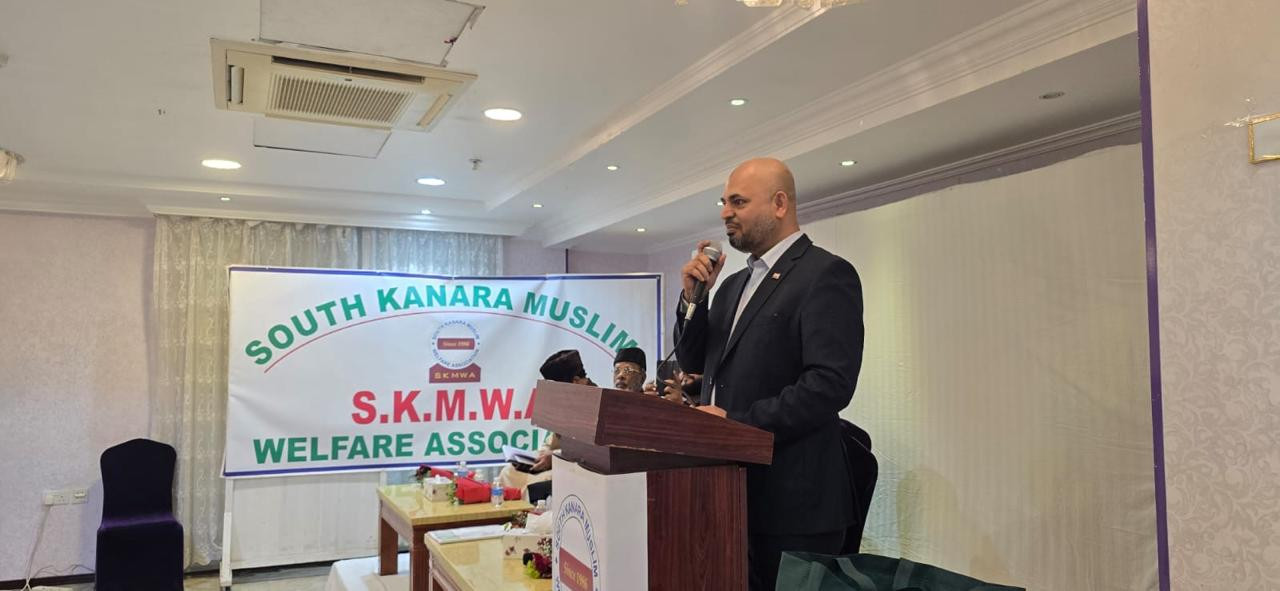
Sameer Ahmed elected President of SKMWA Muscat for 2026–2027

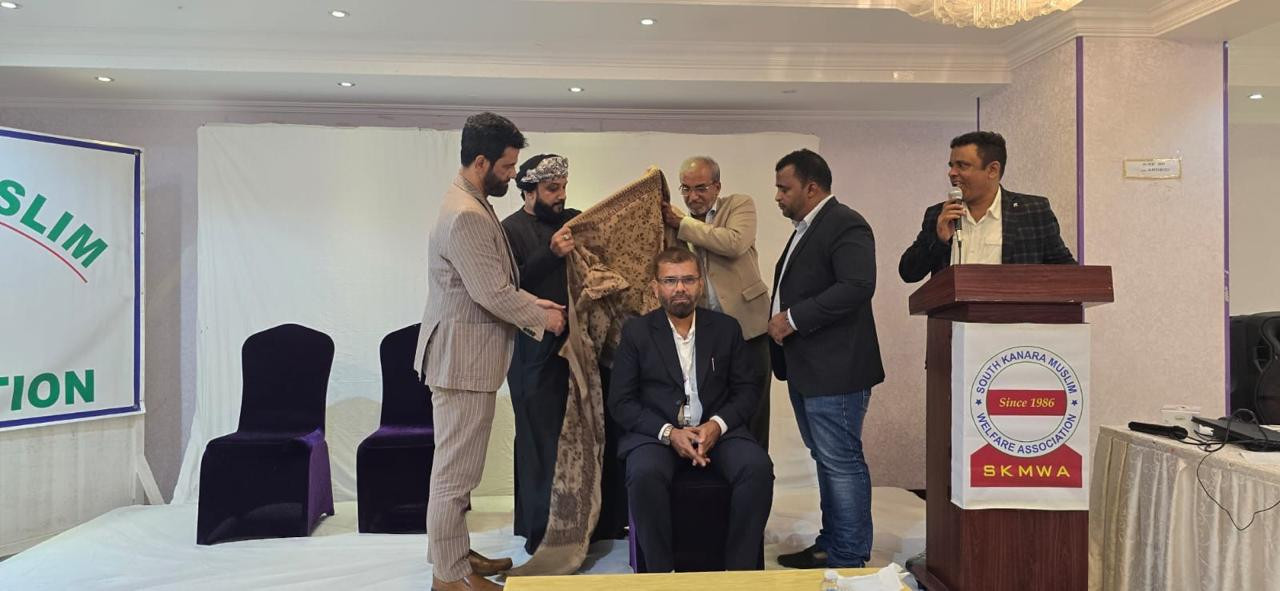
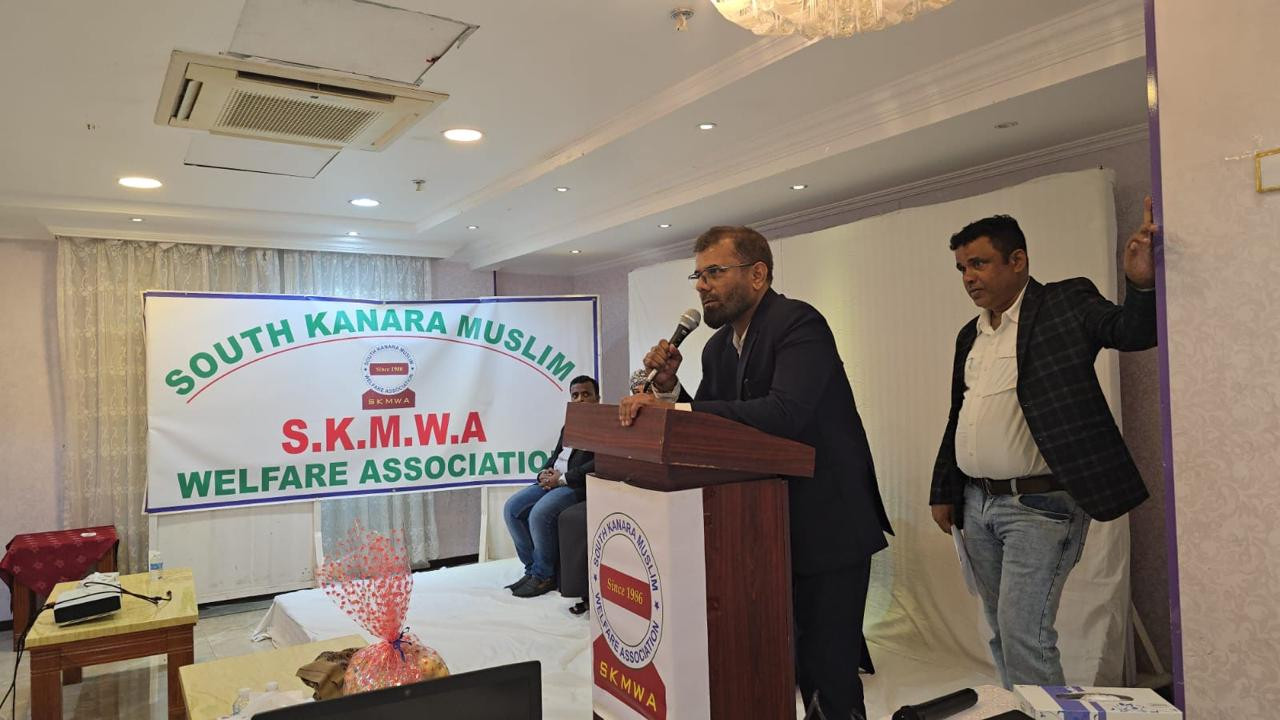
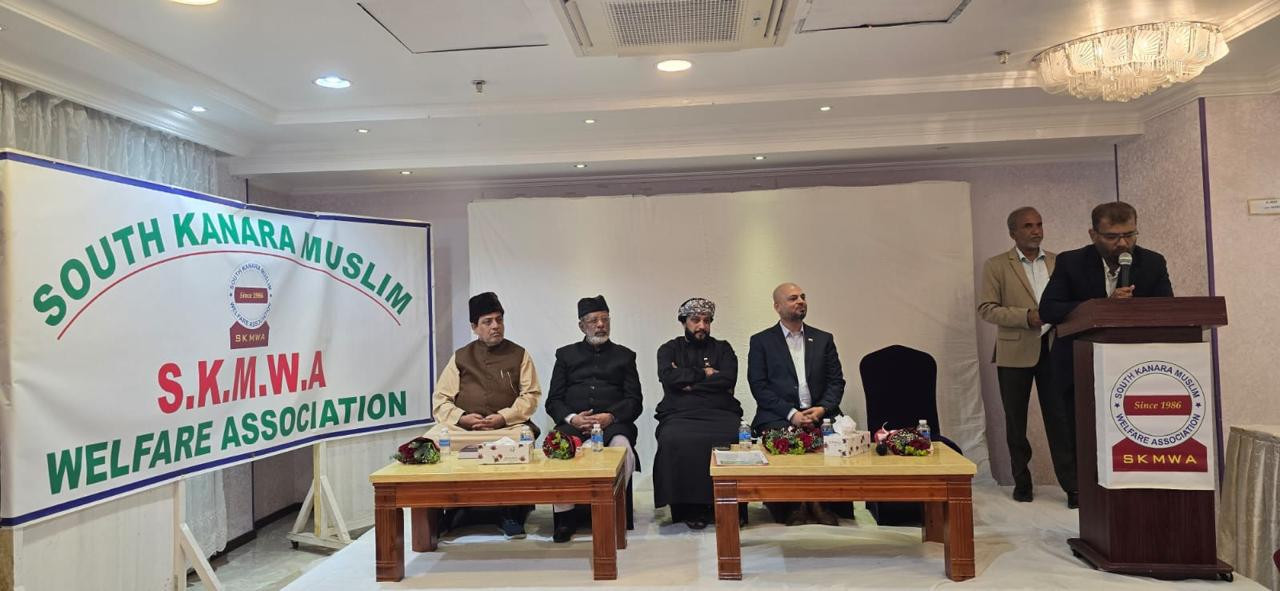
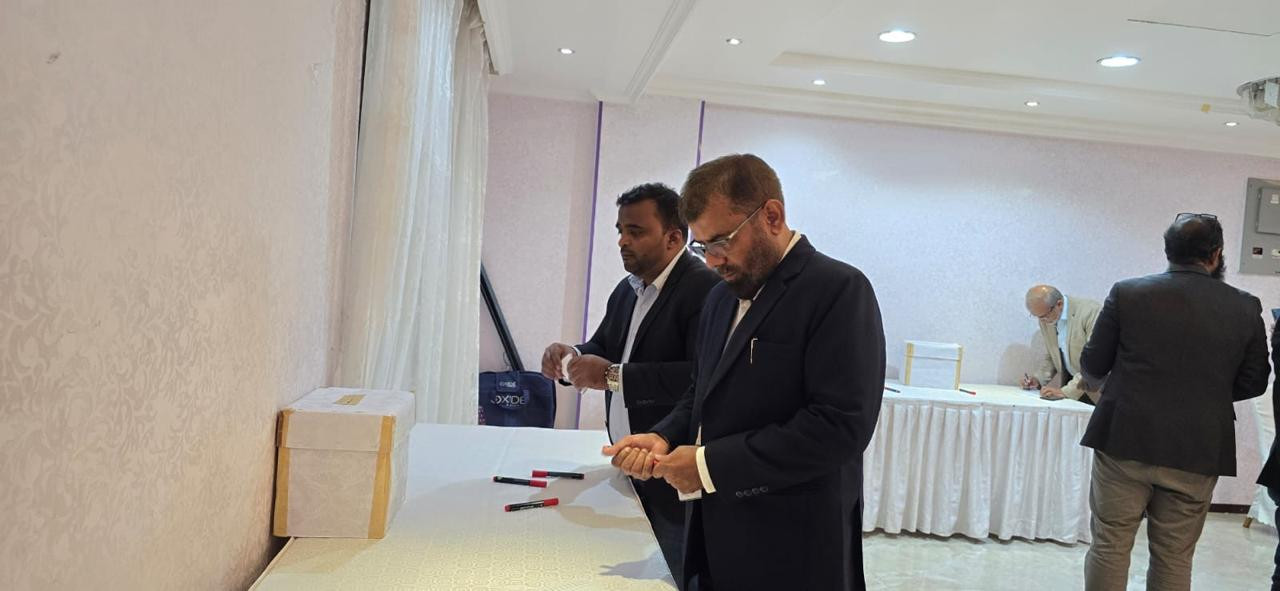
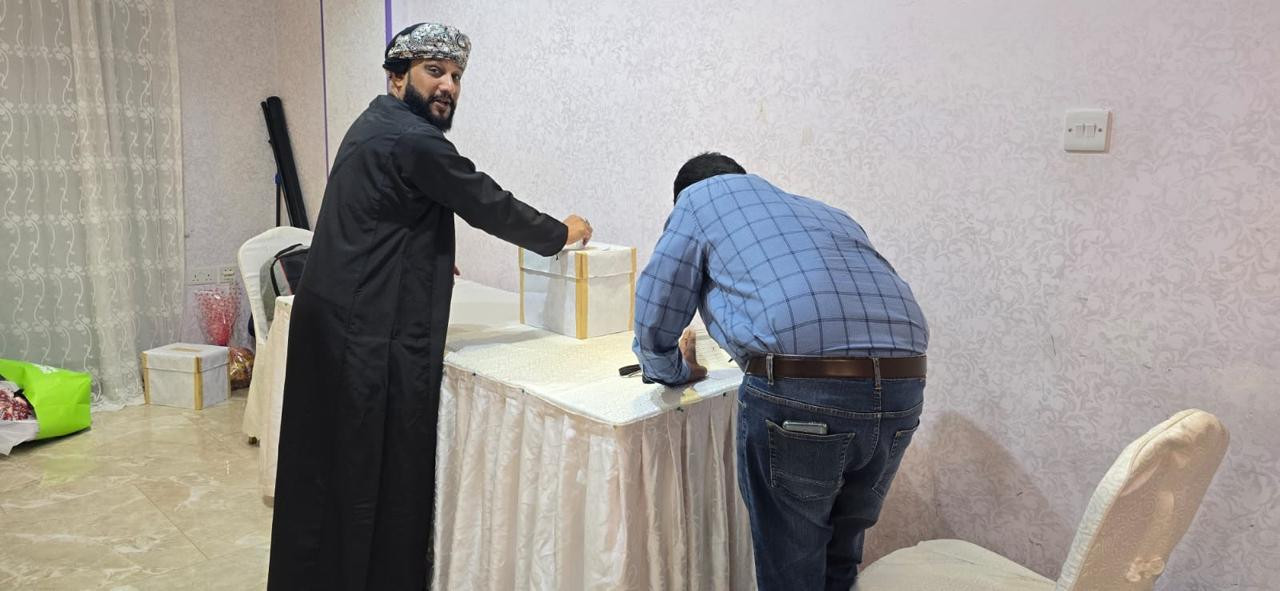
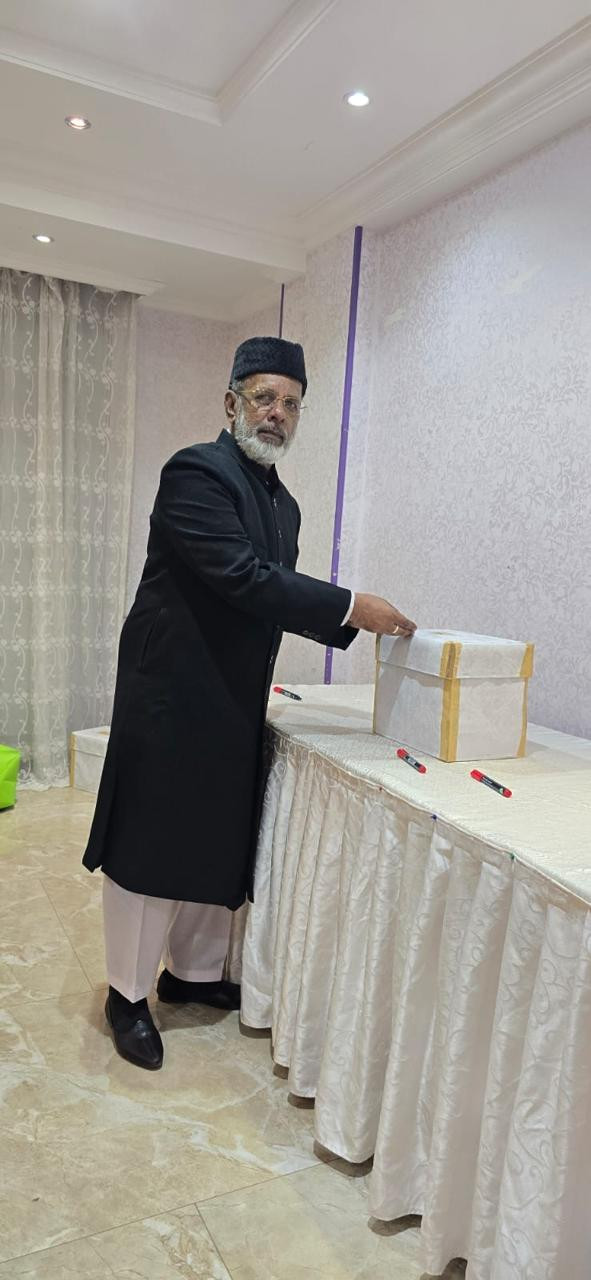
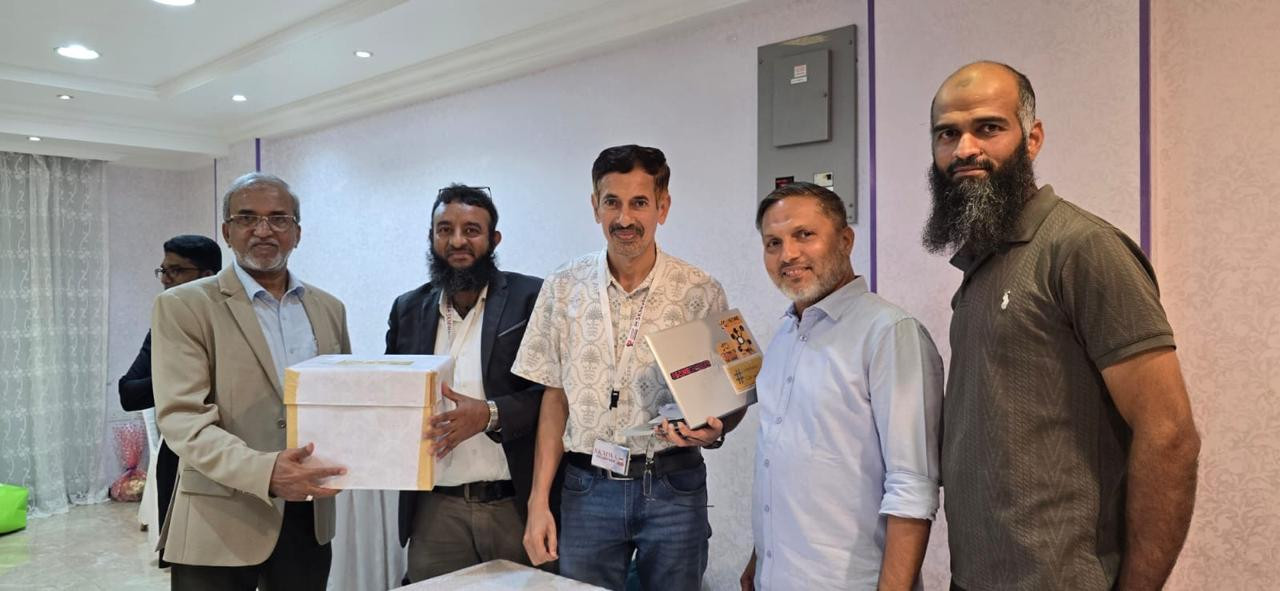
Muscat: Sameer Ahmed, a native of Udupi and currently employed in a private company in Muscat, has been elected President of the South Kanara Muslim Welfare Association (SKMWA), Muscat, for the 2026–2027 term.
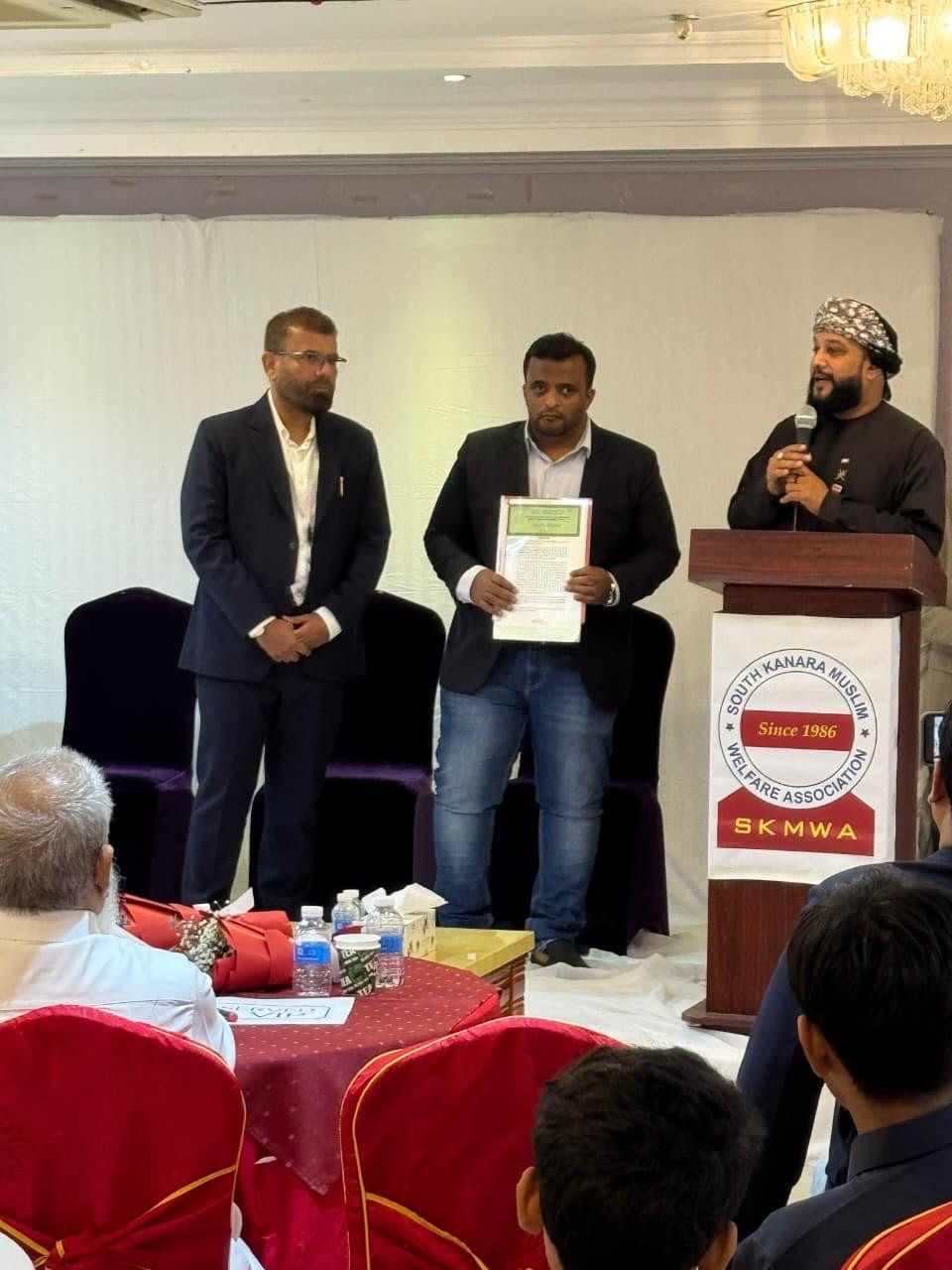
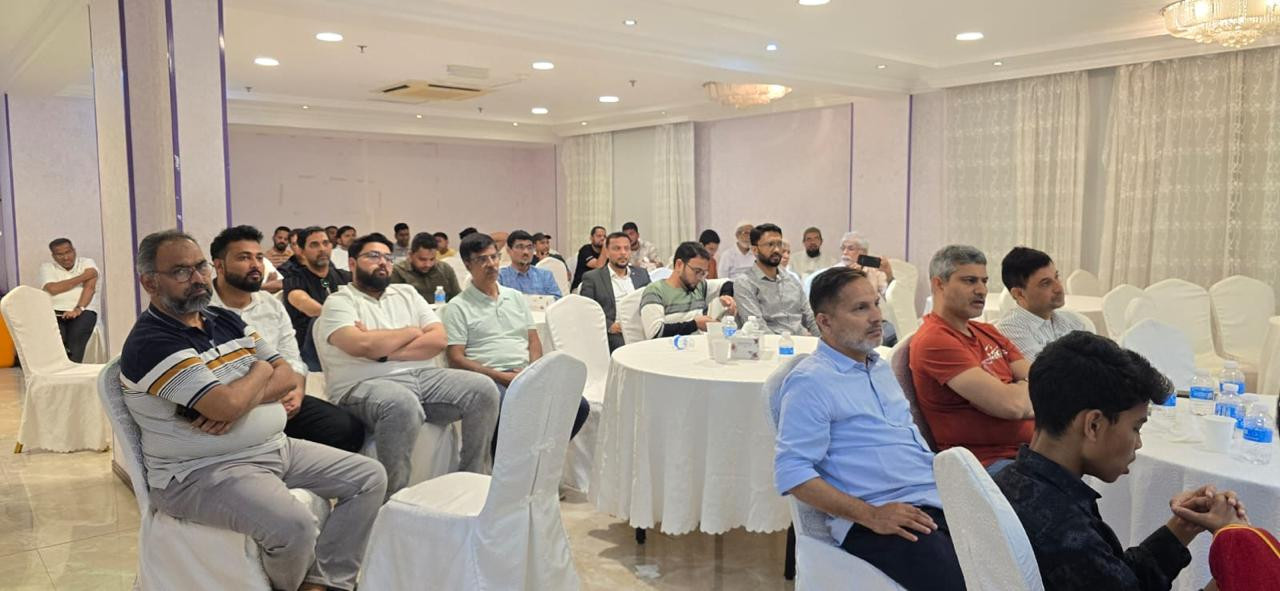
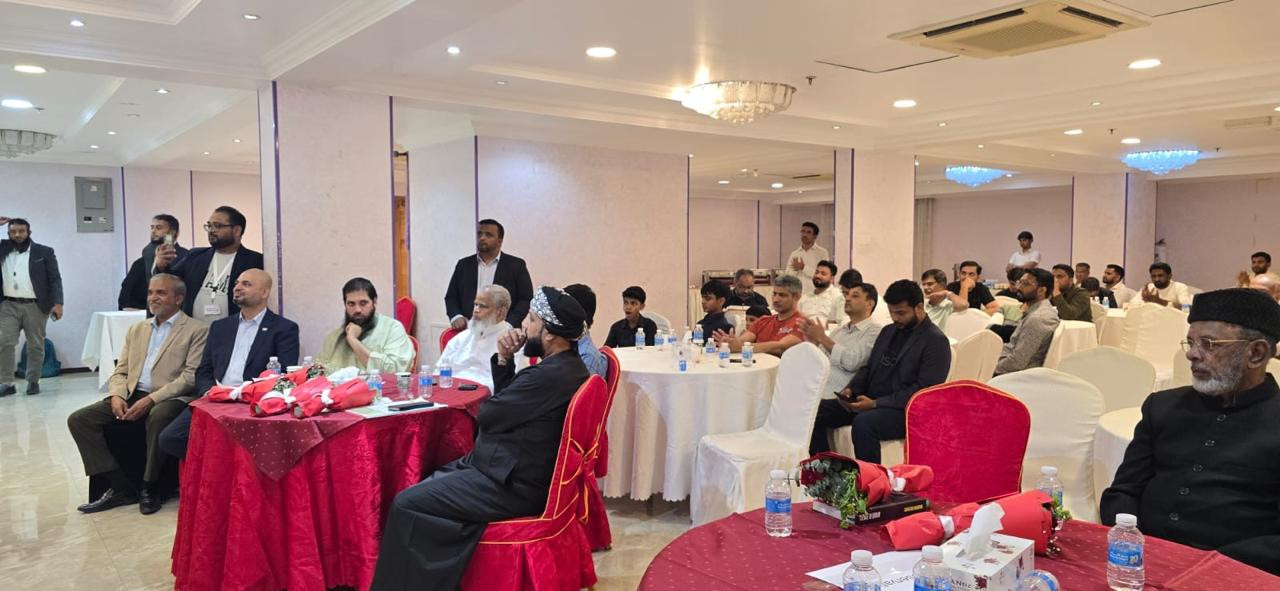
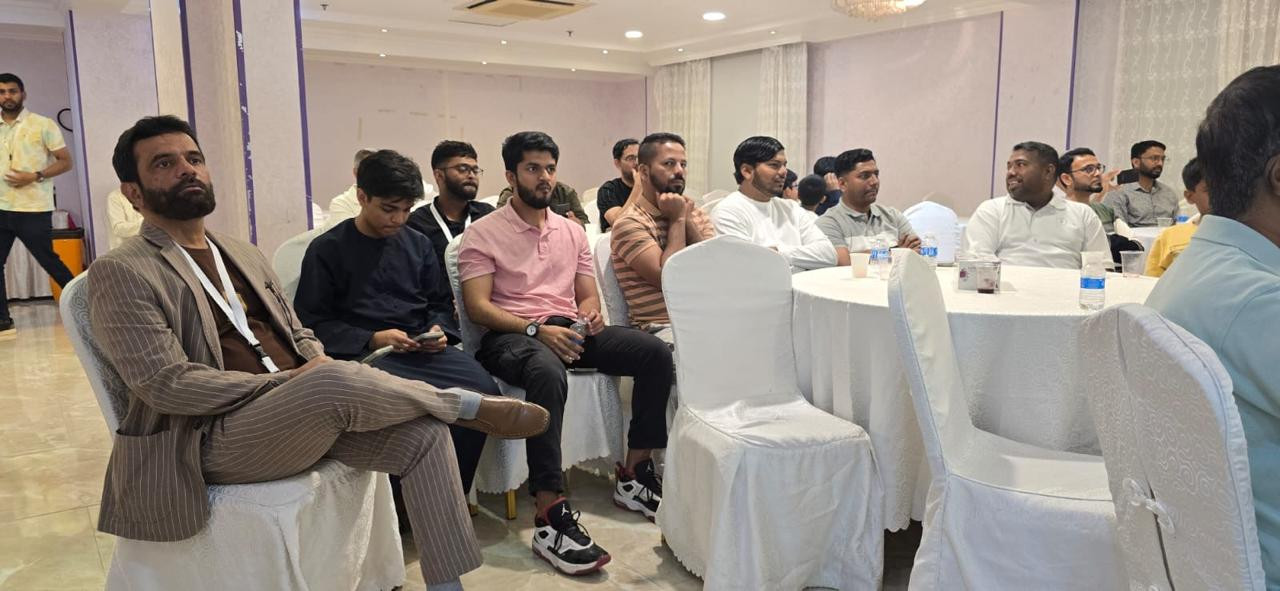
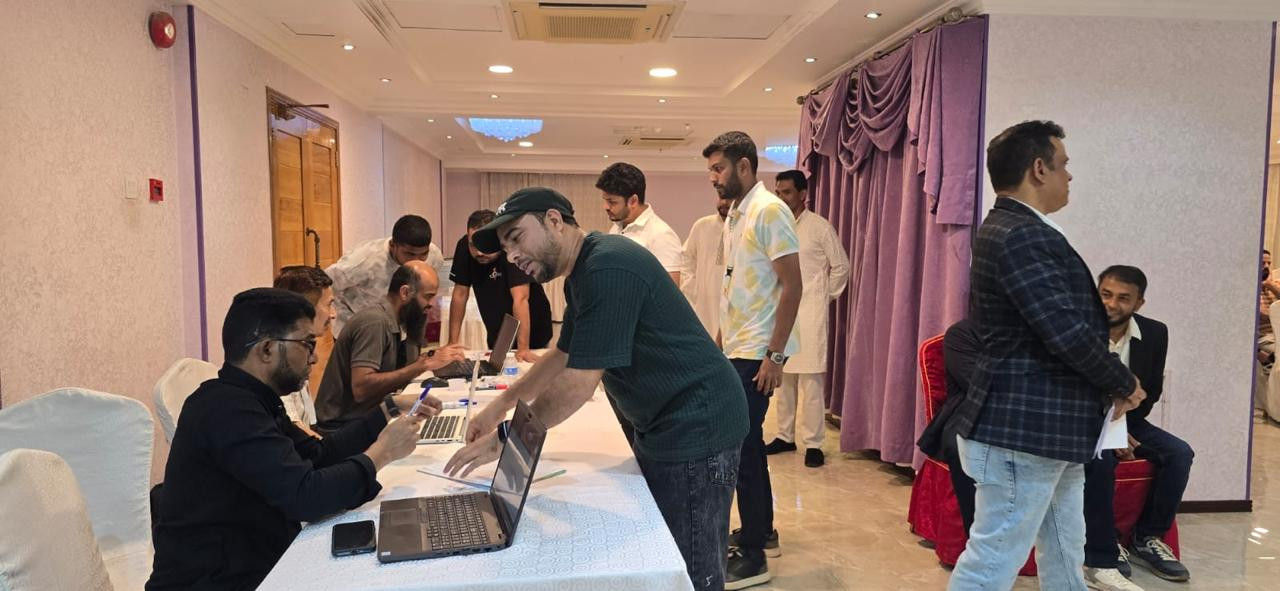
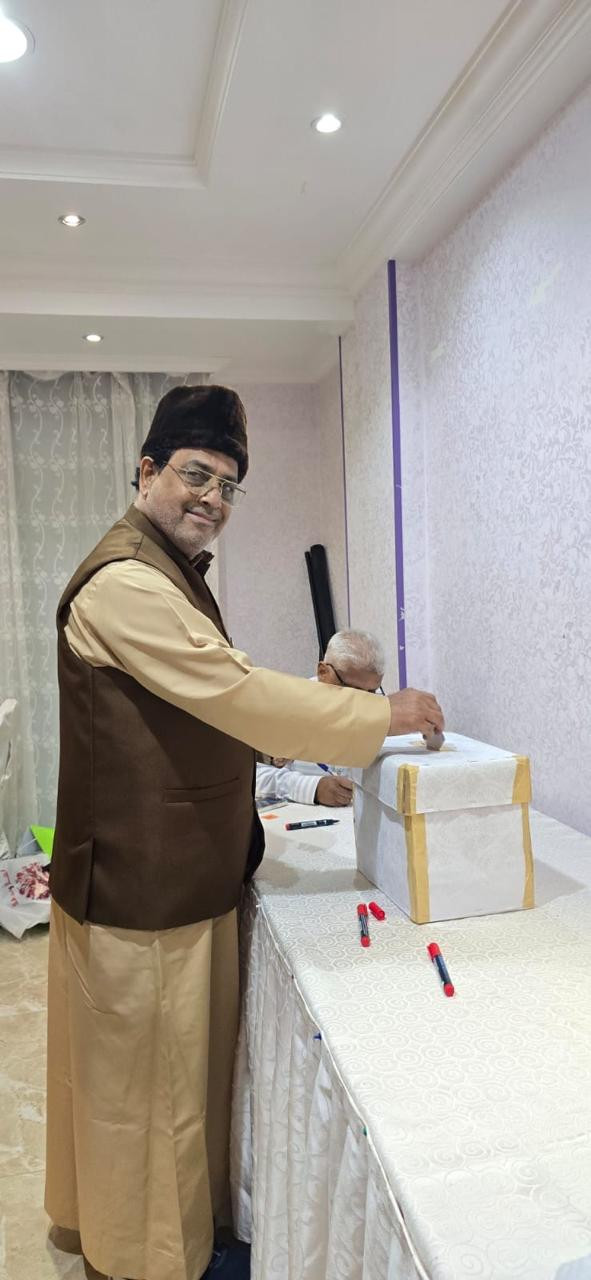
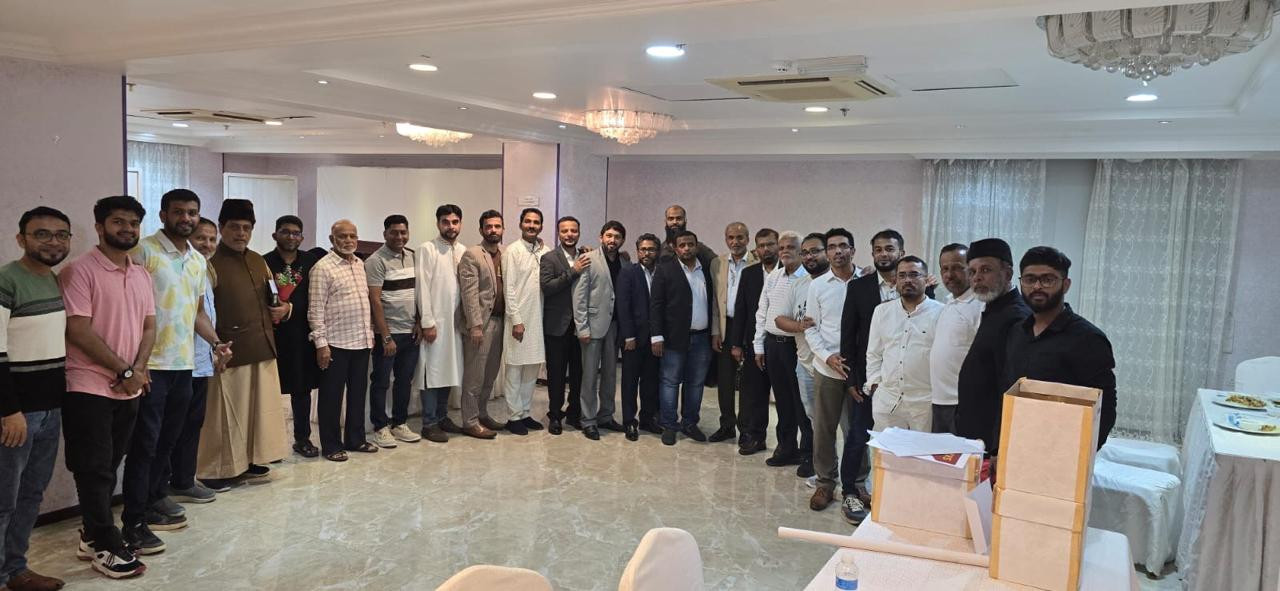
The election was conducted during the association’s Annual General Body Meeting held at Al Reef Hotel, Muscat, in the presence of chief guests Adil Shaikh, Monabba, Shareef, and Sahebzada Mehmood.
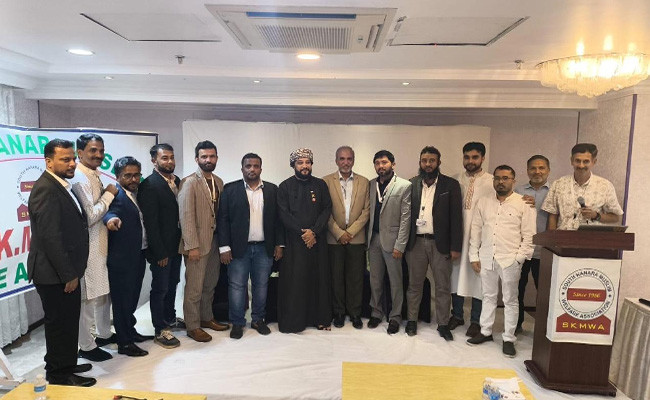
The newly elected office bearers include Vice Presidents Mohd Arif (Udupi) and Niyaz Mohammed (Mangalore), General Secretary Jaseem Basha (Kundapura), Joint Secretaries Rizwan Ali (Udupi) and Zaheer Hussain (Moodbidri), Treasurer Tajuddin Sheikh (Tonse), Assistant Treasurer Irfan Ahmed (Udyavara), Finance Secretary Mohammed Asif Gafur (Karkala), Assistant Finance Secretary Mohammed Akif Gafoor (Karkala), and Auditor Ashraf Ali (Kaup).
The Core Committee includes Event Coordinators Ansar Katipalla and Adil Moodbidri, and Sports Coordinators Ashpak Basrur and Muneer Ahmed (Sastan).
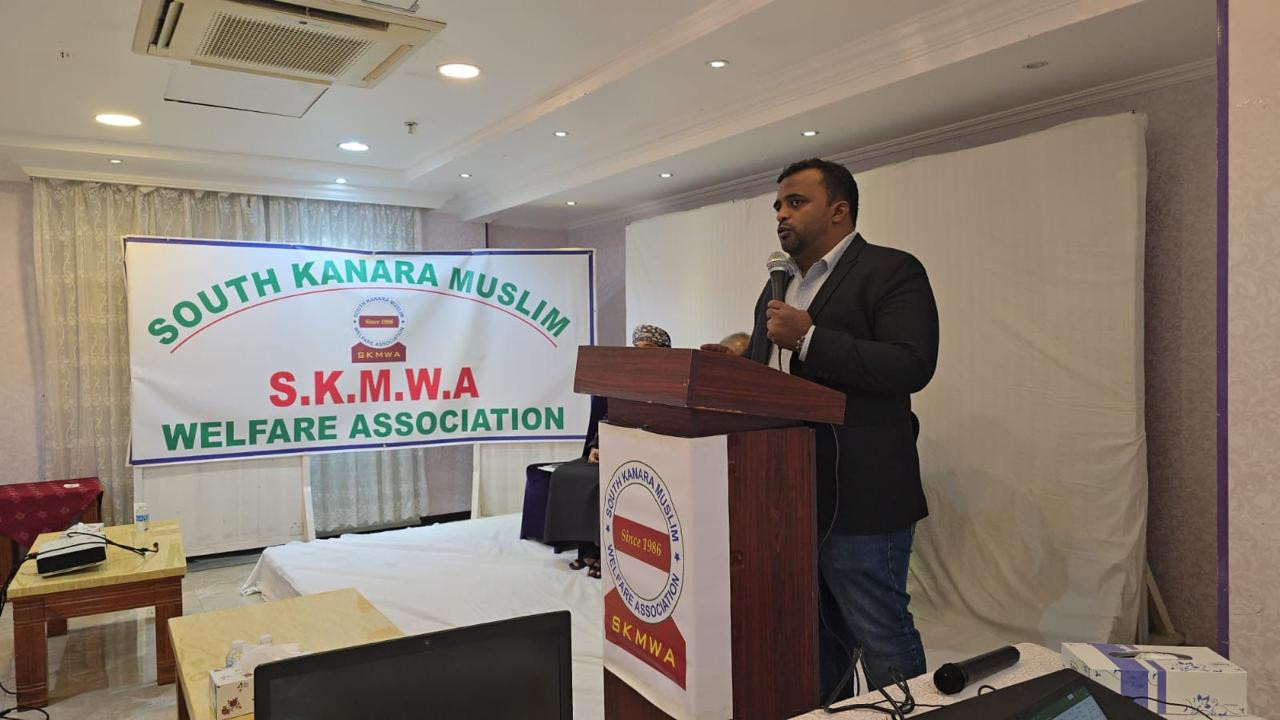
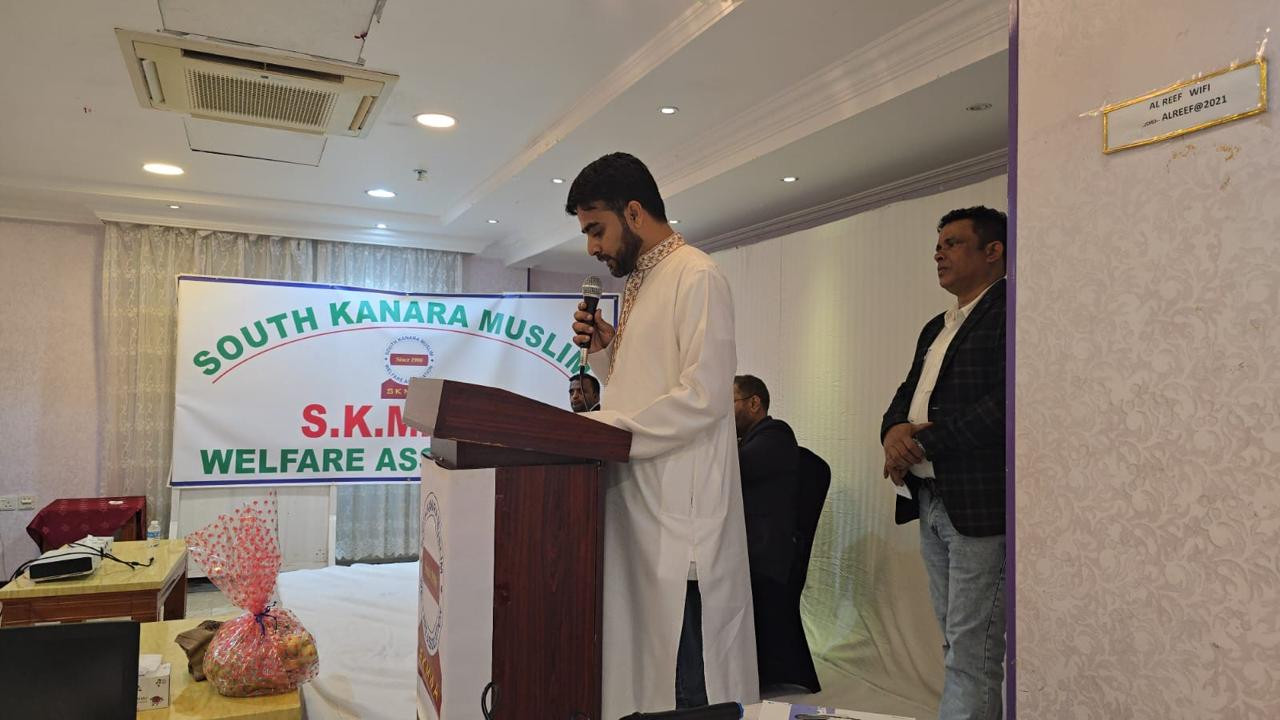
The programme commenced with a recitation from the Holy Quran by Zaid Asif. The Annual Activity Report for 2025 was presented by Sameer Ahmed, while the financial report was delivered by Mohammed Asif Gafoor and verified by Auditor Ashraf Ali.
Former president Azim was felicitated by Syed Mohiddin Saheb during the event.
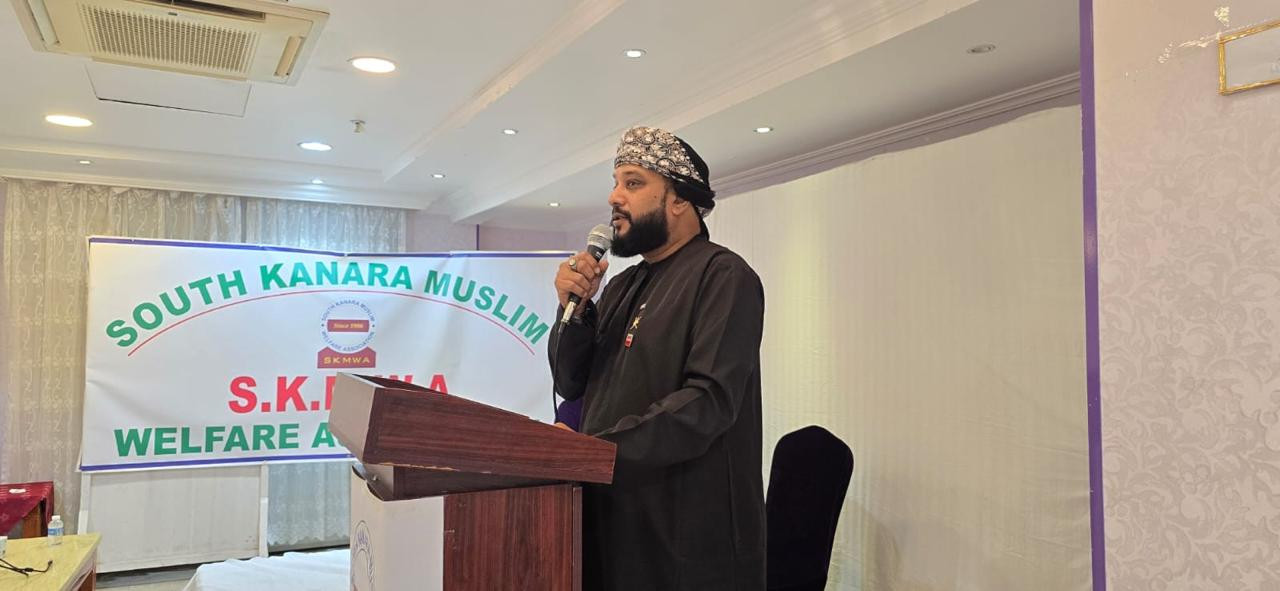
The meeting concluded with an address by the newly elected president, followed by a vote of thanks proposed by General Secretary Jaseem Basha. The programme was coordinated by Syed Mohiddin Saheb (Sastan) and Ansar Katipalla.