
Anjuman College in Bhatkal holds logo competition on theme “Save Food – Save Life”

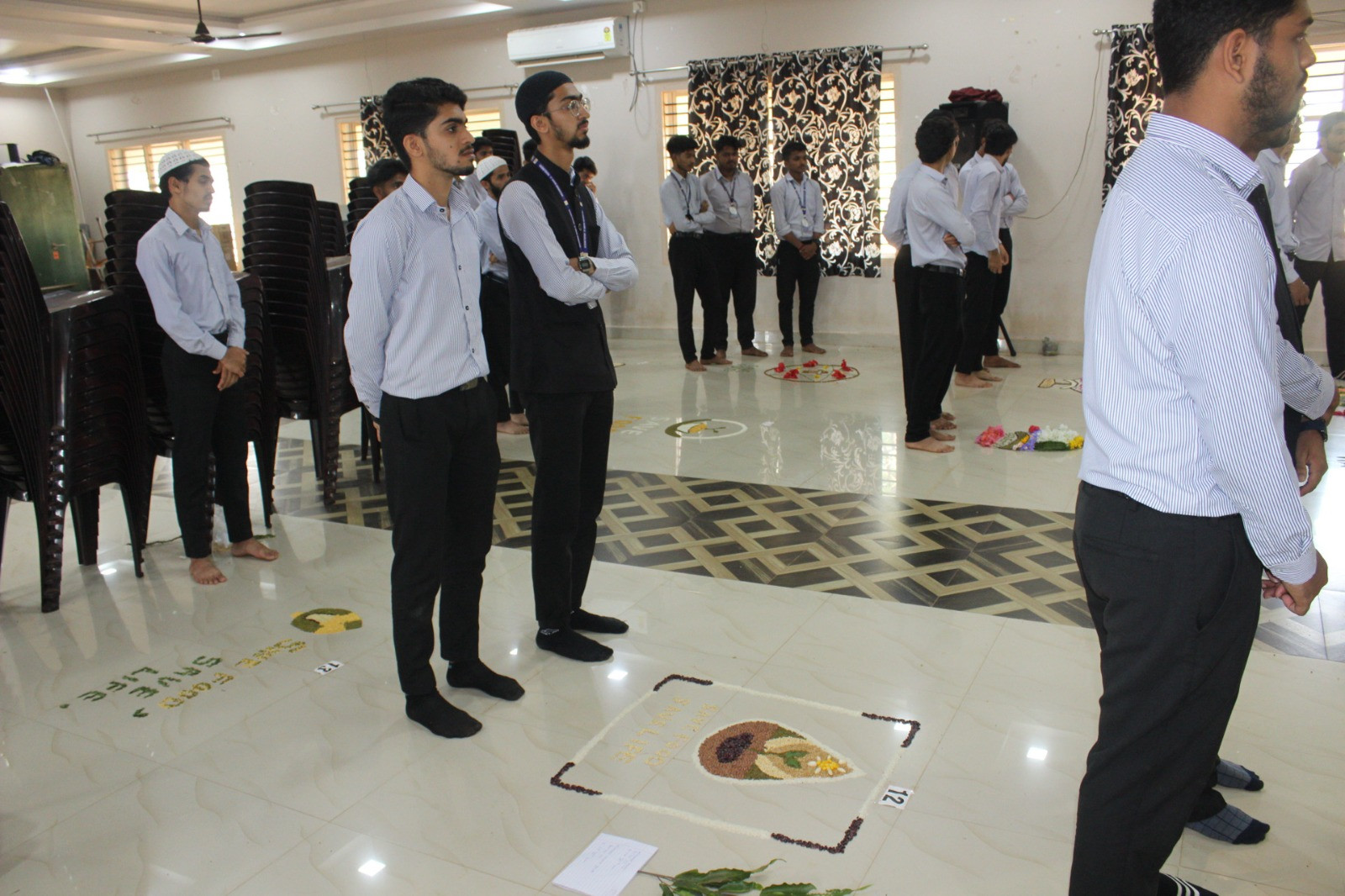
Bhatkal: Anjuman Arts, Science and Commerce College organised a Logo Making Competition on March 5 as part of its Sustainability Awareness Initiative 2026.
The programme was held from 10 am to 1 pm in the college function hall and was organised by the Student Welfare Wing under the guidance of Principal Prof. Mohammed Yusuf Kola. The event was coordinated by Student Welfare Officer Prof. Mohammed Ganim, with support from Dr. D.S. Prabhu, NAAC Coordinator, as an IQAC initiative.
A total of 38 students forming 19 teams from the B.A., B.Sc. and B.Com. programmes participated in the competition. The theme of the event was “Save Food – Save Life”, aimed at creating awareness about food conservation and responsible consumption.
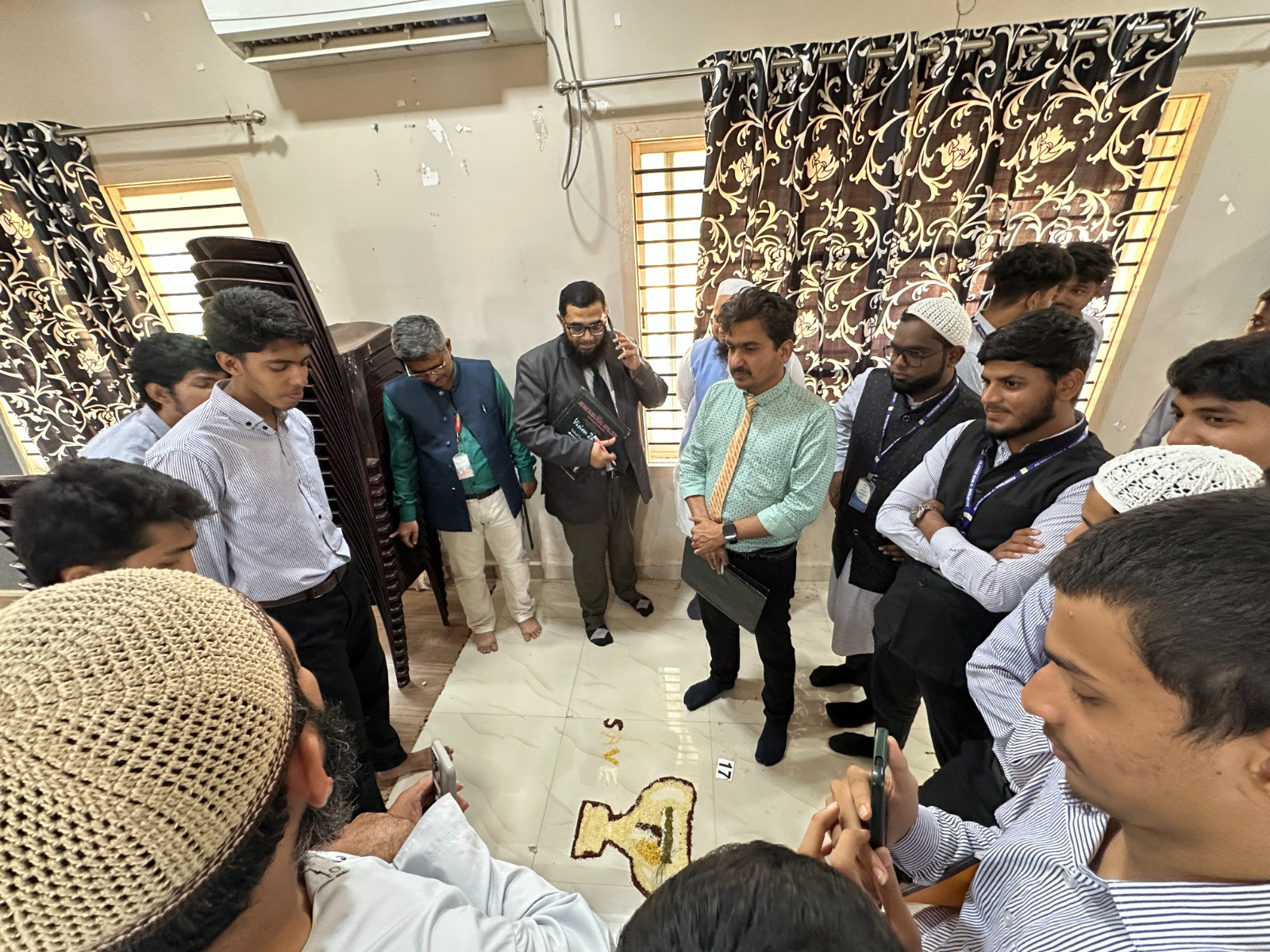
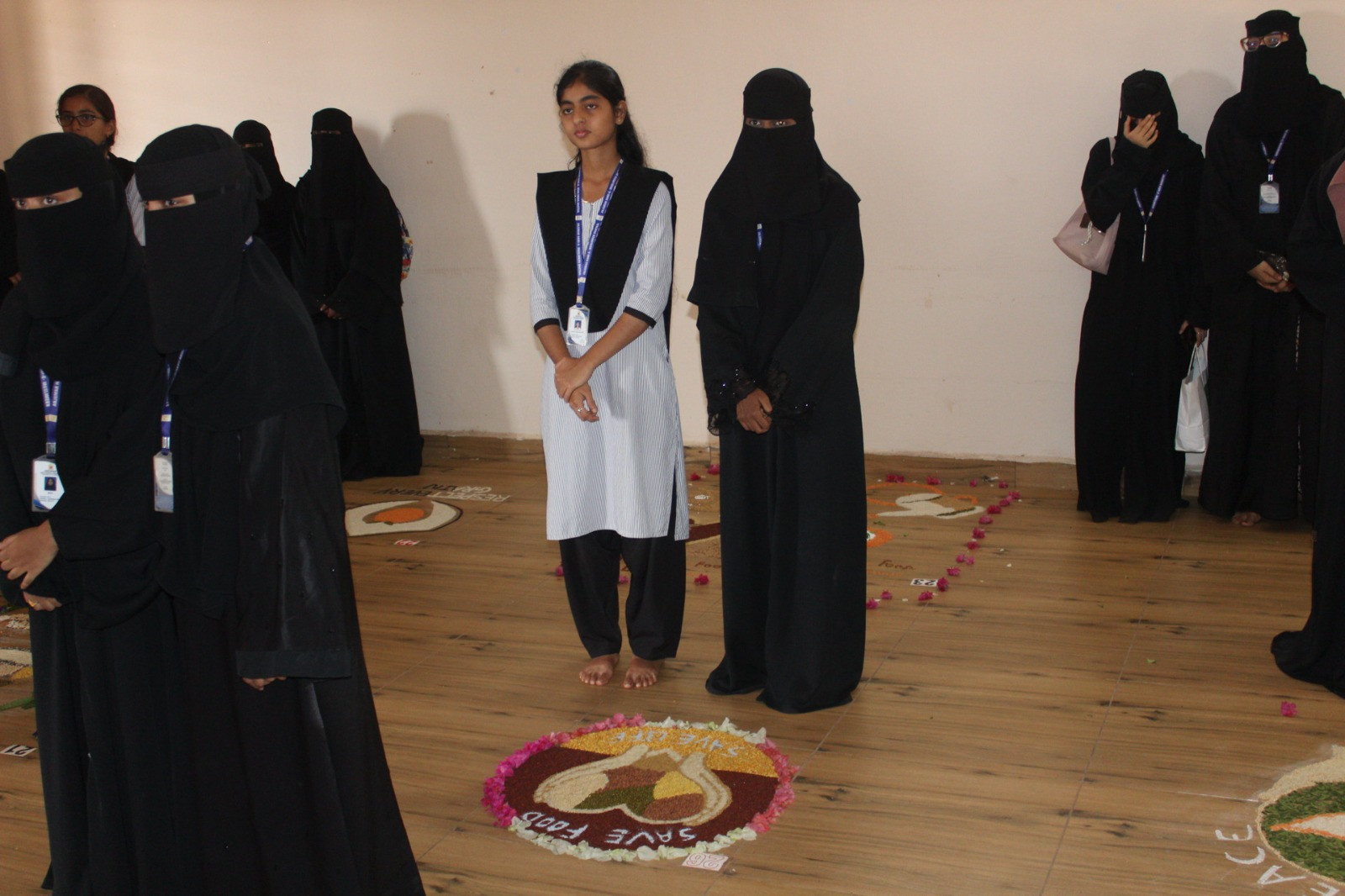
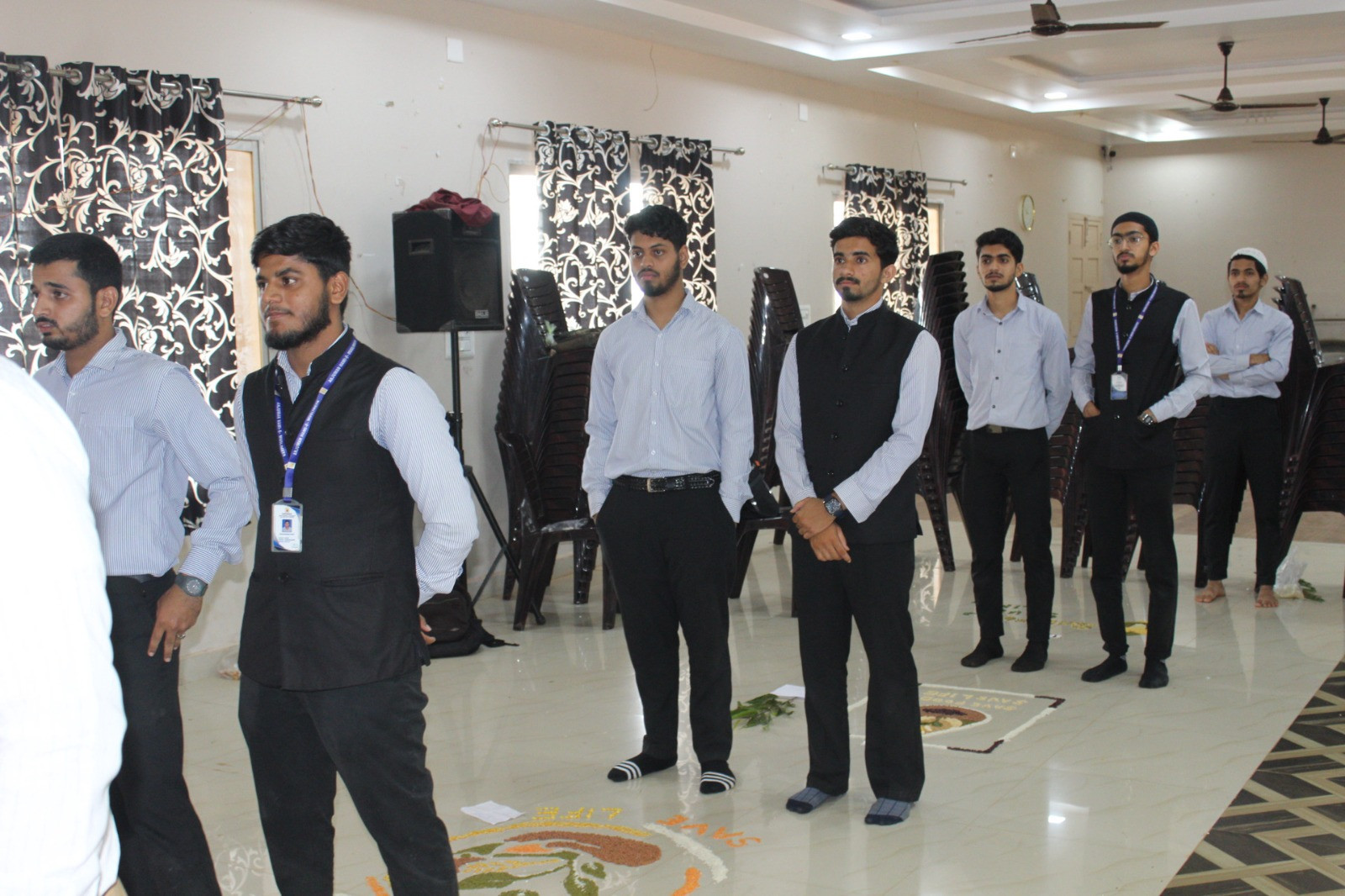
Participants were given one and a half hours to design logos using food grains such as rice, wheat and lentils. The organisers said the use of grains symbolised the importance of valuing food and reducing wastage. After completing their designs, the teams presented their logos to the judges and explained the ideas behind their concepts.
Separate arrangements were made for boys and girls to ensure smooth conduct of the event. The girls’ category was coordinated by Aysha Amal and Saniya Khalifa of B.A. final year, while Zuliqhar and Imran Faqqui of B.Com. final year coordinated the boys’ category.
The competition was evaluated by a panel comprising Dr. Fazlurrahman, Principal of Anjuman Institute of Technology and Management; Prof. Mohsin, Principal of Anjuman Institute of Management and Computer Applications; and Prof. Imran Manik of Anjuman Arts, Science and Commerce College.
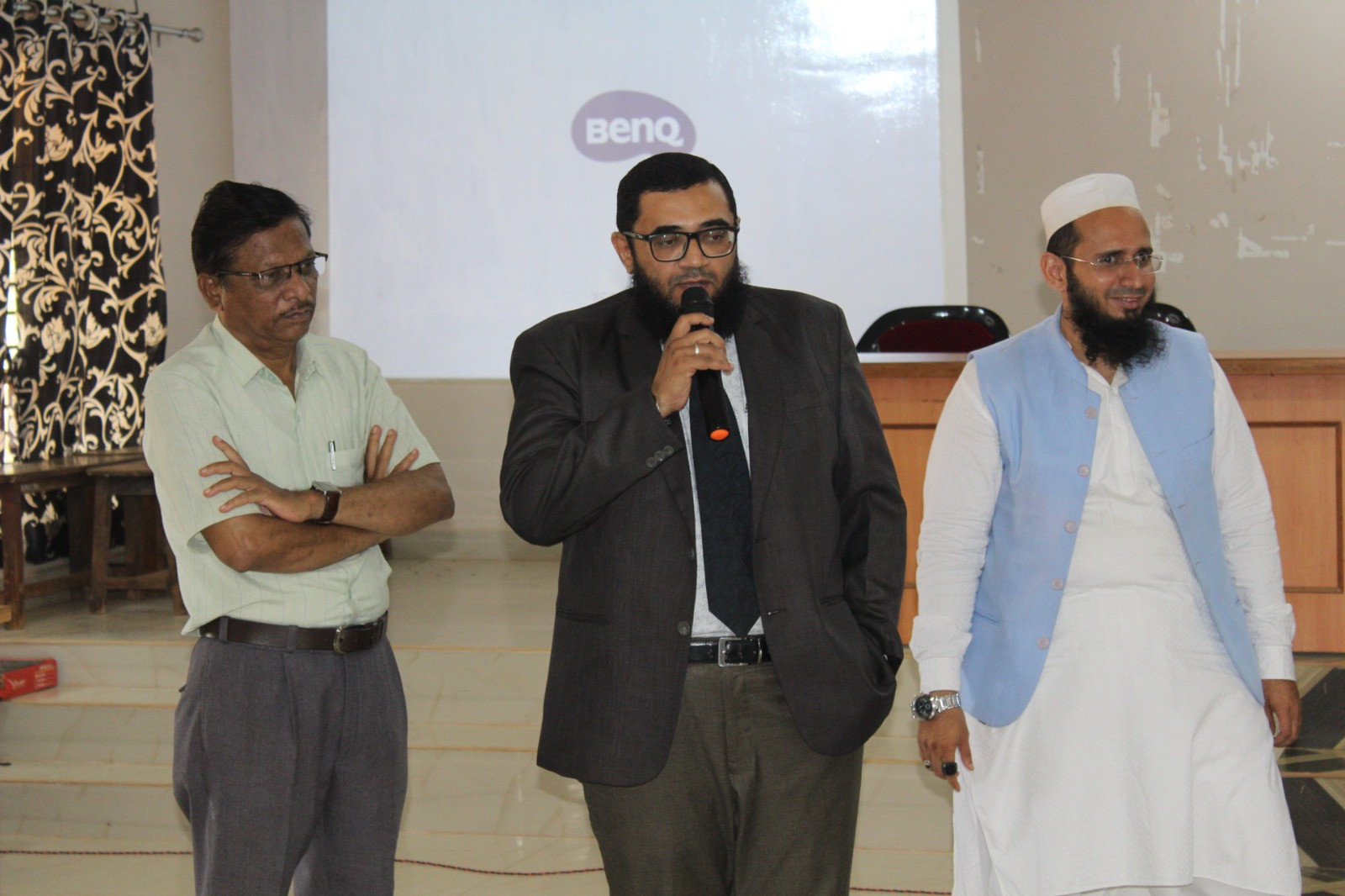
Janab Faiyaz Kola, Secretary of the College Board, and Janab Sadullah Ruknuddin, Executive Member of Anjuman, were also present and encouraged the participants. Speakers at the event highlighted the importance of food conservation and urged students to adopt responsible consumption habits.
In the girls’ category, the first prize was awarded to Shabnas and Vinuta (B.Sc.), the second prize to Nida and Sajida (B.A.), and the third prize to Afiya Sheerin and Jyoti (B.Sc.). In the boys’ category, Ismail Ganim and Tousif Qazi (B.Com.) and Shuraim and Maveez (B.Com.) jointly won the first prize, while the second prize was awarded to Junaid Khan and Mohd. Gous (B.Sc./B.A.).
Principal Prof. Mohammed Yusuf Kola delivered the valedictory address, congratulating the winners and participants. He said such programmes help develop creativity, social awareness and a sense of responsibility among students.
Let the Truth be known. If you read VB and like VB, please be a VB Supporter and Help us deliver the Truth to one and all.
Caste census will form basis for future policy decision, says CM Siddaramaiah

Mysuru (Karnataka) (PTI): Karnataka Chief Minister Siddaramaiah on Wednesday said that the ongoing caste census would form the basis for future policy decisions, asserting that the exercise was crucial to advancing social justice in the state.
Addressing a gathering at the Siddarameshwara Jayanti celebrations here, he said caste enumeration was being carried out for the first time since 1931 and would be followed by deliberations once the report is submitted.
"At present, a caste census (Jaati Sameekshe) is underway. After the report comes, we will discuss it and take necessary decisions," Siddaramaiah said.
He underlined the government’s commitment to equality, stating, "We are committed to social justice. No one should face injustice. Even if not 100 per cent, we will strive to ensure 99 per cent justice."
Referring to measures aimed at addressing intra-caste disparities, the chief minister said the government had already implemented internal reservation based on revised classifications.
"We have gone beyond the Nagamohan Das report and implemented internal reservation… now it has been revised to 5.25 per cent, 5.25 per cent, and 4.5 per cent. This has been approved by the Cabinet," he said.
Siddaramaiah said the broader objective was to ensure equitable distribution of resources and opportunities, while reiterating that policy interventions would be guided by constitutional principles.
"Our objective is equal share and equal life for all," he said.
He also emphasised the role of education in eliminating inequalities, particularly among marginalised communities, and said empowerment was essential to dismantle entrenched caste hierarchies.
"Only when people gain such empowerment can caste divisions be eradicated. Education is essential for this," he added.
The CM said the government would examine demands raised by various communities and take decisions based on feasibility, while ensuring that benefits reached all sections without discrimination.


