
Bhatkal: Interview Skills Workshop held at Anjuman College

Bhatkal:
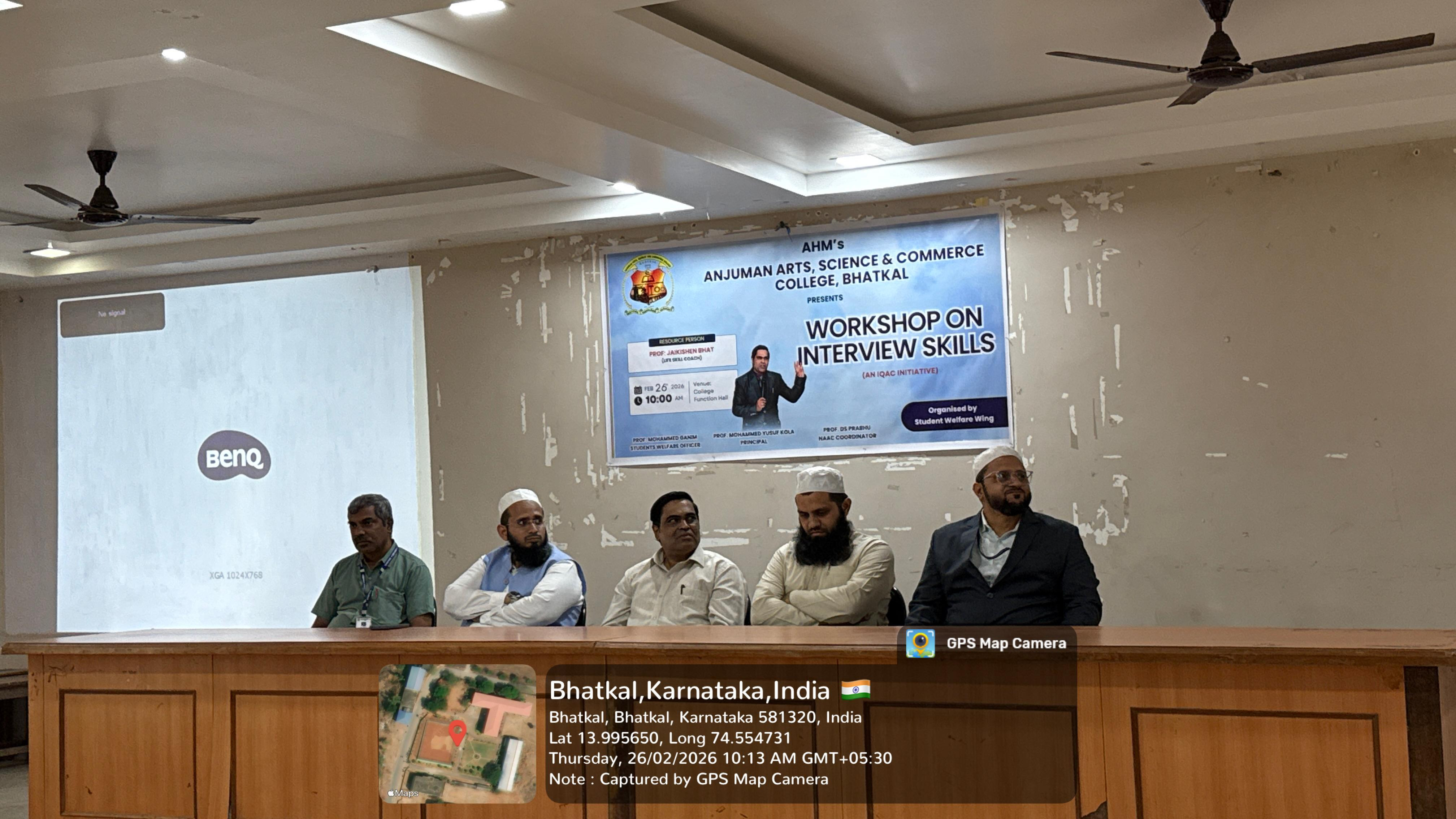
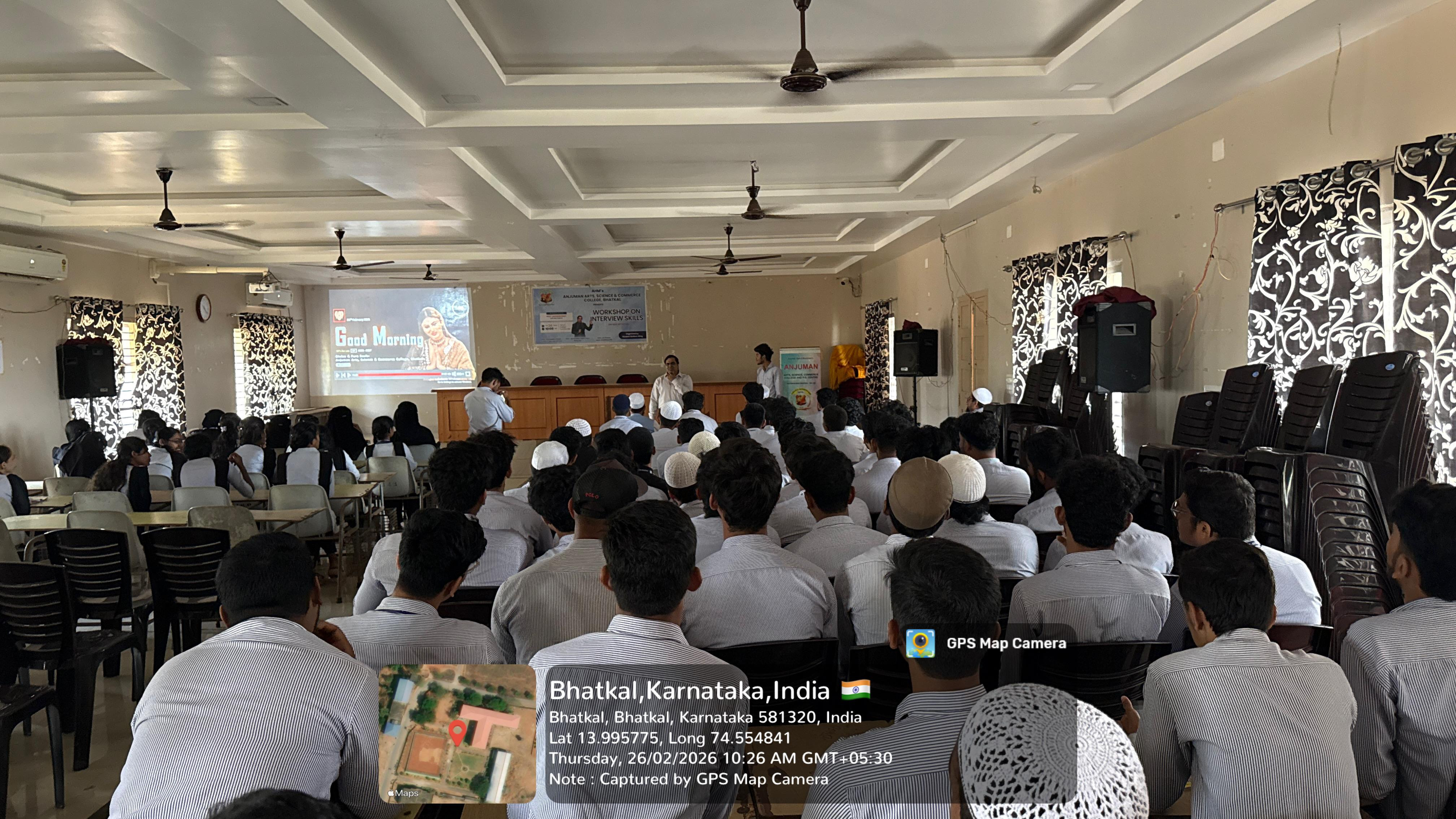
The workshop was designed for final-year students of BA, B.Sc. and B.Com, with the aim of preparing them for campus placements and career opportunities. The session focused on equipping students with practical skills required to face professional interviews confidently.
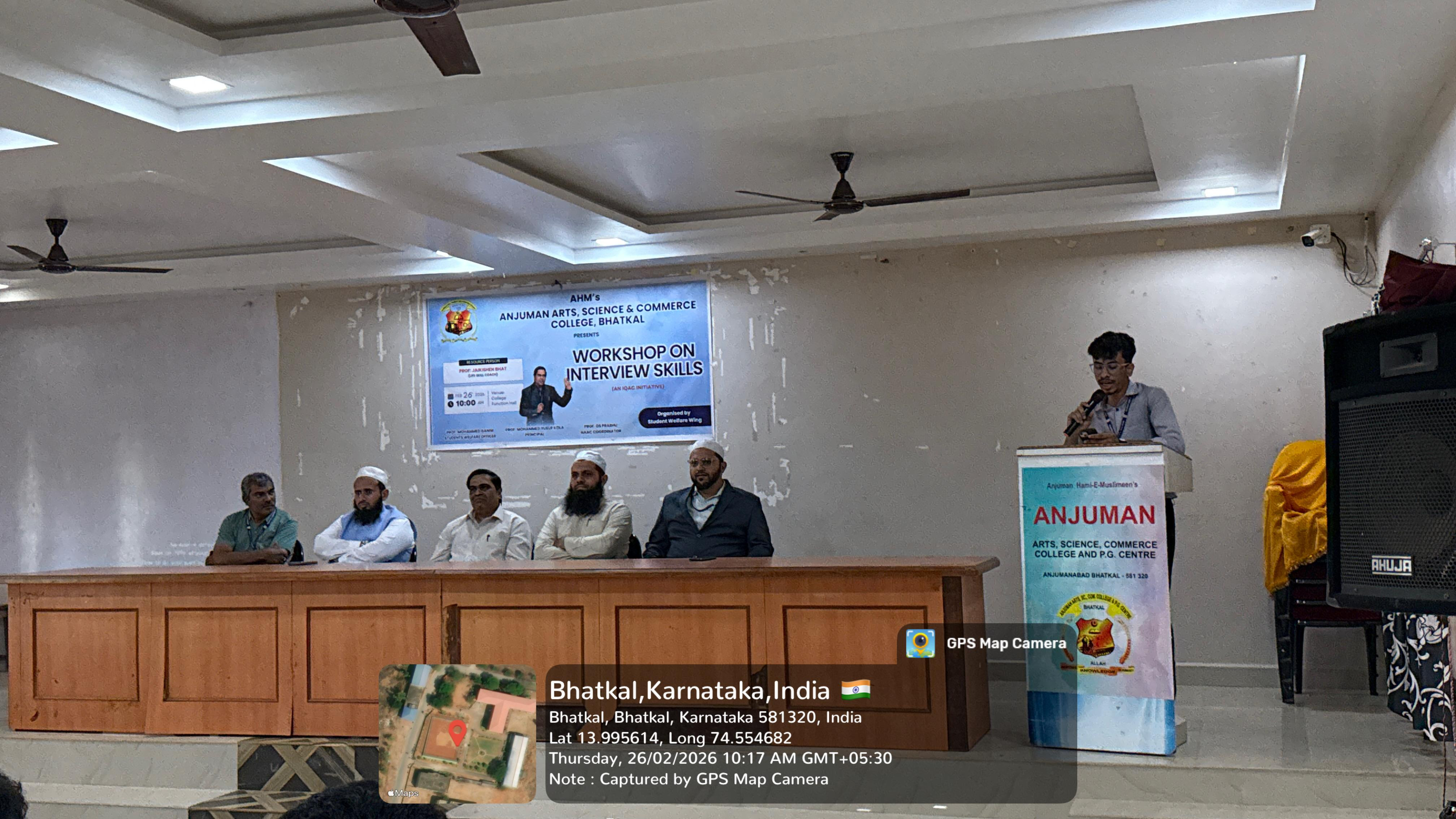
Prof. Mohammed Ganim, Students’ Welfare Officer, hosted the programme and coordinated the session. The event began at 10 am with the recitation of the Holy Qur’an by Abdul Badi Siddiqua of B.Com final year. Suraqa Hasan from B.Com final year delivered the welcome address. Umer Ekkeri introduced the resource person and spoke about the importance of interview preparation in today’s competitive job environment.
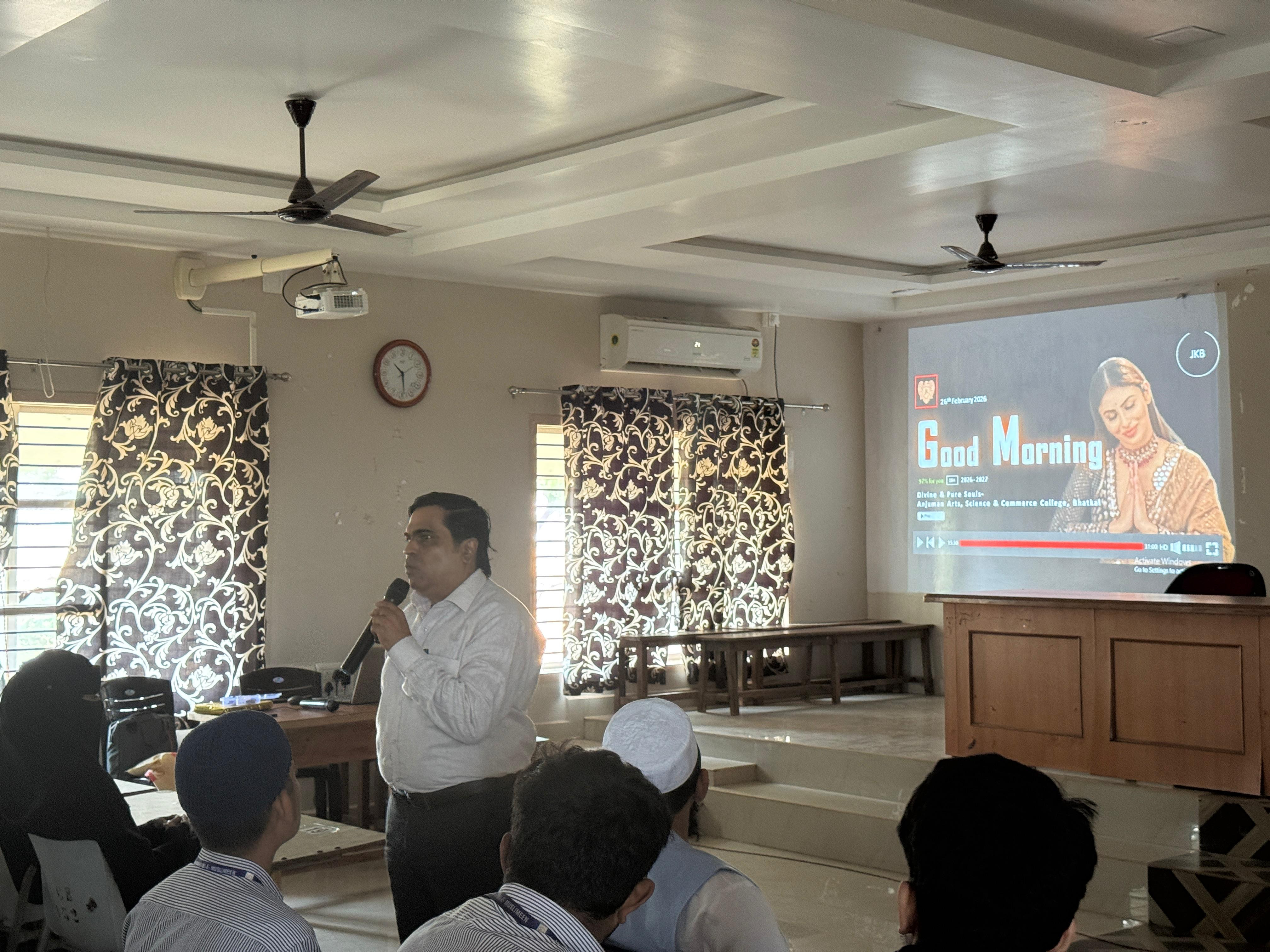
The workshop was led by Prof. Jaikishen Bhat, who addressed various aspects of interview readiness. He explained the expectations of employers and the need to bridge the gap between academic learning and industry requirements.
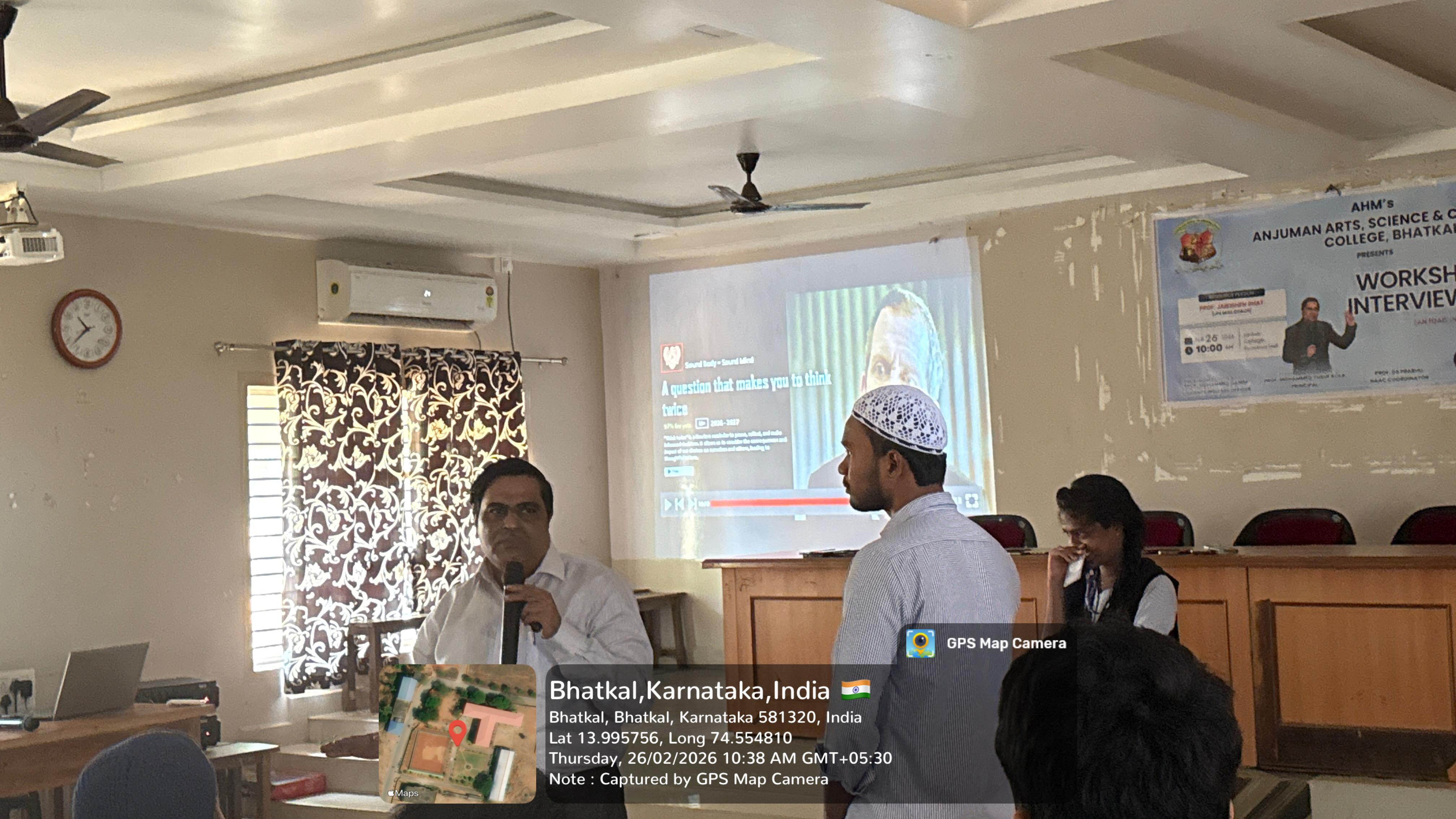
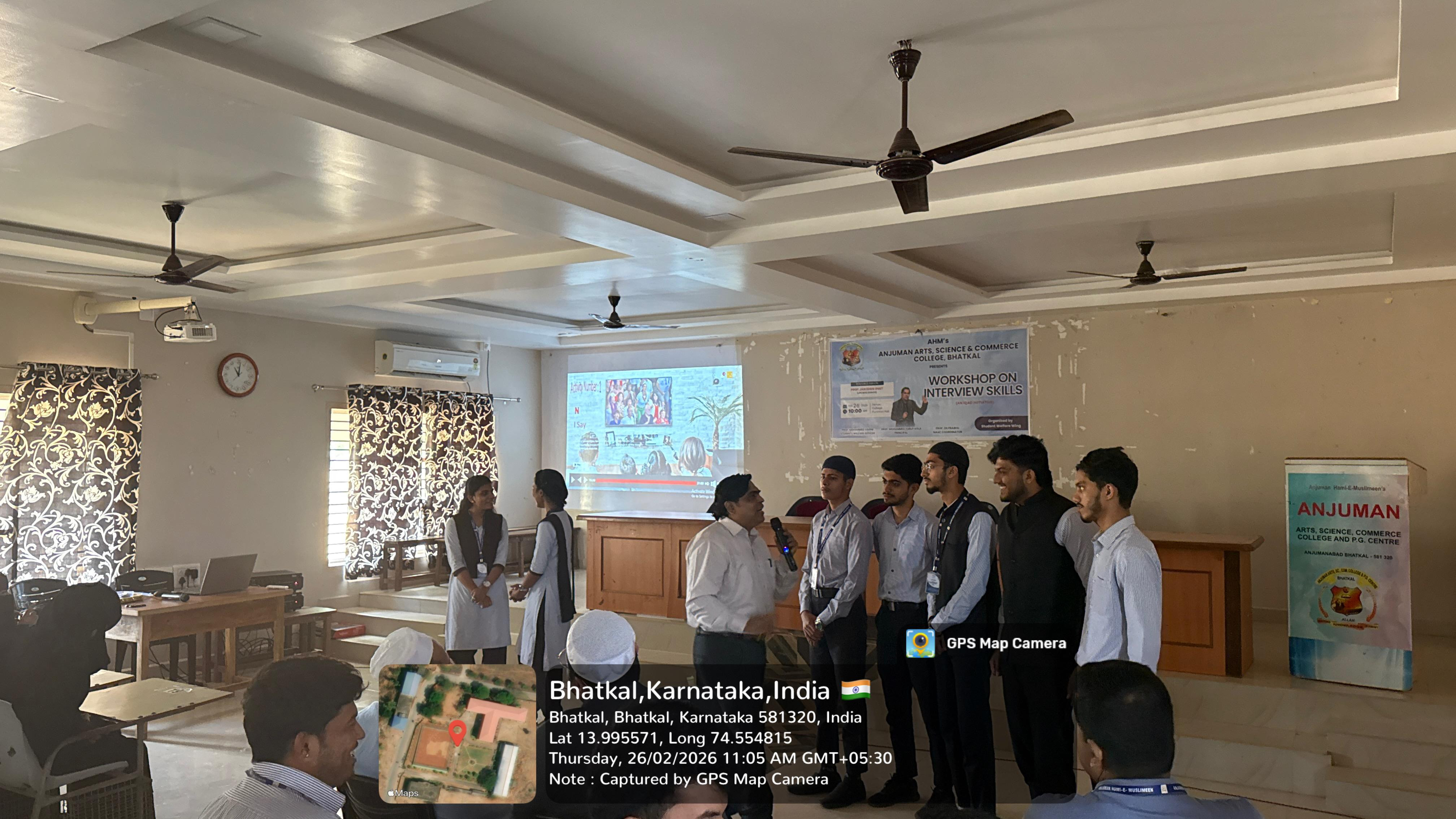
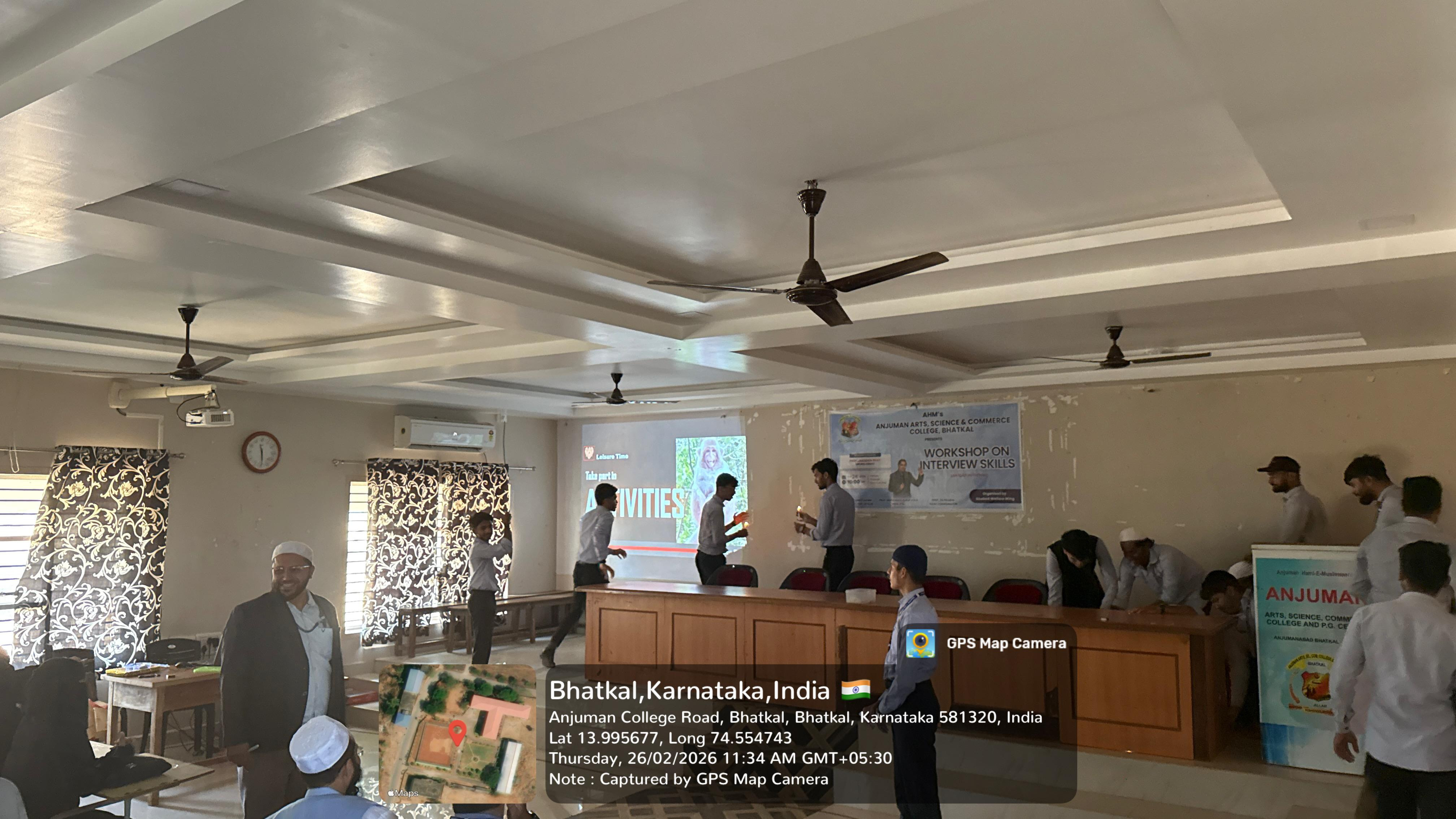
One of the key segments of the workshop was a Listening Skills Activity, where students took part in an interactive exercise to improve their ability to understand questions clearly before answering. The session included real-time evaluation of responses, helping students identify common errors such as interrupting, providing irrelevant answers and lacking proper structure in their replies.
The resource person also explained the concept of Graduate Trainee Programs in corporate organisations, detailing the stages of training such as orientation, departmental rotation and periodic assessments. He highlighted the importance of developing technical knowledge, soft skills and leadership qualities.
A 26-step guide to interview preparation was presented, covering resume preparation, company research, communication skills, body language, grooming, situational responses and post-interview follow-up. The session was conducted in a practical manner aligned with industry expectations.
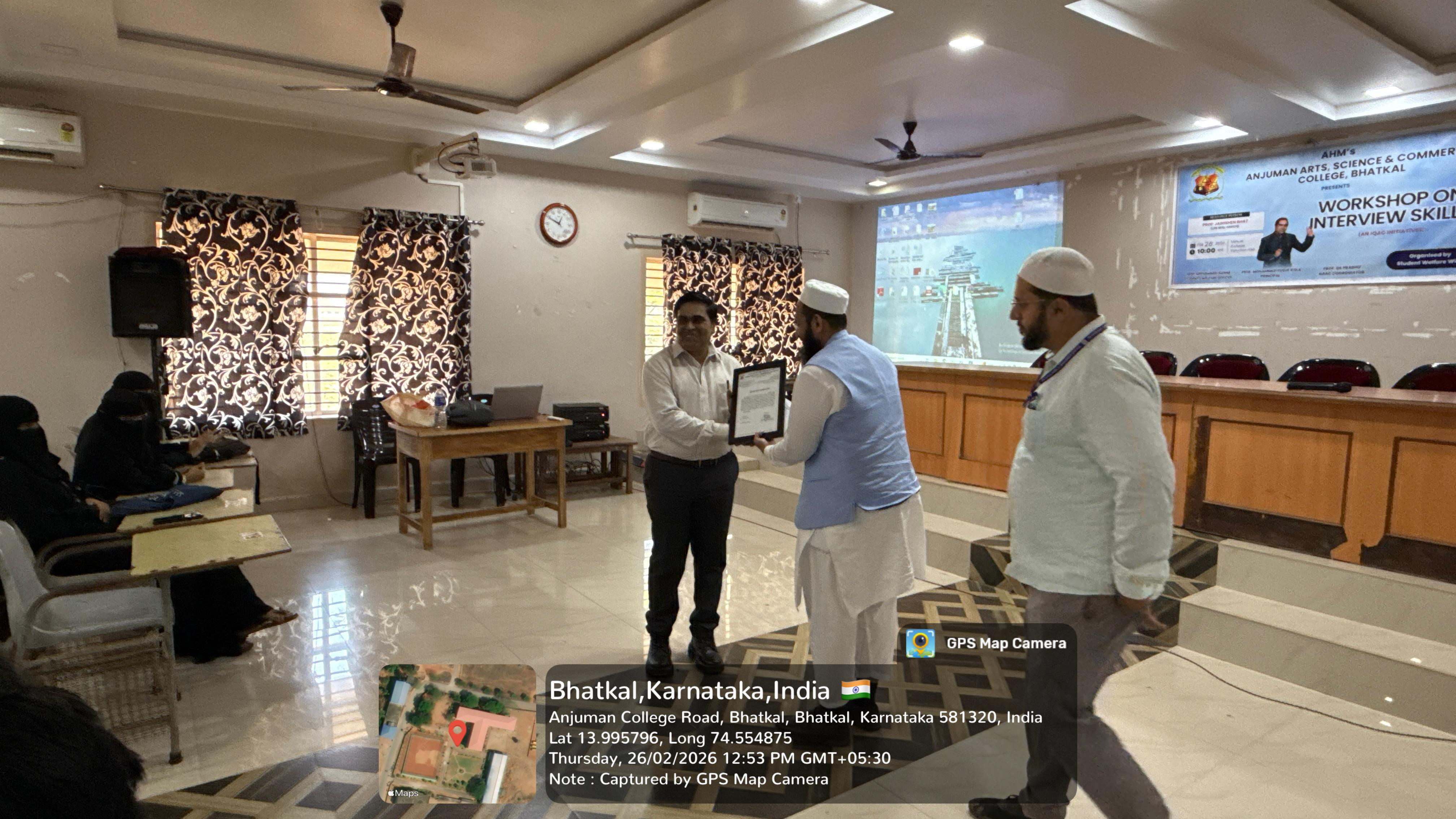
A memento was presented to Prof. Jaikishen Bhat by the Principal as a mark of appreciation.
The programme concluded at 1 pm with a vote of thanks delivered by Aash Matta. Event documentation was handled by Salim Armaan (videography) and Yusuf Ayaan (photography), both from B.Com final year. The Discipline Committee comprising Amaan Muallim, Zulfiqar Ali and Imran Faqui ensured the smooth conduct of the event.
Let the Truth be known. If you read VB and like VB, please be a VB Supporter and Help us deliver the Truth to one and all.
Sujit Nair raises concerns over speculation of DMK-AIADMK understanding to block TVK

Chennai: Journalist and political commentator Sujit Nair has expressed concern over speculation that the Dravida Munnetra Kazhagam and the All India Anna Dravida Munnetra Kazhagam could explore a post-poll understanding to prevent Vijay-led Tamilaga Vettri Kazhagam from forming the government in Tamil Nadu.
In a social media post, Sujit Nair said the election verdict in Tamil Nadu reflected a clear public demand for political change and argued that the mandate should be respected irrespective of political preferences.
Referring to reports and political discussions surrounding a possible understanding between the DMK and AIADMK, he said he hoped such developments remained only speculative conversations and did not turn into reality.
Nair stated that if such an alliance were to take shape, it would raise serious questions about ideological politics in the country. He said TVK had emerged through a democratic electoral process and that the legitimacy to govern in a parliamentary democracy comes from the people’s verdict.
According to him, attempts to prevent an electoral winner from forming the government through unexpected political arrangements may be constitutionally valid, but many people could view them as politically opportunistic.
He further said that such a move could particularly affect the political image of the DMK, which has historically projected itself around ideology, social justice and opposition politics. Nair said that in ideological terms, the DMK appeared closer to TVK than to the AIADMK, and joining hands with its long-time political rival only to remain in power could weaken its broader political narrative.
He added that the same questions would apply to the AIADMK as well, as the party had spent decades positioning itself against the DMK and such an arrangement could create discomfort among its cadre and supporters.
Drawing a comparison with Maharashtra politics in 2019, Nair said he had expressed similar views when the Shiv Sena formed an alliance with the Indian National Congress and the Nationalist Congress Party after the Assembly elections.
He said post-poll alliances between long-standing political rivals often create a public perception that ideology and electoral mandates become secondary when political power equations come into play.
Nair also said such developments increase public cynicism towards politics and reinforce the belief among voters that ideology is often sidelined after elections.
He maintained that the Tamil Nadu verdict was emphatic and said respecting both the spirit and substance of the mandate was important for the credibility of democratic politics.


