
BIT Civil Engineering Dept. inaugrates ACE, organises technical session
_vb_35.jpeg)
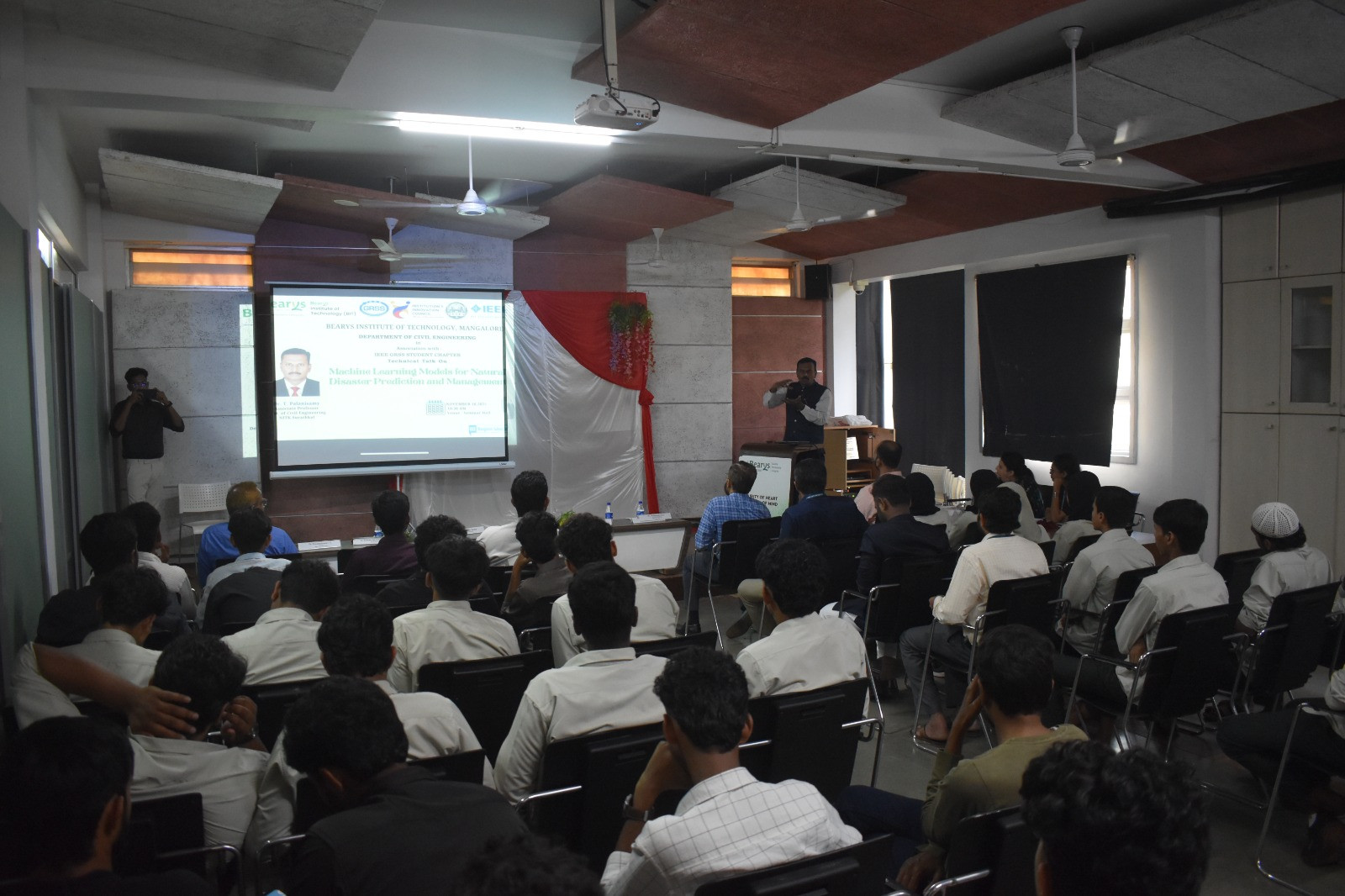
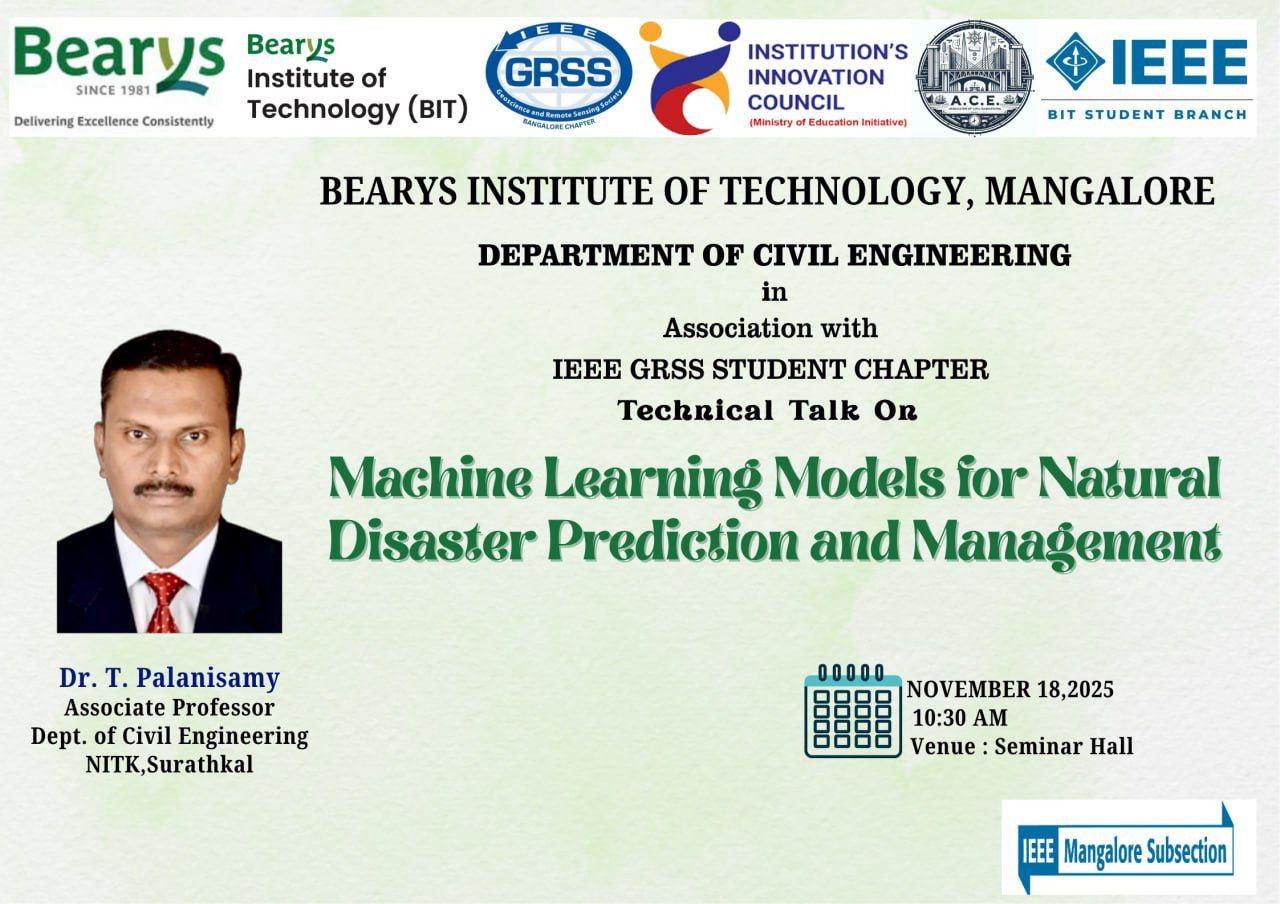
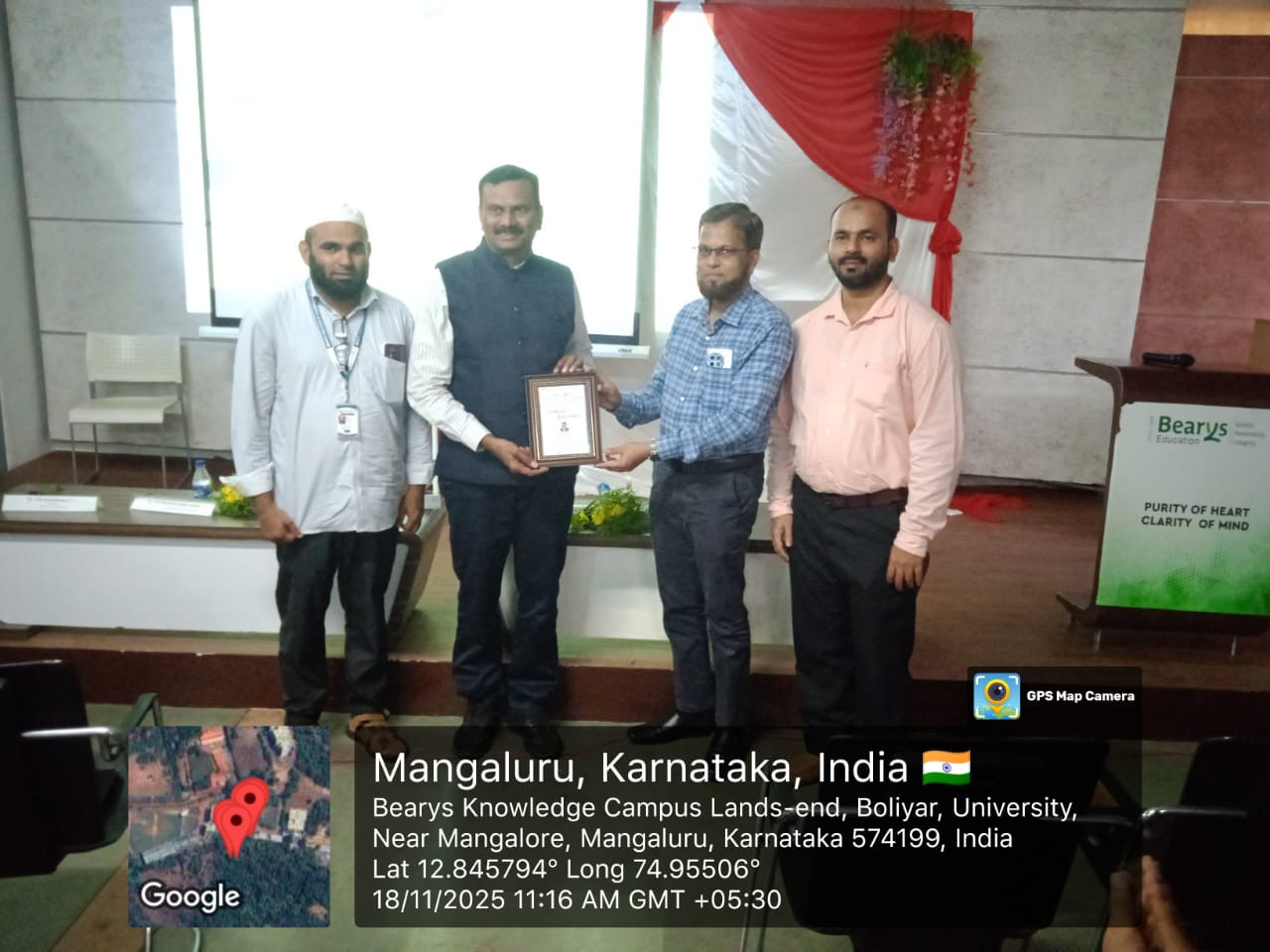
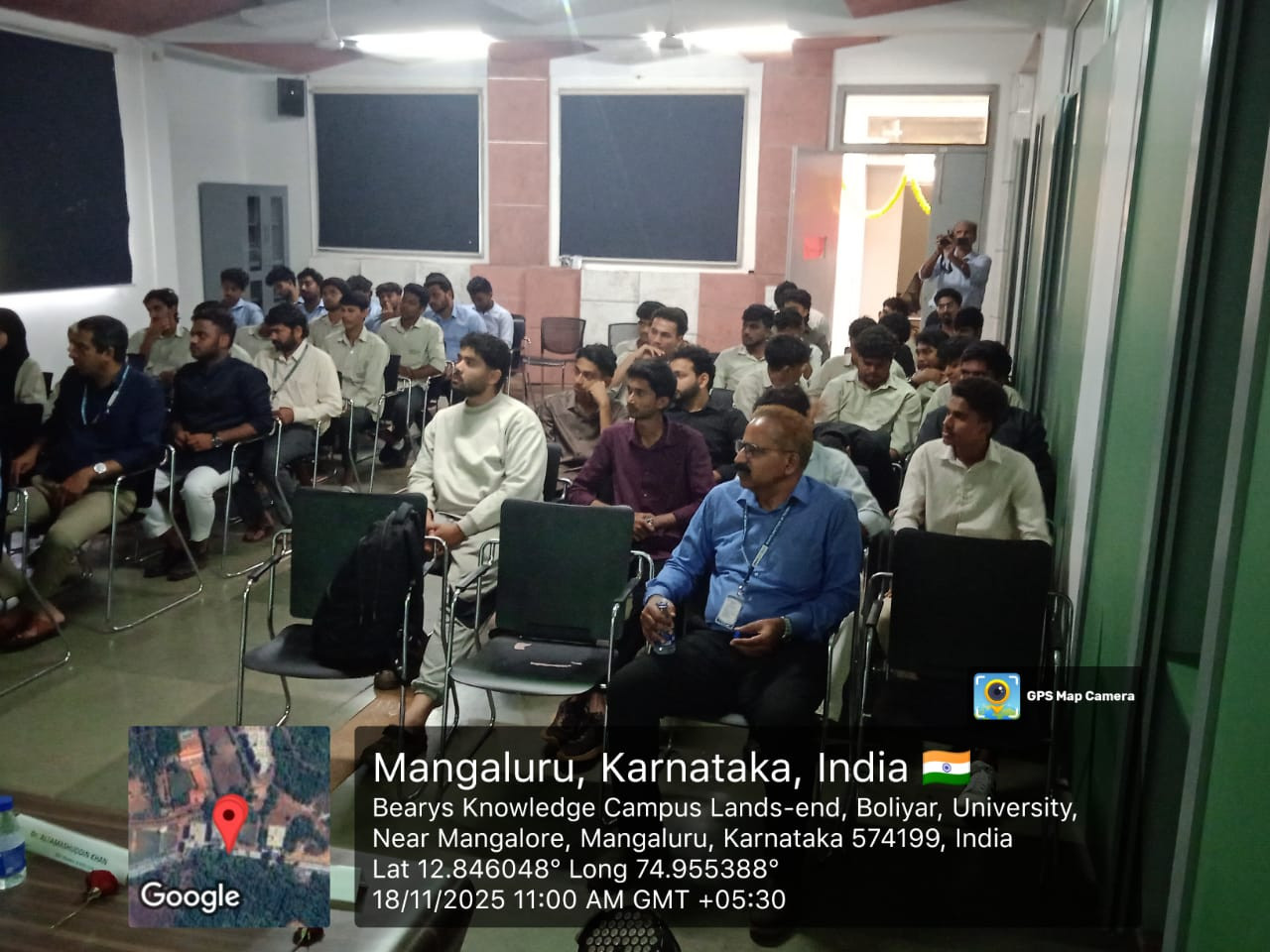
Mangaluru: The Department of Civil Engineering at Bearys Institute of Technology (BIT), Mangalore, formally inaugurated its departmental association, Association of Civil Engineers (ACE) on Tuesday, November 18, 2025. The event organised in association with the IEEE GRSS Student Chapter was held at the BIT Seminar Hall.
Dr. Altamashuddin Khan Nadeemallah, Head of the Department of Civil Engineering extended his welcome to the students and the delegates.
During his address, Dr. Altamashuddin emphasized the importance of professional associations in developing students' skills, fostering teamwork, and cultivating technical leadership among emerging civil engineers.
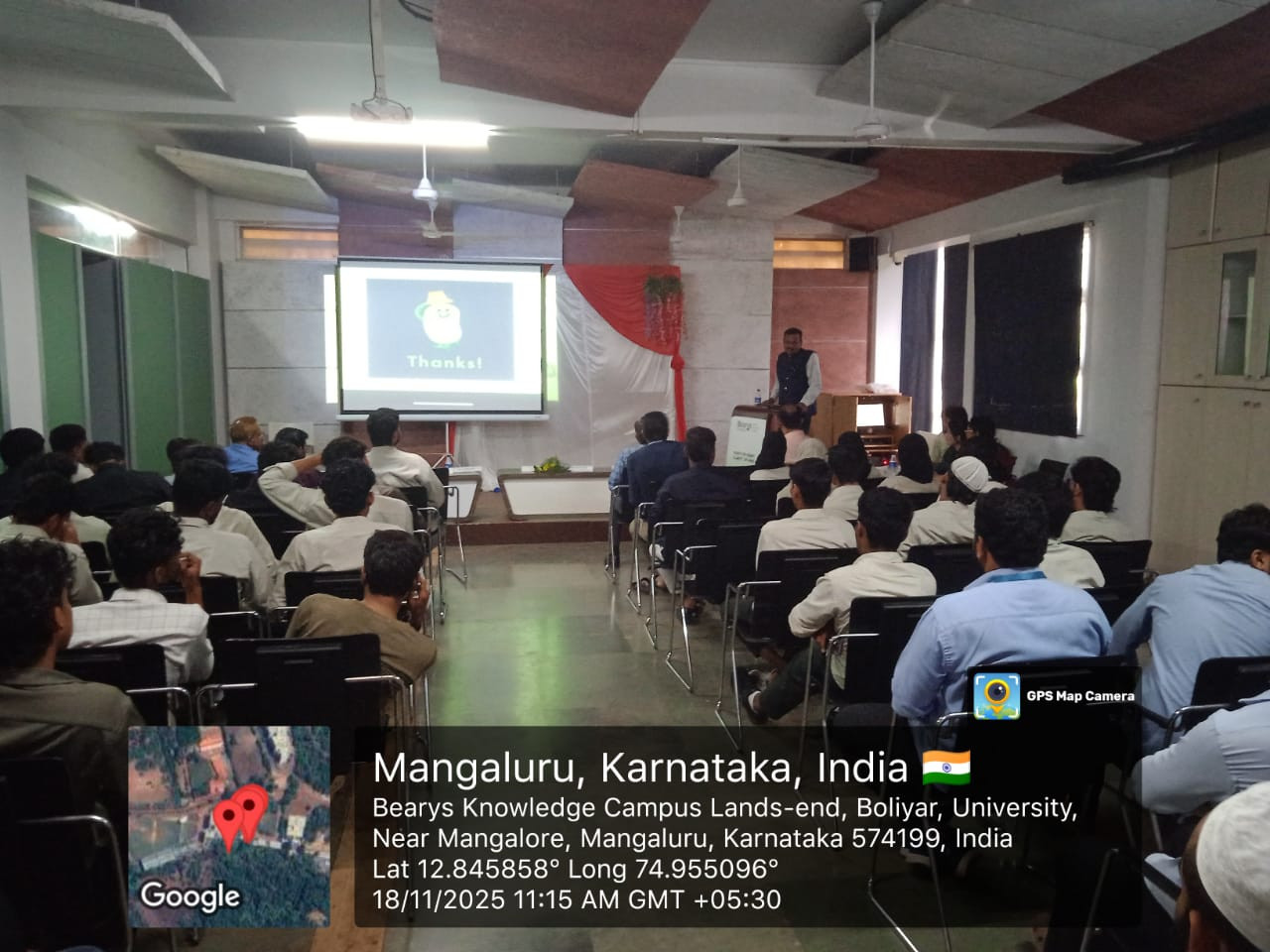
After the inauguration of ACE, Dr. T. Palanisamy, Associate Professor in the Department of Civil Engineering at NITK Surathkal, conducted an interactive technical session on “Machine Learning Models for Natural Disaster Prediction and Management.”
Dr. Palanisamy explained how machine learning techniques are transforming civil engineering by improving the accuracy of disaster forecasting, risk assessment, and real-time response planning.
The session provided students with valuable exposure to emerging interdisciplinary research trends at the intersection of AI and civil engineering. The program concluded with a formal Vote of Thanks delivered by Prof. Prasanna.
Let the Truth be known. If you read VB and like VB, please be a VB Supporter and Help us deliver the Truth to one and all.
NEET-UG: 2 more held, role of several NTA officers under scanner; CBI focussing on source of leak

New Delhi (PTI): The CBI has arrested two more persons in connection with the NEET (UG) paper-leak case, with the role of several officers of the National Testing Agency (NTA) and other organisations, who had access to the printing press where the papers were printed, coming under the scanner, officials said on Thursday.
The agency has arrested Dhananjay Lokhanda from Ahilyanagar and Manisha Waghmare from Pune and conducted searches at 14 locations across the country in the last 24 hours, they said.
The CBI is focussing on identifying the source of the leak that has caused massive disappointment to lakhs of aspirants eyeing a seat in undergraduate medical courses, which are allotted after the highly-competitive examination, the officials said.
According to the CBI probe so far, the involvement of public servants in the leak cannot be ruled out.
The Central Bureau of Investigation (CBI) has arrested three individuals from Jaipur -- Mangilal Biwal, Vikas Biwal and Dinesh Biwal -- along with Yash Yadav from Gurugram and Shubham Khairnar from Nashik.
Khairnar was in touch with Yadav and informed him in April that Mangilal Biwal was ready to pay Rs 10-12 lakh for arranging leaked NEET (UG) 2026 questions for his younger son.
Khairnar allegedly provided 500 to 600 questions from the leaked paper to Yadav, the officials said, adding that the questions could have helped score enough marks to get a seat in a reputed medical college.
Mangilal Biwal allegedly procured the paper from Yadav, who was known to his elder son Vikas Biwal from an NEET coaching in Rajasthan's Sikar. The deal between Mangilal Biwal and Yadav was for Rs 10 lakh, if 150 questions from the question bank matched with those in the National Eligibility-cum-Entrance Test (NEET) paper, the officials said.
Mangilal Biwal shared the paper with his son and further distributed it among relatives.
Yadav also told Vikas Biwal to find additional candidates for the questions to recover some of the money that he had spent on getting those, the officials said.
An analysis of digital devices has given the agency incriminating chats, leaked question papers and other digital evidence. The CBI will subject the devices to a forensic examination to get the deleted data, the officials said.
The federal agency has registered an FIR and formed teams to probe the alleged NEET (UG) paper leak that resulted in the cancellation of the exam held on May 3.
The NEET (UG) 2026 was conducted across 551 Indian cities and at 14 overseas centres. Nearly 23 lakh candidates had registered for the test, which was administered by the NTA at centres across the country.
According to the NTA, information regarding alleged malpractice was received on the evening of May 7, four days after the examination was held. The NTA said the inputs were escalated to central agencies the following morning for "independent verification and necessary action".
The Rajasthan Police's Special Operations Group (SOG) has claimed that a "guess paper" for chemistry, allegedly circulated among students ahead of the examination, had approximately 410 questions, including roughly 120 that appeared in the test.


