
BIT is conducting free software orientation programme

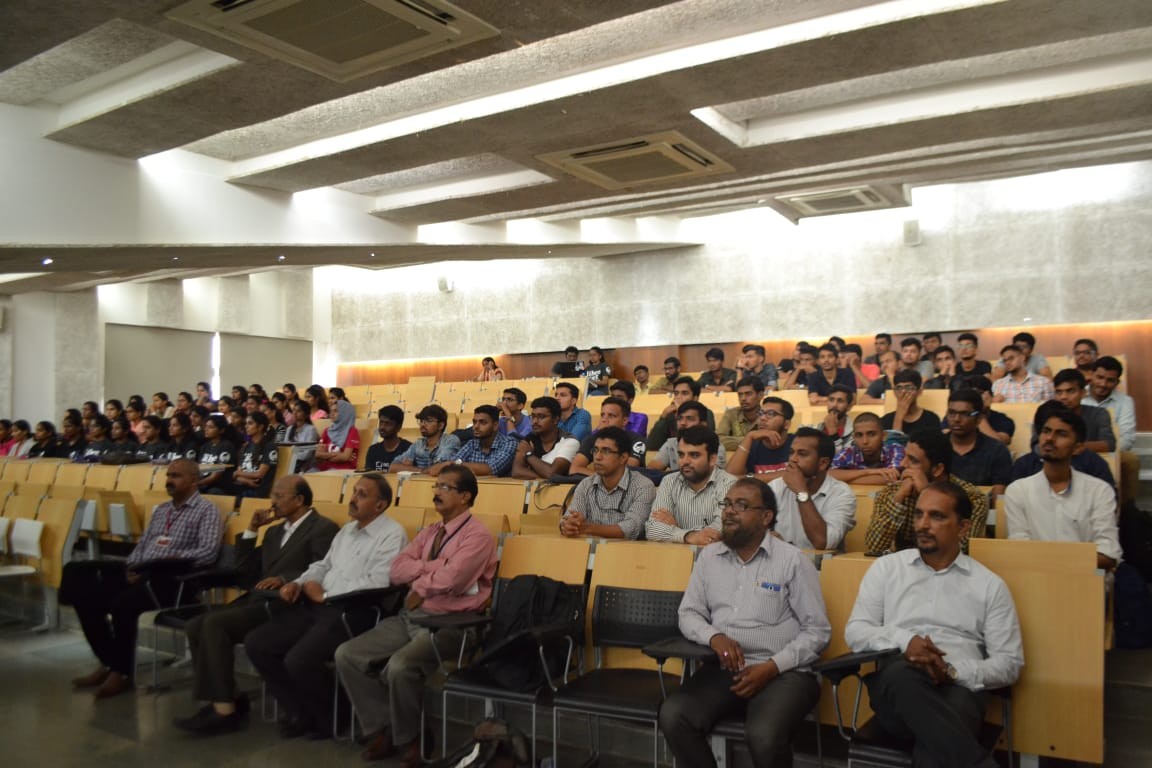
Mangaluru, July 19: A four-day free software orientation programme organized by the Bearys Institute of Technology and the Free Software Movement Karnataka (FSMK) to create awareness on free software, its need, importance and usage was inaugurated at the BIT here on Thursday. The programme would continue till July 22.
Presently more companies in the world have been adopting free software to have more flexibility to meet their demands. The main objective of the programme was to mobilize thoughts, create awareness of tools for making a positive impact on the world using digital medium and spread knowledge for the benefit of the humanity. Along with this, the programme was also aimed at spreading philosophy of Free and Open Source Software (FOSS) and its key role in bringing positive thought to the world, the organizers said.
On the first day, various sessions were held by Free Software Movement in India general secretary Kiran Chandra, Abhinava of FSFTN, Arun Isaac and Rameseshan of FSMK, Rizma of FSMK and alumni of BIT, industry professionals, software enthusiasts are participating in the programme. More than 100 delegates from various engineering colleges across the state are participating in the programme.
Senior advisor Dr Raikar SK, BIT principal Dr Antony AJ, Dean (Academics) Dr Mahabaleshwarappa, BIT polytechnic principal Dr Azeez Mustafa, department heads and faculty were present during the inaugural programme.
Let the Truth be known. If you read VB and like VB, please be a VB Supporter and Help us deliver the Truth to one and all.
Leopard strays into house in Mysuru

Mysuru (Karnataka) (PTI): A male leopard strayed into a house here on Friday, triggering panic among residents, forest officials said.
The incident occurred around 10 am at Siddhartha Layout in the city, they said.
According to officials, the leopard, estimated to be around three to four years old, entered the house of a resident identified as Suresh. The animal was found hiding beneath a cot in one of the rooms. Those in the house managed to escape and alerted forest department officials, who rushed to the spot along with veterinarians.
The leopard, suspected to have strayed from the Chamundi Hills or nearby forest areas, was eventually tranquilised. It was later safely shifted to the Mysuru Zoo, a senior forest official said.


_vb_59.jpeg)