
Madrasa Association hosts program on moral, educational development

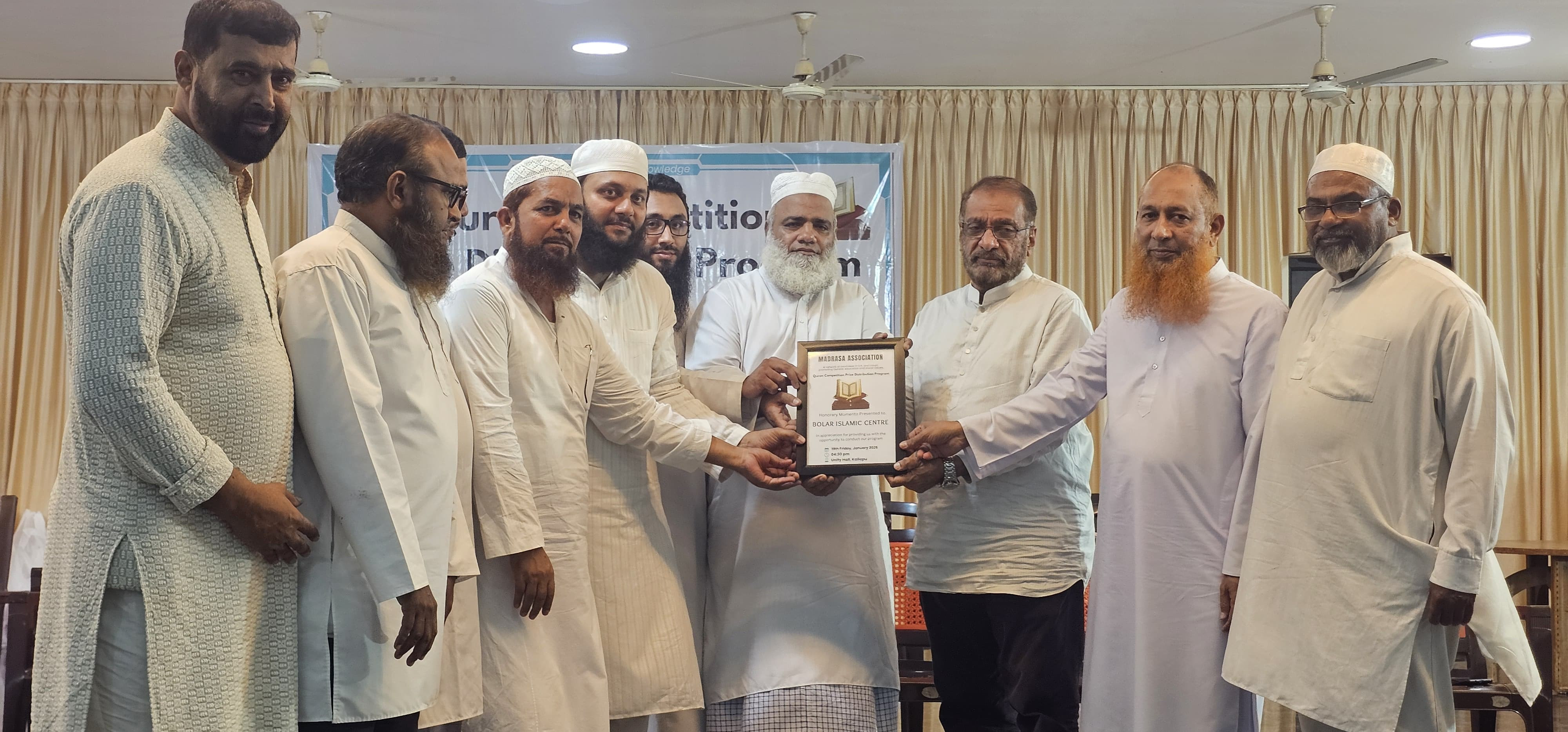
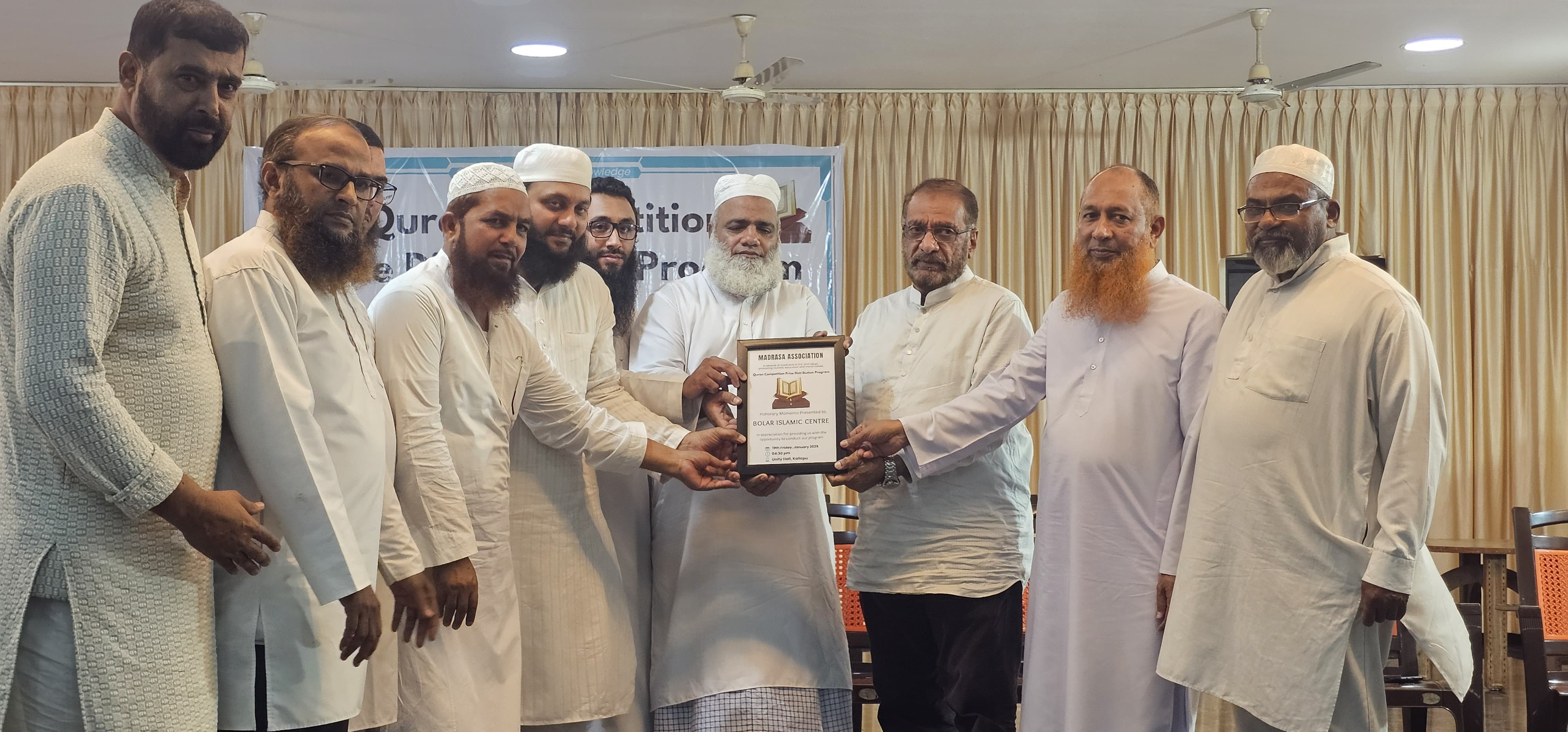
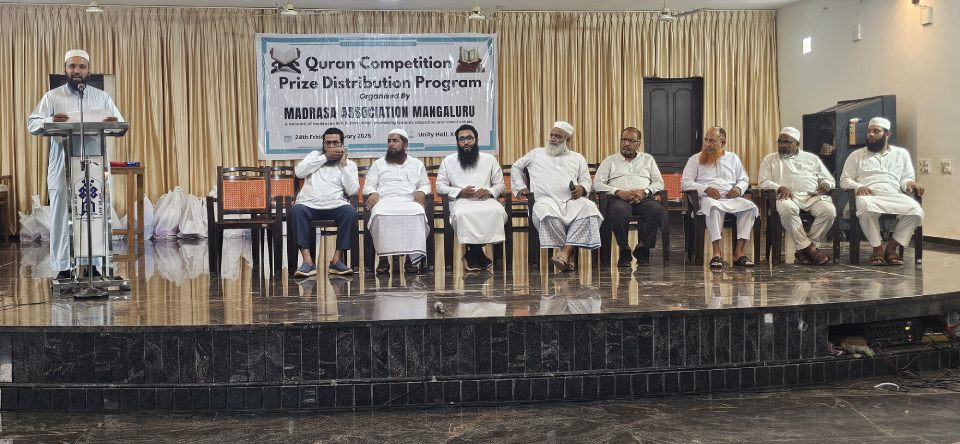
Mangaluru: The Madrasa Association organized a program at Unity Hall, Kallapu, focusing on moral and educational development. Prominent speakers addressed key aspects of Quranic teachings, character building, and parenting.
Chief guest Maulana Yahya Tangal Madani emphasized the importance of moral values and character development. In his inaugural speech, Mohammed Farhan Nadwi outlined the association’s mission to promote Quran recitation and ethical excellence.
Ejaz Swalahi, representing the Karnataka Salafi Association’s Madrasa Wing (KSEB), highlighted the need for such initiatives in shaping well-rounded students. Maulana Nizamuddin, Chief of the Deeniyat Mangaluru Unit, stressed the significance of implementing Quranic teachings in daily life.
Saeed Ismail from Jamat-e-Islami’s Educational Council spoke on instilling respect in children, while Mohammed Haneef Bolanthoor, President of SKSM’s Madrasa Wing SEB, discussed the role of effective parenting.
Maulana Shuaib Husaini Nadwi, Head of Value Education at Hira Institution, explained how applying Quranic values leads to personal and societal prosperity. The event concluded with a presidential address by Maulana Saalim Nadwi, Principal of Iqra Arabic School, who emphasized unity and progress through Quranic teachings.
Among those present were Maroof from Alqalam Institutions, P.B. Abdul Hameed, Vice President of Bolar Islamic Centre, and Faizal Natekal, owner of Unity Hall.
Let the Truth be known. If you read VB and like VB, please be a VB Supporter and Help us deliver the Truth to one and all.
Congress using hijab issue to pacify minority anger, alleges Karnataka LoP R Ashoka

Bengaluru: Leader of Opposition in the Assembly R. Ashoka has accused the Congress government of using the hijab issue to placate what he described as discontent among minority voters after the Davanagere by-election.
In a post on X on Wednesday, Ashoka alleged that the state government, instead of addressing issues such as price rise, corruption, farmers’ distress and law and order, was attempting to retain its minority vote base by reviving the hijab issue.
Referring to the 2022 dress code introduced by the BJP government, which prohibited hijab in schools and colleges, Ashoka said the Karnataka High Court had upheld the policy and emphasised the importance of discipline in educational institutions.
He questioned the Congress government’s move to revisit the issue and asked whether setting aside the court-backed policy to benefit one community could be described as secularism.
Ashoka further alleged that while the government was willing to permit hijab, it continued to prohibit saffron shawls.
He accused the government of dividing students on religious lines rather than treating schools and colleges as spaces of equality.
Drawing a comparison with Mamata Banerjee’s government in West Bengal, Ashoka claimed that excessive appeasement politics had harmed the state and warned that the Congress in Karnataka could face a similar political response.
He said voters in Karnataka would teach the Congress a lesson for what he termed “vote-bank politics” and for compromising constitutional and judicial principles.


